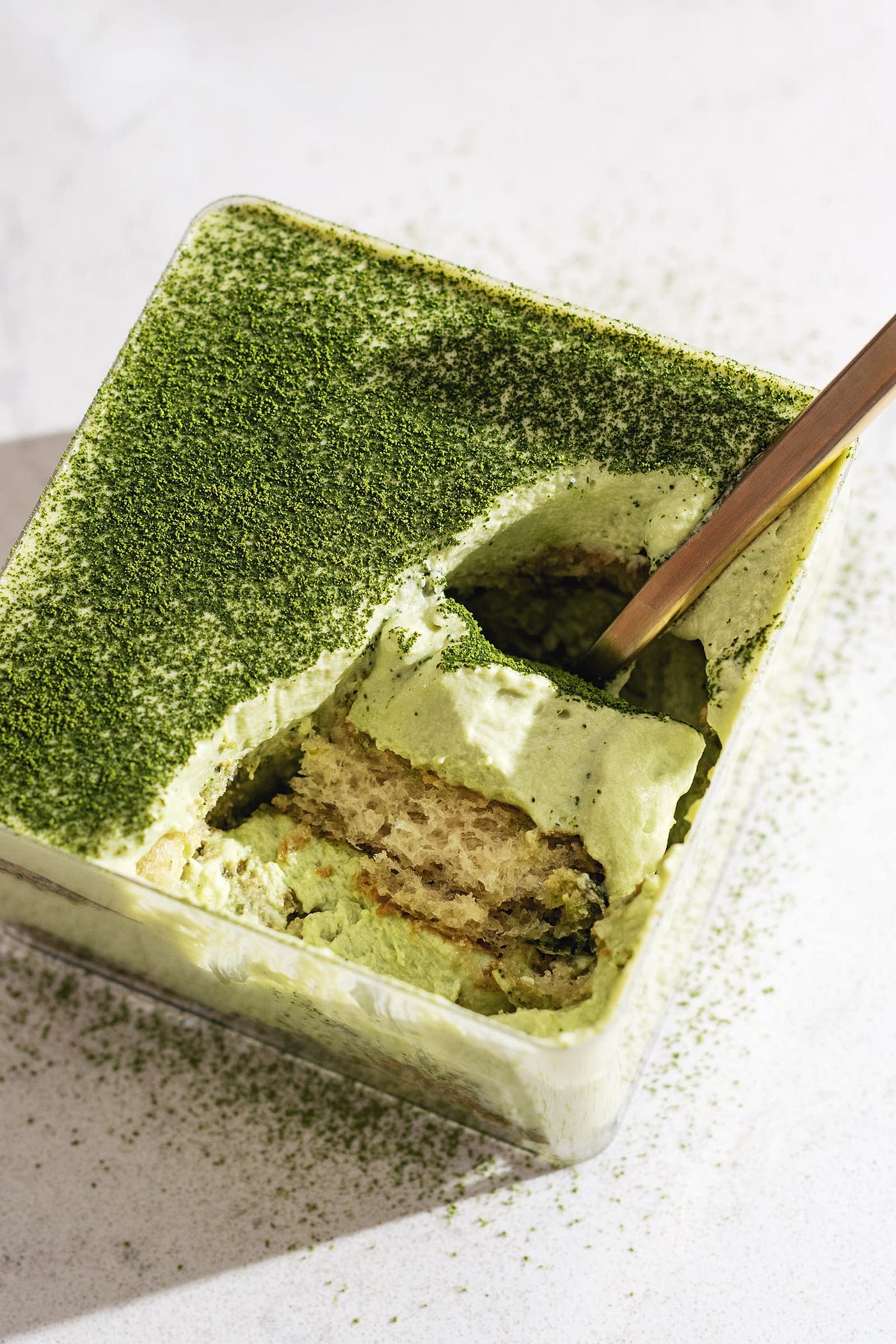
Japanese Strawberry Shortcake Is Having a Moment And It’s Nothing Like the American Version
Why this quietly elegant cake is taking over social media, and what makes it so much harder to stop eating than it looks
Japanese Strawberry Shortcake Is Having a Moment And It’s Nothing Like the American Version
Why this quietly elegant cake is taking over social media, and what makes it so much harder to stop eating than it looks
There’s a version of strawberry shortcake most American bakers grew up with: a dense, buttery biscuit split open and piled with berries and whipped cream. It’s satisfying in a heavy, filling way. Then there’s the Japanese version, and the first time you taste it, you wonder why you ever accepted the biscuit as the default.
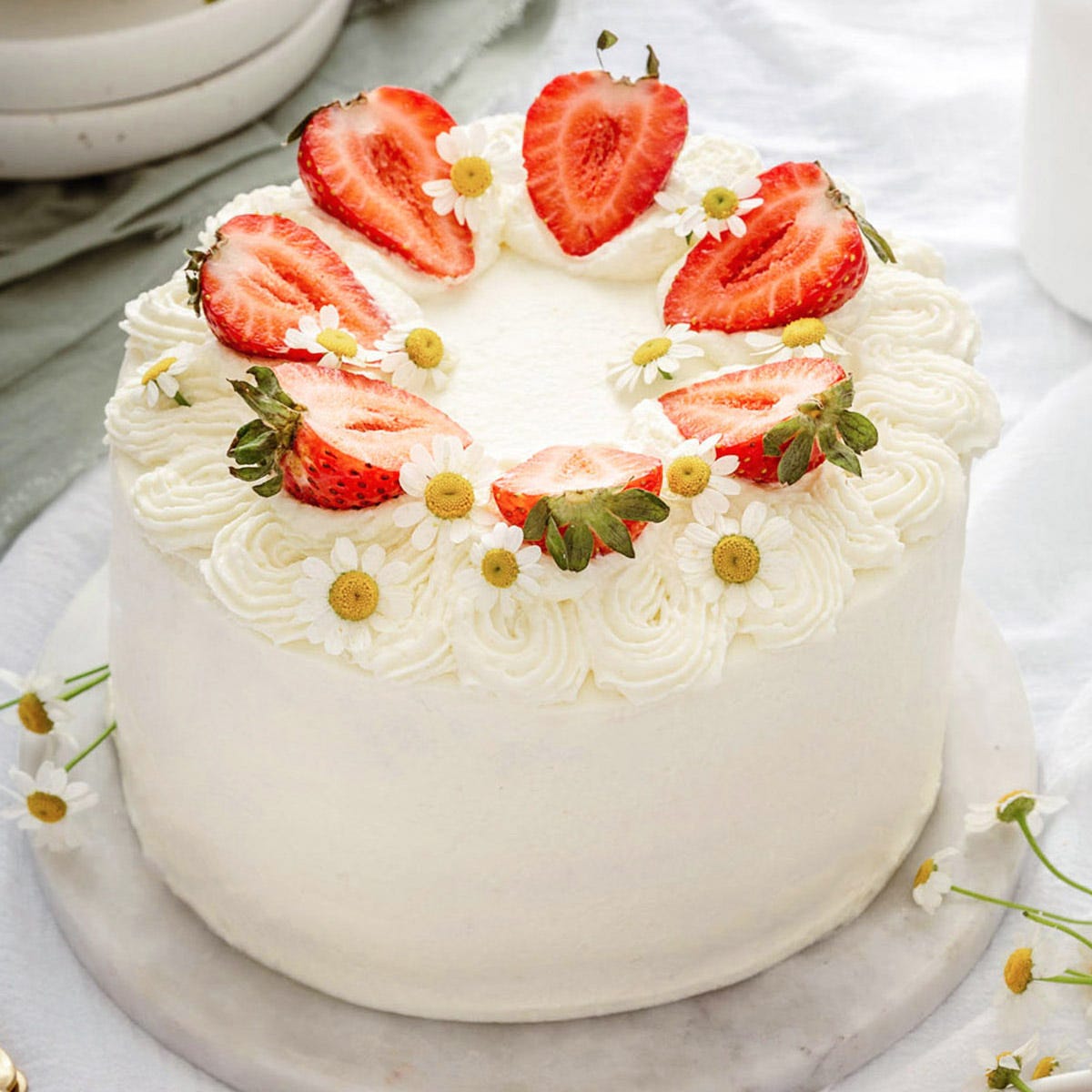
Japanese strawberry shortcake known in Japan as ichigo shortcake — is built on an entirely different philosophy. Light chiffon or genoise sponge. Fresh whipped cream that barely holds a peak. Strawberries sliced clean and arranged with an almost architectural precision. The whole thing feels restrained until you take a bite, and then it clicks: the lightness is the point. Every element exists to make the strawberry taste more like itself.
Japanese Strawberry Shortcake Is Having a Moment And It’s Nothing Like the American Version
Right now, this cake is having a serious moment. Japanese strawberries are seeing nearly 30% year-over-year growth in social media mentions, with over 23 million posts and counting. TikTok bakers are filming cross-sections of perfectly assembled slices. Food magazines are running features on why Japanese fruit culture produces the world’s most prized strawberries. And home bakers across the US, Canada, and Mexico are searching for how to recreate this cake at home.
The timing makes sense. After years of maximalist desserts — towering layer cakes, lava flows of sauce, ganache drips on everything — there’s a clear appetite for something that tastes refined and looks effortless. Japanese strawberry shortcake fits that mood exactly.
What Makes the Sponge Different
The American biscuit-based shortcake is leavened with baking powder. Japanese shortcake uses a sponge, typically a chiffon or a genoise, that gets its rise almost entirely from whipped eggs. This is the technique that changes everything.
For a classic chiffon version, you separate the eggs and whip the whites to stiff peaks before folding them into the batter. The result bakes up tall and springy, with a fine, even crumb that absorbs cream without turning soggy. When you cut into it, the layers stay distinct. The cream doesn’t pool at the bottom. The strawberries don’t slide.
The baking temperature matters more than most recipes acknowledge. You want a moderate oven — around 325°F (165°C) — and enough time for the interior to set fully before the exterior colors too much. Rushing this with higher heat gives you a cake that dips in the center when cooled, which makes clean layering nearly impossible.
One thing that surprises people: the sponge for this cake is not very sweet on its own. It’s intentionally mild, closer to a vehicle than a destination. The sweetness comes from the cream and the berries. If you sweeten the sponge too much, you throw off the whole balance the cake is designed around.
The Cream and How to Handle It
Japanese whipped cream is typically stabilized just enough to hold its shape for a few hours, but it should never taste stiff or buttery. The standard approach is heavy cream with a small amount of sugar — usually about 1 tablespoon per cup of cream — whipped to medium-soft peaks.
Whip it too far and you lose the silkiness. The cream should look smooth and glossy, not grainy. If you’re frosting the outside of the cake, chilled equipment helps: cold bowl, cold beaters, cold cream straight from the refrigerator. In warmer kitchens, set the bowl over ice while you work.
Some bakers add a small amount of mascarpone to the whipped cream for a slightly richer body that holds better without compromising the texture. It’s worth trying once you’ve made the standard version. The difference is subtle but real — a little more weight on the palate, a little more staying power at room temperature.
Choosing and Preparing the Strawberries
In Japan, strawberries are grown with an almost obsessive attention to uniformity and flavor — hence the price tags and the social media fascination. At home, you don’t need those varieties to make a good cake. You need strawberries that are ripe, fragrant, and roughly the same size.
For the interior layers, slice the berries vertically into even pieces. For the top, whole berries or halves work better visually. The goal is that clean cross-section when the cake is cut: cream, sponge, berry, cream, sponge — each layer visible and deliberate.
Macerate a portion of the sliced berries lightly in a small amount of sugar before assembling. This draws out some juice, intensifies the flavor, and softens the texture just enough so the berries settle into the cream rather than pushing through it. Don’t overdo the sugar — a teaspoon per cup of berries is plenty.
Assembly: Where Most Bakers Lose the Plot
The sponge needs to be fully cooled before you assemble. Completely, deeply cooled — not just room temperature on the outside. A warm interior will melt the cream on contact. If you have time, wrap the cooled layers in plastic and refrigerate them for an hour before building.
Spread cream to the edges without compressing it. Lay the macerated strawberries in a single layer, not piled, so each slice of cake gets an even distribution. Add another thin layer of cream over the berries before placing the next sponge layer. This anchors the fruit and gives you that clean look when you cut through.
For the exterior, apply the cream in two passes. A thin crumb coat first, chilled for 15 minutes, then a final smooth coat. Japanese shortcakes are often finished simply — smooth sides, no decoration except a few strawberries on top. That restraint is part of the aesthetic. A heavily piped cake is a different cake.
Why This Cake Rewards Patience
The assembly itself takes maybe 20 minutes once everything is prepared. But the prep making the sponge, cooling it completely, whipping the cream properly, slicing the berries takes time you can’t rush without cost. Bakers who treat this like a quick project end up with beautiful-looking cakes that taste fine. The ones who plan ahead and give each step its full time end up with something that tastes like an occasion.
If you want to go deeper into cakes like this sponge techniques, cream work, layering logic I’ve put together a full collection of recipes and baking guides that walk through the details most cookbooks leave out. You can find it here: *Chef Luna’s Ultimate Bakery & Desserts Collection*.
Trending doesn’t always mean complicated. Sometimes it just means something genuinely good finally got the attention it deserved.
메타데이터
- post_id
- ca0ad6b84f29
- slug
- japanese-strawberry-shortcake-is-having-a-moment-and-its-nothing-like-the-american-version-ca0ad6b84f29
- url
- https://medium.com/@chefluna/japanese-strawberry-shortcake-is-having-a-moment-and-its-nothing-like-the-american-version-ca0ad6b84f29
- canonical_url
- https://medium.com/@chefluna/japanese-strawberry-shortcake-is-having-a-moment-and-its-nothing-like-the-american-version-ca0ad6b84f29
- author_url
- https://medium.com/@chefluna
- status
- ok
- fetched_at
- 2026-06-22 17:31:34