Low Vitamin D Worsens Diabetic Retinopathy in Your Eyes
You check your blood sugar. You watch your diet. You take your medication. But there is a quiet deficiency that is widespread in India, and…
Low Vitamin D Worsens Diabetic Retinopathy in Your Eyes
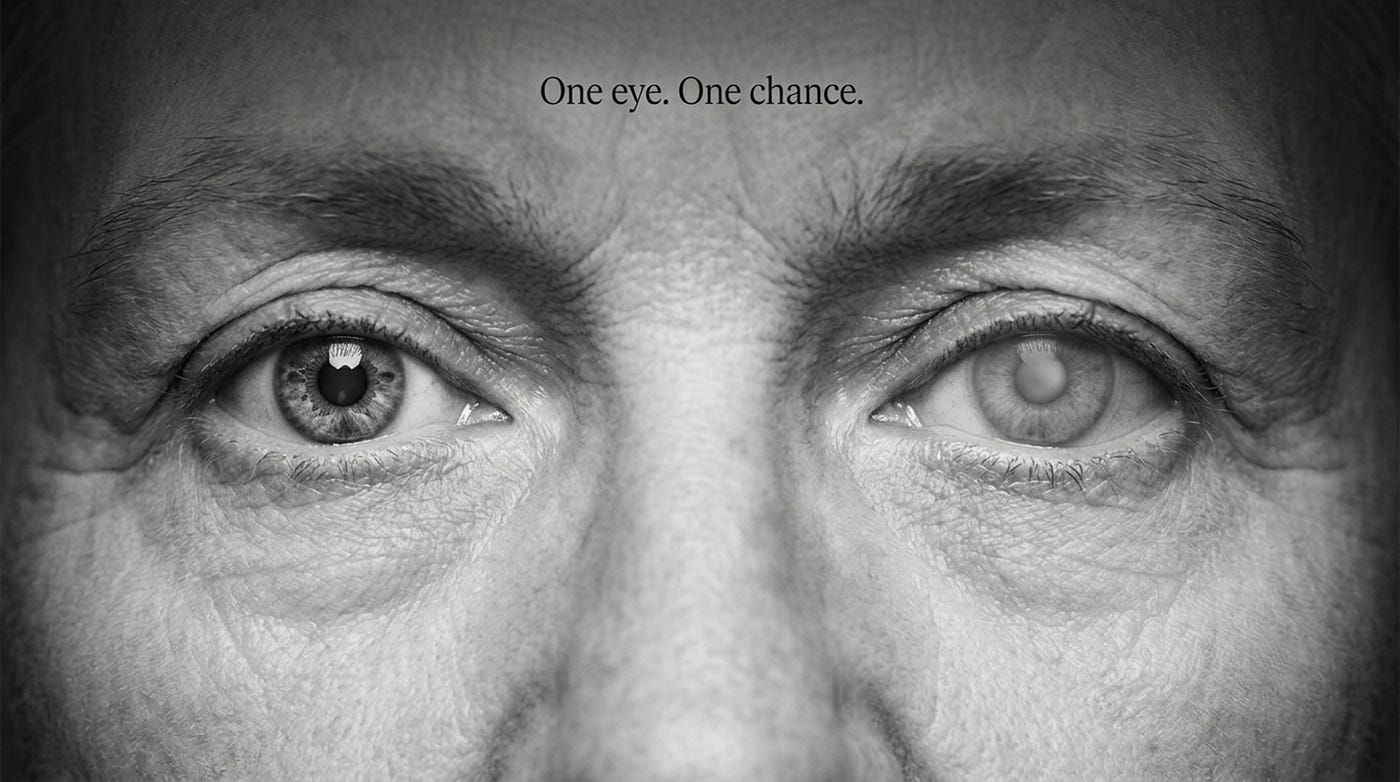
You check your blood sugar. You watch your diet. You take your medication. But there is a quiet deficiency that is widespread in India, and it may be associated with a higher risk of your diabetic retinopathy progressing further. Vitamin D, the sunshine vitamin, is not just about bones. It plays a role in protecting the tiny blood vessels at the back of your eyes. When levels are low, those vessels may become more vulnerable to the damage that diabetes inflicts.
The connection between vitamin D and diabetic eye disease is not a fringe theory. It is supported by a growing body of research, including studies conducted on Indian patients. The findings are consistent enough that some researchers now suggest considering vitamin D screening in diabetic patients who show signs of retinal damage, although this is not yet part of standard guidelines.
WHAT THE RESEARCH SHOWS
A 2024 systematic review and meta‑analysis published in Biomedicines pooled data from multiple studies and found that low serum vitamin D levels were significantly associated with a higher risk of diabetic retinopathy. The analysis concluded that vitamin D deficiency should be considered a risk factor for the development of this condition. This was not a single small study. It was a synthesis of the available global evidence.
Indian data tells a similar story. Several observational studies from Indian tertiary care centres have reported that patients with diabetic retinopathy tend to have lower serum vitamin D levels compared to diabetic patients without retinopathy. A pattern has emerged in which severe vitamin D deficiency is more commonly found in patients with proliferative diabetic retinopathy and diabetic macular edema, the two vision‑threatening forms of the disease. These are real patients in Indian clinics, showing a pattern that is too consistent to ignore.
HOW VITAMIN D PROTECTS THE RETINA
The retina is one of the most metabolically active tissues in the body. It consumes oxygen and glucose at an extraordinary rate, making it vulnerable to oxidative stress and inflammation. Vitamin D helps in several ways that may support retinal health.
First, it reduces systemic inflammation. Chronic low‑grade inflammation is one of the drivers of capillary damage in diabetes. Vitamin D appears to suppress the release of inflammatory cytokines and calm the immune response that can injure blood vessel walls.
Second, vitamin D appears to have anti‑angiogenic effects. Some evidence suggests that it may help regulate vascular endothelial growth factor, the same protein that anti‑VEGF injections target in diabetic macular edema. When vitamin D levels are adequate, the retina may be less likely to produce excess VEGF, thereby reducing the signal that tells abnormal blood vessels to grow and leak.
Third, vitamin D receptors are present in retinal cells themselves, including the retinal pigment epithelium and the photoreceptors. This means vitamin D could act directly on the retina to protect against cellular stress and maintain the health of the blood‑retinal barrier.

Retinopathy progresses faster without vitamin D.
None of this means vitamin D is a replacement for diabetic retinopathy treatment. It is not. Anti‑VEGF injections, laser, and tight control of blood sugar and blood pressure remain the foundation of care. But addressing a vitamin D deficiency, when it is identified, may be a supportive measure to strengthen the retina from within, potentially making those treatments more effective and slowing the progression of the disease.
WHY THIS MATTERS FOR INDIA
India has two overlapping epidemics. The first is diabetes. Over one hundred million Indians are living with the disease, according to the ICMR‑INDIAB study. The second is vitamin D deficiency. Despite abundant sunlight, a large proportion of the Indian population has low vitamin D levels, due to a combination of indoor lifestyles, pollution blocking UVB rays, darker skin pigmentation, and low dietary intake of fortified foods. A meta‑analysis of studies from South Asia has estimated that approximately sixty‑five percent of the population may be vitamin D deficient, depending on the cutoff used. These two epidemics intersect in the retina.
A patient with diabetes and low vitamin D is not the same as a patient with diabetes and normal vitamin D. The first patient has an additional, modifiable risk factor that may be silently accelerating retinal damage. Yet screening for vitamin D is not part of routine diabetes care in most Indian clinics. Patients may have their HbA1c checked every three months, their creatinine monitored for kidney function, and their feet examined for neuropathy. But a simple blood test that costs a few hundred rupees, and which could reveal a reversible contributor to vision loss, is often overlooked.
The Research Society for the Study of Diabetes in India and the Vitreoretinal Society of India have issued a joint position statement on diabetic retinopathy screening for physicians. While that statement does not specifically mandate vitamin D testing, the accumulating Indian evidence is pushing the conversation toward a more holistic approach. The All India Ophthalmological Society encourages comprehensive care, which includes attention to overall health factors that could influence eye outcomes.
WHAT YOU CAN DO
If you have diabetes, there are three simple actions you can take today.
Ask your doctor for a vitamin D test. It is a quick blood draw, and it will tell you whether your levels are sufficient, insufficient, or severely deficient. A commonly used threshold for sufficiency is above thirty nanograms per milliliter, though the exact target may vary based on your individual health.
If your levels are low, discuss supplementation with your physician. Vitamin D3 supplements are inexpensive and widely available. The dose and duration should be guided by your doctor, based on your test results and your overall health.
Do not skip your regular eye examination. Vitamin D is not a substitute for a dilated fundus exam and an OCT scan. These tests can detect retinal damage years before you notice any blur. The American Diabetes Association recommends an initial comprehensive eye exam at the time of diagnosis for type 2 diabetes, with follow‑up intervals based on the findings. If retinopathy is present, exams should be at least annual.
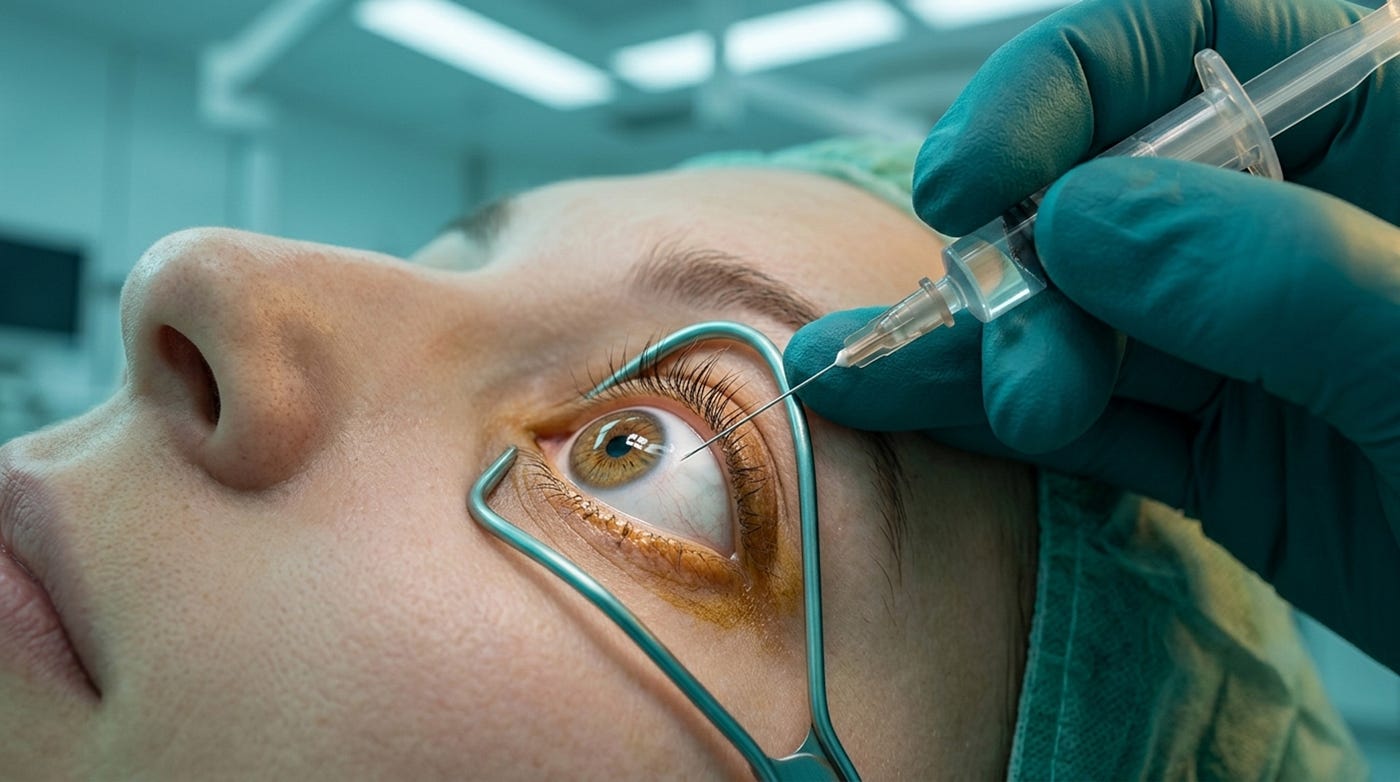
Diabetic retinopathy treatment works best when it is started early. Anti‑VEGF injections can dry a swollen macula, laser can seal leaking vessels, and surgery can clear a vitreous hemorrhage. But the best treatment is the one that prevents damage in the first place. Addressing a vitamin D deficiency, when it is confirmed by a blood test, may be one supportive measure alongside glucose control, blood pressure management, and regular eye screening.
THE PATH FORWARD
The science is not yet at the point where we can say that vitamin D supplementation prevents diabetic retinopathy. Large randomised controlled trials evaluating supplementation specifically for the prevention of retinopathy progression have not been completed, although some smaller trials have looked at vitamin D as an adjunct in the treatment of diabetic macular edema. The observational evidence is strong enough that many retina specialists now include vitamin D testing in their workup of patients with progressive disease. It is a low‑risk, high‑potential intervention that addresses a deficiency that is widespread in the Indian population.
If you have diabetes and have been told you have retinopathy, or if you simply want to protect your eyes from damage, ask your ophthalmologist about vitamin D. Ask whether your levels have ever been checked. Ask whether a supplement could support your retinal health. These are reasonable questions that deserve reasonable answers.
Book a comprehensive diabetic eye evaluation at Infigo Eyecare Hospital, an NABH‑accredited facility, or at a trusted eye centre near you. If you are eligible under MJPJAY, PMJAY (Ayushman card), ESIC, or ECHS, you can receive cashless care. BSNL and Indian Coast Guard employees can also use their service health benefits at our hospital. Your retina depends on many things, and a simple vitamin deficiency should not be the reason your sight fades.
메타데이터
- post_id
- ca0d08e396f0
- slug
- low-vitamin-d-worsens-diabetic-retinopathy-in-your-eyes-ca0d08e396f0
- url
- https://medium.com/@aniketmmclayinc/low-vitamin-d-worsens-diabetic-retinopathy-in-your-eyes-ca0d08e396f0
- canonical_url
- https://medium.com/@aniketmmclayinc/low-vitamin-d-worsens-diabetic-retinopathy-in-your-eyes-ca0d08e396f0
- author_url
- https://medium.com/@aniketmmclayinc
- status
- ok
- fetched_at
- 2026-07-15 12:46:07