Breaking Barriers with Assistive Technology in Healthcare: Enabling Independence and Inclusion for…
Access to healthcare services is a fundamental human right, yet many underserved populations face significant barriers to receiving the…
Breaking Barriers with Assistive Technology in Healthcare: Enabling Independence and Inclusion for All Patients
Access to healthcare services is a fundamental human right, yet many underserved populations face significant barriers to receiving the care they need. These populations can include individuals living in remote or rural areas, those with limited mobility, low-income households, and ethnic minorities.
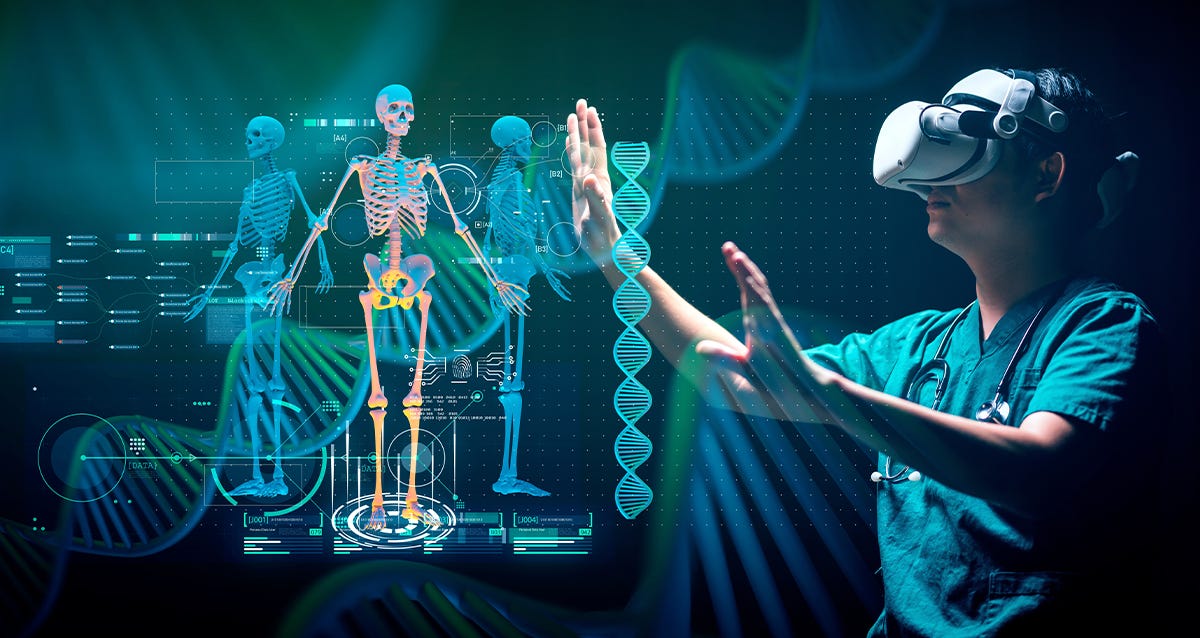
Assistive technology has emerged as a powerful tool to bridge the gap between healthcare services and underserved populations. By leveraging technology, healthcare providers can reach patients who would have otherwise faced significant barriers to accessing care.
One example of assistive technology that has been effective in reaching underserved populations is telemedicine. Telemedicine allows patients to receive medical consultations and services remotely through video conferencing, reducing the need for travel and minimizing costs. This technology has been particularly beneficial for patients in rural areas who may have limited access to healthcare providers.
Another example of assistive technology that has been successful in reaching underserved populations is mobile health (mHealth) technology. mHealth technology allows patients to monitor their health and communicate with healthcare providers through mobile devices such as smartphones and tablets. This technology has been particularly useful for patients with chronic illnesses who require frequent monitoring and management.
Assistive technology has also been instrumental in addressing language and cultural barriers in healthcare. Tools such as translation software and culturally sensitive communication aids can help healthcare providers better understand and communicate with patients from different backgrounds.
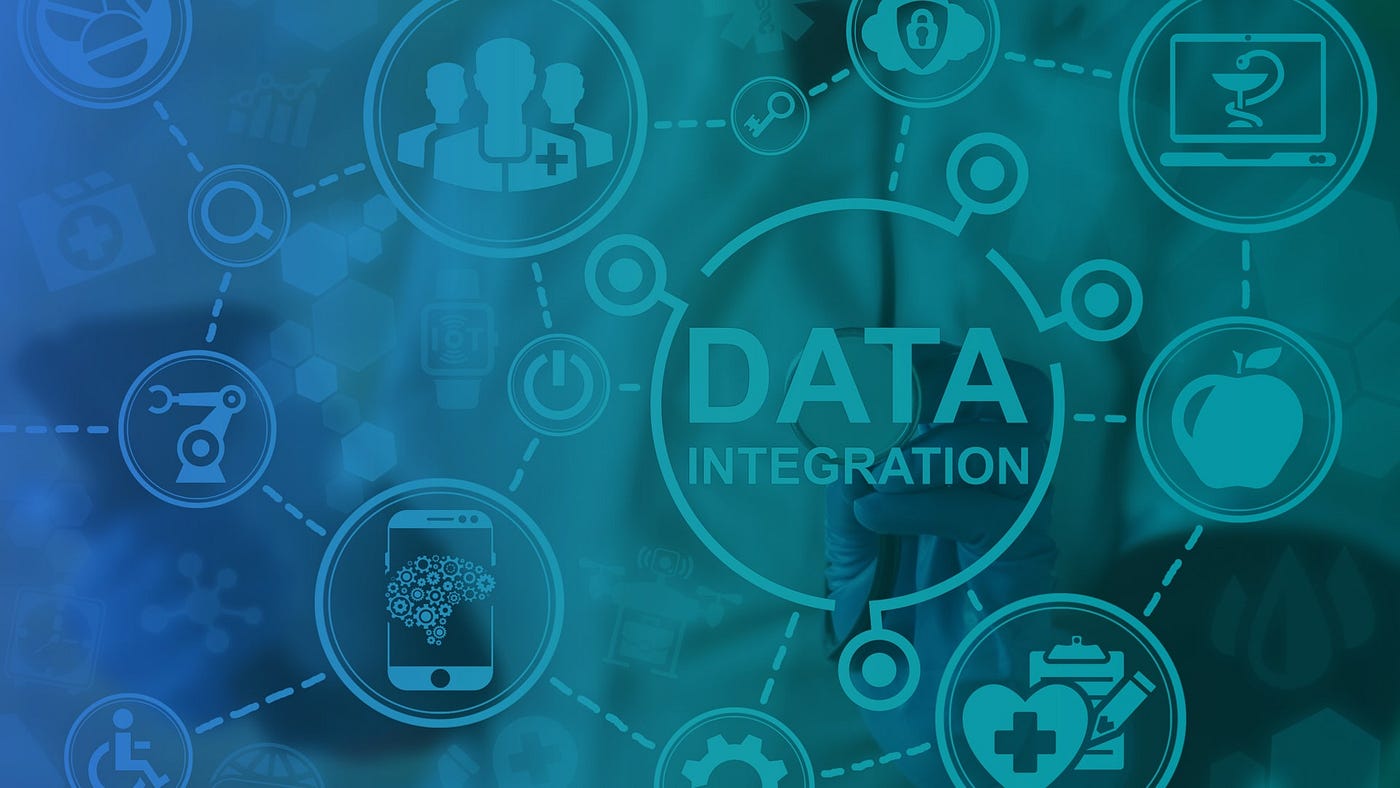
Assistive technology has revolutionized the healthcare industry, enabling patients with disabilities, chronic illnesses, and injuries to receive the care they need and lead more independent lives. The advancements in assistive technology have helped to break down barriers to healthcare and promote inclusion for all patients.
One of the significant barriers that patients with disabilities or mobility impairments face is physical access to healthcare facilities. Assistive technology devices such as wheelchair ramps, lifts, and automatic doors have made healthcare facilities more accessible, allowing patients to navigate the space more easily and receive care without barriers.
Assistive technology has also helped to address communication barriers that can arise between healthcare providers and patients with hearing or speech impairments. Devices such as visual alert systems, video relay services, and speech recognition software have made it possible for patients and healthcare providers to communicate effectively, ensuring that patients receive the care they need and have a voice in their treatment decisions.
Another critical aspect of assistive technology in healthcare is the ability to promote independence and self-sufficiency for patients. Devices such as smart pillboxes, mobility aids, and remote monitoring tools have made it possible for patients to manage their health at home and reduce their reliance on caregivers or healthcare professionals.
One of the most exciting advancements in assistive technology in healthcare is the use of artificial intelligence (AI) and machine learning (ML) algorithms. These technologies are being used to develop personalized treatment plans, predict disease outcomes, and improve patient outcomes by identifying patterns and trends in patient data.
Despite the many benefits of assistive technology in healthcare, there are still challenges that need to be addressed. One of the primary challenges is the cost of these technologies, which can be a barrier to accessing them for some patients. Additionally, there are concerns about privacy and security when it comes to patient data.
In conclusion, assistive technology has been instrumental in breaking down barriers to healthcare and promoting independence and inclusion for all patients. The advancements in assistive technology have enabled patients with disabilities, chronic illnesses, and injuries to receive the care they need and lead more fulfilling lives. As technology continues to advance, it is essential to continue developing innovative solutions to address healthcare disparities and promote health equity for all.
메타데이터
- post_id
- ca15bcdee13
- slug
- breaking-barriers-with-assistive-technology-in-healthcare-enabling-independence-and-inclusion-for-ca15bcdee13
- url
- https://medium.com/@healthcare-chetu/breaking-barriers-with-assistive-technology-in-healthcare-enabling-independence-and-inclusion-for-ca15bcdee13
- canonical_url
- https://medium.com/@healthcare-chetu/breaking-barriers-with-assistive-technology-in-healthcare-enabling-independence-and-inclusion-for-ca15bcdee13
- author_url
- https://medium.com/@healthcare-chetu
- status
- ok
- fetched_at
- 2026-08-09 23:04:23