Painter turned product designer: the (fine) art of UX
Design lessons learned from mixing paints, composing a canvas and making every brushstroke meaningful
Painter turned product designer: the (fine) art of UX
Design lessons learned from mixing paints, composing a canvas and making every brushstroke meaningful
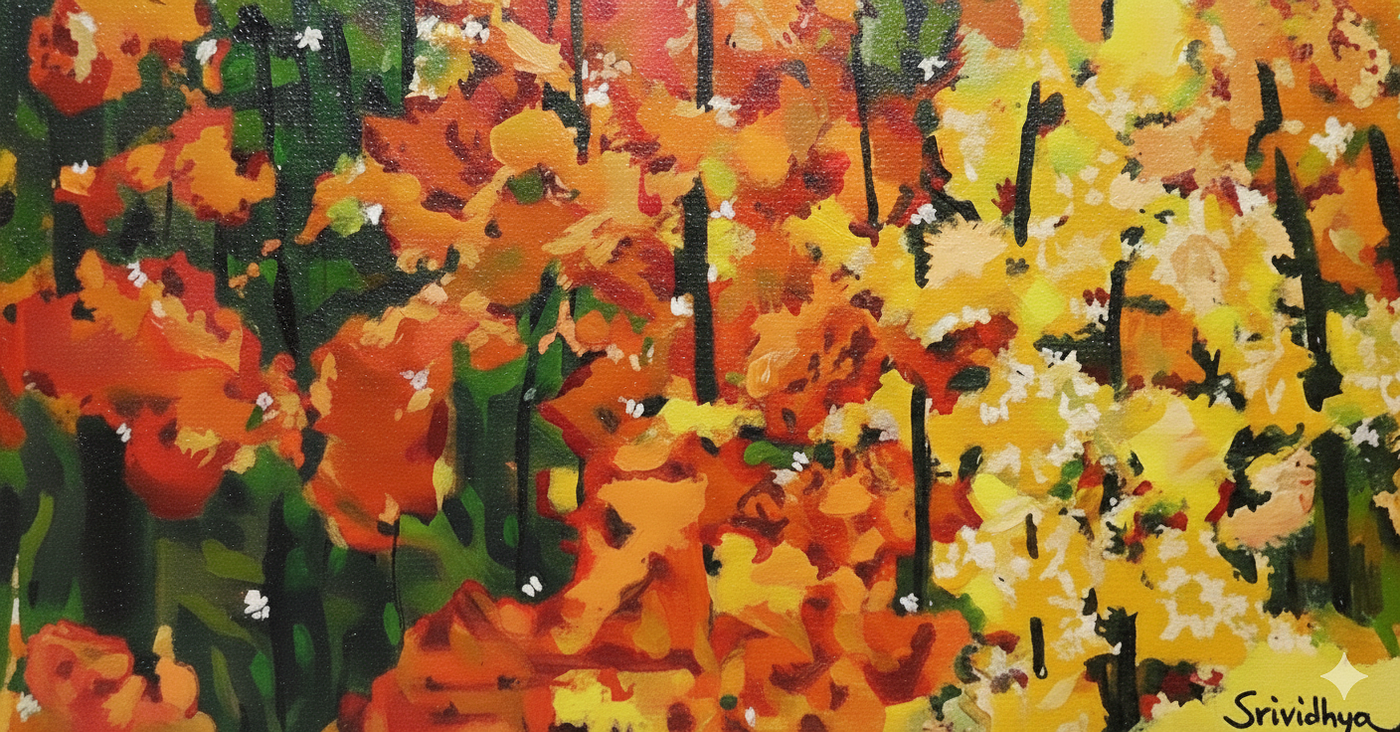
This may give me away as a millennial, but when I was growing up, kids were more likely to play with a set of sidewalk chalk than with an iPad. I started painting and drawing from a young age. Even though I didn’t pursue a full-time career in fine art, I’ve never lost my love for it — and in fact, it’s set me up for success in the job I did choose.
As a product designer, I’ve come to see the digital interface as my canvas. My background in painting taught me to view every screen not only as a set of features, but as a visual experience. The lessons learned from mixing paints and arranging elements on a canvas have become fundamental principles in my product design work.
The original CTA: colour theory in art
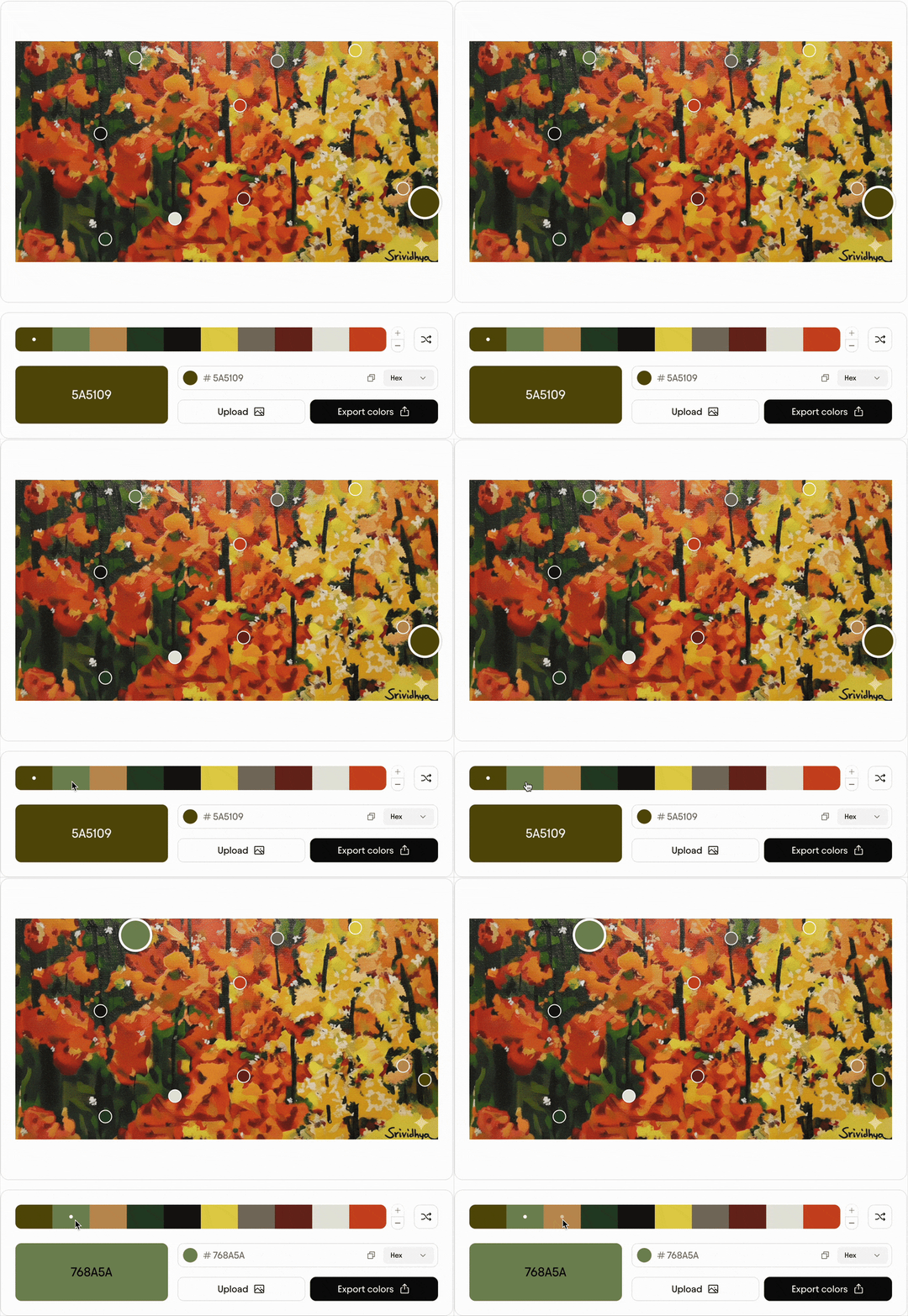
On the surface (pun intended?), choosing a colour palette for a UI might seem straightforward. But colour can communicate so much, which is why artists working in many different media have been studying and experimenting with colour for millennia.
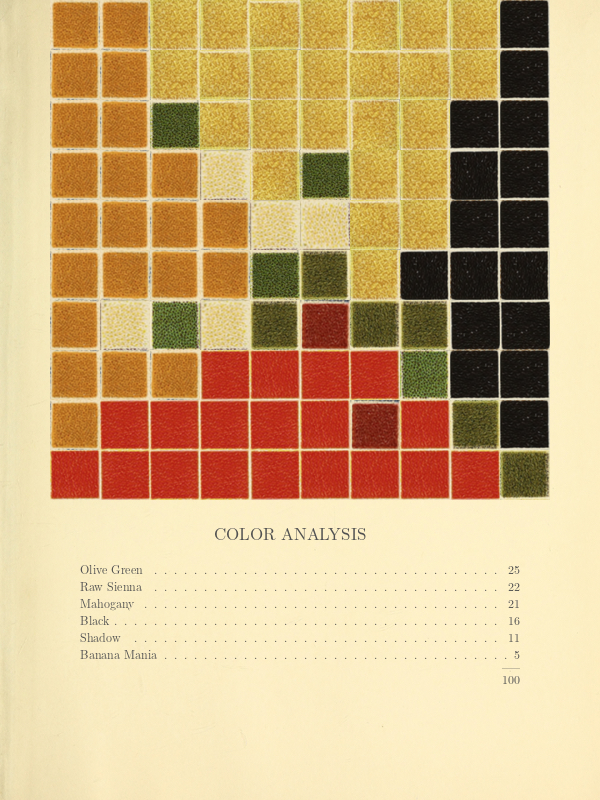
A colour analysis in the style of artist Emily Noyes Vanderpoel, made at https://colorproblems.art/
Despite its long history, my first colour theory lesson came from somewhere simpler: a box of crayons. My colouring books taught me early on that, for example, a single splash of red can command attention.
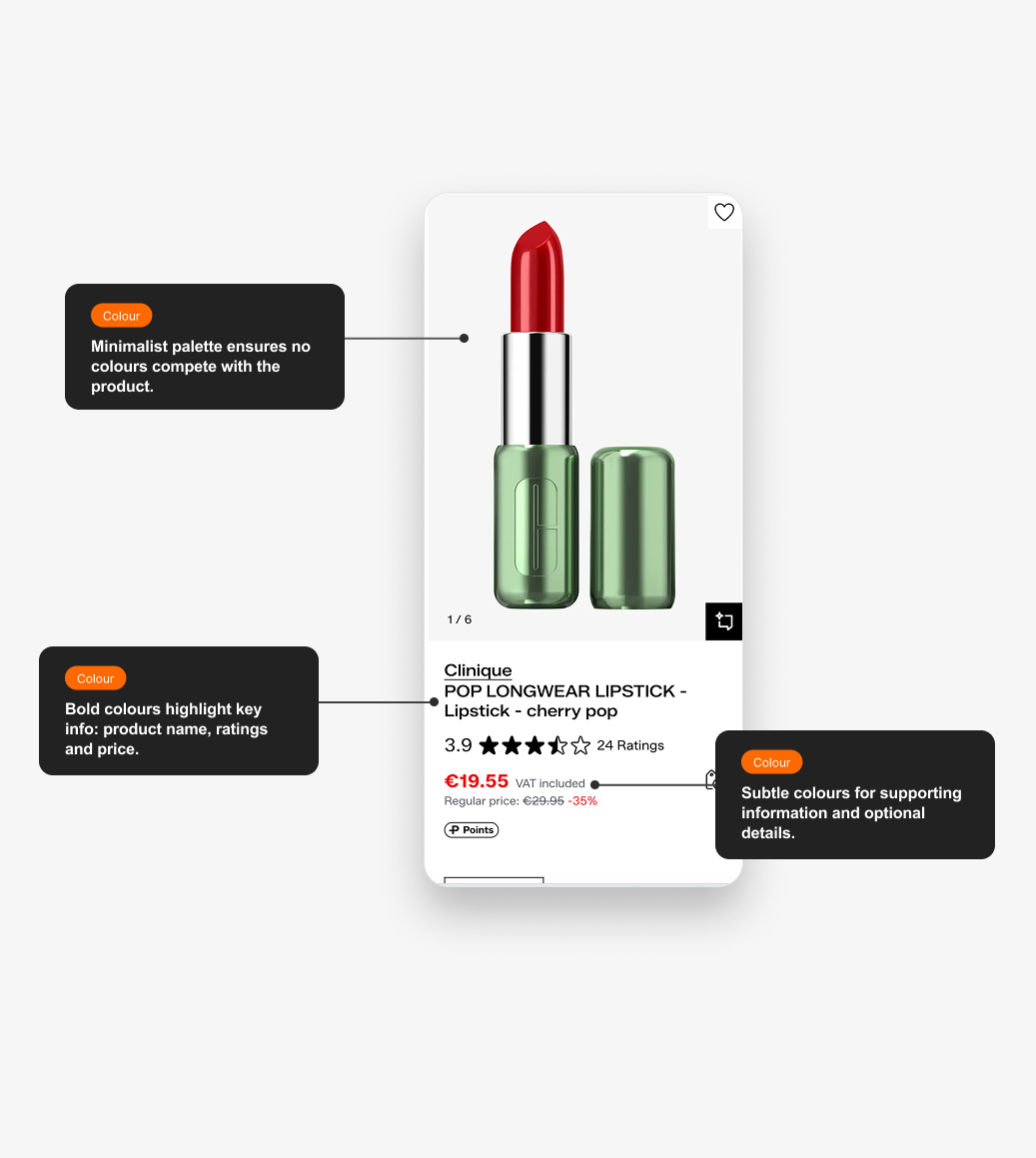
Showcasing how colour plays a key role on the product detail page (PDP)
This understanding of colour as a tool for communication directly translates to my work. I use it to establish and emphasise brand identity, ensure accessibility for all users and intentionally guide user attention. Just as I use a colour to create a specific mood or draw the eye to a focal point in a painting, as a designer, I use colour to tell a story and lead the user through the digital journey.
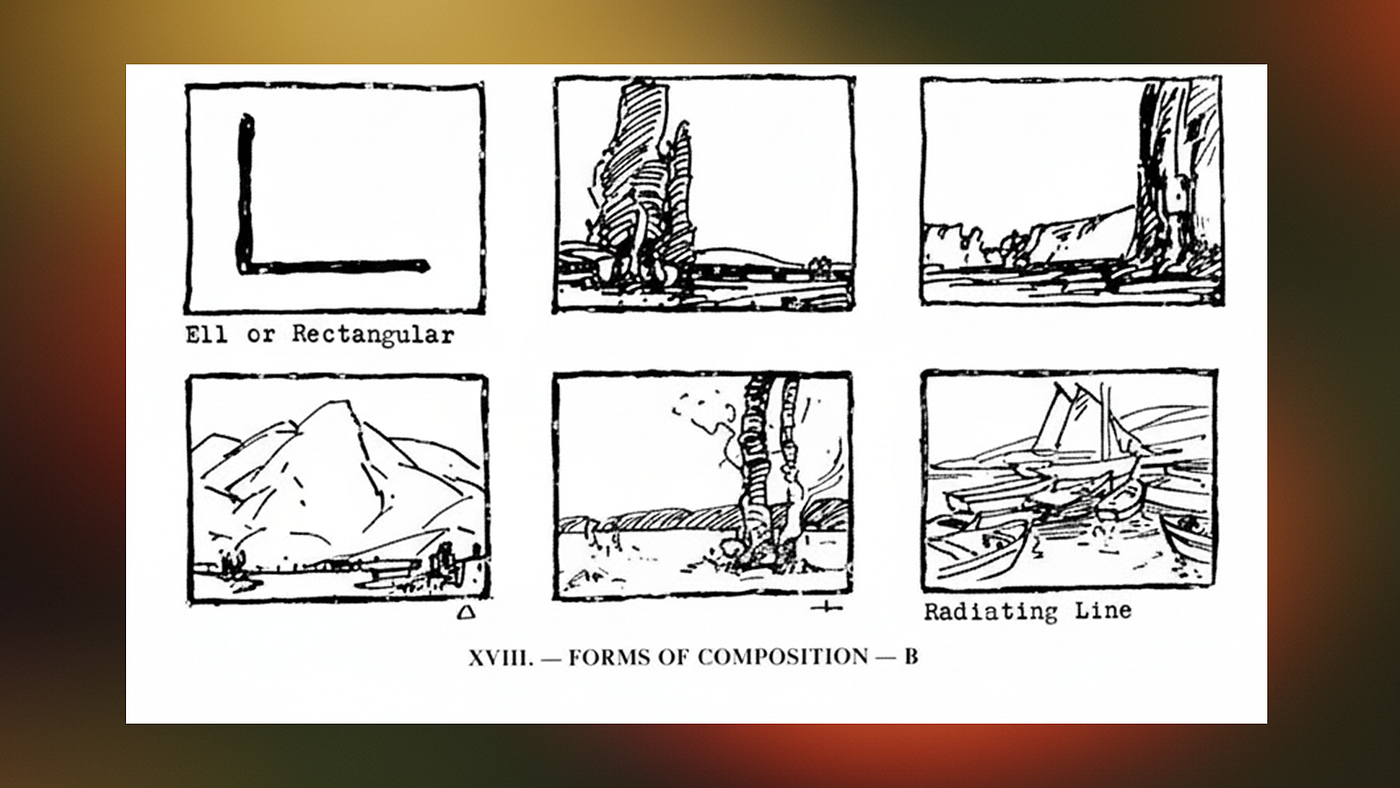
An example from Edgar Payne’s book “Composition in Outdoor Painting”
Composition and visual hierarchy, from the canvas to the screen
A painting can be more than just a collection of objects; experienced artists know how to build carefully composed scenes that have a clear flow. The arrangement of elements on a canvas — from the foreground to the background — creates a sense of balance and hierarchy.
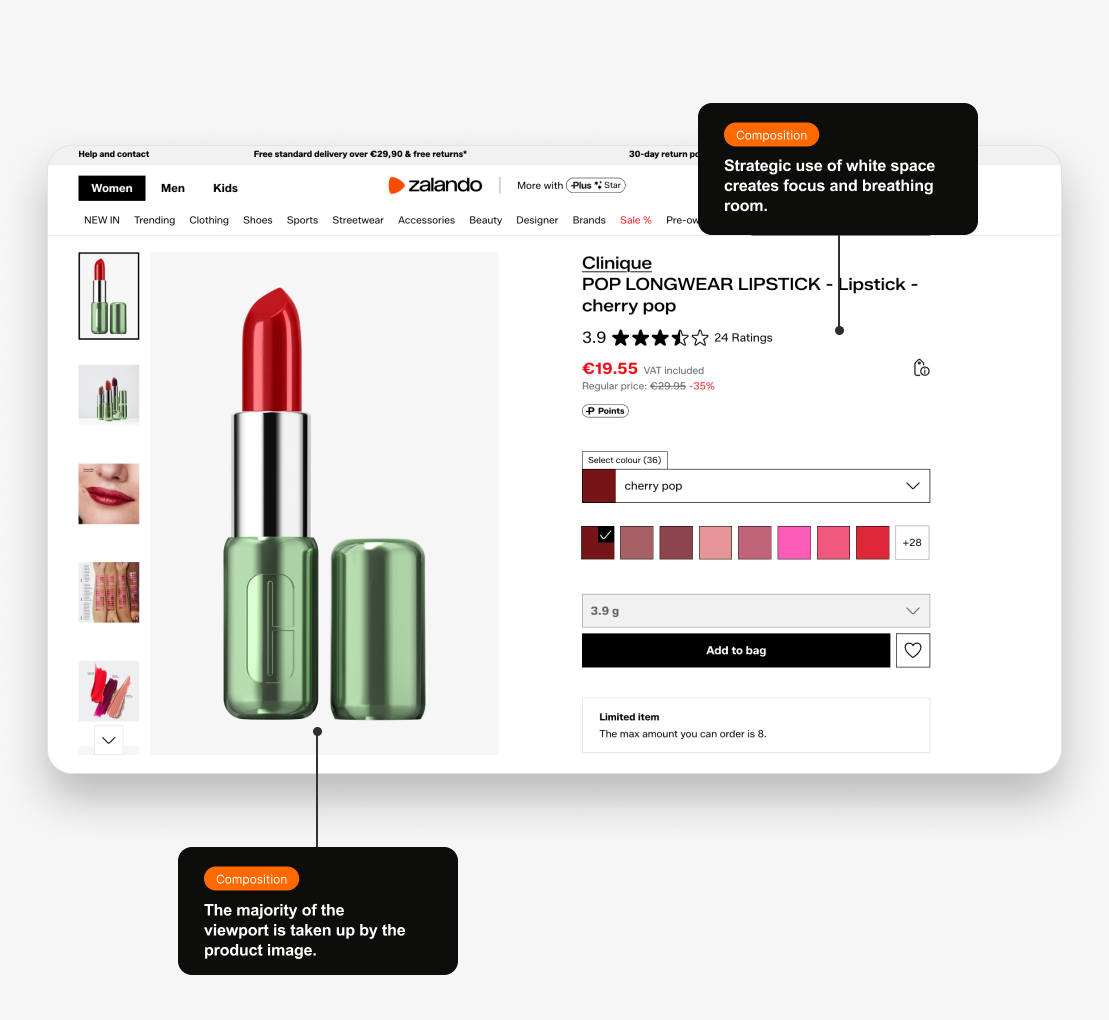
Example of a well-composed PDP
A well-composed painting is clearly structured and leads the eye. This is a skill I apply to my designs, too. For example, I use composition principles to make a screen layout that’s intuitive and guides a user through a task. By arranging UI components with purpose, it sets up a visual hierarchy that helps users understand what’s most important and how to navigate the interface.
Emotional storytelling = function and feeling
Perhaps the most profound lesson I learned from painting is how to convey emotion without a single word. Every brushstroke tells a story.
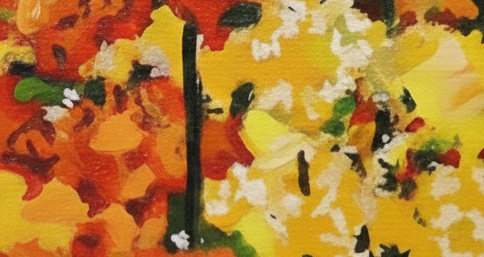
In product design, every pixel contributes to the user’s emotional journey. Each screen is full of deliberate choices, from the typeface, the size of a button or the background images to animations or symbols. As product designers, we think about all of it holistically.
This aspect builds on the theories of colour and composition. Carefully organized information, guided by colour and composition, directs attention and builds anticipation. At the same time, using consistent visual language builds familiarity and trust. These details come together for an experience that can resonate with users, making what would otherwise be a functional interaction into an emotionally engaging one.
First stop: sketchbook. Second stop: Figma.
Whether it’s a serene palette to create a sense of calm, or a burst of bold shapes to evoke excitement, my experience with visual art helps me design experiences thoughtfully. They can communicate ideas and information and still resonate on an emotional level. This is how we build trust, foster delight and create a genuine connection with our users.
The product design world benefits from designers who bring their whole selves — including their passions — to the table. The next time you’re facing a design challenge, don’t just reach for Figma. Perhaps pick up a paintbrush or sketchbook, rearrange your living room or simply try to observe the world with fresh eyes. You might be surprised at the insights waiting to be uncovered, all thanks to your unique and valuable palette of skills.
메타데이터
- post_id
- ca347a27c19d
- slug
- painter-turned-product-designer-the-fine-art-of-ux-ca347a27c19d
- url
- https://medium.com/zalando-design/painter-turned-product-designer-the-fine-art-of-ux-ca347a27c19d
- canonical_url
- https://medium.com/zalando-design/painter-turned-product-designer-the-fine-art-of-ux-ca347a27c19d
- author_url
- https://medium.com/@srividhya1291
- status
- ok
- fetched_at
- 2026-06-12 18:20:59