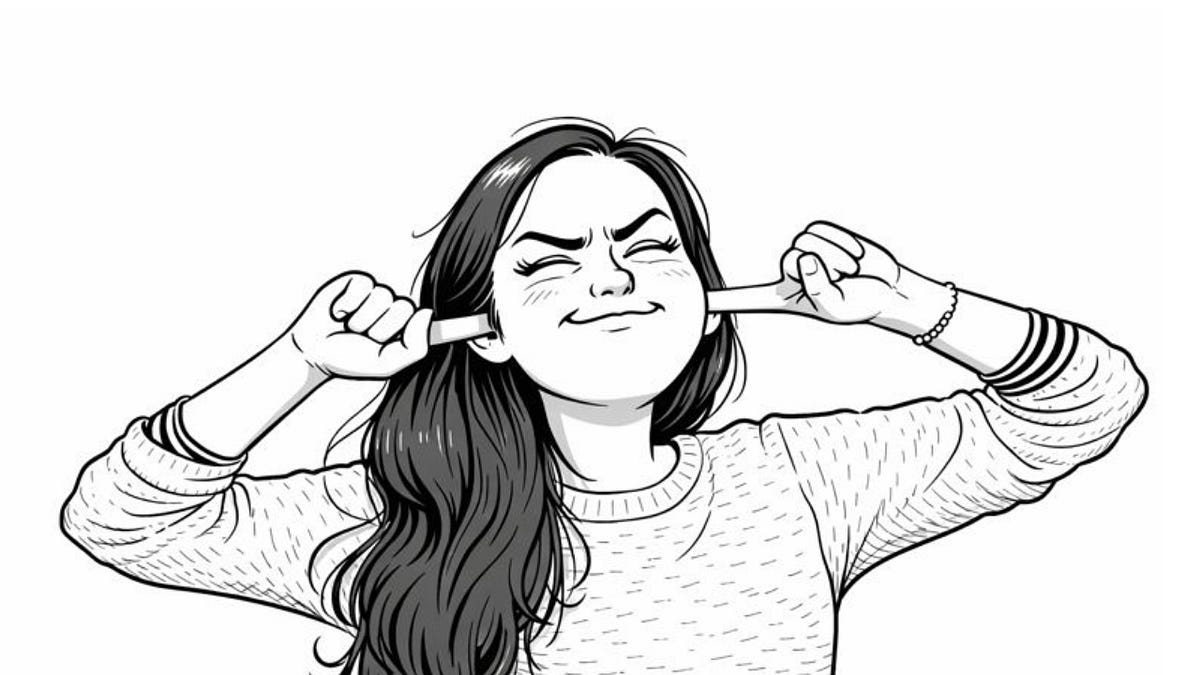
The advantage of writing songs that don’t beg for attention
Most songs are built to win a moment.
The advantage of writing songs that don’t beg for attention
Most songs are built to win a moment.
They announce themselves early. They reach for the hook quickly. They signal emotion clearly enough that no one has to sit with uncertainty for long. That logic made sense when attention was scarce and discovery was slow.
Now attention is everywhere. And that logic is starting to fail.
The real problem many listeners face isn’t finding music. It’s escaping music that won’t leave them alone. Songs that insist. Songs that push. Songs that try too hard to be felt immediately. In response, a quieter kind of writing has started to feel more effective than louder ambition.
Songs that don’t beg for attention don’t compete. They wait.
Why attention-seeking backfires now
When everything is optimized for instant impact, listeners develop a filter. Hooks blur together. Emotional declarations lose weight. Even vulnerability starts sounding rehearsed. Music becomes something to assess rather than inhabit.
What gets lost is trust.
Attention-seeking songs ask the listener to react. Songs that don’t beg for attention assume the listener is already present. That assumption changes everything. The writing slows down. The structure relaxes. Emotion isn’t rushed into clarity.
The song doesn’t say “look at me.” It says “I’ll be here if you need me.”
That posture is becoming increasingly valuable.
How restraint creates return
Songs that don’t push themselves forward tend to be built around repetition rather than progression. Choruses loop instead of escalate. Verses feel observational rather than declarative. The music doesn’t aim to resolve emotion. It aims to remain usable.
That usability is what creates return listening.
Someone like Rhye has built an entire catalog around this principle. The music doesn’t demand interpretation. It creates space. The emotional tone is steady enough that listeners know exactly when it fits. Not for excitement, but for presence.
The songs don’t chase relevance. They settle into routines.
A similar instinct shows up in the work of dvsn. Even when the production is polished, the emotional delivery remains unforced. There’s no rush to summarize the feeling. The songs trust that listeners who recognize themselves in the mood will come back without being prompted.
That trust changes the relationship.
Hoopper follows the same logic. The songs don’t compete for immediacy. They don’t announce emotional peaks. They allow repetition to do the work. Meaning arrives gradually, if at all. The listener isn’t guided toward a reaction. They’re allowed to sit inside the atmosphere.
That restraint isn’t a lack of ambition. It’s a different understanding of timing.
Music that doesn’t beg for attention often reaches listeners later, but it stays longer. It becomes associated with specific internal states rather than specific moments of discovery.
That association is hard to manufacture and easy to lose once it exists.
Why this approach scales differently
Attention-seeking music relies on compression. It needs to work in seconds. Songs built on restraint rely on context. They need the right hour, the right headspace, the right kind of listener.
That makes them slower to spread, but harder to replace.
Listeners don’t just like these songs. They return to them. They use them. They don’t outgrow them quickly because the music doesn’t exhaust itself.
In a landscape crowded with urgency, non-urgent music stands out quietly.
The real advantage
Writing songs that don’t beg for attention shifts the burden of connection. Instead of persuading the listener, the artist respects them. Instead of chasing reaction, the music creates availability.
That availability is what builds loyalty.
It’s not about being subtle for its own sake. It’s about understanding that attention today isn’t earned by shouting louder. It’s earned by knowing when to stop talking.
For artists willing to trust that instinct, the payoff isn’t immediate visibility. It’s longevity. Music that stays useful after the moment of discovery has passed.
And in an era obsessed with being noticed, that may be the most underrated advantage of all.

메타데이터
- post_id
- ca429ce4badd
- slug
- the-advantage-of-writing-songs-that-dont-beg-for-attention-ca429ce4badd
- url
- https://medium.com/@lucajackson/the-advantage-of-writing-songs-that-dont-beg-for-attention-ca429ce4badd
- canonical_url
- https://medium.com/@lucajackson/the-advantage-of-writing-songs-that-dont-beg-for-attention-ca429ce4badd
- author_url
- https://medium.com/@lucajackson
- status
- ok
- fetched_at
- 2026-07-13 06:23:13