Why Education in the Amazon Costs More: Understanding Territorial Inequality in Peru
In remote Amazonian communities of Peru, education operates under conditions fundamentally different from those in urban and coastal areas…
Why Education in the Amazon Costs More: Understanding Territorial Inequality in Peru
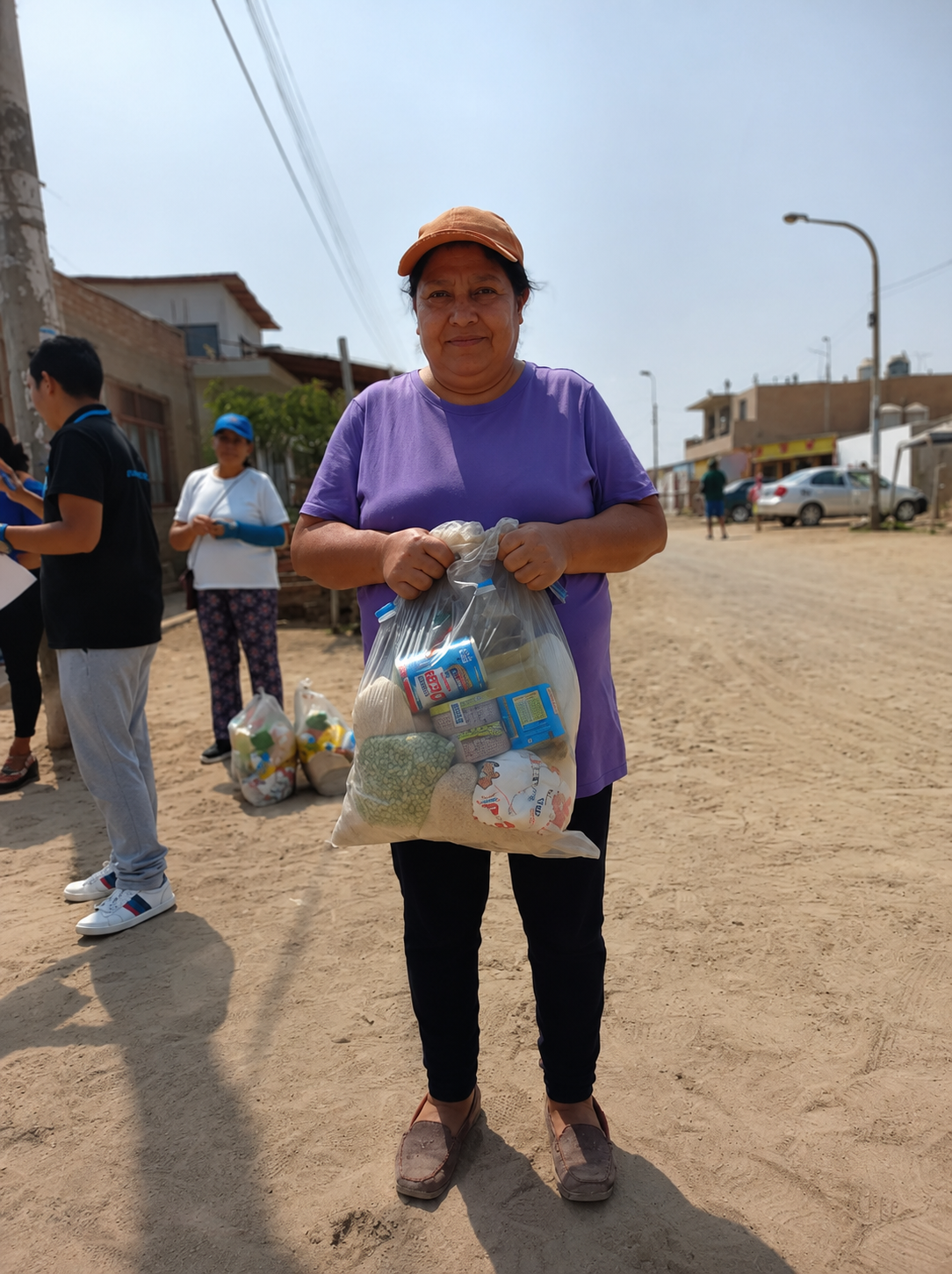
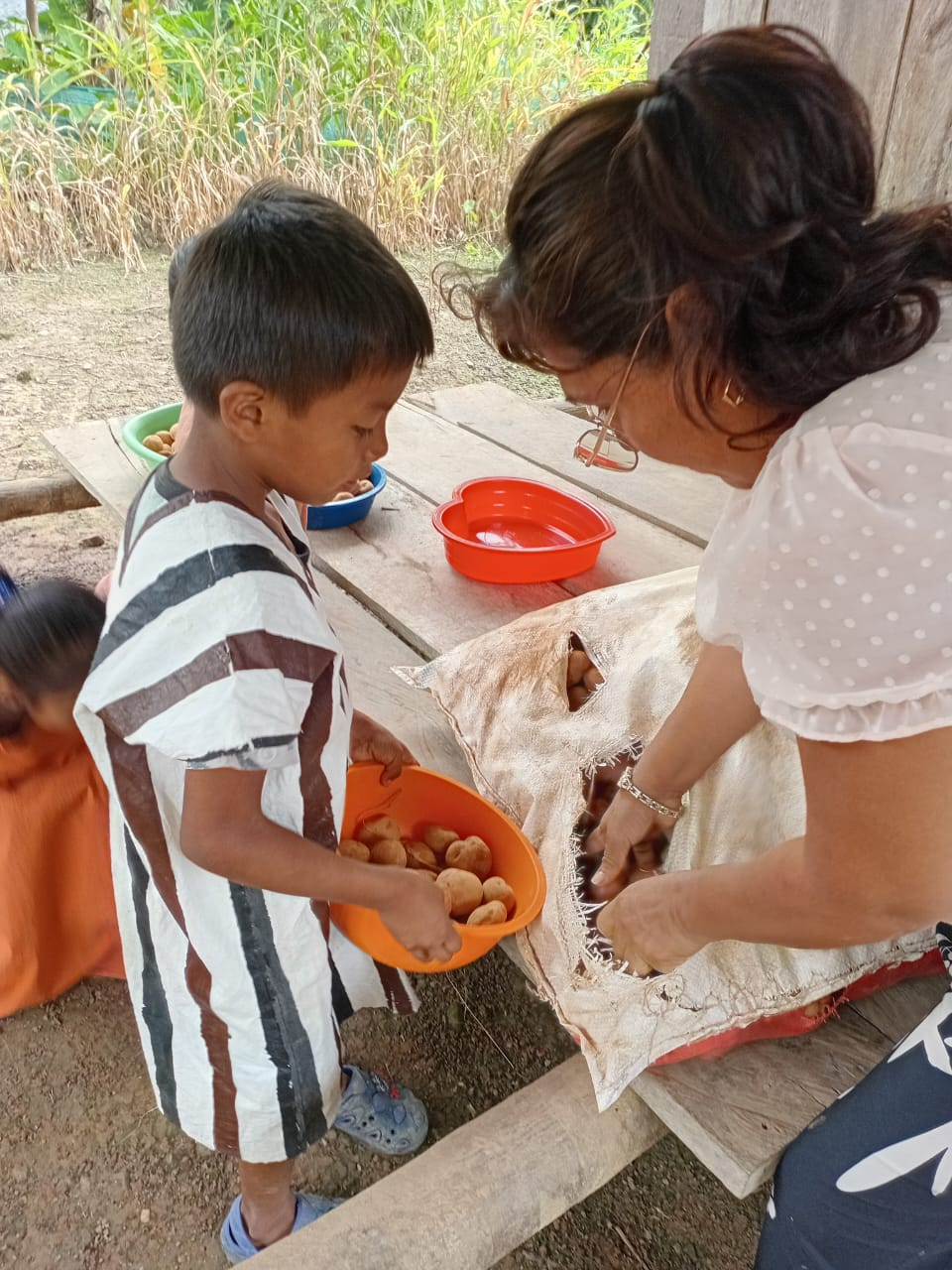
In remote Amazonian communities of Peru, education operates under conditions fundamentally different from those in urban and coastal areas. Many villages are accessible only by river or via limited, seasonal road networks. This geographic isolation directly increases the cost of delivering education, placing education in the Amazon well above the national average in terms of per-student investment.
Transporting teachers, textbooks, learning materials, and basic infrastructure requires complex logistics, longer travel times, and higher fuel and maintenance costs. These are not occasional challenges — they are structural conditions that shape everyday educational delivery. For families, indirect costs such as time spent traveling, reduced access to complementary services, and opportunity costs linked to subsistence livelihoods further complicate access to education.

These realities represent a clear case of education inequality rooted in territorial exclusion rather than cultural practices or family decisions. Rural and indigenous education systems in the Amazon have historically faced underinvestment despite operating in high-cost environments. When this structural context is overlooked, education gaps are often misattributed, weakening effective responses.
The consequences are tangible. Children in the Amazon, particularly indigenous girls and adolescents, face higher risks of irregular attendance and school dropout. Long and unsafe travel routes, household responsibilities, and limited institutional support intersect with distance and cost, reinforcing patterns of exclusion. These education barriers are cumulative and require proportionate, evidence-based solutions.
Addressing these challenges demands education strategies tailored to Amazonian realities — approaches that acknowledge higher operational costs, prioritize intercultural relevance, and protect children’s rights. Strengthening rural and indigenous education is not an exception to development policy; it is essential for equity, social cohesion, and sustainable development in Peru.
To learn how targeted, evidence-based education initiatives are reducing these structural barriers and expanding equitable access for children in remote Amazonian communities, visit: https://agapehands.org/now-is-the-time-education-for-lasting-change/
메타데이터
- post_id
- ca8d0f5d4455
- slug
- why-education-in-the-amazon-costs-more-understanding-territorial-inequality-in-peru-ca8d0f5d4455
- url
- https://medium.com/@agapehand/why-education-in-the-amazon-costs-more-understanding-territorial-inequality-in-peru-ca8d0f5d4455
- canonical_url
- https://medium.com/@agapehand/why-education-in-the-amazon-costs-more-understanding-territorial-inequality-in-peru-ca8d0f5d4455
- author_url
- https://medium.com/@agapehand
- status
- ok
- fetched_at
- 2026-07-27 09:11:26