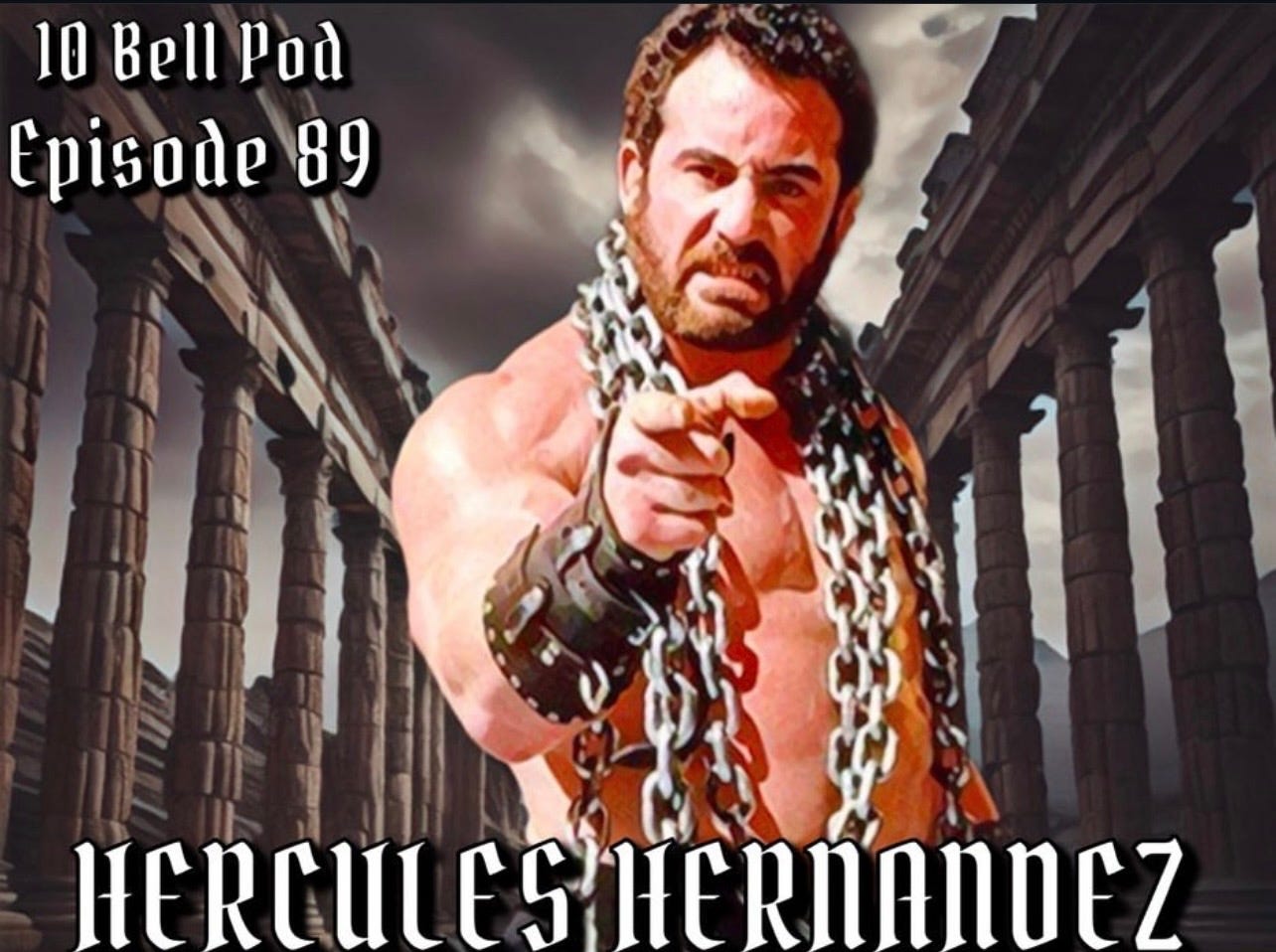
Hercules Hernandez: The Type Of Wrestler That Held the Whole Thing Together
There are wrestlers you remember because they were pushed. There are wrestlers you remember because they were loud. Then there are…
Hercules Hernandez: The Type Of Wrestler That Held the Whole Thing Together
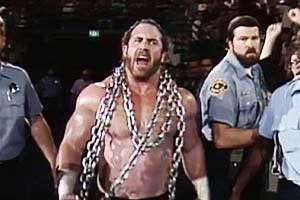
There are wrestlers you remember because they were pushed. There are wrestlers you remember because they were loud. Then there are wrestlers like Hercules Hernandez, the ones who don’t sit at the top of the mountain, but quietly hold the mountain up.
Hercules wasn’t always the main event. He was the reason the main event worked.
Before the Spotlight, There Was the Work
Ray Fernandez didn’t come into wrestling through a spotlight. He took the long road, the version of the business you had to survive.
He trained under Hiro Matsuda, which already tells you everything you need to know. That wasn’t a school. That was a filter. If you made it through Matsuda, you weren’t just trained, you were accepted.
From there, Hercules did what wrestlers used to do before national TV made everything neat and packaged. He worked everywhere: Florida. Texas. Kansas City. Japan.
Sometimes twice in a day. Sometimes against completely different styles of opponents in completely different environments. One night you’re working a gritty southern crowd that wants a fight, the next you’re in front of a technical audience that wants precision.
That’s how Hercules was built durability.
A Name That Had to Carry Weight
“Hercules Hernandez” wasn’t ironic. It was a promise.
Back when posters didn’t always have photos, your name had to do the work. That name told fans exactly what they were getting: a massive, powerful, intimidating presence who was going to look like he belonged the second he stepped through the curtain. Herc absolutely did.
The physique was undeniable, thee presence was immediate, but what made him valuable wasn’t just how he looked, it was that he could actually work. That combination is rarer than people think.
The Territory Machine
In the territories, Hercules wasn’t a project. He was a solution.
Promoters could plug him into almost anything. He could tag, he could feud, he could headline smaller towns, he could work programs that mattered without needing to be protected like glass.
Hercules wrestled names like Harley Race and moved through systems where respect wasn’t given, it was quietly understood. That’s the key to understanding him. Hercules didn’t build his career on moments. He built it on volume and consistency.
WWF: Where Roles Became Reality
When Hercules hit the WWF, the game changed. This wasn’t the territories anymore. This was television. This was branding. This was hierarchy.
In that system, Hercules found his role almost immediately. He became the test.
If you were climbing the ladder, you went through Hercules. If you beat him, it meant something to the means. It meant you were ready for the next level.
He stood across from Hulk Hogan, and that alone tells you where he sat in the ecosystem. You don’t put just anyone in that position. You put someone reliable. Someone believable. Someone who won’t break the illusion. That was Hercules.
The Almost Breakthrough
For a moment, it looked like things might shift.
Power and Glory, his tag team with Paul Roma felt different. They looked like something the company could build around. They had chemistry, a distinct presentation, and offense that was ahead of its time.
You can still see pieces of what they were doing echo in modern tag wrestling, butthey weren’t the company’s idea. Unfortunately, that matters more than it should.
So instead of becoming a cornerstone, they became a footnote. Not because they failed, but because they were never fully allowed to succeed.
The Fade Isn’t Always Dramatic
Hercules didn’t rage quit. He didn’t implode. He didn’t become a cautionary tale. He just… drifted.
That’s the part of wrestling history that doesn’t get talked about enough. Not every career ends in tragedy or triumph. Some just taper off as the machine moves on to the next thing.
By the early 90s, the role he had mastered wasn’t needed in the same way anymore. The business was changing. The pace was changing. The presentation was changing.
And Hercules, who had spent his career adapting, finally reached a point where adaptation wasn’t enough to keep him central.
What He Actually Was
If you strip everything else away: gimmicks, booking, missed opportunities, you’re left with something pretty simple.
Hercules Hernandez was a professional wrestler in the purest sense of the term. Not a character first. Not a brand. A pro wrestler.
He could: Work anywhere, wrestle anyone, fill whatever role the show needed, and he did it without needing the industry to revolve around him.
Wrestling history tends to remember peak, but the business has never been built on peaks. It’s built on the people who make those peaks possible. Hercules was one of those people.
The guy who made wins matter. The guy who made stars look like stars.
The guy who could walk into any building, anywhere in the world, and do exactly what needed to be done.
메타데이터
- post_id
- caa9cdcff8ea
- slug
- hercules-hernandez-the-tyler-of-wrestler-that-held-the-whole-thing-together-caa9cdcff8ea
- url
- https://medium.com/@10bellpod/hercules-hernandez-the-tyler-of-wrestler-that-held-the-whole-thing-together-caa9cdcff8ea
- canonical_url
- https://medium.com/@10bellpod/hercules-hernandez-the-tyler-of-wrestler-that-held-the-whole-thing-together-caa9cdcff8ea
- author_url
- https://medium.com/@10bellpod
- status
- ok
- fetched_at
- 2026-06-16 19:09:56