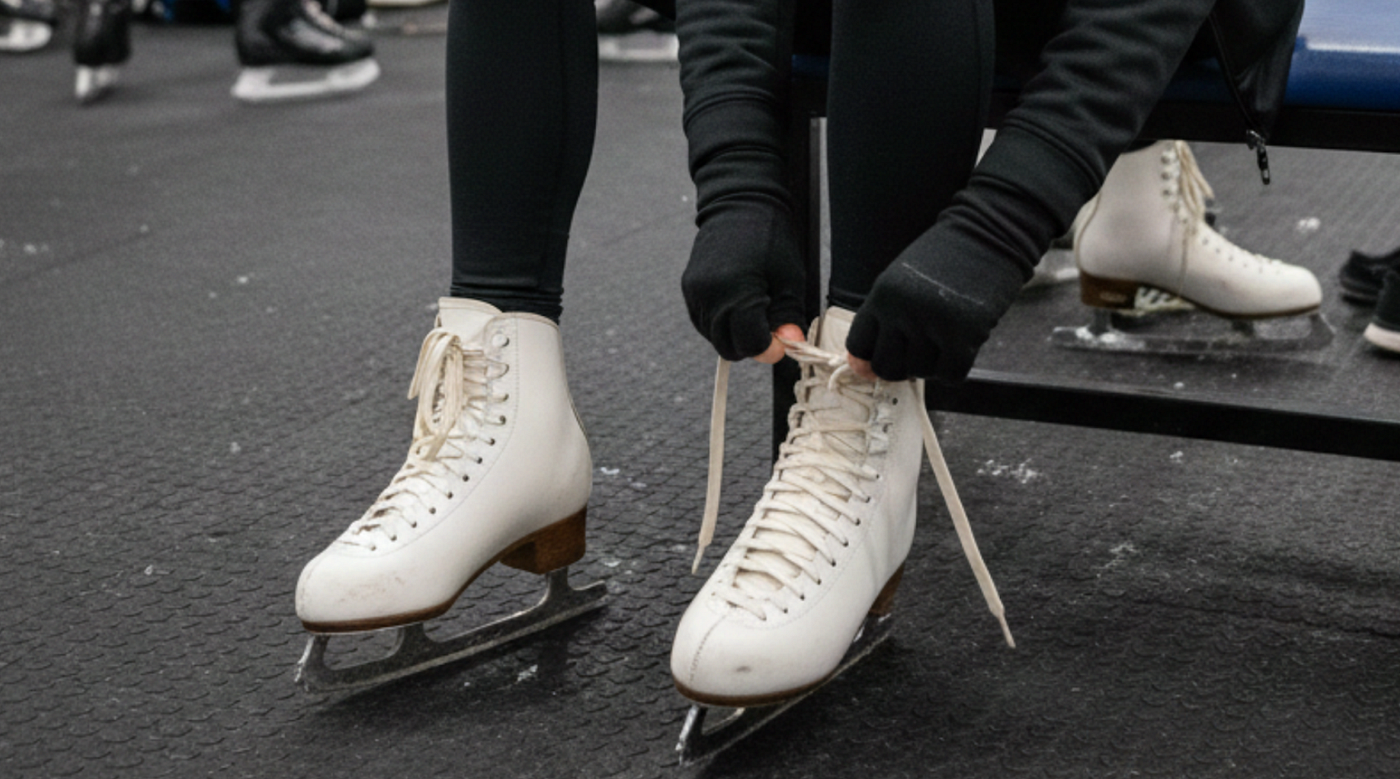
Jumps vs. Art: The Battle for the Future of the Ice.
A few months ago, I was standing rink-side watching a competition warm-up when a younger skater asked me a question that honestly stayed in…
Jumps vs. Art: The Battle for the Future of the Ice.
A few months ago, I was standing rink-side watching a competition warm-up when a younger skater asked me a question that honestly stayed in my head for days afterward.
“Coach… if I don’t have triples yet, does artistry even matter anymore?”
That sentence made me a little sad.
Not because the skater was being dramatic — although figure skaters are naturally gifted at dramatic behavior — but because the question reflects something happening across the sport right now. More and more young athletes are starting to believe that skating exists mainly for jumps. Everything else becomes secondary. Performance quality, musicality, skating skills, emotional projection, choreography — sometimes they feel treated almost like decorative accessories attached to technical content.
And to be fair, I understand why.
Modern figure skating has become incredibly technical. The athletic level today is unbelievable compared to previous generations. The speed, rotation, power, and difficulty happening in current skating are genuinely extraordinary. Watching elite skaters launch quadruple jumps sometimes feels less like sport and more like physics ignoring common sense.
But at the same time, many coaches, skaters, choreographers, and fans are asking the same question:
Are we slowly losing the artistic soul of skating in the process?
As someone who has coached figure skating for years, I think the answer is complicated.
The Sport Became Faster, Harder, and More Demanding
First, it is important to acknowledge reality.
Jumps matter because they are difficult. Very difficult.
The amount of athleticism required in modern skating is enormous. Today’s elite athletes train like high-performance competitors in every sense of the word. Off-ice conditioning, jump harnesses, strength work, recovery systems, sports psychology, nutrition plans — skating has evolved into an incredibly advanced athletic environment.
And honestly, it had to evolve.
The technical progression of the sport is exciting. Watching athletes push human limits is part of what makes skating fascinating in the first place. When a skater lands a huge jump combination under pressure, audiences react because they understand instinctively that they just witnessed something difficult and risky.
That excitement is real.
But somewhere during this technical evolution, many people started feeling that programs themselves became emotionally emptier. Not always — there are still beautifully balanced skaters — but often enough that the conversation keeps returning every season.
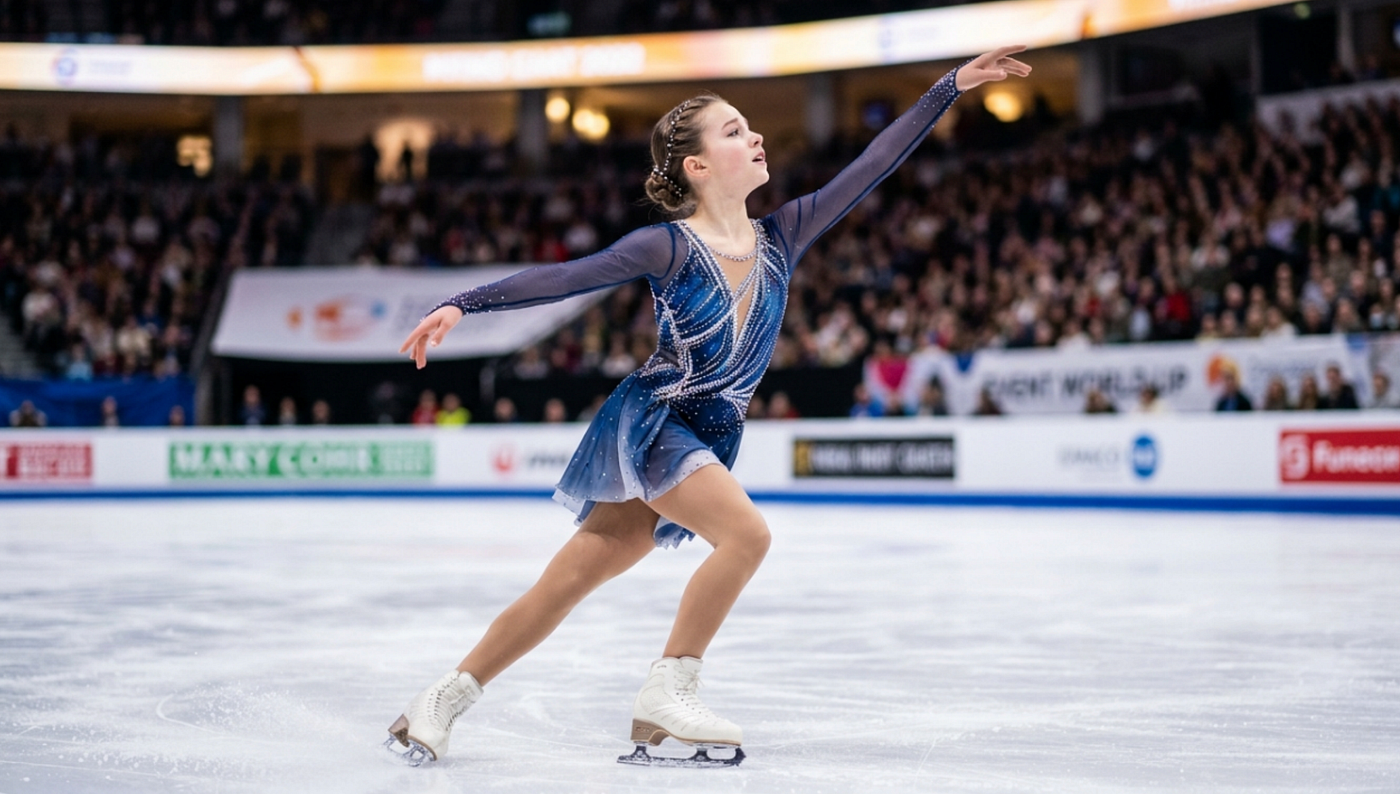
When Programs Start Looking Like Jump Layouts With Music Attached
This is the criticism I hear most often from audiences.
Sometimes programs begin to feel constructed entirely around technical checkpoints. Jump. Crossovers. Jump. Setup. Spin. Transition. Another jump. Slight emotional face expression. More crossovers.
Technically impressive? Absolutely.
Emotionally memorable? Not always.
The problem is not that jumps exist. The problem is when the entire program begins revolving around survival rather than performance. Some skaters become so focused on maximizing technical value that they stop fully skating through the music.
You can actually see the mental shift happen sometimes during programs. A skater performs beautifully until approaching a difficult jump pass, and suddenly the choreography disappears entirely because the brain enters “please survive this combination” mode.
Again, understandable. Triple and quadruple jumps are terrifying enough already.
But figure skating was never meant to feel like a jumping competition interrupted occasionally by choreography.
Artistry Is Harder Than People Think
One thing that frustrates me slightly is when people speak about artistry as if it is simply “smiling with pretty arms.”
Good artistry is incredibly difficult.
Real performance quality requires body awareness, musical timing, emotional confidence, projection, interpretation, control, and maturity. Some technically brilliant skaters genuinely struggle artistically not because they are lazy, but because performing authentically in front of thousands of people is psychologically uncomfortable.
And honestly, teenagers already feel awkward existing in public normally.
Now imagine asking them to express deep emotional interpretation while rotating three times in the air wearing rhinestones under arena lighting.
Suddenly it sounds much harder.
Artistry also develops more slowly than jumps in many cases. Young skaters can learn rotation mechanics relatively early, but musical understanding and emotional depth often take years to mature naturally.
That is why I sometimes think the skating world becomes impatient with artistry development. We expect sixteen-year-olds to emotionally interpret music with the depth of professional dancers while still managing impossible technical layouts.
That balance is not easy.
Why I Started Thinking Differently About Artistic Training
Over the last couple of years, I started paying much more attention to how artistic skills are taught outside traditional skating lessons.
That is actually one reason I became interested in the VSA (platform for figure skaters), which I used a few times both personally and with some students. Initially I expected another typical online skating platform focused mostly on jumps and conditioning because honestly, that is what most skating education online looks like now.
But what surprised me was how much attention they gave to artistic development specifically for figure skaters.
They have online acting classes designed for skaters, music-related classes focused on musical understanding and interpretation, and choreography sessions built specifically around skating movement rather than generic dance exercises. I remember thinking it was one of the first times I had seen an online skating academy treat artistry as something trainable and important rather than just “extra.”
And from a coaching perspective, it actually makes enormous sense.
Figure skating is performance under pressure. Acting training helps athletes project emotion naturally. Music classes improve rhythm awareness and interpretation. Choreography designed specifically for skaters teaches movement quality that translates directly onto the ice.
Honestly, after exploring some of it myself, I started wishing more young skaters trained these areas earlier instead of waiting until they already had all their jumps.
Because artistry is not something athletes magically develop overnight at age eighteen. You can check it yourself. Click here.
The Judging System Also Shapes Skating Culture
We also cannot discuss this topic honestly without talking about judging.
Athletes and coaches naturally prioritize what earns points.
If technical difficulty consistently creates major scoring advantages, training environments will shift toward technical focus. That is not because coaches hate artistry. It is because competitive systems influence athlete behavior.
And realistically, if one skater lands multiple difficult jumps cleanly while another skater performs beautifully but lacks technical content, the scoring gap becomes difficult to ignore strategically.
This creates pressure throughout the entire skating world.
Young athletes notice what wins. Parents notice what wins. Coaches notice what wins. Suddenly every rink becomes obsessed with maximizing technical progression as early as possible.
Sometimes even at the expense of body health or emotional balance.
The Skaters Who Usually Stay Memorable
Here is something interesting though.
When fans remember legendary skaters years later, they usually remember more than jumps.
People remember programs that made them feel something.
They remember musical moments, performance quality, emotional connection, unique movement styles, unforgettable choreography, beautiful skating skills, and personalities that felt distinct on the ice.
Technical content matters enormously in competition. Of course it does.
But artistry creates identity.
Without artistry, many programs begin blending together technically. The jumps may differ in difficulty, but emotionally the performances can start feeling interchangeable.
The skaters who truly stay in people’s memories are usually the ones who combine athletic brilliance with emotional presence.
That combination is rare. But when it happens, everyone feels it immediately.
Young Skaters Are Feeling More Pressure Than Ever
One thing I worry about slightly is how early artistic confidence disappears in some young skaters now.
Small children naturally perform without fear. They skate dramatically, smile genuinely, improvise movements, and enjoy music instinctively. Then technical pressure increases, social media comparisons appear, competitions become more serious, and suddenly many skaters become emotionally cautious.
Everything starts revolving around mistakes.
You can almost see some athletes becoming afraid to fully perform because they are so mentally occupied with technical survival.
That is unfortunate because artistry actually helps performance under pressure when developed properly. Athletes who feel connected to music often skate with more flow, confidence, and natural timing overall.
Performance quality and technical skating do not have to be enemies.
The best skating happens when they support each other.
So… Is Skating Becoming Too Much About Jumps?
Sometimes, yes.
But I also think the conversation becomes overly dramatic occasionally. Figure skating is still evolving, and every era of the sport has faced criticism about what was being prioritized.
The real issue is not jumps themselves.
The issue is balance.
Jumps should amaze audiences. They should push athletic limits. They should continue evolving. Watching technical progression is part of why people love modern skating.
But artistry cannot become an afterthought.
Because without emotional connection, skating risks losing the very thing that separates it from pure athletic competition. The sport was always meant to combine athleticism and art together.
That combination is what makes figure skating special in the first place.
Not just rotation speed. Not just choreography. Not just difficulty. Not just emotion.
All of it together. That is the magic people keep coming back to watch.
메타데이터
- post_id
- caef363158ab
- slug
- jumps-vs-art-the-battle-for-the-future-of-the-ice-caef363158ab
- url
- https://medium.com/@figureskatingmylove/jumps-vs-art-the-battle-for-the-future-of-the-ice-caef363158ab
- canonical_url
- https://medium.com/@figureskatingmylove/jumps-vs-art-the-battle-for-the-future-of-the-ice-caef363158ab
- author_url
- https://medium.com/@figureskatingmylove
- status
- ok
- fetched_at
- 2026-06-18 07:02:39