Mandatory Training Courses for Healthcare Assistants That Improve Inspection Outcomes
Healthcare assistants work at the heart of patient care. They help people eat, move, wash, speak, and feel safe during some of the most…
Mandatory Training Courses for Healthcare Assistants That Improve Inspection Outcomes

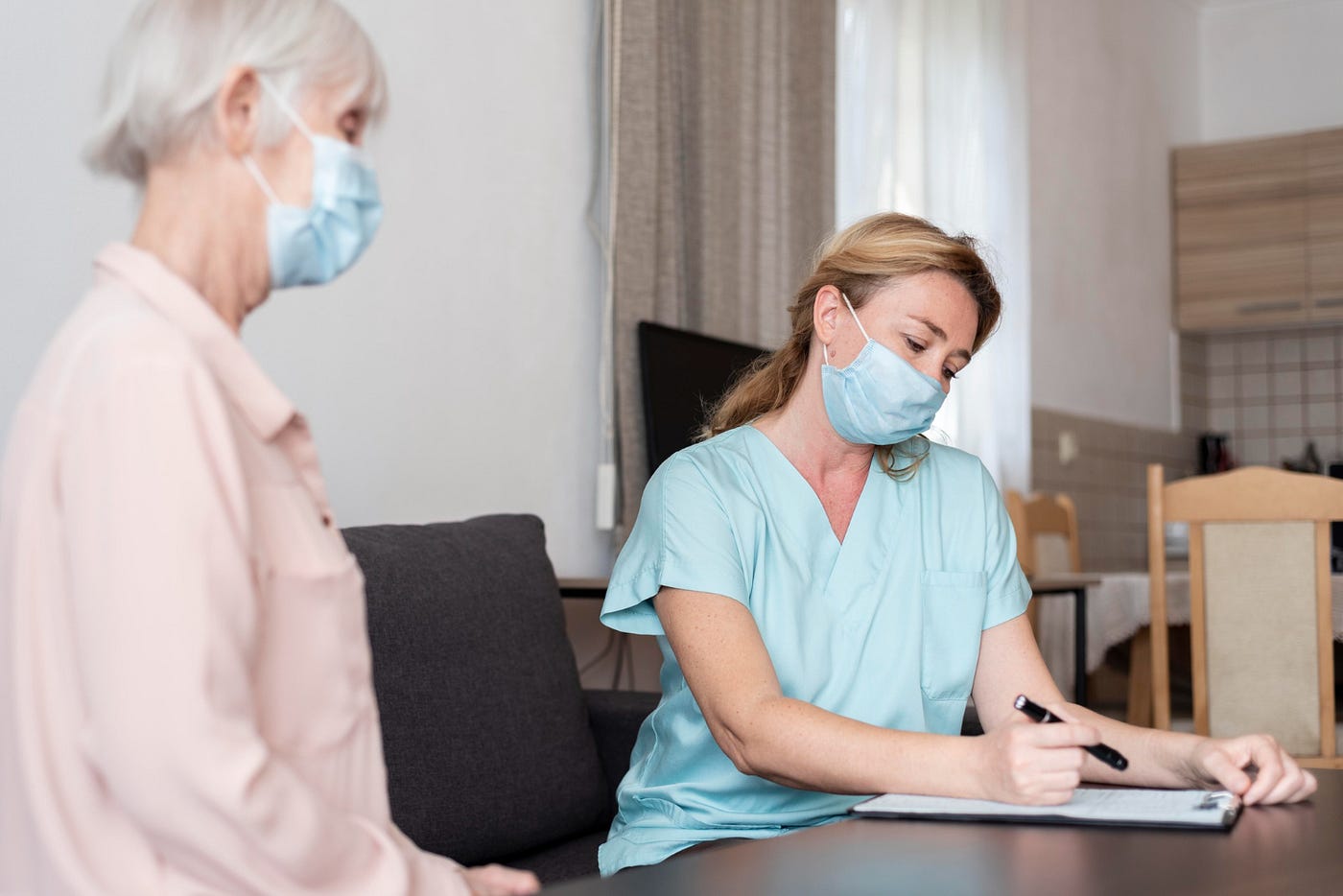
Healthcare assistants work at the heart of patient care. They help people eat, move, wash, speak, and feel safe during some of the most difficult moments of their lives. Yet many care homes and healthcare providers still struggle with inconsistent training. This leads to medication errors, avoidable infections, poor communication, safeguarding failures, and emotional distress for patients and families.
The solution is not just more training, but the right mandatory training delivered with clarity, practical understanding, and accountability. When healthcare assistants receive structured, real world focused education, patient safety improves, staff confidence grows, and care standards rise across the organisation.
In my experience working alongside care providers and reviewing compliance frameworks in the UK and GCC healthcare sectors, facilities that invest in structured mandatory training see fewer incident reports, better CQC inspection outcomes, and stronger staff retention. Training is not paperwork. It is protection for patients and protection for the organisation.
This guide explains the essential mandatory training courses for healthcare assistants and why each one matters in real care settings.
Why Mandatory Training Is Critical in Healthcare
Healthcare assistants often spend more time with patients than anyone else. They notice early signs of infection, emotional distress, mobility decline, or medication reactions. Without proper training, small warning signs can be missed.
According to NHS patient safety reports, preventable harm in care settings often links back to gaps in communication, safeguarding awareness, infection control, and medication handling. Mandatory training creates a shared standard. It ensures every healthcare assistant understands their role, legal responsibilities, and practical duties.
It also builds trust. Families want reassurance that their loved ones are cared for by trained professionals. Regulators require documented compliance. Managers need staff who can respond calmly and correctly in sensitive situations.
Mandatory training is the foundation of safe care.
Adult Safeguarding
Adult safeguarding training teaches healthcare assistants how to recognise abuse, neglect, exploitation, and self neglect. Abuse is not always visible. It can be emotional, financial, psychological, or institutional.
In one residential facility I reviewed, a trained healthcare assistant identified unusual withdrawal behaviour in a patient. Because of safeguarding training, she reported concerns correctly. Investigation later confirmed financial exploitation by a relative. Early reporting protected the patient from further harm.
Adult safeguarding training covers recognising signs, understanding reporting procedures, confidentiality, and legal responsibilities. It empowers staff to act confidently and ethically.
Moving and Handling in Care Settings
Manual handling injuries are common in healthcare. Poor lifting techniques can harm both patients and staff.
This training teaches safe transfer methods, correct use of hoists, slide sheets, and mobility aids. It reduces workplace injuries and protects patient dignity.
Facilities that implement strong moving and handling programs report fewer staff sick leaves due to musculoskeletal injuries. That improves staffing stability and continuity of care.
End of Life Care
End of life care requires sensitivity, emotional intelligence, and clinical awareness. Healthcare assistants often support patients and families during their final days.
Training in this area covers comfort care, communication with families, recognising signs of deterioration, and maintaining dignity. It also prepares staff emotionally.
I have seen how trained assistants can transform the experience of a grieving family simply by knowing how to speak calmly and respectfully during difficult moments. End of life care training ensures patients pass with dignity and compassion.
Dementia Awareness
Dementia care is not just about memory loss. It involves understanding behavioural changes, communication barriers, confusion, and emotional responses.
Dementia awareness training helps assistants respond with patience rather than frustration. It teaches practical strategies such as using simple language, maintaining eye contact, and creating safe environments.
Care homes with strong dementia training programs often report fewer behavioural incidents and reduced reliance on medication for agitation.
Infection Prevention and Control
Infection outbreaks in care settings can spread quickly. Training in infection prevention covers hand hygiene, personal protective equipment, waste disposal, cleaning protocols, and isolation procedures.
During the pandemic, facilities with well trained staff adapted faster to evolving infection control guidelines. Proper training saves lives and protects staff.
Even simple compliance with hand hygiene protocols significantly reduces healthcare associated infections.
Medication Administration and Management
Medication errors remain one of the most reported incidents in healthcare. Even minor mistakes can have serious consequences.
Medication administration training ensures assistants understand dosage checks, documentation procedures, safe storage, and recognising adverse reactions.
In regulated settings, medication competency assessments are often required before staff can administer medicines independently. This protects both patients and the organisation.
Mental Health Awareness
Patients in healthcare settings often experience anxiety, depression, trauma, or confusion. Mental health awareness training helps assistants recognise warning signs and respond appropriately.
It also teaches de escalation techniques and respectful communication. In mental health units and elderly care settings, this training reduces conflict and improves patient cooperation.
Understanding mental health also protects staff by helping them manage challenging behaviours calmly.
Information Handling
Healthcare assistants handle sensitive personal data every day. Information handling training ensures compliance with data protection regulations and confidentiality standards.
Simple mistakes such as discussing patient information in public spaces can lead to serious legal consequences. Training reinforces professional boundaries and secure documentation practices.
Child Protection and Safeguarding
For assistants working in paediatric or community settings, child safeguarding training is essential. It covers recognising neglect, abuse indicators, and appropriate reporting channels.
Children may not express abuse clearly. Trained staff are better equipped to observe patterns and escalate concerns responsibly.
Awareness of Learning Disability and Autism
Patients with learning disabilities or autism require tailored communication approaches. Training helps assistants understand sensory sensitivities, communication differences, and behavioural triggers.
Inclusion improves care quality. It also reduces misunderstandings and distress during treatment or personal care routines.
Privacy and Dignity
Healthcare is deeply personal. Maintaining privacy during washing, dressing, or clinical procedures is fundamental.
Training in privacy and dignity reinforces respectful care practices, consent awareness, and professional boundaries. It strengthens patient trust and satisfaction.
Effective Communication
Clear communication prevents errors. Healthcare assistants must communicate with nurses, doctors, families, and patients.
Communication training covers active listening, clear reporting, empathy, and documentation clarity. Poor communication is a leading factor in avoidable incidents. Good communication improves teamwork and patient outcomes.
Personal Development
Healthcare evolves constantly. Personal development training encourages reflective practice, skill improvement, and career growth.
Staff who feel supported in professional growth are more engaged and less likely to leave. Retention improves care consistency.
Nutrition and Hydration
Malnutrition and dehydration are serious risks in elderly and vulnerable patients.
Training ensures assistants recognise early signs such as weight loss, confusion, or reduced appetite. It teaches safe feeding practices and monitoring fluid intake.
Facilities that monitor nutrition carefully reduce hospital admissions related to dehydration.
Understanding Own Role
Healthcare assistants must clearly understand their scope of practice. Training in understanding own role defines responsibilities, limitations, reporting lines, and accountability.
Confusion about role boundaries often leads to mistakes. Clear understanding promotes teamwork and safe delegation.
How Mandatory Training Builds Safer Healthcare Systems
When all these healthcare assistant courses are delivered as part of a structured compliance program, the result is measurable. Fewer safeguarding alerts escalate. Infection rates drop. Staff confidence increases. Patient satisfaction improves.
Healthcare organisations that prioritise compliance education often perform better during inspections. They demonstrate structured governance, accountability, and risk management.
For care providers looking to strengthen their compliance framework, exploring comprehensive healthcare compliance training programs can provide long term stability. Structured learning also supports regulatory readiness and workforce development strategies.
Strong training systems are part of broader care quality improvement initiatives that protect both patients and providers.
Final Thoughts
Mandatory training courses for healthcare assistants are not administrative formalities. They are the backbone of safe, ethical, and compassionate care. Each course addresses a real risk faced daily in care environments. When healthcare assistants are properly trained, patients are safer, families feel secure, and organisations operate with confidence.
Well trained healthcare assistants save lives quietly every day. Mandatory training ensures they are fully prepared to do so.
메타데이터
- post_id
- cb8a901b8e0c
- slug
- mandatory-training-courses-for-healthcare-assistants-that-improve-inspection-outcomes-cb8a901b8e0c
- url
- https://medium.com/@sebastianscott51/mandatory-training-courses-for-healthcare-assistants-that-improve-inspection-outcomes-cb8a901b8e0c
- canonical_url
- https://medium.com/@sebastianscott51/mandatory-training-courses-for-healthcare-assistants-that-improve-inspection-outcomes-cb8a901b8e0c
- author_url
- https://medium.com/@sebastianscott51
- status
- ok
- fetched_at
- 2026-06-09 15:37:30