How do Canine body sign Language indicate?

How do Canine body sign Language indicate?
Canines have been our loyal companions for thousands of years, yet we often overlook the complex and nuanced ways they communicate. While humans primarily rely on verbal language, canines use their bodies, facial expressions, and vocalisations to express their feelings, intentions, and needs. Understanding canine body language not only strengthens the bond between you and your dog but also helps prevent misunderstandings and unwanted behaviours.
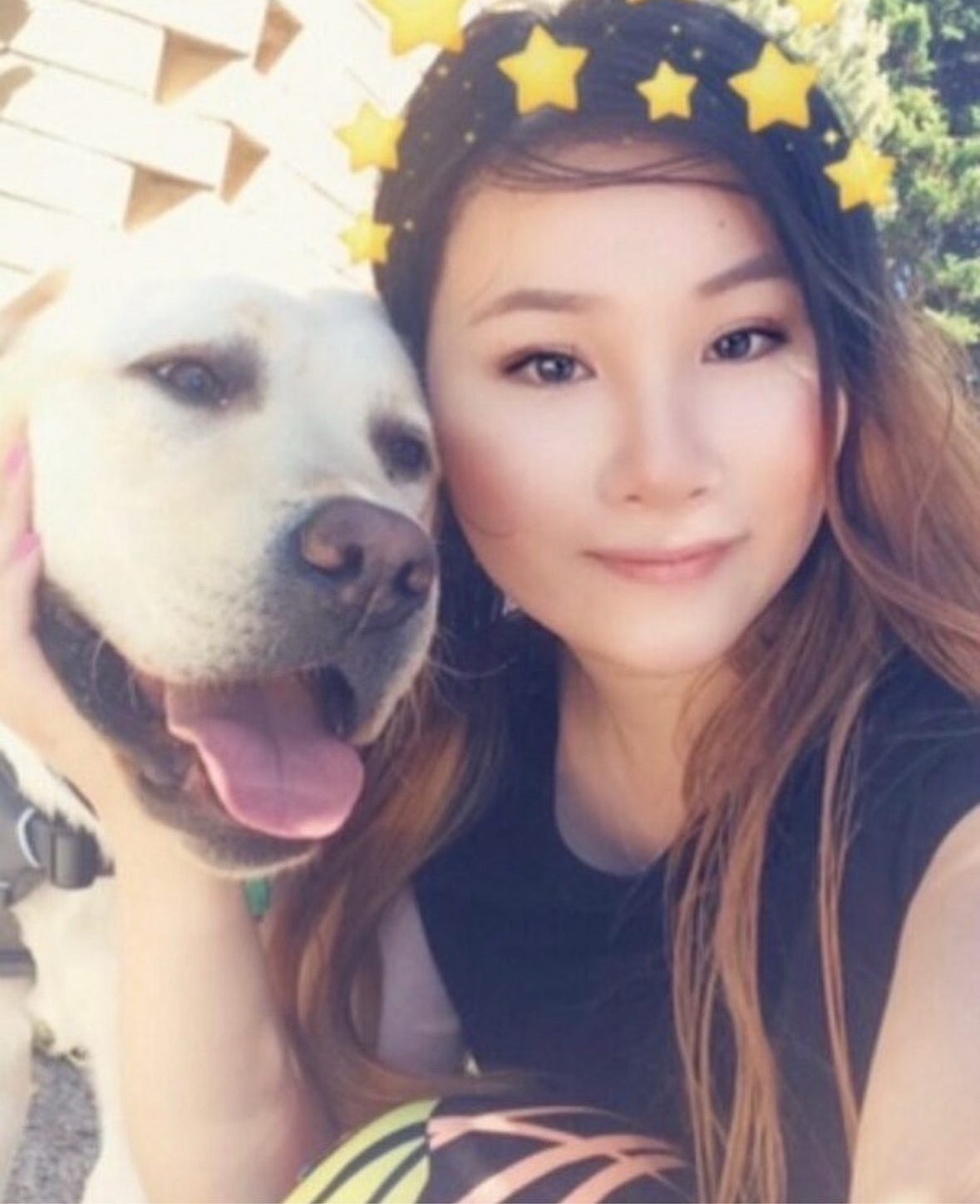
Canines are remarkable creatures, capable of communicating their energy, needs, and intentions in ways that transcend words. Canine body language serves as their primary means of expression, allowing them to interact with humans, other animals, and their environment. For Dog Parents, health and mental health professionals, or anyone who spends time around dogs, understanding their subtle signals can foster deeper bonds and ensure safety for everyone involved. In this topic, Dr Stephanie Laurens explores the nuances of canine body language, offering insights into how to observe her canines expressing themselves from experience.
Dogs don’t speak words, but they “talk” to us constantly. Their body language serves as a powerful tool to convey emotions in energy such as happiness, fear, aggression, and submission. Misinterpreting these signals can lead to confusion, stress, or even danger, especially if a dog feels misunderstood or cornered. By learning to read your dog’s posture, tail position, facial expressions, and movement patterns it is crucial to acknowledge their body language.
Canines rely heavily on nonverbal communication, as it is their most natural and instinctive way of interacting. While barking or vocalizations are part of their ways of interacting. Their postures, movements, and facial expressions reveal far more about their energy and emotional state of mind. From a wagging tail to a lowered head, each gesture has a unique meaning that can provide clues about a dog’s mood and intentions. Observing a dog’s body language holistically, rather than focusing on a single signal, is crucial for accurately interpreting their state of mind and emotions in their moment of life. Dogs live in the present moment and don’t look back at their past or future.
Dogs respond appropriately to their emotional energy state of mind. Dogs prevent potential conflicts between dogs or between dogs and humans. Dogs strengthen trust and communication with dogs or humans. Dogs recognise when you feel unwell, anxious, or scared.
Dog Tail Signals
One of the most widely recognized signals of a dog’s mood is its tail position and movement. A wagging tail is often associated with happiness, but the context of the wag is essential. A broad, sweeping wag accompanied by a relaxed body often indicates joy and friendliness. On the other hand, a stiff wag, especially if the tail is held high, may signal arousal or even agitation of a dominant dog. Dogs that tuck their tails between their legs are displaying submission, fear, or discomfort. Paying attention to how a dog’s tail is carried and moved about the rest of its body provides important information about its emotional state of mind.
Interpreting the Tail
A dog’s tail is often seen as their emotional barometer. While wagging is commonly associated with happiness, the position, speed, and stiffness of the wag can indicate different emotions.
High, Upright Tail: A high tail held rigidly or wagging slowly often signals alertness or dominance. The dog is likely focused on something in their environment.
Mid-Level, Loose Wagging Tail: A tail wagging at a moderate height with a relaxed motion usually signifies friendliness and contentment.
Low Tail or Tucked Tail: A tail held low, especially if tucked between the legs, often indicates fear, anxiety, or submission.
Fast, Stiff Wagging Tail: Rapid, tense wagging can suggest agitation, excitement, or even aggression depending on the circumstances.
It’s important to look at the tail in conjunction with other body language signals to interpret its meaning accurately.
Dog Facial Expression
Facial expressions are another critical aspect of canine body language. A dog’s eyes, ears, and mouth work together to convey their state of mind energy emotional feelings. Relaxed, soft eyes often indicate a calm and content dog, whereas wide eyes with white visible, often referred to as “whale eye”, suggest fear, stress, or anxiety. Similarly, a dog’s ears can signal an energy range of emotions. Ears that are perked up and forward typically show alertness or curiosity, while flattened ears may indicate fear or submission. A dog’s mouth can be equally expressive. A slightly open mouth, with a relaxed tongue, is often a sign of a happy, relaxed dog. Conversely, a closed mouth with tight lips may suggest tension or unease. Growling, baring teeth, or snapping are more obvious indicators of fear or aggression, but they are often accompanied by other warning signals.
Examples of Canine Facial Expressions and Their Meanings
- Relaxed and Happy
Eyes: Soft, almond-shaped, possibly half-closed.
Ears: Neutral or slightly forward, but relaxed.
Mouth: Slightly open with a relaxed tongue, resembling a “smile.”
Meaning: The dog feels calm, content, and friendly.
- Curious or Alert
Eyes: Wide open and focused, possibly with pupils dilated.
Ears: Perked up and forward, directing attention to a sound or object.
Mouth: Closed or slightly open, depending on the situation.
Meaning: The dog is focused on something new or interesting.
- Anxious or Stressed
Eyes: Wide, with visible sclera (“whale eye”).
Ears: Flattened back against the head.
Mouth: Lips may be tight; yawning or lip licking might occur.
Meaning: The dog is nervous, uncertain, or overwhelmed.
- Fearful or Submissive
Eyes: Avoiding eye contact, looking away or down.
Ears: Pressed flat against the head.
Mouth: Closed or slightly open, often with teeth hidden; may pant nervously.
Meaning: The dog feels threatened or is attempting to appease.
- Aggressive or Threatened
Eyes: Narrow, with a hard, intense stare.
Ears: Pinned back or forward in a rigid position.
Mouth: Lips pulled back to reveal teeth, growling or snapping.
Meaning: The dog is warning or preparing to defend itself.
- Playful or Excited
Eyes: Bright and wide, with a lively expression.
Ears: Perked up or slightly forward.
Mouth: Open with a relaxed tongue, often paired with a “play bow” posture.
Meaning: The dog is inviting play or feeling energetic and excited.
By observing these facial expressions in combination with the rest of the dog’s body language, humans can better understand a dog’s emotional energy state of mind and intentions.
Dog Body Postures
The overall posture of a dog’s body can reveal much about their intentions energy emotional state of mind. A confident, relaxed dog typically has a balanced stance, with their weight evenly distributed and their body free of tension. A fearful or submissive dog may lower its body to the ground, avoid direct eye contact, or even roll onto its back to expose its belly. While this is often interpreted as a gesture of trust or appeasement, it can also be a sign of anxiety or a way to defuse tension. Conversely, an aggressive or defensive dog may appear stiff, with a rigid stance and raised hackles. These signals, combined with vocalizations such as growls or barks, are meant to warn others to back off as a threat.
Examples of Canine Body Postures and Their Meanings
1. Confident and Relaxed Dog
The dog stands with a balanced posture, weight evenly distributed on all four legs.
Its body is free of tension, and its movements are smooth and calm.
The tail is in a natural position, wagging gently or hanging loosely.
- Fearful or Submissive Dog
The dog crouches or lowers its body closer to the ground.
It avoids direct eye contact, turning its head or averting its gaze.
The dog might roll onto its back, exposing its belly, sometimes with a tucked tail and flattened ears.
- Aggressive or Defensive Dog
The dog stands stiffly, with its body rigid and muscles tense.
Its hackles (the fur along its back) are raised, giving it a bristled appearance.
The posture is forward or threatening, often accompanied by growling or barking as a warning.
By observing these body postures in combination with the rest of the dog’s facial expressions, humans can better understand a dog’s emotional energy state of mind and intentions.
Dog playful Body Language
Play behaviour is another important context in which dogs use body language. During play, dogs often use exaggerated movements, such as the classic play bow, where the front legs are stretched forward while the rear remains raised. This gesture invites interaction and signals that any ensuing actions, such as chasing or mouthing, are meant for fun. Playful dogs may also exhibit a “wiggly” body, with relaxed movements and soft facial expressions. However, play can sometimes escalate, and it’s essential to watch for signs that one dog may no longer be comfortable, such as stiffening or avoidance behaviours.
- The Backyard Play Bow Chase
Example: Two dogs, Max and Luna, are playing in the backyard. Luna suddenly freezes, then drops into a dramatic play bow her front legs extended, rear end high, and tail wagging loosely. Max, standing a few feet away, immediately perks up and mimics the play bow. Luna springs up, spinning in a circle and dashing across the yard. Max takes the cue and gives chase, his movements loose and bouncy.
Throughout the game, both dogs periodically stop and return to play bows, as if “resetting” the rules of the game and ensuring they’re still on the same page. Luna occasionally slows down to let Max catch up, and Max gently nips at her side in a playful manner. Both dogs remain relaxed, with wiggly bodies, open mouths, and soft eyes.
When Max starts panting heavily and lies down to rest, Luna briefly nudges him with her nose but quickly backs off, respecting his need for a break.
- The Playful “Sneak Attack” Indoors
Example: In the living room, Bella, a young Labrador, grabs a squeaky toy and parades it in front of her older “brother,” Charlie, a Golden Retriever. Bella’s tail wags in broad, sweeping curls, and her movements are bouncy and exaggerated. She drops the toy just out of Charlie’s reach, then pounces on it with a mock growl, inviting him to join in.
Charlie finally takes the bait, lunging for the toy with an open mouth. Bella leaps back, playfully dodging him and circling around the couch. Her wiggly body and playful growls show she’s having fun. Charlie responds by pretending to chase her, but his slow movements and exaggerated steps indicate he’s playing along gently, aware of Bella’s smaller size.
When Bella pounces on Charlie’s paw and starts mouthing it, Charlie pauses and responds with a gentle paw swat. Both dogs take turns initiating and responding, clearly enjoying their interaction.
- Play at the Dog Park: A Game of Wrestling
Example: At the dog park, Rocky, a boisterous Boxer, approaches Daisy, a Border Collie. Rocky lowers his front end into a deep play bow, tail wagging energetically. Daisy responds by circling him with a playful bounce in her step.
Rocky starts the interaction by playfully lunging toward Daisy, but his movements are soft and exaggerated, with no real intent to make contact. Daisy responds by rearing up on her hind legs and gently placing her paws on Rocky’s shoulders. They tumble into a wrestling match, rolling on the grass and taking turns pinning each other.
As the play continues, both dogs exhibit relaxed mouths and soft eyes, their bodies loose and wiggly. When Daisy momentarily lies on her back, exposing her belly, Rocky pauses, allowing her to get back up before continuing.
When another dog joins the group, both Rocky and Daisy briefly disengage to greet the newcomer, tails wagging, before returning to their wrestling match.
- The Puppy Play Session
A group of young puppies is let loose in a play area. The energy is high as they zoom around, tumbling over each other in a chaotic yet joyful display of play. One puppy, Milo, performs a playful pounce, hopping toward another puppy with exaggerated movements.
The other puppy, Penny, responds by rolling onto her back, inviting Milo to engage. Milo gently paws at Penny, and she quickly flips back onto her feet, giving a quick play bow before darting away. Milo chases her, but when Penny stops and turns to face him, he slows down and gives her space.
Despite the high energy, the puppies constantly “check in” with each other using calming signals, such as brief pauses, soft tail wags, and loose, wiggly movements. When one puppy starts chewing too hard during mouthing, the other yelps and backs off, causing the first to pause and adjust their play style.
- Mixed Signals: When Play Escalates
Two dogs, Rufus and Sadie, are playing at a park. Rufus begins with a play bow, and Sadie responds by darting forward and spinning in circles. They chase each other around happily, bodies loose and tails wagging.
However, after several minutes, Sadie starts showing signs of fatigue. Her movements become slower, and she starts avoiding Rufus’s attempts to engage, turning her head away and licking her lips. Rufus, still full of energy, doesn’t notice these signals and starts to play more roughly, nipping at Sadie’s ears.
Sadie stiffens and lets out a low growl, clearly uncomfortable. Recognising the shift in body language, their owner steps in to redirect Rufus and give Sadie a break. After a brief separation, Sadie returns, wagging her tail gently, signalling she’s ready to engage again but this time at her own pace.
Dog Stress and Anxiety Body Language
Stress and anxiety in dogs are often communicated through subtle signals that can be easily overlooked. Common stress signals include lip licking, yawning, panting (when not hot), and avoiding eye contact. These behaviours, known as displacement signals, occur when a dog is feeling conflicted or overwhelmed.
For example, a dog that is approached too quickly by a stranger might yawn or lick its lips as a way of coping with the situation. Recognizing these signs early can help prevent stress from escalating into fear or aggression.
Example: Bentley was a small, wiry terrier mix with big brown eyes that constantly darted from side to side, as though the world was out to get him. To an outsider, Bentley might have seemed like a typical dog. A little high-strung but still lovable. But to those who knew him well, his life was a constant struggle with anxiety, a battle against every unexpected sound, unfamiliar face, or change in routine.
Dogs also communicate through proximity and movement. A dog that willingly approaches and leans into a person or another dog is generally displaying affection or seeking attention. On the other hand, a dog that backs away, turns its head, or avoids contact is signalling discomfort or a desire for space. It’s important to respect these signals and allow the dog to dictate the pace of interactions. Forcing a dog into a situation it finds uncomfortable can lead to increased stress and potential behavioural issues.
Understanding the context in which canine body language occurs is vital for accurate interpretation. Factors such as the environment, the presence of other animals, and the dog’s individual personality all play a role in shaping their behaviour.
For example, a dog that stiffens and growls when approached while eating is likely guarding its resources, a natural instinct that can be managed through training and proper management. Similarly, a dog that cowers during a thunderstorm is reacting to a specific trigger and may benefit from desensitization or calming interventions.
It’s also important to recognise that dogs, like humans, have unique personalities and thresholds for stress. While one dog may be outgoing and confident in new situations, another may be more reserved or cautious. Building a strong bond with your dog and observing their behaviour in various contexts will help you understand their individual signals and needs. Positive reinforcement training can further enhance your ability to communicate effectively with your dog, creating a relationship built on trust and mutual understanding.
Misinterpretations of canine body language can lead to unnecessary conflicts or missed opportunities for connection. For instance, many people assume that a dog wagging its tail is always friendly, but this isn’t necessarily the case. Similarly, a dog that rolls onto its back may not always be seeking belly rubs; in some cases, it could be a sign of submission or stress. Taking the time to learn and understand the subtleties of canine communication can prevent misunderstandings and foster more harmonious relationships.
As our understanding of canine body language continues to evolve, so does our ability to meet their emotional and physical needs. Dogs are incredibly intuitive and responsive to human emotions, often mirroring our moods and behaviours. By becoming more attuned to their signals, we can create an environment in which they feel safe, loved, and understood. Whether you’re a seasoned Dog Parent or new to the world of canine companionship, investing time in learning their language is one of the most rewarding steps you can take.
Conclusion of Dr Stephanie Laurens
In conclusion, canine body language is a rich and complex form of communication that offers invaluable insights into a dog’s emotions energy and intentions of reaction. From tail wags to play bows, every movement and expression tells a story. By observing and interpreting these signals Dr Stephanie Laurens said, we can deepen our bond with our furry companions and ensure their well-being. Dogs are not only our loyal friends but also incredible communicators, capable of expressing themselves in ways that transcend words. Understanding their language is the key to unlocking a world of connection and mutual respect and trust from your furry friends.
By Dr. Stephanie Laurens, Dog Psychologist, Ph.D Researcher
메타데이터
- post_id
- cbcd9f66a614
- slug
- how-do-canine-body-sign-language-indicate-cbcd9f66a614
- url
- https://medium.com/@dr.stephanie.laurens/how-do-canine-body-sign-language-indicate-cbcd9f66a614
- canonical_url
- https://medium.com/@dr.stephanie.laurens/how-do-canine-body-sign-language-indicate-cbcd9f66a614
- author_url
- https://medium.com/@dr.stephanie.laurens
- status
- ok
- fetched_at
- 2026-07-30 04:47:52