Douro Valley Wine Drive Guide: Best Route, Vineyard Stops, and Driving Tips 🍷🚗
more: https://online.rentacar24.org/douro-valley-wine-drive-discover-vineyards-and-scenic-routes/
Douro Valley Wine Drive Guide: Best Route, Vineyard Stops, and Driving Tips 🍷🚗
more: https://online.rentacar24.org/douro-valley-wine-drive-discover-vineyards-and-scenic-routes/
The Douro Valley is one of Portugal’s most rewarding scenic wine drives.
But it is not the kind of route that improves when you add more stops.
It improves when you slow down.
Rent a Car 24’s guide to the Douro Valley wine drive explains why the best experience comes from daylight driving, a modest route, two or three vineyard stops, and enough time to enjoy the river landscape.
The main rule is simple:
Plan the route first.
Then book wineries and lunch around it.
Douro Valley Wine Drive Guide: Best Route, Vineyard Stops, And Driving Tips | MyShoesFinder.com
Why the Douro Valley Works So Well as a Drive
The Douro is not just a wine region.
It is a landscape.
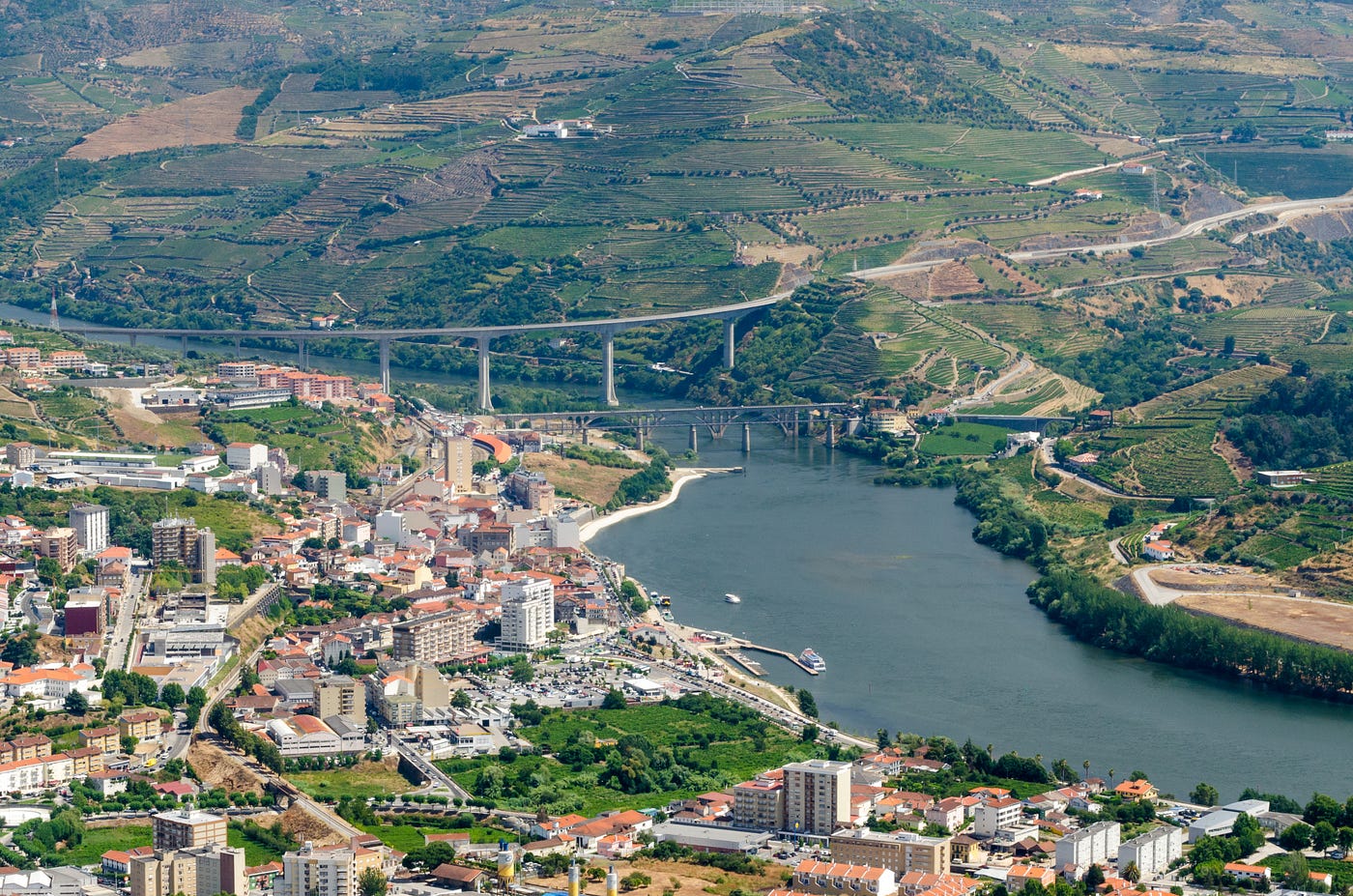
Terraced vineyards climb the hills. The river bends through the valley. Roads curve through viewpoints. Wine estates appear between narrow lanes and scenic slopes.
That makes the drive itself part of the trip.
If you rush it, you miss the point.
A good Douro day should leave room for:
- viewpoints
- photos
- one or two tastings
- lunch
- river views
- slow road sections
- daylight driving
- a calm return
The best itinerary is not the longest one.
It is the one that feels unhurried.
The Best Route Logic
Rent a Car 24 highlights the N222 corridor as the classic choice.
It is popular because it naturally links the most important parts of the experience:
- river-facing stretches
- vineyard views
- scenic curves
- useful viewpoints
- practical winery access
- lunch possibilities
The N222 works best when treated as a scenic route.
Not a shortcut.
Not a fast transfer.
Not a race between estates.
The stronger sequence is:
- Start early.
- Drive the scenic river-facing stretch first.
- Stop for photos while the day is still fresh.
- Visit one main winery.
- Plan lunch nearby.
- Add one more tasting or viewpoint if timing allows.
- Return before unfamiliar roads become stressful.
That order keeps the day coherent.

Douro Valley Wine Drive Guide: Best Route, Vineyard Stops, And Driving Tips | MyShoesFinder.com
Keep the Schedule Light
The guide’s most useful advice is restraint.
Two wineries and one viewpoint may be enough.
That can feel counterintuitive when planning from a map.
A traveler sees famous estates, beautiful terraces, tasting rooms, river stops, villages, viewpoints, and lunch recommendations.
The temptation is to add everything.
But the Douro punishes overplanning.
Winding roads, narrow lanes, parking, winery timing, meal service, photos, and slow traffic all take time.
A packed schedule turns a scenic wine drive into logistics.
A better day might be:
- one main scenic drive
- two wineries
- one lunch stop
- one or two viewpoints
- flexible return
That gives the valley room to breathe.
Self-Drive, Guided Tour, or Train Plus Taxi?
The best format depends on how you want to experience the day.
Self-Drive
Self-drive is best for travelers who want:
- flexibility
- photo stops
- scenic breaks
- control over timing
- a slower pace
- route freedom
- the ability to stop when the view is worth it
This is the best match if your priority is the landscape.
But self-drive requires responsibility.
You need to plan tastings carefully, avoid overconsumption, account for narrow roads, and avoid fatigue.
A wine drive is still a drive.
If tasting is the main focus, a guided tour may be safer and simpler.
Guided Tour
A guided tour is best for travelers who want:
- easy logistics
- no parking stress
- no route planning
- no concern about driving after tastings
- a structured winery day
The tradeoff is less freedom.
You may not be able to linger at viewpoints or adjust the route on the fly.
But for tasting-focused travelers, this can be the better choice.
Train Plus Taxi
Train plus taxi can work for travelers who want scenery without a full day behind the wheel.
It can reduce the driving load.
But it requires coordination.
You need to think about train timing, taxi availability, winery access, and return logistics.
This format often suits shorter stop patterns better than an ambitious full-valley itinerary.
What to Expect on the Roads
The Douro is manageable if you are comfortable with rural driving.
Expect:
- winding roads
- short hills
- curves
- viewpoints
- narrow lanes near some estates
- slower local traffic
- parking variability
- more stress after dark on unfamiliar roads
A compact car is usually enough for the classic route.
A larger vehicle is not always an advantage on narrow lanes.
Unless your itinerary includes rougher rural access roads or a longer countryside loop, compact and easy-to-park usually makes more sense.
Parking and Winery Access
Not every estate is equally practical by car.
Before booking, check:
- whether visitors can park on site
- whether access roads are narrow
- whether arrival instructions are clear
- whether the winery handles scheduled visitors
- whether lunch is available
- whether the terrace or view justifies the detour
The best winery stop for a wine drive is not always the most famous name.
It is the one that fits the route.
A terrace view, clear parking, lunch, and simple access can matter more than squeezing in another tasting.
When to Go
Timing changes the Douro experience.
Spring
Spring is a strong choice for comfortable driving.
Expect:
- milder weather
- easier sightseeing
- more flexible pacing
- good conditions for viewpoints
- less intensity than summer
A flexible route plus one confirmed tasting can work well.
Summer
Summer brings more pressure.
Expect:
- more visitors
- hotter afternoons
- tighter parking
- more need for reservations
- stronger midday fatigue
If driving in summer, reserve lunch and winery visits ahead of time.
Start early.
Use the first half of the day for the scenic drive.
Do not leave the most difficult driving for late afternoon.
Harvest Season
Harvest season brings energy to the valley.
It can be memorable, but estates are busier.
The best approach is:
- start early
- keep the route short
- avoid too many winery stops
- book ahead
- expect more activity
- leave room for delays
Harvest is not the time to improvise a crowded itinerary.
What to Look For at Wineries
Rent a Car 24 recommends focusing on wineries that reward time on site.
Look for:
- terrace or river views
- clear car access
- parking
- advance booking
- lunch menu
- picnic-friendly setup
- good arrival instructions
- practical location along your route
A rushed tasting counter stop may not be as satisfying as one well-chosen winery where you can sit, eat, enjoy the view, and understand the place.
Lunch Strategy
Lunch should anchor the day, not interrupt it.
Choose a lunch stop near your main tasting or main scenic stretch.
That prevents backtracking.
It also keeps you from driving hungry or rushing from estate to estate.
A good Douro day often works best when lunch becomes part of the experience:
- vineyard terrace
- river view
- local food
- slow timing
- no long detour afterward
Book ahead in busy periods.
Responsible Tasting and Driving
This point matters.
If you are driving, keep tastings limited and responsible.
Do not plan the day like a wine crawl.
If the purpose of the trip is to taste freely, book a guided tour or hire transport.
Self-driving works best when the primary goal is scenic movement with light, controlled tasting.
The Douro gives you enough to enjoy even without heavy wine sampling:
- river views
- vineyard landscapes
- viewpoints
- villages
- terrace lunches
- photo stops
- relaxed road pacing
A Practical One-Day Structure
A smart Douro day could look like this:
Morning
Leave early.
Drive the scenic stretch while roads are calmer and the light is better.
Stop for viewpoints.
Keep the first half of the day focused on landscape.
Late Morning
Visit your first booked winery.
Choose one with clear access and parking.
Lunch
Eat near your main tasting stop.
Avoid unnecessary backtracking.
Afternoon
Add one more winery or viewpoint.
Keep it optional if the day is running long.
Return
Head back before the roads feel tiring or unfamiliar in low light.
This rhythm keeps the trip enjoyable.
A Practical Overnight Loop
If you can stay overnight, the Douro becomes easier.
An overnight loop allows:
- slower driving
- sunset views
- a relaxed dinner
- less pressure to return same day
- more flexibility with tastings
- a calmer second morning
This can be a better option for travelers who want both scenery and wine without compressing everything into one day.
Common Mistakes to Avoid
Adding Too Many Wineries
More wineries do not always mean a better trip.
They can mean more driving, more parking, more timing pressure, and less enjoyment.
Driving Too Late
Unfamiliar rural roads are easier in daylight.
Plan the return before fatigue builds.
Booking Wineries Before Planning the Route
This creates scattered stops.
Choose the route first.
Ignoring Parking
Some smaller estates are on narrow lanes.
Confirm access before arrival.
Treating the N222 Like a Shortcut
It is a scenic road.
Give it time.
Forgetting Lunch
A rushed, hungry driver is not a happy driver.
Anchor the day around a good meal.
Who Should Self-Drive the Douro?
Self-drive is a good fit if you:
- enjoy scenic roads
- want flexibility
- like photography
- prefer slow travel
- want to stop at viewpoints
- are comfortable with winding roads
- plan responsible tastings
- want to shape your own day
Who Should Choose a Guided Tour?
A guided tour is better if you:
- want multiple tastings
- do not want to park
- prefer fixed logistics
- dislike rural driving
- want simple pickup and drop-off
- do not want to think about route timing
Who Should Try Train Plus Taxi?
Train plus taxi may fit if you:
- want less driving
- prefer partial independence
- are doing a shorter valley visit
- can coordinate transfers
- do not need many stops
Final Takeaway
The Douro Valley wine drive works best when the plan is simple.
Drive the N222 in daylight. Start early. Keep the route scenic. Book one or two wineries. Choose a lunch stop that fits the route. Confirm parking and access. Avoid late returns on unfamiliar roads. Treat tastings responsibly. Leave room for viewpoints.
Rent a Car 24’s strongest advice is also the best planning rule:
Plan the drive before you book anything else.
That keeps the day centered on the valley itself: the river, the vineyard terraces, the roads, the views, and the kind of slow travel that makes Portugal’s Douro Valley unforgettable. 🍷🚗✅
Read the full guide here:
https://online.rentacar24.org/douro-valley-wine-drive-discover-vineyards-and-scenic-routes/
메타데이터
- post_id
- cbcdfcdf39a0
- slug
- douro-valley-wine-drive-guide-best-route-vineyard-stops-and-driving-tips-cbcdfcdf39a0
- url
- https://medium.com/@adam-muzyka/douro-valley-wine-drive-guide-best-route-vineyard-stops-and-driving-tips-cbcdfcdf39a0
- canonical_url
- https://medium.com/@adam-muzyka/douro-valley-wine-drive-guide-best-route-vineyard-stops-and-driving-tips-cbcdfcdf39a0
- author_url
- https://medium.com/@adam-muzyka
- status
- ok
- fetched_at
- 2026-06-26 03:39:16