Is Free Will Real?
We are people who came to suffer in this world because we deserve it very much. We only care ourselves while the rest of the people were…
Is Free Will Real?
We are people who came to suffer in this world because we deserve it very much. We only care ourselves while the rest of the people were killed by the evils of the earth and they even think they are divine angels of earth. Those evil ones believe they have justice to lead the others in the world. However, they cannot understand they have no justice and they do not accept their evil sides. Unfortunately, they are doing these demonic things even though they know what they are doing. Therefore, they have free will and they just doing for their desires. Free will is very dangerous for us because people can do everything what they want and they can defend themselves while they are even guilty. They can say environment and people around them influnce themselves to defend. Consequently, can we say these people are guilty directly or should we say their behaviors influnced by their environment and people around them? Thus, do people truly have free will or are they living in a prison of illusion invented by their emotions and thoughts?
Most of people think that human behavior and action are influenced by biological and environmental factors. According to this idea, people do not make free choices because their decisions are shaped by their past experiences, their environment and their brain processes. According to Sam Harris (2012), free will is an illusion, asserting that human actions are determined by unconscious neural processes and environmental factors rather than conscious choice. He explains that human thoughts and decisions come from their brain activity that starts before they become aware of it. Similarly, behaviorist psychologist Burrhus Frederic Skinner argued that people often believe they are free simply because they can do what they want, while their behavior is actually shaped and controlled by various environmental influences (Skinner, 1972). Environmental factors can play an important role in human behavior. People who grows up in a violent environment can learn aggressive behavior from the people around them because they only experience violent events and they believe that these behaviors are good for them. In this situation, people can not freely choose violence instead, their environment can influence their reactions and attitudes. According to Baruch Spinoza, people think they have free will because they are aware of their actions but unaware of the forces that determine them (Koistinen, 2009). From this perspective, human behavior is the result of many influences such as family, society and their past experiences. Therefore, supporters of this view argue that free will can not be real because our decisions are affected by factors outside our control. However, even though these arguments show that many things influence human behavior, some philosophers argue that people are making conscious and responsible choices.
However, some philosophers argue that people have free will and the ability to make conscious choices. According to this perspective, biological and environmental factors influence people but, individuals still have the capacity to evaluate their options and make responsible decisions. According to Daniel Dennett (2004), argues that free will should not be understood as complete independence from causes, instead, the human ability to reflect on reasons and control actions through rational thinking. From this view, people are not passive products of their environment instead, they are capable of evaluating different possibilities and choosing among them. Similarly, individuals can be morally responsible for their actions because they are able to make genuine choices in situations where different options are available (Kane, 2000). Kane suggests that human decisions are not determined by prior causes, in certain moments people can shape their own future through their choices. This view emphasizes that moral responsibility can lose its meaning if humans had no real freedom to choose their actions. For example, think that two people who grow up in the same difficult environment where crime and violence are common. Both of them can experience similar social and cultural pressures and negative influences during their childhood. However, when they become adults, one of them can choose to participate in criminal activities, while the other can decide to pursue education and build a different life. Even though their environment was similar, their choices can lead them to very different paths. This situation suggests that environmental influences do not completely determine human behavior. Instead, individuals can still have the capacity to reflect on their situation and choose how they want to act. According to this view, people are not totaly passive products of their environment, but agents who can make meaningful decisions about their lives. Therefore, supporters of free will argue that although external influences affect human behavior, individuals still maintain a degree of autonomy and responsibility for their decisions. The problem between free will and determinism shows that human behavior cannot be explained by a single factor. On one hand, biological structures, brain processes and environmental clearly influence how people think and act. Psychological studies show that many human decisions are shaped by external influences. These findings support the deterministic view that individuals are not completely independent when making decisions about their lives. However, this does not mean that human freedom is entirely an illusion. On the other hand, many philosophers argue that people still possess a meaningful level of autonomy. Even if people are influenced by their environment and biological predispositions, they have ability of reflecting on their actions, considering alternatives and making deliberate choices. In everyday life, people often evaluate different options and decide which path they want to follow. For instance, two people grow in the same difficult environment can choose very different life paths. While one person can choose destructive behaviors, another one can actively reject those influences and pursue education or personal growth. This suggests that environmental pressures do not completely eliminate the possibility of personal choice. According to Jean-Paul Sartre (1943), “man is condemned to be free,” meaning that people are always responsible for their choices even with difficult circumstances. Therefore, the relationship between free will and external influence can be more complex than a simple opposition. Rather than viewing human behavior as entirely free or completely determined, it can be more accurate to understand it as a dynamic interaction between internal reflection and external conditions. Therefore, free will is not an absolute independence, but the human capacity to evaluate influences and still make responsible choices.
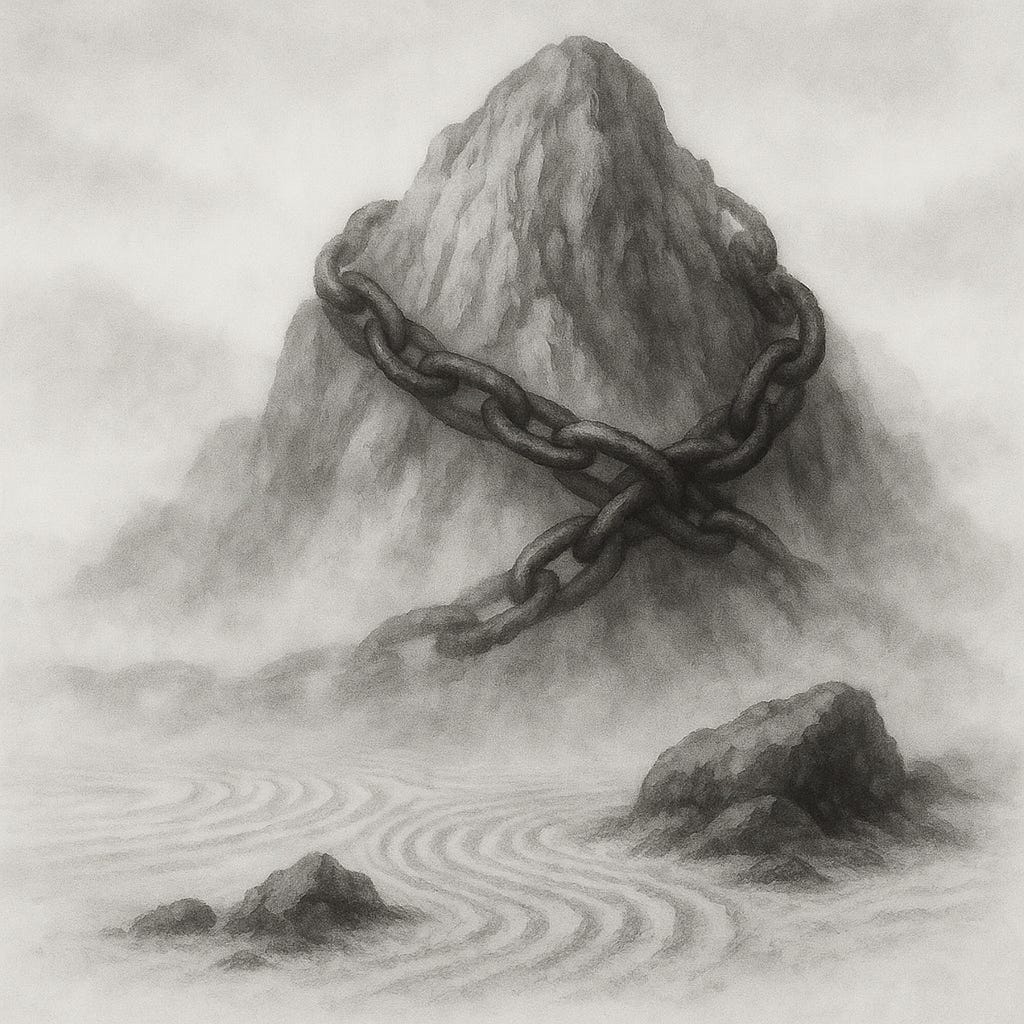
In conclusion, the problem of free will and determinism shows that human behavior is influenced by many different factors. Biological processes, past experiences and environmental things play an important role in shaping human actions. As thinkers such as Spinoza and Sam Harris argue, many of our decisions can be influenced by forces that we are not fully aware of. However, this does not mean that human beings are completely controlled by these influences. Philosophers such as Dennett, Kane and Sartre suggest that people still have the capacity to reflect on their actions, evaluate alternatives and take responsibility for their decisions. Therefore, free will can not be a complete independence from all causes, but rather the ability to think about our choices and act consciously despite external influences. People live with biological and social limitations, yet they still possess the ability to question their actions and choose different paths. This perspective helps explain why moral responsibility continues to play such an important role in human society. If people were completely determined by external forces, it would be difficult to hold anyone responsible for their actions. Unfortunately, we will never understand and solve this problem. We will continue to suffer in this world and we will die with this thought in our minds about it. We will continue to believe we are free and have right to choose. Maybe we have free will or not we will not learn it but the real question is not are we free or not instead, are we awake or not. Maybe we are living in a prison made by our emotions and thoughts and we believe we are free. Before all of things, we have to ask ourselves a question: Am I awake and real?
References
Harris, S. (2012). Free will. Continuum Companion to Hume, London, Continuum, 214–226
Kane, R. (2000). Free will and responsibility: Ancient dispute, new themes. The Journal of Ethics, 315–322.
Koistinen, O. (Ed.). (2009). The Cambridge Companion to Spinoza’s Ethics. Cambridge: Cambridge University Press.
Sartre, J. P. (1943). 1966, Being and Nothingness. Trans. H. Barnes. Routledge.
Skinner, B. F. (1972). The illusion of control: Beyond freedom and dignity [Video interview]. YouTube.
메타데이터
- post_id
- cc18bf418f42
- slug
- is-free-will-real-cc18bf418f42
- url
- https://medium.com/@ertugrularas50/is-free-will-real-cc18bf418f42
- canonical_url
- https://medium.com/@ertugrularas50/is-free-will-real-cc18bf418f42
- author_url
- https://medium.com/@ertugrularas50
- status
- ok
- fetched_at
- 2026-06-09 15:37:30