AI Coding Agent Handoff Protocol: How to Keep Long-Running Agents From Losing the Plot
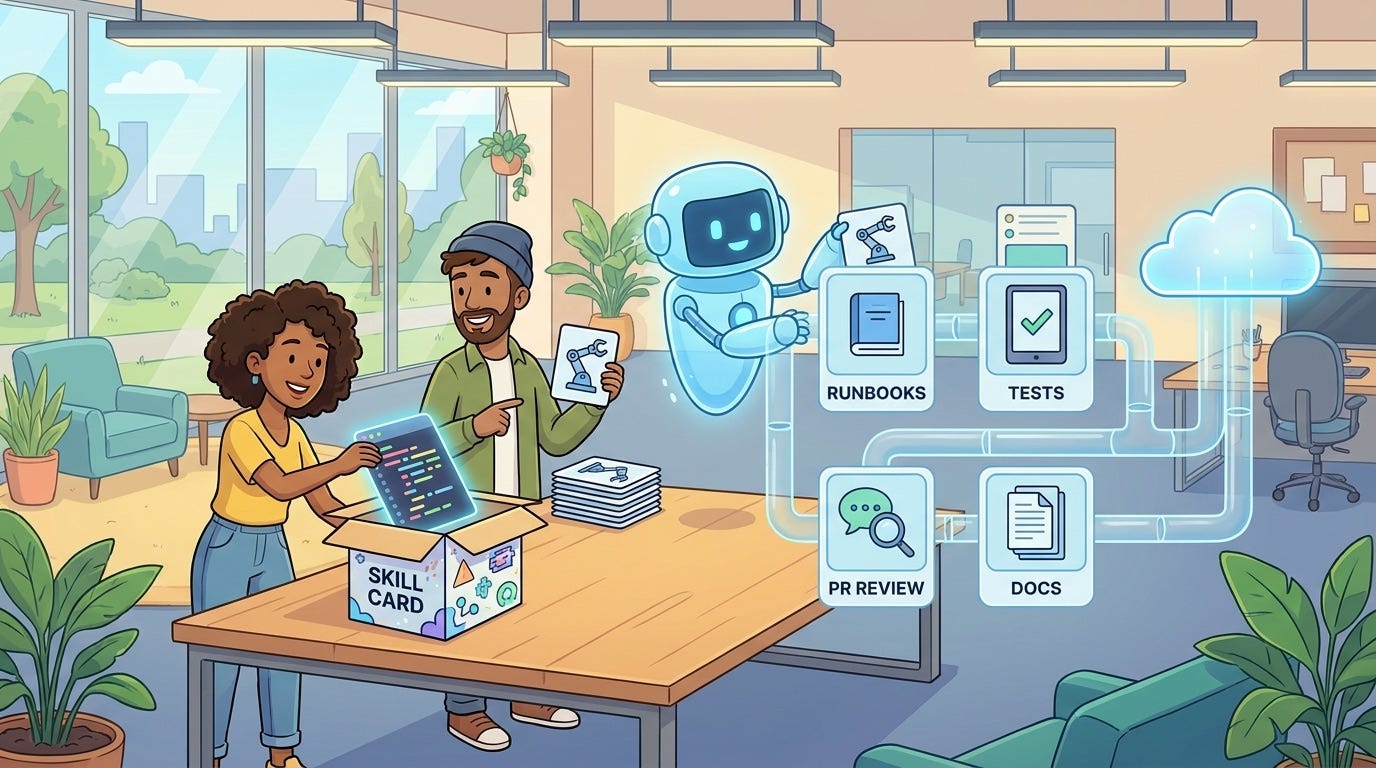
AI coding agents are getting better at working for hours, not minutes. That creates a new engineering problem: how do you make sure the…
AI Coding Agent Handoff Protocol: How to Keep Long-Running Agents From Losing the Plot
AI Coding Agent Handoff Protocol
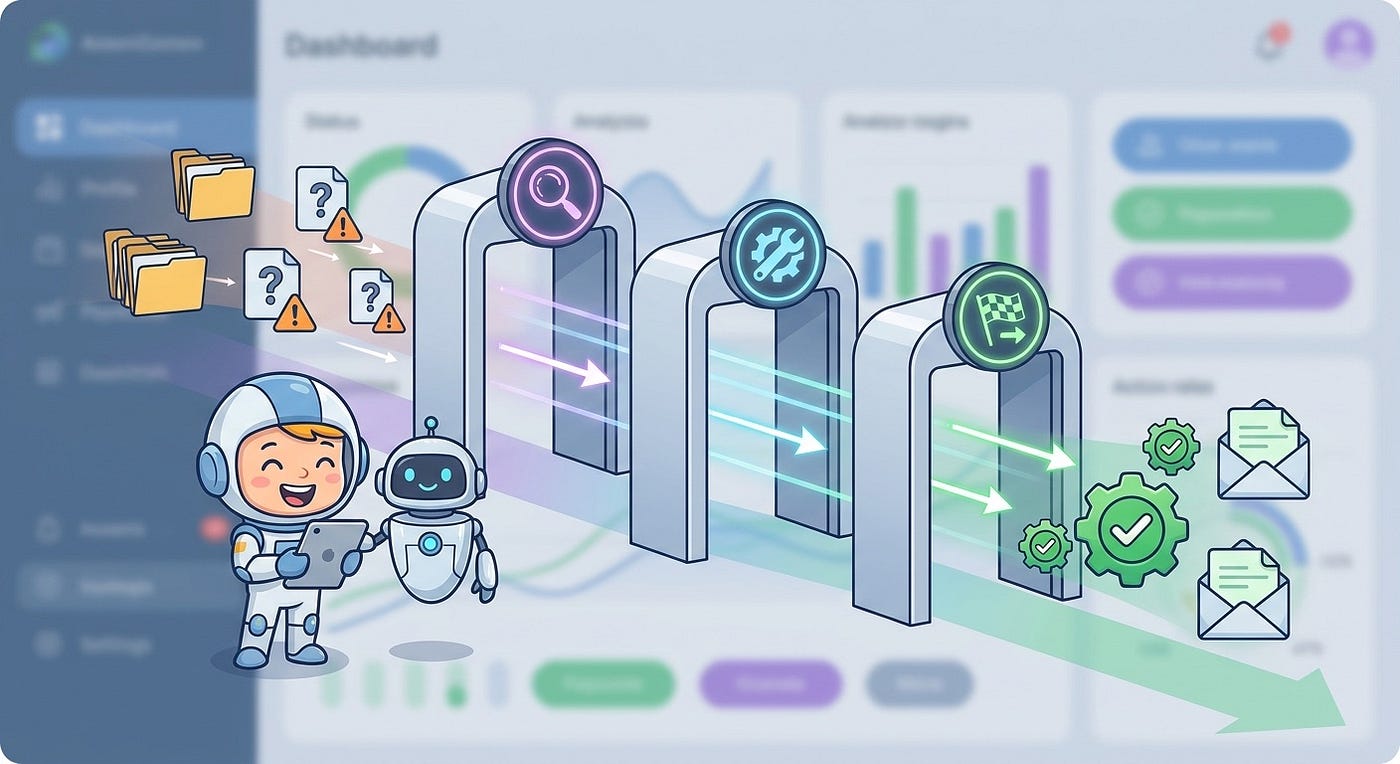
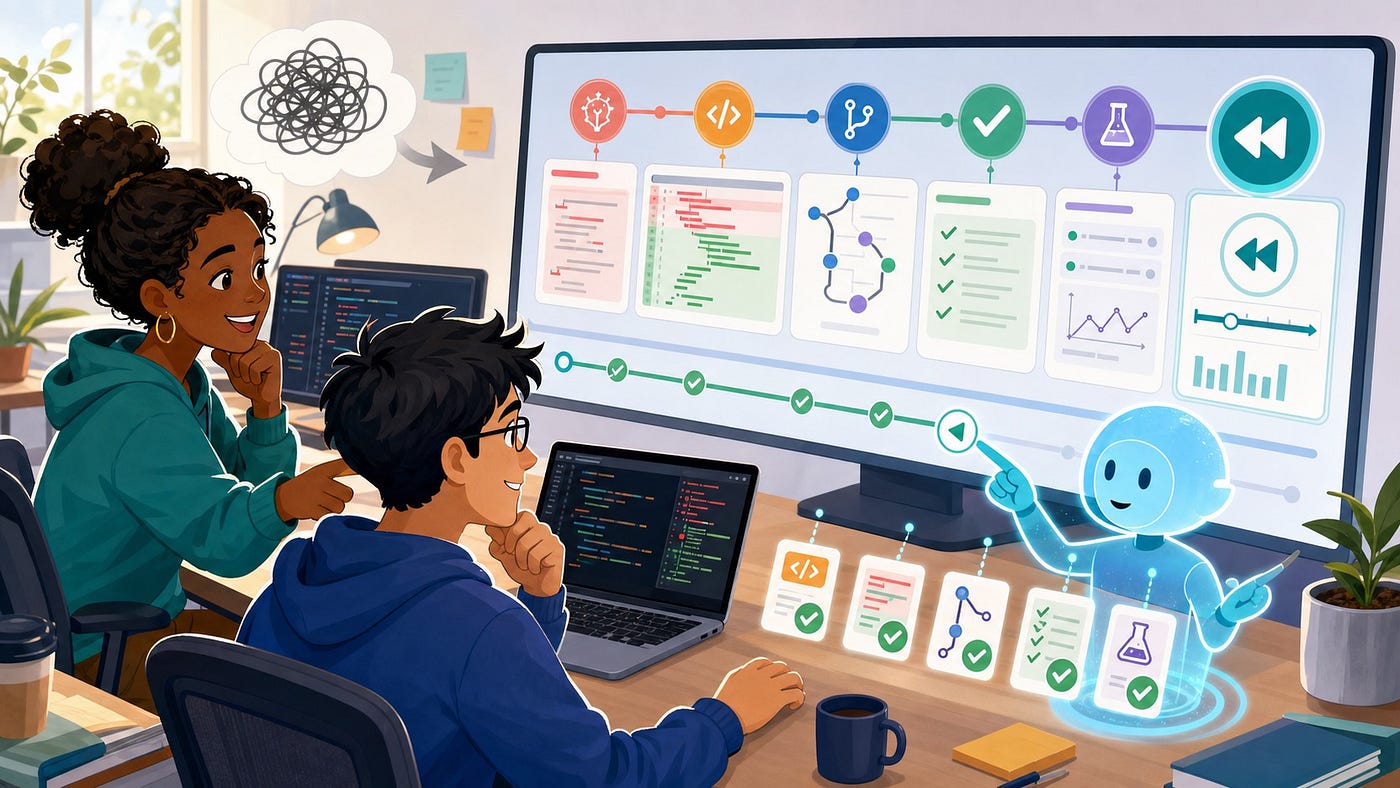
AI coding agents are getting better at working for hours, not minutes. That creates a new engineering problem: how do you make sure the next agent, next session, or next human reviewer knows exactly what happened?
A coding agent can refactor a service, add tests, update docs, and open a pull request while you are in another meeting. That sounds useful until the session ends with a vague note like “mostly done,” a failing test hidden in the logs, and no clear reason why three files were changed.
This is the quiet failure mode of long-running AI development work. The model may be strong. The tool may be impressive. The repository may be well documented. But if the agent cannot hand off context cleanly, the team still loses trust.
The timing matters. OpenAI has announced plans to acquire Ona, formerly Gitpod, to strengthen cloud-based agent workspaces for Codex. New coding harnesses are also pushing longer, multi-step development tasks. Developers are now mixing Claude Code, Copilot, Codex, Gemini-based tools, Cursor, and local agents in the same workflow.
The next useful skill is not just prompt writing. It is handoff design.
A long-running coding agent without a handoff protocol is not automation. It is an unfinished thought with commit access.
What Is an AI Coding Agent Handoff?
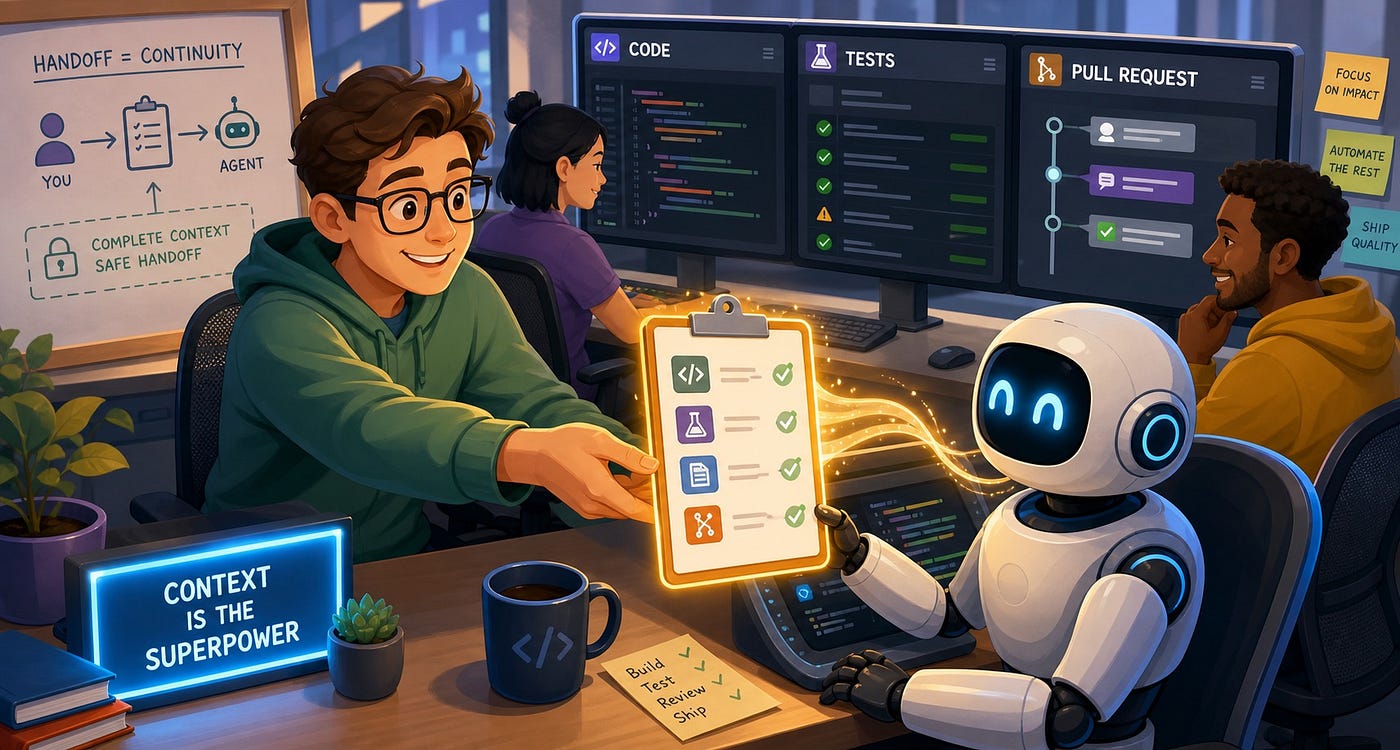
An AI coding agent handoff is the structured package of context that lets another agent, another session, or a human developer continue work without guessing.
It is not the same as chat history. Chat history is noisy. It contains false starts, abandoned plans, tool output, repeated instructions, and model reasoning that may not map cleanly to the final code. A handoff is shorter, sharper, and tied to evidence.
A good handoff answers seven questions:
- What was the agent trying to accomplish?
- Which files, APIs, tests, or services did it touch?
- What decisions did it make, and why?
- What did it verify?
- What remains risky, incomplete, or blocked?
- What should happen next?
- Where can a reviewer inspect proof instead of trusting the summary?
That last point is the key. Handoffs should not ask people to believe the agent. They should make it easy to inspect the trail.
Why This Problem Is Getting Bigger
Early AI coding help was mostly local and short. Ask for a function. Accept a completion. Review the diff. Move on.
Modern coding agents behave differently. They can search a repository, edit many files, run commands, update tests, summarize findings, and keep working after the first instruction. Cloud workspaces make that even more powerful because the agent can keep a durable environment alive away from your laptop.
That shift changes the failure modes. The biggest risk is no longer only “the model wrote a bad line of code.” It is that the agent did a long chain of work and the team cannot quickly reconstruct the chain.
Developers already know this pain from human teams. A teammate goes on vacation after a half-finished migration. A contractor leaves no notes. A pull request says “cleanup” but hides a policy decision. AI agents create the same problem at higher speed.
Research is starting to name this class of issue. The paper “Handoff Debt” describes how agent handoffs can degrade when context is incomplete or poorly transferred. The practical lesson is clear: context transfer is now part of system design.
The Difference Between Memory and Handoff
Agent memory helps a system remember preferences, project facts, or previous activity. It can be useful, but memory alone does not solve handoff.
Memory is often broad. A handoff is specific. Memory may say, “This project uses Vitest and strict TypeScript.” A handoff says, “I changed the invoice validation path, ran npm test -- invoice, saw two failures in currency rounding, fixed one, and left the multi-currency snapshot failing because fixtures are stale.”
That difference matters because engineering work is stateful. The next agent needs the live state of the task, not just the long-term style of the repository.
Think of memory as the agent’s map. Think of the handoff as the current travel log.
The Core Handoff Protocol
You do not need a complex platform to start. A simple file-based protocol works surprisingly well because every agent and every human developer can read it.
Create a file such as AGENT_HANDOFF.md, .agent/handoff.md, or a per-task note inside your issue folder. The name matters less than consistency. The format should be boring, predictable, and easy to update.
A handoff should compress messy session history into a small evidence-backed package.
1. Task Goal
Start with the real goal, not the first prompt. Prompts change. The useful handoff should describe the current target in plain language.
Goal:
Add server-side validation for uploaded portfolio video metadata so invalid
duration, missing title, and unsupported MIME types fail before storage.
This prevents the next session from chasing an old direction after the work has shifted.
2. Current State
State should be factual. Avoid vague phrases like “almost done.” Say what exists right now.
Current state:
- Added metadata schema in src/video/metadataSchema.ts
- Wired validation into src/api/upload.ts
- Updated upload route tests for missing title and unsupported MIME type
- Duration boundary tests still fail because fixture metadata is mocked as strings
Many agent summaries fail here. They sound confident but do not give the next worker enough detail to act.
3. Files Changed
List the important files and explain why each one changed. A raw diff shows what changed, but not always why.
Files changed:
- src/video/metadataSchema.ts: new validation schema
- src/api/upload.ts: calls schema before storage write
- test/upload.test.ts: added invalid metadata cases
- docs/upload-api.md: documented validation errors
This lets a reviewer jump to the highest-risk files first.
4. Decisions Made
Every non-trivial task includes design decisions. If the agent made one, make it visible.
Decisions:
- Validation happens before storage write to avoid orphaned objects.
- MIME type allowlist is kept in code for now because there is no admin UI.
- Error responses use existing 422 format to avoid client changes.
Decision notes matter when multiple agents touch the same branch. Without them, one agent may undo another agent’s intentional choice.
5. Commands Run and Evidence
The handoff should include the commands that were run and the result. Do not bury this in a long log file.
Verification:
- npm run lint: passed
- npm test -- upload: 14 passed, 2 failed
- Manual API check with invalid MIME type: returned 422 as expected
Evidence:
- Test failure log: .agent/runs/upload-validation-logs.txt
- Screenshot: .agent/runs/upload-error-response.pngEvidence turns a handoff from a story into an audit trail.

6. Open Risks
Agents are tempted to end with a polished summary. Teams need the opposite: clear risk disclosure.
Open risks:
- Multi-currency fixture pattern in upload.test.ts may be stale.
- MIME allowlist may need product review before merge.
- No load test was run for large batch uploads.
If the agent is wrong, the reviewer should find out fast. A risk section helps.
7. Next Action
Finish with one concrete next action. Not five. Not a generic “continue testing.” One action that a human or another agent can execute.
Next action:
Fix fixture typing in test/upload.test.ts, then rerun npm test -- upload.
This small constraint reduces drift. The next agent starts with a clear baton instead of inventing a new plan.
A Copy-Paste Handoff Template
Here is a compact template you can add to a repository today.
Agent HandoffGoal
Describe the current task goal in one or two sentences.Current State
- What is complete?
- What is partially complete?
- What is not started?Files Changed
- path/to/file: why it changedDecisions
- Decision: reasonVerification
- Command: result
- Command: resultEvidence
- Link or path to logs, screenshots, CI run, benchmark output, or PR diffOpen Risks
- Risk or uncertaintyNext Action
The single next step another developer or agent should take.You can keep this in the repository or attach it to pull requests. For long jobs, write a new handoff after every meaningful checkpoint, not only at the end.
How to Use This With Codex, Claude Code, Copilot, and Other Agents
The protocol should be tool-agnostic. Your team may use Codex for cloud work, Claude Code for repository exploration, Copilot in the IDE, and a smaller model for tests. The handoff should survive all of those surfaces.
The simplest instruction is direct:
Before ending the session, update .agent/handoff.md.
Be factual. Include commands run, files changed, decisions made, open risks,
and the next action. Do not claim verification unless you ran it.
For higher-risk tasks, add an entry condition:
Before editing code, read .agent/handoff.md and summarize:
1. Current goal
2. Known risks
3. The single next action
If the handoff is missing or unclear, stop and ask for clarification.This prevents a fresh session from starting with misplaced confidence. It makes missing context visible early, when it is cheap to fix.
Designing for Long-Running Cloud Agents
Persistent cloud environments make handoffs more important, not less. If an agent can work for hours, the team needs checkpoints stronger than chat summaries.
A durable agent environment should keep five things separate:
- Workspace state: the branch, dependencies, generated files, and local environment.
- Task state: the current goal, progress, blockers, and next action.
- Evidence state: logs, test output, screenshots, benchmark results, and CI links.
- Decision state: design choices, tradeoffs, and rejected paths.
- Review state: what needs human approval before merge or deploy.
If all five live only in the conversation, you are exposed. If they live in files, issue comments, CI artifacts, and pull request metadata, the workflow is easier to inspect.
Long-running coding agents need checkpoints, approval gates, and visible evidence, not just longer context windows.
Where Teams Usually Get This Wrong
They Trust the Final Summary Too Much
Agent summaries are useful, but they are not proof. A model can summarize the intended work, the attempted work, or the actual work. Those are not the same.
Treat every summary as a starting point. Tie it to diffs, commands, and logs.
They Let Handoffs Become Essays
A handoff is not a diary. If it takes ten minutes to read, nobody will use it. Keep it short, structured, and focused on the next decision.
The best handoff is often one page.
They Hide Failed Attempts
Failed attempts are useful context. If the agent tried an API and discovered it does not support a needed option, write that down. If it reverted a change because tests failed, say so.
This saves the next agent from repeating the same loop.
They Mix Product Decisions With Code Changes
Some blockers are technical. Others are product or policy decisions. Do not let an agent guess those quietly.
For example, “Should we reject videos longer than five minutes?” is not just validation logic. It may affect pricing, onboarding, and support. Mark it as a human decision.

A Practical Workflow for Teams
Here is a lightweight workflow that works for small teams and scales into larger engineering orgs.
Step 1: Add a Handoff File
Create .agent/handoff.md or a similar file. Add the template. Commit it only if the file is meant to be durable project documentation. Otherwise, keep per-task handoffs as branch artifacts or PR comments.
Step 2: Add Agent Instructions
Update your repository agent instructions. This could be AGENTS.md, a tool-specific memory file, a system prompt, or a project guide.
Agent rule:
For any task touching more than one file, update the handoff before stopping.
For any task that runs longer than 20 minutes, create a checkpoint handoff.
For any failed command, include the exact command and short failure reason.
Step 3: Add Review Expectations
Tell reviewers what to look for. A pull request using an AI coding agent should include a handoff link or a short pasted summary with evidence.
The reviewer should check three things:
- Does the handoff match the diff?
- Does the verification match the risk level?
- Are open risks clearly separated from completed work?
Step 4: Add CI Artifacts
If the agent runs tests, save logs. If it generates a migration plan, save the plan. If it benchmarks a model call, save the output. CI artifacts and run logs make handoffs much more reliable.
Step 5: Measure Handoff Quality
You do not need a complicated benchmark. Track a few signals:
- How often reviewers ask, “What happened here?”
- How often a second agent repeats failed work.
- How often the stated verification was missing or incomplete.
- How long it takes a human to resume a paused agent task.
- How often handoff notes identify a real risk before merge.
These metrics are more useful than a generic claim that agents saved time. They show whether the workflow is dependable.
When You Need More Than a Markdown File
A file-based handoff is enough to start. Larger teams may need stronger structure.
Move beyond Markdown when you have many agents running in parallel, regulated code paths, production migrations, or compliance requirements. At that point, consider structured JSON handoffs, signed run records, CI-attached artifacts, and dashboards that show agent state across branches.
A structured handoff might look like this:
{
  "task_id": "upload-validation-142",
  "goal": "Validate video metadata before storage",
  "branch": "agent/upload-validation",
  "files_changed": [
    {"path": "src/api/upload.ts", "reason": "Add validation call"},
    {"path": "test/upload.test.ts", "reason": "Add invalid metadata cases"}
  ],
  "verification": [
    {"command": "npm run lint", "status": "passed"},
    {"command": "npm test -- upload", "status": "failed", "note": "2 fixture failures"}
  ],
  "open_risks": [
    "Fixture metadata typing may be stale",
    "MIME allowlist needs product approval"
  ],
  "next_action": "Fix fixture typing and rerun upload tests"
}
This format is easier to parse, index, display, and validate. It also supports checks, such as blocking a high-risk pull request with no verification record.
Security and Governance Notes
Handoffs can leak sensitive data if you are careless. Do not paste secrets, customer data, private logs, tokens, or raw production payloads into agent notes.
Use references instead. Point to a secured log system, a redacted artifact, or a ticket with the right access controls.
Also be careful with permissions. A handoff can say, “Needs production database check,” but that does not mean the next agent should receive production access. Make the approval boundary explicit.
Approval required:
Do not run migration against production.
Human reviewer must approve schema change after staging test passes.
This is where handoff design connects directly to governance. The better the handoff, the easier it is to keep agents useful without making them too powerful.
How to Decide What Deserves a Handoff
Not every AI-assisted task needs a formal note. A one-line autocomplete does not need a protocol. A multi-file refactor does.
Use a risk-based rule:
- Low risk: one small file, no behavior change, no handoff needed.
- Medium risk: multiple files, tests changed, user-facing behavior, brief handoff required.
- High risk: auth, billing, data migrations, security, infrastructure, or production workflows, full handoff with evidence required.
This keeps the process from becoming theater. The goal is not paperwork. The goal is continuity.
The Better Prompt: Ask for the Handoff First
Most teams ask the agent to code first and summarize later. For complex work, flip the order.
Ask the agent to prepare the handoff shape before it starts:
You are going to work on this task in checkpoints.
Before editing, create .agent/handoff.md with the goal, planned files,
expected verification, and known risks.
After each checkpoint, update it with actual progress and evidence.
This makes the agent think in terms of observable progress. It also gives the human a better way to interrupt, redirect, or resume the task.
The Real Payoff
The best coding-agent workflows will not be the ones with the longest context windows or the flashiest demos. They will be the ones where teams can pause, inspect, resume, and review work without confusion.
That is what a handoff protocol gives you. It turns agent work from a black box into a chain of checkpoints.
If you are testing Codex, Claude Code, Copilot agents, Gemini-based tools, or any long-running coding system, start small. Add a handoff file. Require evidence. Make risks explicit. Ask for one next action. Then measure whether developers can resume agent work faster and review it with less guesswork.
Long-running agents are coming for real engineering work. The teams that benefit most will be the ones that treat context transfer as part of the architecture.
FAQ
What is an AI coding agent handoff protocol?
It is a structured way for a coding agent to record task goal, progress, changed files, decisions, verification, risks, and next action so another agent or human developer can continue safely.
Is this only for Codex?
No. The same protocol works for Codex, Claude Code, GitHub Copilot, Cursor, Gemini-based tools, local coding agents, and internal agent systems. The point is to make context portable across tools.
Do I need a persistent cloud environment to use this?
No. A handoff file helps even with short local sessions. Persistent cloud environments make the need stronger because agents can run longer and create more state that reviewers must understand.
Should the handoff be committed to the repository?
Sometimes. Durable process guidance belongs in the repository. Per-task handoffs may fit better as pull request comments, issue updates, CI artifacts, or temporary branch files. Avoid committing noisy run notes unless they are useful long-term.
What is the biggest mistake teams make with agent handoffs?
They accept polished summaries without evidence. A good handoff includes commands run, test results, changed files, open risks, and links or paths to proof.
How long should an agent handoff be?
Usually one page or less. It should be long enough to resume work and review risk, but short enough that a busy developer will actually read it.
Can handoff notes leak sensitive data?
Yes. Do not paste secrets, private customer records, tokens, or raw production logs into handoff files. Use redacted artifacts or secure references instead.
메타데이터
- post_id
- cc2bcedd2427
- slug
- ai-coding-agent-handoff-protocol-how-to-keep-long-running-agents-from-losing-the-plot-cc2bcedd2427
- url
- https://medium.com/toward-next-ai/ai-coding-agent-handoff-protocol-how-to-keep-long-running-agents-from-losing-the-plot-cc2bcedd2427
- canonical_url
- https://medium.com/toward-next-ai/ai-coding-agent-handoff-protocol-how-to-keep-long-running-agents-from-losing-the-plot-cc2bcedd2427
- author_url
- https://medium.com/@towardnextai
- status
- ok
- fetched_at
- 2026-06-20 20:29:01