Can PRP Help Avoid Knee Replacement Surgery?
At Olir Super Specialty Hospital in Velachery a lot of patients with knee arthritis look for ways to treat their condition. They want to…
Can PRP Help Avoid Knee Replacement Surgery?
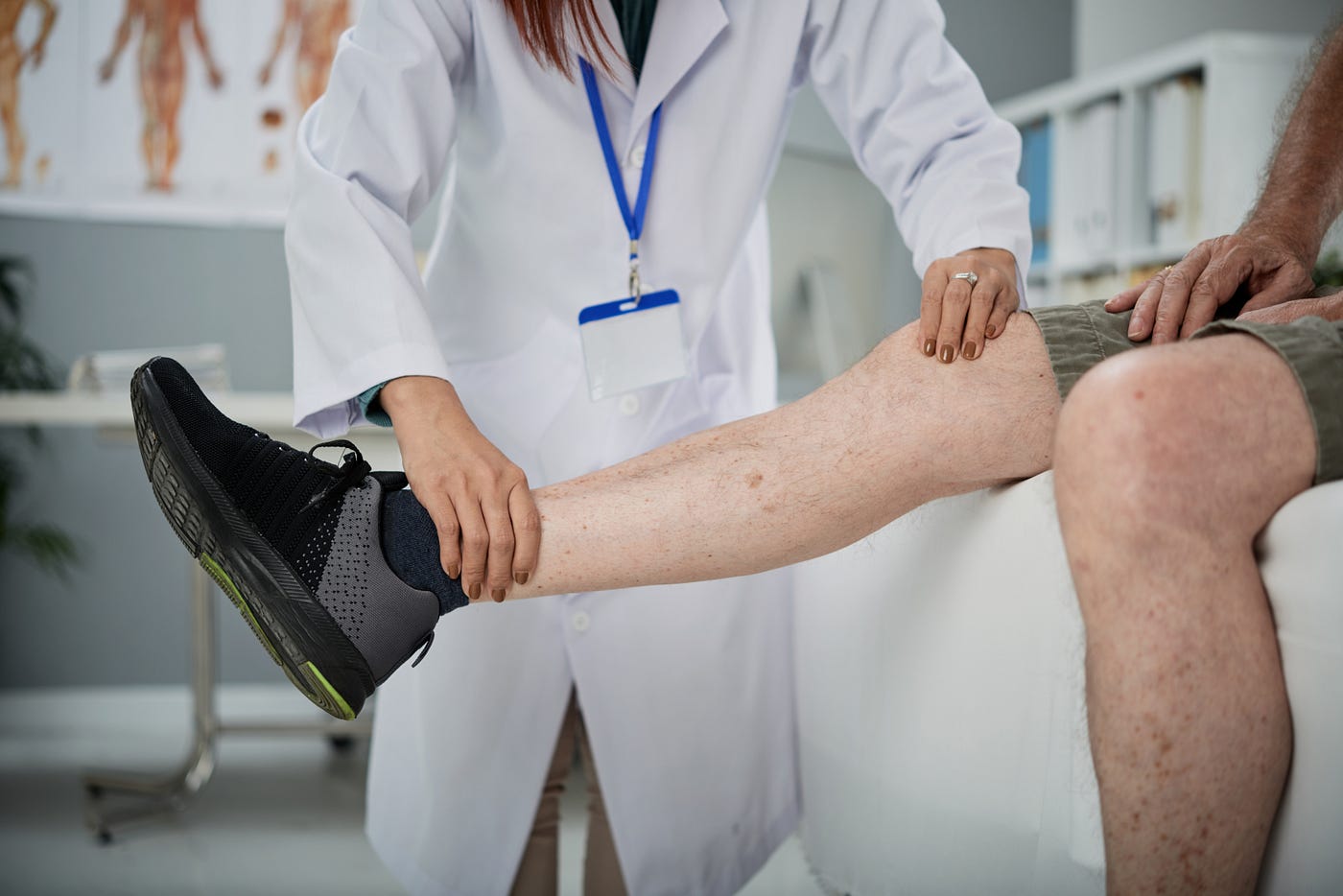
Knee Replacement Surgery
At Olir Super Specialty Hospital in Velachery a lot of patients with knee arthritis look for ways to treat their condition. They want to manage their pain and improve their movement before they think about having knee replacement surgery. One option they consider is PRP therapy.
What Is PRP Therapy?
PRP stands for Platelet-Rich Plasma. It is a treatment that uses a persons blood.
The process is pretty simple. It usually involves:
-
Drawing a sample of blood
-
Separating the rich portion using a special process
-
Injecting the platelets into the affected joint
Platelets have things in them that help our body heal and reduce inflammation inside the joint.
How PRP May Help in Knee Arthritis
Knee arthritis happens when the cartilage inside the joint wears down. This can cause a lot of problems like:
-
Pain
-
Stiffness
-
Swelling
-
Reduced movement
-
Difficulty walking or climbing stairs
PRP therapy can help by supporting our bodys natural healing process.
Some patients may feel:
-
Less inflammation
-
Improved joint movement
-
Less knee pain
-
Better day-to-day function
-
Improved activity tolerance
In some cases PRP may help patients stay active for longer before they need to have surgery.
Can PRP Completely Avoid Knee Replacement Surgery?
No it cannot.
PRP is more useful in cases of:
-
arthritis
-
Mild to moderate joint damage
-
Patients with remaining cartilage support
-
Individuals trying to delay surgery
However PRP may not work well in cases of:
-
Arthritis
-
Severe joint deformity
-
Significant cartilage loss
-
Long-standing mobility limitation
This is why PRP should not be seen as a guaranteed alternative to knee replacement in every patient.
Factors That Affect PRP Effectiveness
The success of PRP therapy depends on things, including:
- Stage of Arthritis
Patients with moderate arthritis may respond better to PRP therapy than those with severe joint damage.
- Age and Activity Level
Our physical activity, muscle strength and lifestyle can influence how well we recover and how much our symptoms improve.
- Joint Condition
The alignment of the knee, cartilage health and associated ligament or meniscus problems can affect the results of PRP therapy.
- Overall Health
Our general health, including conditions like obesity, diabetes, inflammatory disease or circulation issues can also influence the outcomes of PRP therapy.
PRP Is Usually Part of a Larger Treatment Plan
PRP is often used with:
-
Weight management
-
Physiotherapy
-
Strengthening exercises
-
Activity modification
-
Lifestyle changes
-
Pain management strategies
Our long-term knee health usually depends on a combination of treatments, not a single injection.
When Is Knee Replacement Usually Considered?
Knee replacement surgery may be considered when:
-
Pain becomes severe and persistent
-
Walking and daily activities are significantly affected
-
Joint damage is advanced
-
Non-surgical treatments no longer provide relief
-
Quality of life is reduced
The decision to have knee replacement surgery depends on symptoms, imaging findings, mobility and overall joint condition.
Why Proper Evaluation Matters
Not every knee pain requires surgery and not every patient with arthritis needs knee replacement.
At the time delaying appropriate treatment for severe arthritis can also affect mobility and quality of life.
Proper evaluation helps determine:
-
The stage of arthritis
-
Whether PRP therapy may be helpful
-
Which treatment approach is most suitable
-
Whether conservative care or surgical management is appropriate
Conclusion:
PRP therapy may help some patients with early to moderate knee arthritis reduce their pain improve their movement and potentially delay the need for surgery. However it is not a replacement for knee replacement, in every case.
The important step is understanding the condition of the joint and choosing the right treatment at the right time.
When it comes to knee pain the goal is not just avoiding surgery. It is finding the most effective way to maintain mobility, comfort and long-term joint function.
메타데이터
- post_id
- cc4fe747a915
- slug
- can-prp-help-avoid-knee-replacement-surgery-cc4fe747a915
- url
- https://medium.com/@robin23scott/can-prp-help-avoid-knee-replacement-surgery-cc4fe747a915
- canonical_url
- https://medium.com/@robin23scott/can-prp-help-avoid-knee-replacement-surgery-cc4fe747a915
- author_url
- https://medium.com/@robin23scott
- status
- ok
- fetched_at
- 2026-06-13 00:08:42
