Banning Kids From Social Media Won’t Save Them From Society’s Prejudice
But it will harm LGBTQ kids and other marginalized kids
Banning Kids From Social Media Won’t Save Them From Society’s Prejudice
But it will harm LGBTQ kids and other marginalized kids
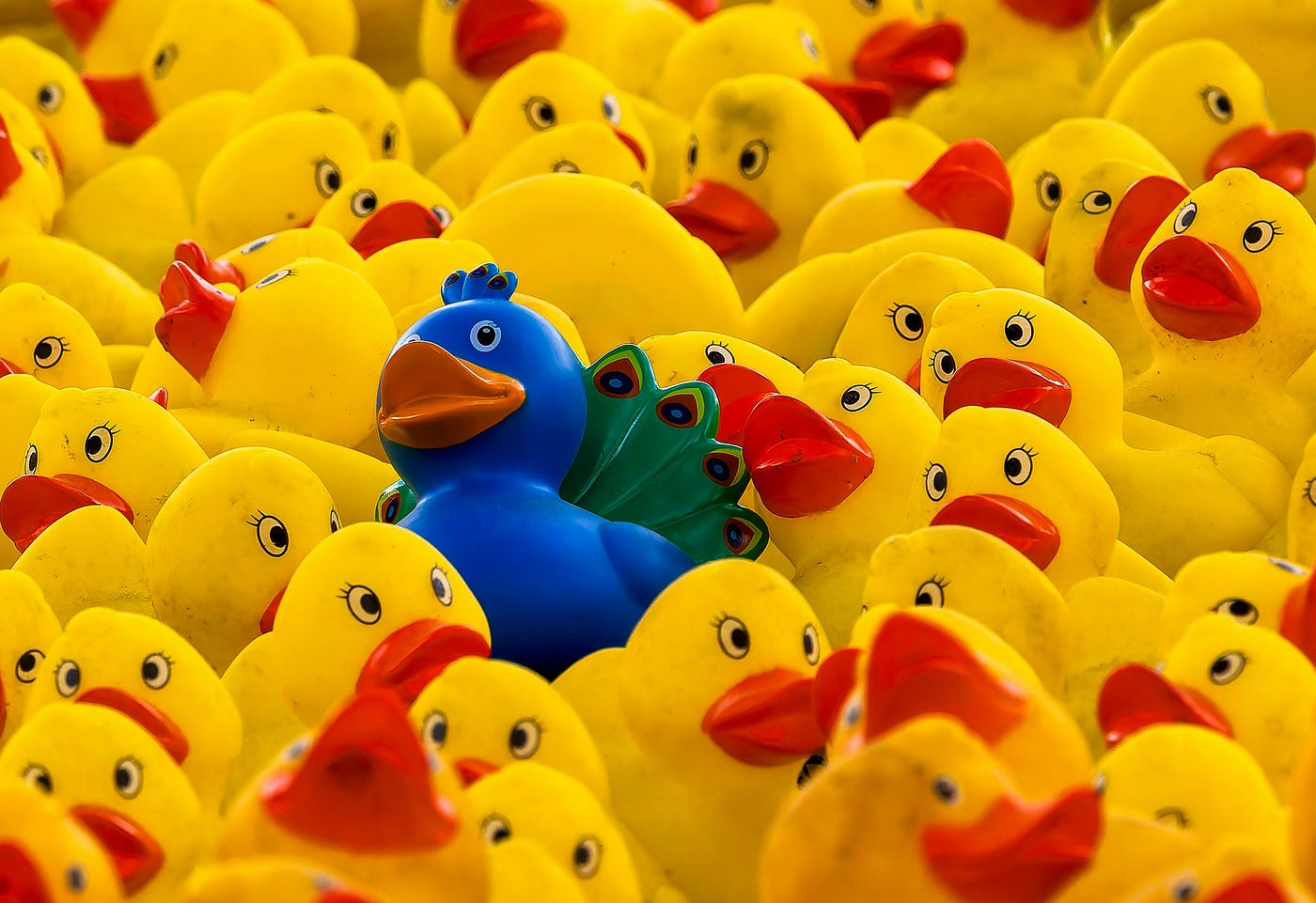
Photo by Los Muertos Crew
Non-Medium members can read this story here.
In response to concerns about young people’s use of social media, the UK government is currently consulting on the possibility of banning under-16s from using social media sites. The goal itself appears just: limiting young people’s exposure to harmful online content.
However, several children’s charities and experts on young people’s use of social media and the Internet have voiced concern. They say a ban could negatively affect young people — especially those who struggle to find offline community, such as LGBTQ+ youth and those with disabilities or neurodivergent conditions.
Those in support of a ban include Esther Ghey, the mother of murdered transgender teen Brianna Ghey, who cites Brianna’s use of social media to access content on self-harm and anorexia, which she claims made her miserable in the years leading up to her death.
The impact that online (and offline) transphobia might have had on Brianna is, however, conspicuously absent from Esther Ghey’s commentary. She isn’t the only one who seems to be avoiding the elephant in the room — the fact that harmful online content is merely a mirror of the longstanding systemic harms faced by young people offline.
Social media bad…
There is certainly some evidence that social media has harmful impacts on young people, including negative impacts on mental health and well-being, and exposure to cyberbullying which can lead to issues with anxiety and depression.
A caveat to this is that no research has been able to determine causality, and the evidence directly linking social media use to depression and anxiety is fairly weak. Researchers suggest the link could be bidirectional, or even the opposite: that poor mental health among young people, caused by other factors, could be driving problematic social media use instead.
An Australian government review found that young people’s social media use can expose them to extremism and radicalisation. In the UK, teachers have raised alarm bells over the influence of online “manosphere” influencers such as Andrew Tate on the misogynistic attitudes and behaviour of teen boys.
Teen girls report being exposed to misogynistic abuse, cyberflashing, and facing threats to share deepfake nude images — child sexual abuse content — created with AI tools such as Elon Musk’s Grok on his social media platform X.
…or social media good?
Conversely, there is also evidence that young people benefit from online community and social media use as well: it’s far more complex than a simple case of “social media bad”.
In particular, evidence indicates that social media use is beneficial for LGBTQ+ teens, for whom online LGBTQ+ spaces can help counter harmful heteronormativity, allow access to peer support not available offline, and aid in positive identity formation, in the context of an increasingly queerphobic society that views LGBTQ+ identities as something to be ashamed of.
For young neurodivergent people, such as those who are Autistic or have ADHD, research suggest social media can allow them to find others like themselves and provide the tools to better express themselves. For young people with physical disabilities, social media can help foster community and peer relationships, where they often face physical and social barriers in the offline world.
There are benefits, too, for young people living in care, as social media helps them build a network of other care-experienced young people and maintain contact with family members.
Furthermore, young people are often adept at managing their exposure to harmful content. They can curate what they see online, and filter out sources of abuse and harassment — in a way that they can’t do in the offline world.
So, while there are disadvantages to young people’s social media use, it’s clear there are also advantages, particularly for some of the most marginalised groups of young people in our society.
Unintended harms
It’s no wonder that a group of 42 child protection charities, children’s rights groups, and academics have argued that banning young people from social media would be a “blunt response” which would “risk unintended consequences that could leave children at greater risk of harm by treating the symptoms, not the problem”.
These unintended harms have already come to light in the wake of Australia’s social media ban for under-16s. Parents of disabled young people report their children have lost access to friends and “authentic connection”, in the context of an offline world which is inaccessible due to the physical and social barriers faced by those with disabilities.
As such, the concerns of children’s charities and young people themselves about the negative impacts of a ban aren’t abstract or hypothetical, but occurring in real time as the UK debates a similar ban. But then, maybe some of these harms are desirable for the government and the right wingers who egg them on?
Dr Hilary Cass, author of the infamous Cass Review, has said that she thinks social media has “misled” young people about trans care. Her review promotes (without evidence) the discredited theory of “social contagion” as a reason for an increase in young people coming out as transgender.
Given that social media aids in identity formation for queer youth, perhaps Cass and the government are hoping that a ban will “reduce” the number of transgender young people.
Or perhaps I’m just being overly conspiratorial.
Nonetheless, it’s noticeable that the media and those it has chosen to platform, such as Esther Ghey, have been quiet about the transphobia that has engulfed both offline and online culture in the UK. I guess that’s not the kind of harm they or the government are interested in preventing, given they are so often its source.
What they are interested in, apparently, is using the murder of Brianna Ghey to push a policy that will have a particularly negative impact on trans teens. And all while obfuscating the fact that she was trans; a fact which motivated her killers, young people influenced by a toxic climate of transphobic hate which the government, right wing media, and figures like Hilary Cass have fuelled.
Black mirror
The elephant in the room here is that all of the harms attributed to social media didn’t start there. Misogyny, bullying, queerphobia, radicalisation, and sexual abuse all happen in the offline world too — and have done for far longer than Facebook or TikTok have been around.
Many of these harms are, of course, caused by adults, and another issue that’s being ignored here is the way in which social media use among those over 16 impacts social attitudes, and what kind of offline world that creates for the young people the government’s proposed ban aims to protect.
Research published this week shows how use of the social media platform X pushes adults towards more conservative, right-wing views (as well as being a platform with a machine that produces sexual abuse content on demand).
Maybe we should ban everyone from social media?
Or maybe we should be regulating what’s on social media, and holding big tech companies accountable for the harm they cause, to children and adults alike.
Better still, we could create a society in which certain groups weren’t marginalised, and the kind of targeted hate we find both offline and online was viewed as shameful, rather than being commonplace and defended as “free speech” regardless of the harm it causes.
Recent years have seen a tidal wave of anti-trans content across the UK media. The government has sought to implement educational policy targeting transgender youth for exclusion that has been dubbed Section 28 2.0, enforce strict gender norms to use single sex spaces that have led to both cis and trans women being harassed, and curtailed women’s right of association with trans women, forcing women's groups to close.
For decades, successive governments and the media have demonised people with disabilities in the guise of tackling alleged welfare fraud. It seems that every few months we have a Big Story about how ADHD is overdiagnosed or doubting that it’s even a real condition (I can confirm it is a very real condition that affects my life in a very real way).
The media and politicians have continued to ramp-up xenophobic and nationalistic rhetoric against migrants and “non-white” British people, for years. The government’s pandering to groups like Reform, and major media outlets like the BBC platforming far-right groups have meant that the Overton Window has shifted drastically to the right, and cultural racism and xenophobia have become increasingly legitimised.
And now, in the wake of the Epstein Files we see sections of the media leaping to the defence of sexual predators like the former Prince Andrew and trying to launder the image of Epstein associates like Peter Mandelson, dismissing public outrage at an elite pedophile sex trafficking ring as a “moral panic”.
In many ways, the revelations in the Epstein Files are just the thin end of the wedge in societies where the media and legal systems have always put rapists before victims, smearing the former while characterising male sexual violence as simply “boys will be boys”: the government has utterly failed to address violence against women and the virtual decriminalisation of rape in the UK.
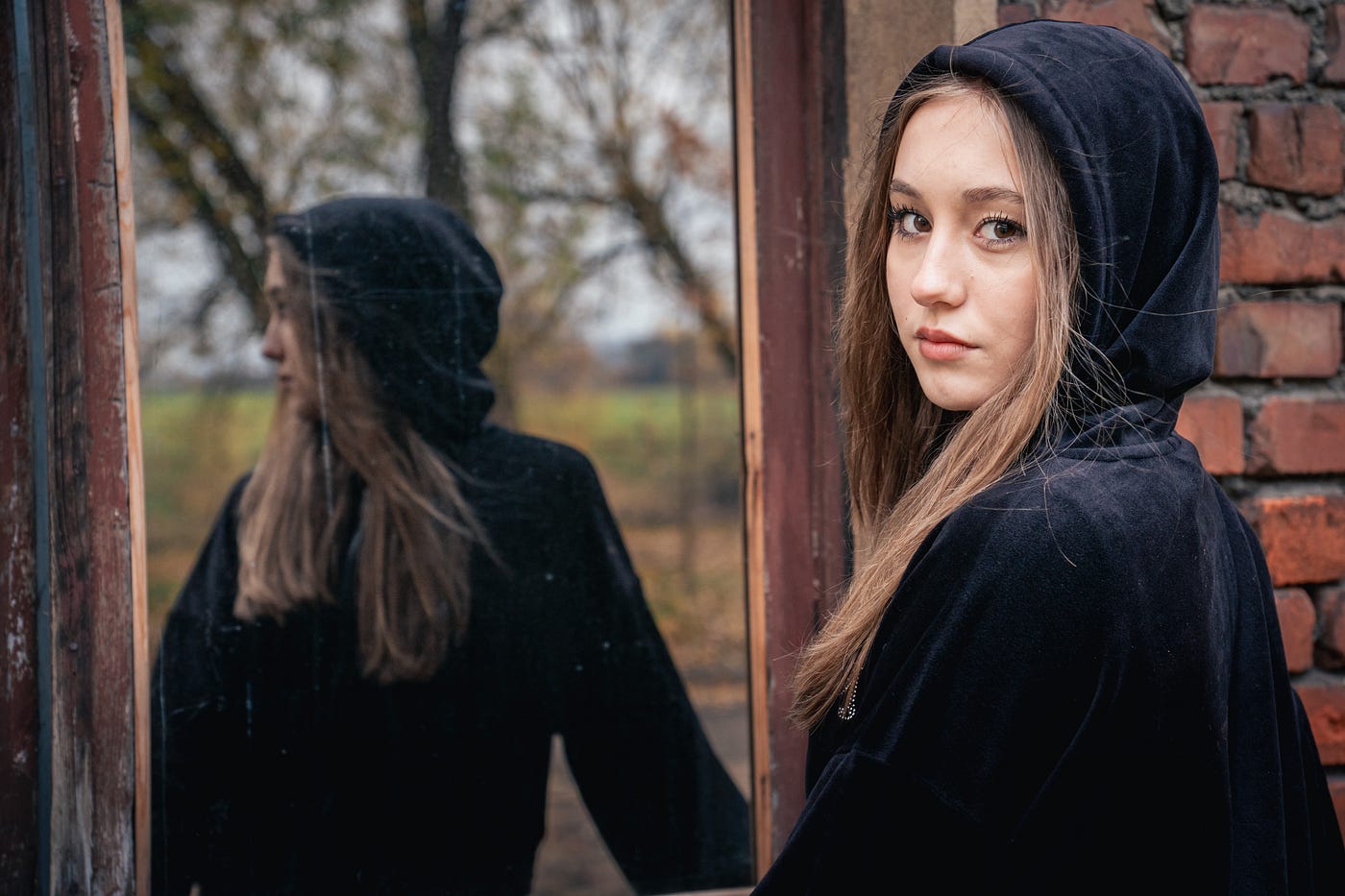
The issue of social media and too much screen time harming young people is simply a black mirror reflecting back the systemic issues in our society. Social media might amplify these problems in certain ways, but it is not their source.
What the ban is, really
Attacks against disabled people, women girls, queer people, and ethnic and religious minorities have all increased in recent years — an issue that affects teenagers from these targeted groups.
While social media has certainly played a role, the traditional media and politicians, including the government, are at the heart of the harmful ideologies that lead to behaviours that harm young people, both online or offline.
The social media ban is just another attempt by government to be “seen to be doing something” about an issue, while deflecting from the truth that it is at least in part responsible for the harms it is trying to mitigate — and will, according to the available evidence, cause more harms in doing so.
A fitting analogy here is the way in which we tell young girls not to wear “skimpy” clothing, or to walk home alone at night, to avoid predatory men: we place the onus on the victim to change their behaviour, rather than addressing the behaviour of abusers and predators.
A social media ban extends this logic to all young people: change your behaviour, don’t use the Internet, so you don’t fall victim to the abusers whose behaviour we aren’t going to do a single thing about — not least because we’re among them and we refuse to hold ourselves accountable or harm tech companies’ profits.
As a policy, it is dishonest, paternalistic, and harmful; a law to ostensibly protect children, which instead patronises and controls them while allowing abusive social media companies, government politicians, right-wing media, and the adults who produce harmful social media content off the hook.
Thanks for reading. If you enjoyed this article or found it useful and want to support my writing you can subscribe to get an email every time I publish and you can tip me here.
메타데이터
- post_id
- cc50af2eac57
- slug
- banning-kids-from-social-media-wont-save-them-from-society-s-prejudice-cc50af2eac57
- url
- https://medium.com/prismnpen/banning-kids-from-social-media-wont-save-them-from-society-s-prejudice-cc50af2eac57
- canonical_url
- https://medium.com/prismnpen/banning-kids-from-social-media-wont-save-them-from-society-s-prejudice-cc50af2eac57
- author_url
- https://medium.com/@kayluna
- status
- ok
- fetched_at
- 2026-06-14 13:58:26