Arterial vs. Venous Ulcers: How to Tell the Difference and Why It Matters
Arterial and venous ulcers are both open wounds that often appear on the legs or feet, but they come from different circulation problems…
Arterial vs. Venous Ulcers: How to Tell the Difference and Why It Matters
Arterial and venous ulcers are both open wounds that often appear on the legs or feet, but they come from different circulation problems. Knowing the difference matters because the wrong care approach can slow healing or increase risk. This article explains how these ulcers form, what they often look like, and why proper wound evaluation is important before treatment begins.
Why Knowing the Ulcer Type Matters
A leg wound is not just a surface injury. It can reveal how well blood is moving through the arteries and veins. Arterial ulcers develop when oxygen-rich blood cannot reach the tissue well. Venous ulcers form when blood struggles to return from the legs to the heart. Since each problem affects healing in a different way, the care plan should match the source of the wound.
Patients and caregivers should not rely on appearance alone. A sore near the ankle, heel, toe, or lower leg may require circulation checks, skin review, pressure assessment, infection monitoring, and dressing choices that fit the wound’s cause. In Ohio, for example, working with a local provider matters because regional care teams often understand nearby referral networks, home care needs, patient access issues, and the day-to-day challenges patients face. For someone comparing arterial and venous ulcers, having access to professional wound care services in Ohio can help connect the visible wound with the deeper circulation issue behind it.
A patient in Columbus with swelling, brown skin staining, and drainage around the inner ankle may need care focused on venous pressure and fluid control. A patient in Dayton with a painful toe sore, cool skin, and weak pulses may need urgent blood flow evaluation. Treating these wounds the same way can delay healing and miss the real cause.
What Arterial Ulcers Are
Arterial ulcers form when arteries cannot deliver enough blood to the skin and deeper tissue. Arteries carry oxygen and nutrients from the heart to the rest of the body. When arteries narrow or become blocked, tissue may weaken and break down, especially in areas far from the heart, such as the toes, feet, and heels.
These ulcers are often linked to peripheral artery disease, smoking history, diabetes, high cholesterol, high blood pressure, or age-related circulation problems. The wound may start after minor trauma, tight footwear, pressure from a shoe, or a small cut that does not heal.
Arterial wounds can be serious because tissue needs oxygen to repair itself. Without enough blood supply, the wound bed may look pale, dry, yellow, brown, or black. Pain can be sharp, especially at night or when the leg is raised. Some patients feel relief when the foot hangs down, since gravity may help blood reach the area.
What Venous Ulcers Are
Venous ulcers develop when veins in the legs struggle to move blood back toward the heart. Healthy vein valves help keep blood moving upward. When those valves weaken, blood can pool in the lower legs, raising pressure inside the veins and nearby tissue.
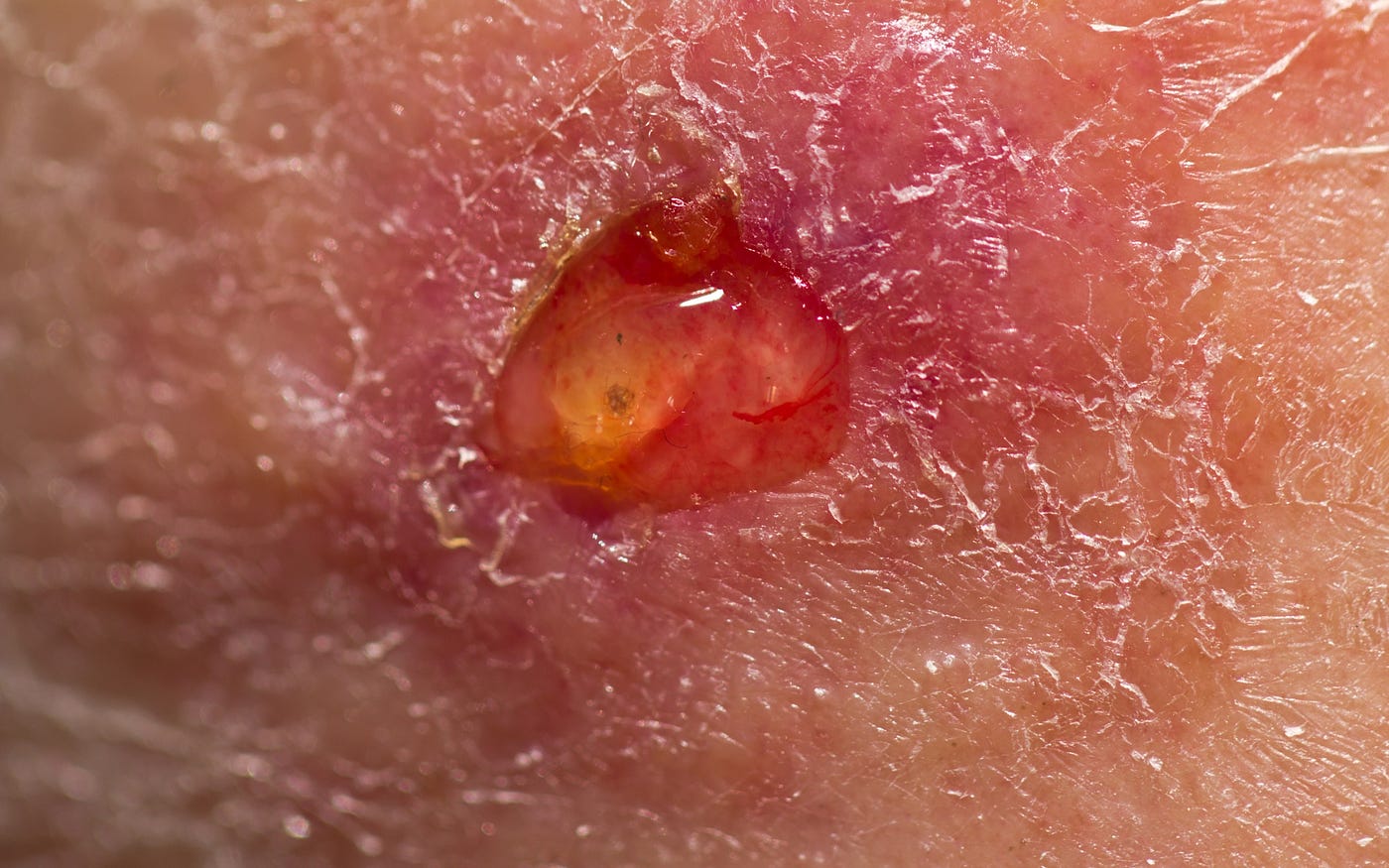
This pressure can damage the skin and make it easier for wounds to form. Venous ulcers often appear near the inner ankle or lower calf. They may have irregular edges, shallow depth, heavy drainage, and surrounding skin discoloration. The skin can look brown, red, scaly, itchy, or tight.
Swelling is common with venous ulcers. A person may notice that the leg feels heavier near the end of the day. The wound may improve for a while, then reopen if the vein problem is still active. This recurring pattern is one reason venous ulcers need more than surface-level dressing care.
Key Signs That Can Help Tell Them Apart
Arterial and venous ulcers can look similar at first, but several signs can help point toward the likely cause. Arterial ulcers are often found on the toes, feet, heels, or pressure points. They may look punched out, dry, deep, or pale. The surrounding skin may feel cool, thin, shiny, or hairless. The foot may have weak pulses, slow capillary refill, or color shifts when raised.
Venous ulcers usually appear near the ankle, especially the inner ankle area. They are often shallow, irregular, moist, and draining. The surrounding skin may show swelling, warmth, brown staining, thickening, or eczema-like irritation. Pain may improve when the leg is elevated, since elevation helps reduce venous pressure.
Pain patterns also matter. Arterial ulcers can cause severe pain, especially during rest or at night. Venous ulcers may ache, throb, or feel heavy, often worse after standing or sitting for long periods. These signs are helpful, but they do not replace a professional assessment.
Why Treatment Should Match the Cause
The main reason proper diagnosis matters is that arterial and venous ulcers often need different treatment priorities. Venous ulcers commonly need swelling control, leg elevation, appropriate dressings, skin protection, and compression when safe. Compression can help reduce fluid buildup and support blood return, but it must be used carefully.
Arterial ulcers require a different focus. Since poor blood supply is the main problem, care may involve vascular testing, protection from pressure, infection control, and referral for artery treatment when needed. Strong compression can be unsafe if arterial blood flow is poor. This is why circulation screening is important before using compression therapy.
Dressings also need to fit the wound. A heavily draining venous ulcer may need absorbent dressings that protect nearby skin. A dry arterial wound may need a different moisture approach and close monitoring. Matching treatment to the wound cause helps reduce avoidable delays.
When a Wound Needs Prompt Attention
Any leg or foot wound that does not improve should be assessed early. Warning signs include increasing pain, spreading redness, warmth, swelling, foul odor, pus, fever, black tissue, sudden color shifts, or a cold foot. A wound in a person with diabetes, poor circulation, nerve loss, or immune problems needs extra caution.
Arterial symptoms should be taken seriously. Pain at rest, a wound on the toes, a foot that turns pale when raised, or a weak pulse can point to poor blood flow. Delaying care may raise the risk of infection, tissue loss, or more serious complications.
Venous ulcers also deserve timely treatment. Heavy drainage, worsening swelling, and repeated reopening can damage the skin further. The sooner the root cause is addressed, the better the chance of controlling the wound environment and preventing the cycle from continuing.
Conclusion
Arterial and venous ulcers are not the same, even when both appear on the lower legs or feet. Arterial ulcers usually come from poor blood delivery, while venous ulcers come from poor blood return. The location, pain pattern, drainage, skin appearance, and temperature of the limb can offer clues, but a proper wound and circulation assessment is still the safest path.
The right treatment starts with the right question:Whyy is this wound not healing? Once the cause is clearer, care can focus on restoring the best possible healing conditions, reducing risk, and protecting the skin from further breakdown. For patients and caregivers, knowing the difference can lead to faster action, safer decisions, and better wound outcomes.
메타데이터
- post_id
- cc6d998f2f0e
- slug
- arterial-vs-venous-ulcers-how-to-tell-the-difference-and-why-it-matters-cc6d998f2f0e
- url
- https://medium.com/@woundcarehub/arterial-vs-venous-ulcers-how-to-tell-the-difference-and-why-it-matters-cc6d998f2f0e
- canonical_url
- https://medium.com/@woundcarehub/arterial-vs-venous-ulcers-how-to-tell-the-difference-and-why-it-matters-cc6d998f2f0e
- author_url
- https://medium.com/@woundcarehub
- status
- ok
- fetched_at
- 2026-07-15 05:28:05