Day 50 : feminist reminders
This post is not going to look like one coherent story. There have been so many small incidents and big moments that have taken place in the three weeks that I just need to list them down for myself and everyone because they are worth remembering, and sharing.

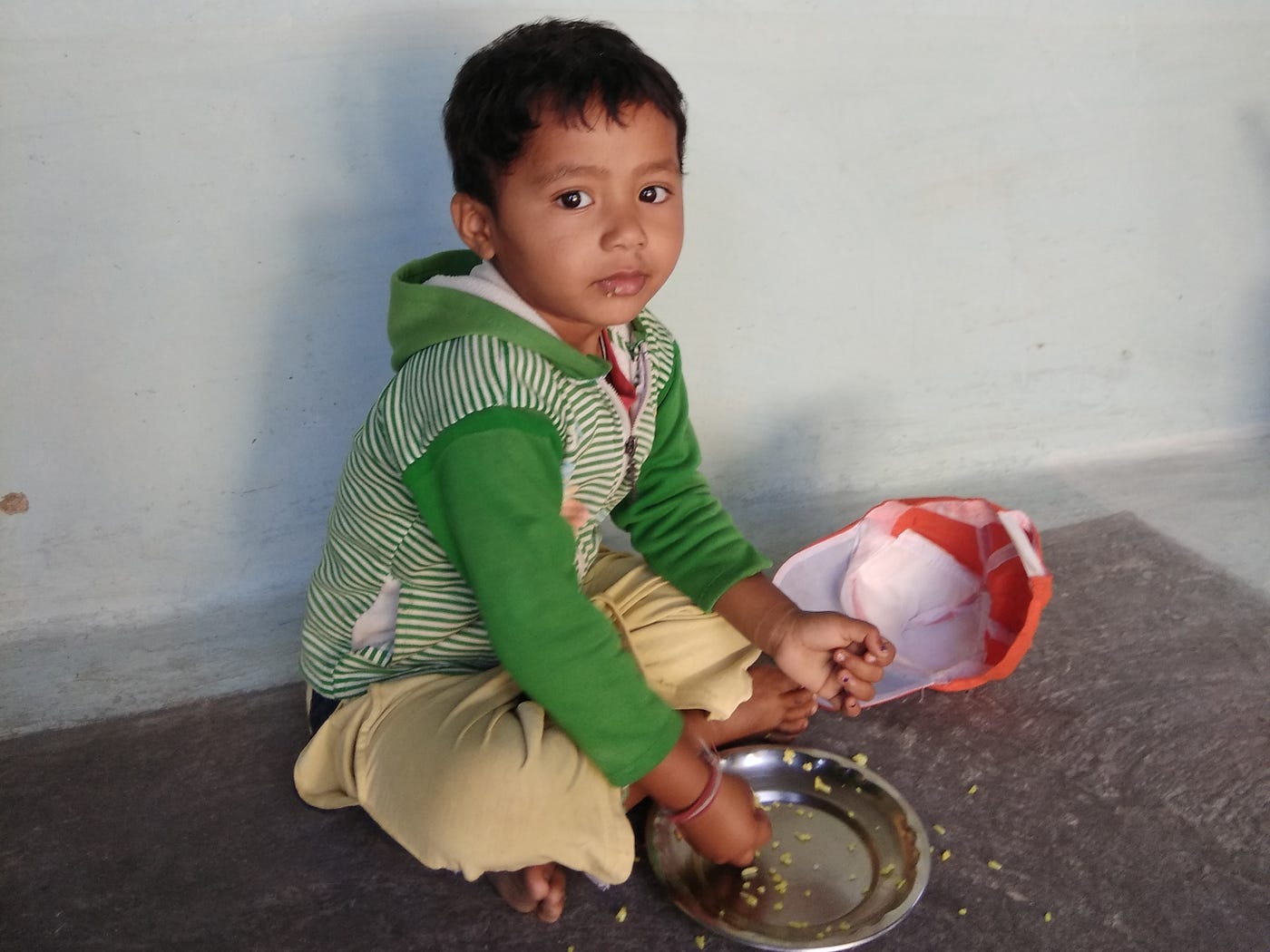
Some time during the last month, I visited a village named Mouhari, around 6kms from where I currently live (I've been living in Kelhari, a town-ish tribal village in Koriya, Chhattisgarh, for those of you who lost track) and met Janaki didi, who had a mulberry bush in her courtyard and if you follow me on instagram, you probably know how emotional I was on that day because mulberries are my ABSOLUTE FAVOURITE. If you ever visit Kelhari or the villages around it, remember to ask for 'thooth' and you'll thank me later. When I mentioned to her that I like mulberries, she said "Didi aap lelo na, jitne chahiye" (take however many you want, didi) and I think I could hear my heart singing. She was in the kitchen making sabzi for lunch and was telling me how kids from the neighbourhood are always loitering about in their house, picking mulberries from the ground because they can't always reach the branches. Boondhbai didi, who was accompanying me, taking me around from house to house, immediately started picking mulberries from the ground gathering them in her pallu for me and I proceeded to pluck some from the branches (again, because farm noob). Both these women seemed like they were of the same age, considering they both had kids of the same age. We continued picking mulberries, as the two women happily broke into some conversation that I could barely keep up with, given their dialect and their accent. The conversation slowly drifted and they diverted their focus to me and they started asking me questions about my time in Delhi, my course, my plans for marriage etc.
Most people I met here are surprised that I've not thought about marriage yet, and these two women weren't any different. They told me they were both around 15 years old when they got married and were probably 17 or 18 when they had their first child. This is a very common phenomenon here - girls are 'allowed' to study till their 12th grade, in very few cases. And if their families are progressive, they get to complete their diploma or even graduation, in extremely rare cases. For almost all of them, the cited issue is that there aren't any colleges within their access - they'd have to travel at least 60 kilometers to get to the nearest college. This college offers 3 courses and is co-ed. So the seemingly obvious response of the families to this situation is to get the girls married. Yes, the boys get married too. But their lives barely change when they get married here, and the opposite is true for the girls.

Every Saturday, there’s a market that sprouts up in Kelhari and people from the neighbouring villages all come here to stock up on their groceries for the week. You’ll also find people selling essential items like seeds, gamchas, pots, spades, Chhattisgarhi music CDs etc. During our second or third week here, I decided to take a casual stroll in the vegetable/fruit area of the market. The vast varieties of something as basic as aloo, the colours, the smells, the freshness, the prices, they all really filled my heart. I was particularly fascinated with one type of aloo, popularly known at guti aloo in Assam. I know this because I obsessively follow Chef Thomas Zacharias from The Bombay Canteen on instagram. Seeing him go about his mission to only source and cook with seasonal, locally grown produce, and make more people aware of the lesser known local/regional dishes is an absolute delight. Guti aloo is the size of a marble (and hence the name), and I managed to get 1.5kg of this in 10 rupees. Will write more on the importance of growing and eating locally grown food later. But for now, getting back to this colourful and bright Kelhari market, one very non-so-bright thing you’ll observe here is that there are barely any women selling stuff at the market. From vegetables to sarees to fresh fish, everything was being sold by men. You’ll probably spot one or two women scattered in the vegetable rows selling their farm produce but that’s about it. This is because 'business transactions' or dealing with money is still considered a man’s job, even though the producers of most of what’s available in this market might have, in almost all cases, been women.
The market typically starts around early evening and gets wrapped up by 8pm. If you’re a woman, going back home to a nearby village from Kelhari at 8pm is undoubtedly and in all cases, a nightmare. You’ll find one too many drunk men loitering in the market area at that time. The one 'pakka' road that runs through Kelhari connecting several other villages, has absolutely no lights of any kind. And there’s absolutely no public transport available in this area. No share autos. No rickshaws, electric or otherwise. No mini vans. No tempos. Imagine this - the only options you have if you’re a women coming to the Kelhari market, is to leave when the over-crowded SUV leaves. I once counted 13 people sitting in one SUV that was heading out from the market, no joke. God forbid, you need extra time to do your shopping and want to take another stroll to check out the street where there’s phulki (pani puri) and samosa.

As I was observing all these issues over the weeks, I thought about all the times I’ve read or heard or engaged with people talking about feminism, it has mostly been about 'elite-urban feminism’. About how our workplaces, educational institutions, homes, and supposedly democratic public spaces are just not made to be conducive for women-folk.
But where do you even start with feminism when you see women having to defecate secretly after sunset out in the forest where there are animal attacks that happen every day, only because there’s no structural provision for them to do so in their own house. Where do you start with feminism when you see women spending all day, every day working non-stop cleaning, cooking, washing, fetching water, rearing cattle, raising children but still need to 'take permission' to outside the house from their husbands who while away their time playing cards. Where do you start with feminism when you cannot afford to buy a sanitary napkin and the cotton cloth you use when you’re menstruating is expected to be dried away from the other clothes, usually ending up around unhygienic places because it’s something that you’re supposed to be ashamed of, all this while you’re not allowed to enter the kitchen because you’re ‘unclean’.
If you’re a women who is able to access the interweb and read this blog written in English on a laptop/phone of your own, I can safely say that the feminism which applies in your life, is not the feminism that applies in the lives of Boondbai or Chachiji or Preeti didi or any of these tribal women living here. Recognizing the intersectionality of oppression that these women are systemically subjected to, that tribal feminism, Muslim feminism, Christian-dalit feminism, North-eastern working class feminism and many other kinds of intersectional feminisms are all different and necessary, is what we elite-feminists absolutely cannot afford to miss, in our talks/ blogs/ conversations on feminism every single day. These women here don’t need a feminism where they have equal opportunity as their male-counterparts. What they need is a society where there’s no oppression by virtue of their religion, caste, gender, class or disability. A society that respects them for who they are, where equal opportunities for development are available to them, where our systems and structures give them access and agency, instead of disabling them. During my time here, I’ve closely seen how some development organizations approach this issue. They work on creating community institutions where women are provided with the space to speak about their challenges, build and foster their own leadership, push for structural changes and work towards their own development. As a result of these interventions, I’ve seen women my age, lead fantastic village-level meetings inspiring other women to think/talk about financial management, taboos around menstruation, mango plantations, participation in panchayat meetings, ground water recharge etc. This seems like an acceptable approach but I keep wondering if there’s more - more that can be done to really ensure development that is FOR these women.

This experience of living here in a tribal village for about 7 weeks now, been an such a big reminder for me to think critically about the kind of feminism that I some times tend to advocate. It’s a reminder that our sisters face oppression very VERY differently than I do and that within my privilege of being an English-educated, urban woman, it becomes my responsibility to stand up for all kinds of feminism, not just my own.
메타데이터
- post_id
- cca90c8a1ae0
- slug
- this-post-is-not-going-to-look-like-one-coherent-story-cca90c8a1ae0
- url
- https://medium.com/@ravalipid/this-post-is-not-going-to-look-like-one-coherent-story-cca90c8a1ae0
- canonical_url
- https://medium.com/@ravalipid/this-post-is-not-going-to-look-like-one-coherent-story-cca90c8a1ae0
- author_url
- https://medium.com/@ravalipid
- status
- ok
- fetched_at
- 2026-07-30 04:09:04