Influence of Photobiology on Cannabis Growth and Development
Cannabis is one of the earliest plants known to mankind, for food, medicine, fiber as well as spiritual practices. Cannabis plants can…
Influence of Photobiology on Cannabis Growth and Development

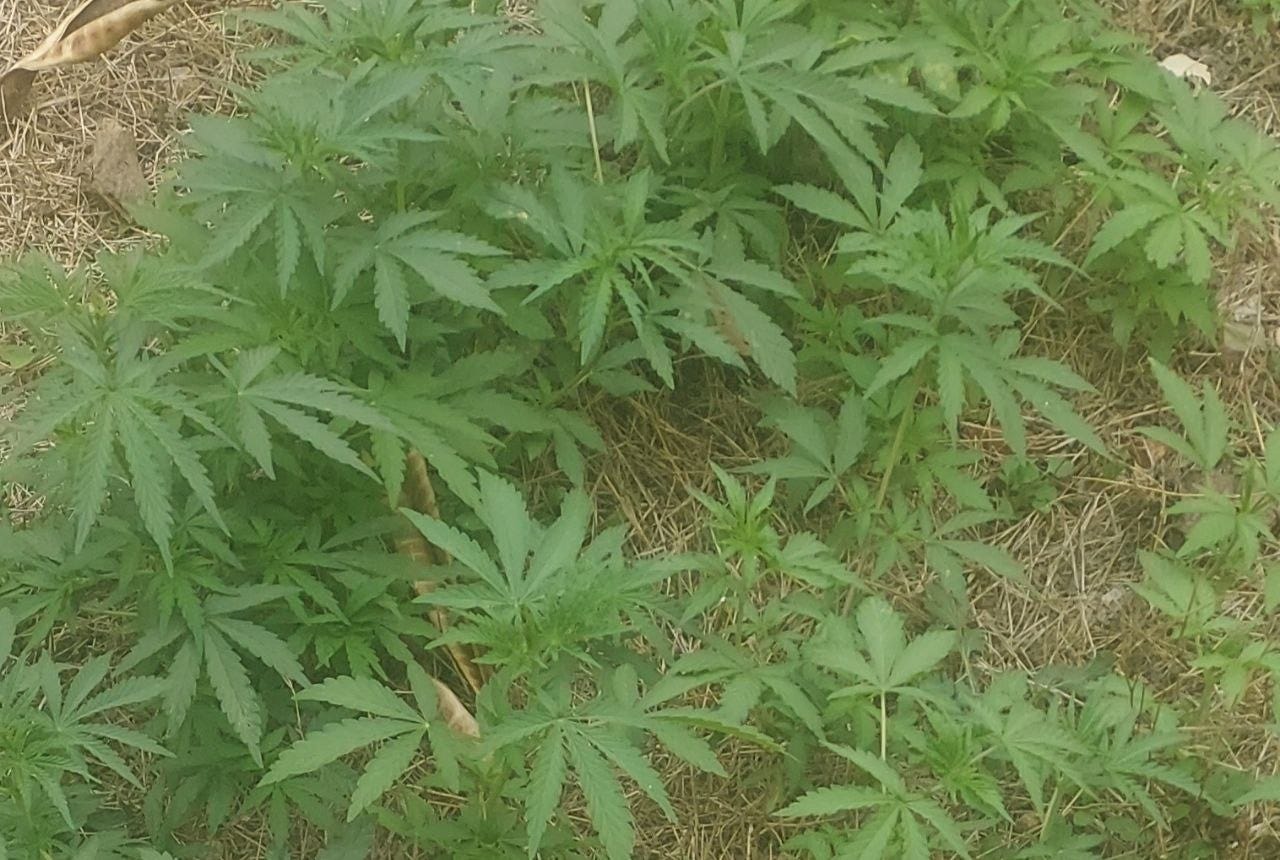
Cannabis is one of the earliest plants known to mankind, for food, medicine, fiber as well as spiritual practices. Cannabis plants can produce and accumulate up to 60–85 different cannabinoids in their developing structures mainly flower, that have a psychoactive effect upon its consumption. The most prominent cannabinoids that are produced in cannabis are namely, Tetrahydrocannabinol (THC), cannabidiol (CBD), and cannabinol (CBN), the main byproduct of THC degradation. THC is deemed to be the most potent psychoactive compound. The research on its pharmacology is extensive and is still in its nascent stage. However, CBD has gained a lot of attention in the past years because of its potential therapeutic properties for the treatment of pediatric epilepsy, which at times could be unmanageable. It is a common misconception that there is only one species in the genus Cannabis. Three subspecies, however, can be distinguished as Cannabis sativa, Cannabis indica, and Cannabis ruderalis. Their THC and CBD ratios are different but contradictory. These differences, however, are essentially meaningless in today’s market because crossbreeding has produced new strains. The least known subspecies, C. ruderalis, has poor plant yields and is not grown for commercial purposes (Eichhorn Bilodeau et al., 2019).
Cannabis production is experiencing a rapid expansion in the global market due to changes in the legal status of the product. Few countries in the world have allowed the use of cannabis for recreational and medical purposes. Among all other countries, Canada is the second nation to do that. Industry and researchers can collaborate to investigate the unexplored scientific properties of this previously prohibited plant thanks to its complete legalization. Despite being used for medicine (flower), food (seeds), and fiber (stems) for the majority of human history, cannabis has been listed as an illegal drug to this day in many parts of the world. This led to a paucity of published scientific literature, in the past. However, with gaining popularity and relaxed laws around the plant, in a few countries such as Canada and Korea, researchers have started studying and learning about this plant (Eichhorn Bilodeau et al., 2019). High light levels are essential for maximizing cannabis growth during the vegetative growth stage, and proper control over the photoperiod is required to start flowering. Indoor cultivation of cannabis plants requires high energy inputs. Growing cannabis indoors has unparalleled advantages such as uniform canopy growth, with consistent cannabinoid yield, that ultimately result in a high-quality product. However, due to high energy consumption, commercial cannabis production is now been considered one of the fastest-growing, energy-intensive industries in the US. This is why choosing the optimum spectrum and light source for indoor cultivation of cannabis is critical since they affect operating expenses and, in turn, the cost of the final product. Growers in the general horticultural sector manipulate plant morphology, secondary metabolism, and flowering by applying varying light spectra and intensities. Nonetheless, because there aren’t many peer-reviewed studies on cannabis production, commercial growers in the sector continue to rely on inaccurate information. The effect of different wavelengths on photomorphogenesis and photosynthesis has been thoroughly studied in greenhouse crops. However, cannabis is relatively a new crop due to its recent legalization status and therefore much more work is needed to understand the impact of various wavelengths on its growth and development. This report describes recent advancements and how experiments have led to our current understanding of cannabis production. Horticultural scientists carried out plant photobiology experiments to optimize cannabis production protocols and maximize yields of both terpenes and cannabinoids (Eichhorn Bilodeau et al., 2019).
Project Overview
The scientific study of light’s or photon’s (non-ionizing radiation) positive and negative interactions with living things is known as photobiology. Studying photophysics, photochemistry, photosynthesis, photomorphogenesis, circadian rhythms, photomovement, bioluminescence, and UV radiation effects are all included in this field (Eichhorn Bilodeau et al., 2019). A photon is an elementary particle. Since photons have no mass, in a vacuum, they always travel at the speed of light. The photon is a member of the boson class. Like all elementary particles, photons display wave–particle duality, meaning that both waves and particles can be found in their behavior. At the moment, quantum mechanics provides the best explanation for photon behavior. Molecules that come into contact with photons can absorb their energy and become excited. After that, they can interact with nearby molecules to cause “photochemical” and “photophysical” modifications to molecular structures. To put it another way, plants use the fundamental basics of quantum mechanics to move energy from one chromophore (a photosynthetic molecule) to another until it reaches what is known as the reaction center, which is where photosynthesis, as it is defined classically, occurs (Fernandez, 2023). Therefore, it is of utmost importance to understand the role of photobiology and its role in plant growth. Moreover, understanding these aspects could potentially help growers minimize their energy needs while driving profitability in commercial cannabis production.
Literature Review
Light and Photosynthetically Active Radiation (PAR) Most significant environmental factors influencing the growth and development of plants in light. Visible light that reaches Earth’s surface, which is made up of nearly half of all solar radiation has wavelengths between 400 and 740 nm. The other half of the total incident solar radiation comprises invisible ultraviolet (UV) radiation (10–400 nm) and infrared radiation (700nm–1 mm) which surround visible light. These three electromagnetic spectrum’s wavelength regions are the most important to biological systems. Violet (~400–450 nm), blue (~450–520 nm), green (~520–560 nm), yellow (~560–600 nm), orange (~600–625 nm), red (~625–700 nm), and far-red (FR; > 700 nm) are among the wavelengths of light that are considered visible. Most significant electromagnetic spectrum for plants encompasses visible light and is known as PAR (400–700 nm) (Eichhorn Bilodeau et al., 2019).
The Basis of Photosynthesis Photosynthesis is essential to plant growth. For plants to produce food, they require three essential ingredients: light, water, and carbon dioxide. Chlorophyll is a pigment that absorbs red and blue light wavelengths. It gives the plant a green appearance by reflecting light at different wavelengths (Eichhorn Bilodeau et al., 2019). Things become even more fascinating at the molecular level. When a photon particle falls onto the leaf surface, the portion of a molecule that controls whether the light particle gets reflected or absorbed is known as a chromophore. An electron in a chromophore is excited when a photon particle is absorbed. This initiates a sequence of events that culminate in the production of sugars for the plant. We now refer to the electron and the empty space it left behind as a hole. An exciton is a pair of an electron and a hole. The exciton moves to a different site, in our case, plants, where the organism produces sugars. Plants use quantum mechanical mechanisms in photosynthesis while transferring energy from the leaf’s surface to the reaction core. Recently, researchers from the University of Chicago have tried to recreate the chemical functions of leaves in an artificial environment to understand this “quantum” phenomenon, in a detailed manner and how can plants accomplish this marvelous feat so easily. It turns out that a peculiar biological state of matter called a Bose-Einstein condensate, or the fifth state of matter, can arise in plants. What is even more bizarre for scientists to understand, is the fact that these condensates, or “quantum energy states” are usually found at temperatures close to absolute zero. It is a surprise that they are all around us on a typical, mild spring day (Fernandez, 2023).
In a particular environment, photosynthetic rate have a strong influence on plant productivity. The intricate series of processes known as photosynthesis is how phototrophic and plant cells transport, store, and convert solar radiation in the form of carbohydrates. The chloroplast is a plastid organelle that contains chlorophyll and converts solar energy into different form of energy. It is where photosynthesis takes place. Chloroplasts are mainly concentrated in the parenchyma cells of the leaf mesophyll, namely palisade and spongy mesophyll cells. Within the chloroplast, there are flattened and disc-like structures, known as thylakoid. The network of stacked thylakoid disks is referred to as granum. Photooxidation-reduction reactions that occur during photosynthesis take place within the chloroplast. Within the chloroplast, the third internal thylakoid membrane system houses these reactions (Eichhorn Bilodeau et al., 2019).
Synthesis of carbohydrates is powered by energy carrier molecules such as ATP and NADPH and is regulated by the simultaneous synthesis of these moieties. This conversion of light energy into chemical energy is initiated by the electron transport chain which is dependent on the five-membrane protein complexes that are embedded in the thylakoid membrane. Among these are the two primary centers of photosynthetic light reaction, the membrane protein photosystem I and II complexes (PSI and PSII), which are named in opposition to the order in which they were discovered and have evolved in nature. To maximize the capture and transfer of irradiated solar energy, arrays of related chlorophyll and carotenoid antenna pigments — molecules involved in harvesting light energy for photosynthesis — are arranged in the aforementioned, photosystems. The absorbance spectrum, which is a particular wavelength absorbance pattern for plant pigments, is shown in Figure 1 (Eichhorn Bilodeau et al., 2019).

Figure 1: Different plant photosynthetic pigments with relative absorbance spectra in acetone (Eichhorn Bilodeau et al., 2019)
In Photosystem II, photons excite electrons in the chlorophyll molecules, causing them to transition to a higher energy state. Subsequently, these “excited” electrons lose some of their energy as they travel through an electron transport chain. By pumping hydrogen ions (H+) into the thylakoid space, this energy is utilized to create a concentration gradient. Following their passage to Photosystem I, the high-energy electrons are reenergized by light and subsequently transferred to the NADP+ carrier molecule to form NADPH. As a byproduct of the process of replacing the lost electrons in Photosystem II, water molecules split, releasing oxygen. A protein known as ATP synthase facilitates the flow of H+ ions back across the thylakoid membrane. This results in an H+ ions gradient, across the membrane. This flow is responsible for converting ADP into ATP, which is then used to store energy as a molecule known as “energy currency”, as shown in Figure 2 (Eichhorn Bilodeau et al., 2019; Fernandez, 2023; Ralls, 2024).
Light-Independent Reactions (Calvin Cycle) The second stage occurs in the chloroplast stroma and is not reliant on direct sunlight. It is sometimes referred to as the “synthesis” phase. At this stage, carbon dioxide (CO2) is converted into glucose by utilizing ATP and NADPH that were produced during the light-dependent reactions. One set of reactions that is a part of the process is the Calvin Cycle. CO2 is taken up from the atmosphere by an enzyme called RuBisCO, which then attaches itself to the 5-carbon sugar ribulose-1,5-bisphosphate (RuBP). As a result, an unstable 6-carbon compound is created, which quickly divides into two 3-carbon molecules. These three-carbon molecules combine with ATP and NADPH to form glucose and other carbohydrates through a series of reactions. In order to maintain the cycle, RuBP is also renewed. The carbon cycle relies on photosynthesis to regulate the atmospheric concentration of carbon dioxide. It is also the process that produces the oxygen in the air that is breathed by humans and other animals. The concept of photosynthesis has also sparked a number of scientific developments, including solar power technologies and attempts to create artificial photosynthesis for the production of energy (Ralls, 2024).

Figure 2: Thylakoid membrane with photosynthetic protein complexes and sites of bicarbonate action (Björn, 2022)

Figure 3: Solar energy is converted into chemical energy in the form of glucose, within the chloroplast during photosynthesis and the converted chemical energy in the form of glucose is utilized by plants to make ATP in the mitochondria during the process of cellular respiration, while some energy is lost to the environment as heat (Credits: Mariana Ruiz Villarreal (LadyofHats) for CK-12 Foundation, Source: CK-12 Foundation, License: CC BY-NC 3.0)
Standard Units for Plant Lighting and Photosynthetically Active Radiation (PAR) While selecting a lighting system appropriate quantity and optimum quality of light must be taken into consideration for cultivating any plant indoors. McCree’s 1970s research provides most of what we currently know about the spectral quality of photosynthesis. It was reported that plants can effectively transport and utilize radiant solar energy for photosynthesis that ranges from approximately 400 to 700 nm. Now commonly known as PAR, it is the measure of the intensity and rate of light energy per surface area emitted by a light source from within the action spectrum of plants (measured in μmol m−2 s−1). To do this, the absorption spectrum of the leaf fragments was measured using a spectrophotometer within an integrating sphere. A correlation was made between the light intensity (W m-2) and a certain rate of photosynthesis by irradiating light from a monochromatic light source. This made it possible to calculate for 22 crop plant species the “photosynthetic spectral quantum yield”. In other words, the amount of CO2 absorbed per mole of photons absorbed, by plant leaves. An infrared gas analyzer was used to calculate the CO2 uptake rate based on CO2 differentials between the monochromatic band of light and the absence of light. A wavelength range of 350 to 750 nm was assessed with waveband increments of 25 nm during the assay. Two primary peaks were observed along with one secondary peak at 440nm, 620 nm, and 670 nm, respectively (Eichhorn Bilodeau et al., 2019).
This was made possible by McCree’s research, which began by defining a plant’s Photosynthetically Active Radiation (PAR) curve. “PAR curve” is a term used to describe the light’s spectrum and wavelengths that are best used for chemical energy storage and glucose synthesis by plants. Photosynthesis is driven by quantum particles known as photons and therefore could be referred as quantum photochemical process. McCree stated that PAR must be quantified in units such as photon flux or density. As a result, a stronger correlation could be made with the plant’s photosynthetic rate. During photosynthesis for approximately every 10 photons absorbed by leaves, one molecule of carbon is fixed while one oxygen molecule is evolved. Both photon flux density (μmol m−2 s−1) and radiant flux density (W m−2) are frequently used units of measurement when reporting plant lighting systems. Estimation of plant yields using radiant flux density for blue light over red light is generally high. However, this error of estimation in the plant’s yield could be rectified when irradiated energy is expressed in the units of photon flux density. Hence it is wise to represent PAR in quantum units rather than conventional energy units, such as photosynthetic photon flux density (PPFD, μmol m−2 s−1). PPFD is generally accepted as the most accurate estimate of potential photosynthetic flux currently available due to its positive correlation. Ideally, PPFD values should be integrated to determine PAR, within the limits of the light that is utilized by plants for carrying out the process of photosynthesis (Eichhorn Bilodeau et al., 2019; McCree, 1972; Sager et al., 1988).
Based on McCree’s research on the light that is utilized by plants for photosynthesis, values of photon flux are integrated using the PAR spectrum. Moreover, a real-time assessment of possible photosynthetic activity with measured light source outputs is provided by PPFD. It was established by McCree over four decades ago that the process of photosynthesis should be quantified in quantum units such as PPFD. Even though, photometric units based on how the human eye responds to brightness rather than how plants respond or interact with light, such as lux, lumens and foot candles are still used. Human eyes are more sensitive to green light rather than blue or red light. Because green light is more sensitive to human vision than red or blue light, these photometric units were created taking into account how the eye reacts to brightness. The majority of research on cannabis plants has been carried out at light intensities between 300 and 2000 μmol m−2 s−1, which exceeds the standard threshold for greenhouse crops and spectral quality research. In this case, cannabis plants’ photosynthesis must have a certain spectral quality to maximize growth. Most studies on cannabis plants were conducted at light intensities of 300–2000 μmol m−2 s−1. This is typically higher than most studies on spectral quality and what is typically used for greenhouse crops. In this instance, the cannabis plants needs to be grown under a specific spectral quantity and quality to maximize yield (Eichhorn Bilodeau et al., 2019; McCree, 1972).
Light Compensation and Saturation Points Between the saturation point and the compensation point for light, there is a linear increase in PPFD that is correlated with both plant growth and photosynthetic rate. The point at which a plant’s respiration and photosynthetic activity are equal and the CO2 released during respiration is equal to the CO2 used during photosynthesis is known as the light compensation point. This point serves as a foundation for choosing the right level of illumination. The plant experiences a net loss in the synthesis of sugars if the light intensity drops below the compensation point. At the light saturation point — the light intensity at which more light has no effect on photosynthesis — the photosynthetic rate reaches its maximum. Lighting engineers can maximize plant growth by providing optimal light intensities by understanding the plant’s light saturation point (Eichhorn Bilodeau et al., 2019).
Photomorphogenesis and Photoreceptors Light intensity and wavelengths need to be measured while conducting experiments with plants. Now it is a well-established fact that both of them have an impact on photosynthesis and photomorphogenesis. Thanks to developments in lighting technology and the McCree curve, photomorphogenic responses have been studied for different wavelengths with varying intensities. These experiments recorded whole plant measurements of narrow-spectrum light for different greenhouse crops. Photomorphogenesis is the process in which a plant’s development is affected by the quality and quantity of photons, however, photosynthesis, is the process of collecting, transporting, converting and storing light energy (energy from photons) into chemical energy, in the form of sugars. Five distinct types of photoreceptors control the light-mediated development of plants, a process known as photomorphogenesis (Figure 2). They mediate and modulate a variety of plant developmental structures, while affecting plant height, leaf size, and flower size etc. These modifications to plant architecture impact subsequent photosynthetic surfaces and long-term plant development. For many plant responses, such as germination and flowering, light is sufficient in and of itself; the intensity of the light does not significantly affect these responses. Therefore, a plant’s response to light in any given spectrum is determined by the interplay between photosynthesis and photomorphogenesis. It is difficult to discern between these two responses in terms of the plant’s overall, long-term growth. Plants grown in sunlight, whether in an open greenhouse or one with extra electric lighting, are remarkably able to absorb a wide range of light wavelengths and modify their photomorphology accordingly (Eichhorn Bilodeau et al., 2019).
Artificial lighting systems Lighting systems are typically used as the source of solar radiation for indoor plant production. Moreover, additional lights could be used for controlling photoperiod and/or to increase light intensity in greenhouses. Several lighting technologies such as LEDs, high-pressure sodium (HPS) lamps, fluorescent bulbs, and incandescent bulbs are available for boosting plant growth, commercially. All of these light sources have been employed for producing cannabis. For example, HPS lamps are primarily used during the flowering stage and fluorescent bulbs are primarily used for young cuttings. Numerous lighting options, such as metal halide bulbs, HPS lamps, LEDs, or a mix of different lighting fixtures, have been reported for different growth stages (Eichhorn Bilodeau et al., 2019).
Findings
Influence of light spectrum on cannabis growth and development Light saturation point for the cannabis plant is still unknown, however, several scientific reports have determined net photosynthetic rates at temperatures ranging between 25 to 40°C and light intensity up to 2,000 μmol m−2 s−1. Up until the point of light saturation, a higher photosynthetic rate produces higher yields for a given plant and wavelength. Thus, more lighting leads to an increase in biomass yield. But this also leads to high energy consumption and costs associated with growing lights as compared to cultivating plants outdoors. Adequate and consistent light intensity is necessary for producing a high-quality cannabis product under artificial lights, however, the quality and quantity of the same depends on the species, environment, along grower’s need and understanding (Eichhorn Bilodeau et al., 2019).
Various reported literature could be found suggesting that different wavelengths of light have different effects on cannabis growth and development. Red light affects leaf nutrient content, stem growth, and photomorphogenesis. It is necessary for the synthesis of chlorophyll and straightening of the dicotyl hook. Phytochrome is susceptible to red light (~650–670 nm) and far-red (FR) light (~705–740 nm). However, it is susceptible to blue light (~400–500 nm) to a lesser degree. Red (Pr) and far-red (Pfr), are two different light-absorbing interconvertible forms of phytochrome, and are in photoequilibrium. Physiological responses are regulated by the active form of phytochrome, or Pfr. According to recent research, the dormant form (Pr) transforms into the active form (Pfr) when it absorbs light between 650 and 670 nm. A low Red: Far-red ratio during the vegetative stage (18 h light, 6 h dark) is considered ideal for the propagation of mature cuttings or clones. Blue and UV-A light (320–500 nm) activate cryptochrome and phototropin (phot1 and pho2). These two photoreceptors control several physiological and developmental functions, such as the movement of chloroplasts, germination, elongation, and opening of stomata, which affect CO2 exchange and water transpiration. Enzyme synthesis, plant density, and the development of chlorophyll and chloroplasts are all mediated by blue light, which also controls how plants react to biotic environmental stresses. The Zeitlupe (ZTL) family of proteins, which regulates the circadian clock through light-dependent function that permits internal timing signal modulation, is activated by blue light. UV (<400 nm) radiation and violet light are examples of shorter wavelengths of light that have limited capacity to drive photosynthesis. When plants are exposed to UV-B (290–320 nm) radiation, discrete photomorphogenic effects can be observed. UV resistance locus 8, or UVR8, is the UV-B photoreceptor that detects UV-B radiation. Smaller amounts of UV-B have significant advantages such as increasing flavonoid accumulation, boosting pest resistance, and improving photosynthetic efficiency, even though in large quantities it poses a threat to plant integrity. It has been reported that exposure to UV-B light stimulates the accumulation of THC in cannabis flowers as well as leaves. Plant pigments responsible for driving photosynthesis have a limited absorbance of the green spectrum of light and is frequently thought to be insignificant for plant growth. However, plant morphology is influenced by green light. Several studies concluded that the green wavelength of the broad light spectrum, affected plant development, even at low PPFD values of ~150 μmol·m−2·sec−1. It affects early stem elongation, stomatal conductance, and leaf growth. A low percentage of green light (≤24%) promoted plant growth, while a higher percentage of green light inhibited plant growth. Moreover, green light penetrates leaf tissue more readily than red or blue light, which improves plant canopy penetration. The problem with green light is that it interferes with other responses that are triggered by blue light, such as anthocyanin accumulation or stomatal closure. To develop the best lighting regimes for commercial cannabis production, these studies should be conducted that exploit the regulation of the aforementioned signal pathways in a more detailed manner (Eichhorn Bilodeau et al., 2019).
Influence of light spectrum on cannabinoid and terpene production Before senescence, in unfertilized female flowers, glandular trichomes, which house secretory cells, are highly concentrated in cannabinoids. Research suggests, cannabis leaves secrete cannabinoids into the leaf tissue through glandular trichomes, which causes cell death. Increased THC concentrations were observed in cannabis plants grown under enhanced UV-B radiation, indicating a potential role for cannabinoids in UV protection. During the flowering stage, cannabis plants grown in blue light with a short photoperiod (12 hours of light and dark) have higher cannabinoid content; however, the report did not mention plant yield. It was also reported that there could be a possible synergy between blue wavelengths and UV-A that could trigger the accumulation of cannabigerol in the cannabis flower. Further, studies also concluded that green light negatively affects THC accumulation in cannabis plants (Eichhorn Bilodeau et al., 2019).
Terpenes are volatile aromatic compounds that influence or add to a plant’s flavor and aroma, protect plants from biotic stressors, and act as plant hormones to control growth. Certain terpenes also aid plants in coping with drought and light stress. Research has indicated a connection between light and the biosynthesis of terpenes. Several studies reported that phytochrome, a red light photoreceptor, controls the biosynthesis of carotenoid and monoterpene compounds (Eichhorn Bilodeau et al., 2019). However, limited work has been conducted and reported about terpene production and profiling under different light spectrums.
Generally, dried cannabis flower yield and its cannabinoid content holds economic value while commercially producing cannabis. This data is of significant value to the growers to ensure that they operate at profitable margins while putting their products out in the market. Both dried floral weight per plant which is g per plant and dried floral mass per unit growing area, which is g per square meter should be evaluated to estimate the production efficiency of a particular operation. There isn’t yet a “standard” unit for data on evaluating dried floral yield per wattage of energy consumed. However, researchers have recently come up with this correlation to illustrate the relationship between the efficiency of lighting systems, cannabis growth, and light intensity. Yield data in g W−1 varies depending on the variety of cannabis plants grown; some growers claim that 1 g W−1 is the “standard” unit (Eichhorn Bilodeau et al., 2019).

Table 1: Floral yield of cannabis cultivars (Eichhorn Bilodeau et al., 2019)
Many lighting setups have been used to grow cannabis plants. Several studies conducted in the past investigated how UV radiation affected the cannabinoid profiles and growth of cannabis. According to a few studies, supplementing cannabis plants with UV-B radiation during the flowering stage for three hours a day raised THC concentrations. Research has shown that the light spectrum affects the production of secondary metabolites and the quality of cannabinoids. A study contrasted LEDs and overhead HPS lamps using two distinct light spectra (peaking at approximately 450, 520, and 660 nm). At 450 μmol m−2 s−1, the THC percentages in C. sativa L. flowers for LEDs and HPS were 15.4% and 9.5 percent, respectively. When exposed to LED light as opposed to HPS light, the concentrations of other cannabinoids, such as cannabigerol and CBD, increased. A different research experiment confirmed that the combination of metal halide lamps, with narrow spectrum LED lights of wavelength 440 nm, 530 nm, and 655 nm increased dried floral yield by 18–24% in comparison to the control group. The concentrations of terpenes and cannabinoids showed similar patterns (Eichhorn Bilodeau et al., 2019). However, there is a lack of scientific data that is available in open source regarding the effect of different light spectrums in terms of quality and quantity of photons at different stages of plant growth that could potentially affect the final dried floral yield per plant along with the terpenes and cannabinoid concentration.
Energy efficiency of indoor and outdoor cannabis cultivation A comparison of the spectra of sunlight and conventional light sources is displayed in Figure 4. An electric light produced by incandescence, or the emission of light in the visible spectrum brought on by heating the filament, is an incandescent light source. It is generally an airtight glass bulb with a tungsten filament. When the filament gets heated upon passing electricity through it and reaches about 2,800 K, visible light begins to emit, with the intensity rising from 400 to 700 nm. Approximately 40% of light is in Far red spectrum and 60% of light coming from an incandescent light source is in the PAR spectrum. Incandescent light bulbs are being phased out due to their low luminous efficiency (20 lumens per watt) when compared to other lighting systems, and their use in cannabis cultivation is restricted (Eichhorn Bilodeau et al., 2019).

Figure 4: Sunlight and traditional light source spectra (Eichhorn Bilodeau et al., 2019)
When establishing seedlings or clones of cannabis plants, fluorescent bulbs are typically utilized with an 18-hour photoperiod prior to transplanting. High-intensity discharge lamps function similarly to fluorescent bulbs, with the exception of operating at elevated temperatures and pressures. Based on the vapors they use, high-intensity discharge lamps are divided into three categories: metal halide, mercury, and sodium. The luminous efficiency of HPS lamps ranges from 80 to 125 lm/W, while that of high-pressure mercury lamps is only 60 lm/W. In addition to emitting most intensely in the yellow region of the PAR spectrum (560–600 nm), HPS lights also release infrared radiation (IR) that is not conducive to photosynthesis (Dutta Gupta et al., 2017).
HPS lamps are widely used in the general horticultural and cannabis production industries, but they have drawbacks. First off, without adequate thermal management, high heat outputs (>200°C) cause a significant rise in temperature in the propagation room. Second, even though HPS lamps are supposed to last longer than fluorescent lamps (24,000 hours), frequent starts and high lamp voltage (power surges) will shorten their lifespan. High-pressure mercury vapor lamps are modified to become metal halide lamps. Metal halides and mercury vapor provide more visible wavelengths and allow for controlled spectral quality and intensity. Additionally, lights can be produced by utilizing various metals and inert gases to adjust the spectral quality of the emitted radiation (Dutta Gupta et al., 2017).
Compared to other traditional artificial light sources, LEDs are a versatile and emerging source of artificial light with many advantages. Benefits include a long lifespan (30,000–50,000 hours), a high photoelectric conversion efficiency (~50%), and adjustable light quality and intensity with narrow spectral emissions (~10 nm). The effects of various wavelength combinations on plant growth and development can be studied using this property of LEDs. The top of the canopy in overhead HPS or LED lighting systems is frequently light-saturated, but the plant canopy as a whole is still light-limited. The amount of light used for photosynthesis is increased when more light reaches the lower canopy, but not to the point where photosynthetic light saturation is reached. LEDs emit little heat because they dissipate their heat away from their illumination plane, in contrast to HPS, which emits heat toward the illuminated plane. Partly also depends on the Near-infrared light that is responsible for heating the plant canopy. They can be utilized for close canopy applications and produce noticeably lower leaf temperatures (Eichhorn Bilodeau et al., 2019).
It is challenging to identify the best lighting setup for cannabis growth because LEDs and HPS each have advantages of their own. Compared to LEDs, HPS offers a more uniform light distribution and can cover a larger production area. On the other hand, by adjusting the amount, spectrum, and periodicity of the light that is supplied, LEDs can be tailored to particular production circumstances. LEDs enable concentrated spectral quality in high-density production systems, which can optimize radiation transfer to plants. They can also be positioned close to the plant canopy due to their low heat emission (Eichhorn Bilodeau et al., 2019).
Current lighting fixtures available in the US have efficiencies up to 1.66–1.70 μmol J−1. In Europe, one can find Dutch and Danish LED fixtures with efficiencies up to 2.2–2.4 μmol J−1, while the most recent HPS lamps (1,000 W) have efficiencies of up to 2.1 μmol J−1. LED fixtures are five to ten times more expensive than HPS fixtures, however, LED fixtures have high photon efficacy, which is photons emitted per unit of electricity consumed, and low capital costs per photon delivered. Both technologies have long-term maintenance costs, according to the same study. Reports suggest that both of them have their advantages and disadvantages, however, with recent advancements in LED technologies they are becoming a more popular choice for the growers (Eichhorn Bilodeau et al., 2019).
Influence of light spectrum on pest behavior Both biologicals and pests are sensitive to light because they have photoreceptors and vision systems. There isn’t much research available on how biologicals and pests behave in various photoperiods, light spectra, and intensities. The impact of the light spectrum on the behaviors of greenhouse pests has not been thoroughly studied. According to reports, the majority of insects and mites found in greenhouse environments have trichromatic vision and are most attuned to blue, green, and ultraviolet light. They are more sensitive to some wavelengths than others. As a result, the type and intensity of light can have an impact on the biologicals and pest activity in the greenhouse. For instance, a study discovered that blue light may cause two-spotted spider mites to enter diapause. Another study focused on western flower thrips, found that green wavelengths were associated with increased leaf feeding while blue light caused thrips to settle more and potentially be less active. Growers can also create and recreate lighting zones at any time with dynamic lighting. By using light-assisted IPM, the grower can prevent the pest from spreading to other parts of the greenhouse by establishing a light zone over the infected area alone. To fully understand how various light spectrums affect pest behavior and how lights can be used to implement effective light-assisted IPM, however, a great deal of work needs to be done (Séguin, 2024).
Influence of light spectrum on nutrient uptake, utilization, and mobility The coordination between a plant’s physiological and metabolic processes, including nutrient absorption and utilization, is dependent on light. Light is an essential environmental factor that regulates plant growth and development, including flowering and the production of secondary metabolites. Primary photosynthetic pigments have absorption peaks in blue (400–500 nm) and red (600–700 nm) light spectra. Dynamic impact of red and blue light wavelengths under different environmental conditions for various crops has been studied in the last decade to understand photomorphogenesis, plant metabolism, and its capacity for photosynthesis. LED technology has the potential to create customized light recipes along with lighting regimes that could be exploited to modulate the induction of flowers, branching, compactness, rooting, and leaf expansion, to achieve desirable plant characteristics or quality traits such as yield, phenotype or biomass. Light is actively perceived by plants in the form of energy packets called photons. These energy packets are then transported from the leaf’s surface to the reaction core through a complex signal transduction pathway. Additionally, the spectral light components can be effectively manipulated to drive the synthesis and accumulation of secondary metabolites. There is a dearth of research on the patterns of nutrient uptake, utilization, and mobility in cannabis plants grown in various light spectrums (Saloner, 2023).
Three medical cannabis cultivars’ patterns of mineral nutrient uptake, deposition, and translocation during vegetative and reproductive development were investigated. The findings imply that
(i) Most nutrients are absorbed by plants gradually as they grow.
(ii) The rate of mineral deposition is highly responsive to the plant’s nutritional regimen and is nutrient-specific.
(iii) Nutrient specificity also affects root-to-shoot translocation; however, during reproductive growth, most nutrients showed higher translocation as inflorescence biomass increased and the root:shoot ratio dropped.
(iv) The length of a cultivar’s maturation period and plant age were found to be important variables in explaining the observed variations in physiological activity amongst cultivars. The findings offer a preliminary step towards comprehending the physiological activity and nutritional needs of the plant at different times during the crop cultivation cycle (Saloner, 2023).
Recommendations
Though there are gaps in our understanding of the science of cannabis production. The literature that is currently available shows that both, light-emitting diodes and high-pressure sodium lamps could be used for commercial applications with potential benefits, respectively. We suggest various areas to investigate in order to close these gaps. All things considered along with applied research will provide validated data that can facilitate the expansion of the commercial cannabis industry.
-
Determine the effect of spectral quality and quantity on the development of cannabis plants at different growth stages.
-
Evaluation of the effect of spectral quality and quantity on the plant biomass and dried floral yield under varying environmental conditions such as temperature, humidity, and DIF.
-
Evaluation of the effect of spectral quality and quantity on the production of cannabinoids and terpenes during the flowering stage.
-
Data for dried floral yield per plant along with cannabinoid production and terpene profiling under different light spectrums at different plant growth stages should be evaluated.
-
Evaluation of the role of different light spectrums and lighting regimes for manipulating plant characteristics such as height, width, yield, etc. for optimizing space and energy efficiency, while growing cannabis indoors.
-
Evaluation of different narrow and broad light spectrums to influence pest behavior during indoor and outdoor cannabis production.
-
Development of intra-canopy lighting strategies to reduce energy consumption and to increase energy efficiency of commercially producing cannabis, indoors.
-
Evaluation of different light-assisted IPM strategies for different cannabis pests.
-
Achieving certain desired attributes in the plant product, such as different ratios of CBDA to THCA or other cannabinoids which have more pharmaceutical potential and higher efficacy for treating certain ailments over other ratios of cannabinoids.
-
Evaluation of nutrient uptake by cannabis plants under different lighting regimes and its effect on cannabinoid and terpene production.
-
Evaluation of different lighting systems and their effect on microclimate along with dried floral yield, production of cannabinoids and terpenes, and overall energy efficiency of cannabis production.
-
Replication of light spectrum along with environmental conditions based on different biomes (for areas where cannabis is a native crop), specific to a particular geographical location.
Conclusion
The most recent advancements in lighting systems and plant photobiology for industrial cannabis production are discussed in this paper. The legal cannabis industry is still relatively new, but it is expanding quickly, worldwide. However, there needs to be a greater exchange of knowledge between commercial cannabis growers, horticultural communities, and plant experts. Plant photoreceptors are sensitive to light wavelength, intensity, and photoperiod. They are also responsible for regulating plant growth while affecting the rate of photosynthesis and photomorphogenesis. Moreover, biomass production, synthesis along with accumulation of secondary metabolites, as well as plant vegetative growth and different developmental stages such as flowering, are significantly influenced by light properties. Lighting systems such as light-emitting diode (LED) lighting or high pressure sodium lamps (HPS) have known advantages and drawbacks. For the production of cannabis, few artificial plant lighting techniques need to be improved. It might be feasible to reduce operating expenses while optimizing dried floral yield, and cannabinoids (THC; CBD) along terpenes in the final product, for both medical and recreational uses, by adjusting LED light spectra and regimes. The fundamentals of electrical lighting systems and plant photobiology — photosynthesis and photomorphogenesis — are covered, with a focus on how lighting strategies and the light spectrum may affect the production of cannabis and the accumulation of secondary compounds (Eichhorn Bilodeau et al., 2019).
References
Björn, L. O. (2022). Photosynthetic Production of Molecular Oxygen by Water Oxidation. Oxygen, 2(3), 337–347.
Dutta Gupta, S., & Agarwal, A. (2017). Artificial lighting system for plant growth and development: Chronological advancement, working principles, and comparative assessment. Light emitting diodes for agriculture: smart lighting, 1–25.
Eichhorn Bilodeau, S., Wu, B. S., Rufyikiri, A. S., MacPherson, S., & Lefsrud, M. (2019). An update on plant photobiology and implications for cannabis production. Frontiers in plant science, 10, 296.
Fernandez, E. (2023, May 27). Plants perform quantum mechanics feats that scientists can only do at ultra-cold temperatures. Big Think Source. https://bigthink.com/hard-science/plants-quantum-mechanics/
McCree, K. J. (1972). Test of current definitions of photosynthetically active radiation against leaf photosynthesis data. Agricultural meteorology, 10, 443–453.
Ralls, E. (2024, June 14). The key to life on Earth, photosynthesis, begins on the quantum level with a single photon. Earth. https://www.earth.com/news/key-to-life-on-earth-photosynthesis-begins-on-the-quantum-level-with-a-single-photon/
Sager, J., Smith, W., Edwards, J., and Cyr, K. (1988). Photosynthetic efficiency and phytochrome photoequilibria determination using spectral data. Trans. ASAE 31, 1882–1889.
Saloner, A., & Bernstein, N. (2023). Dynamics of Mineral Uptake and Plant Function during Development of Drug-Type Medical Cannabis Plants. Agronomy, 13(12), 2865.
Séguin, R. (2024, March 16). How LED dynamic lighting contributes to pest management. Sollum Technologies. https://www.sollumtechnologies.com/white-papers/how-led-dynamic-lighting-contributes-to-pest-management#:~:text=Takeaway%3A%20Opting%20for%20narrow%2Dspectrum,be%20attracted%20to%20sticky%20traps
메타데이터
- post_id
- ccbd4b9fcb7b
- slug
- influence-of-photobiology-on-cannabis-growth-and-development-ccbd4b9fcb7b
- url
- https://medium.com/@rohanchhabra2025/influence-of-photobiology-on-cannabis-growth-and-development-ccbd4b9fcb7b
- canonical_url
- https://medium.com/@rohanchhabra2025/influence-of-photobiology-on-cannabis-growth-and-development-ccbd4b9fcb7b
- author_url
- https://medium.com/@rohanchhabra2025
- status
- ok
- fetched_at
- 2026-08-21 10:47:19