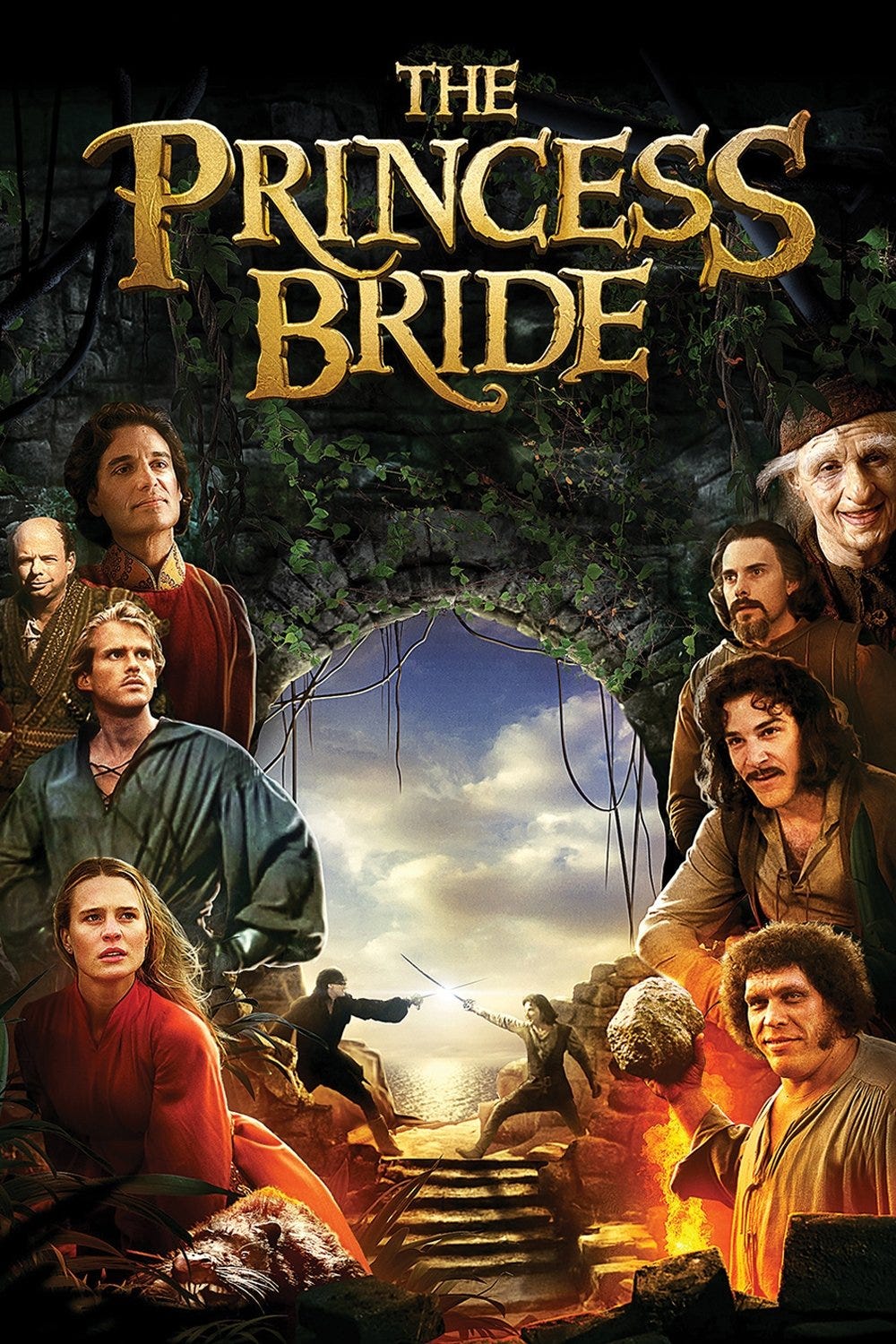
“The Misquoted Screen: How Hollywood’s Most Famous Lines Were Never Actually Said.”
Exploring the surprising truth behind cinema’s most commonly misremembered quotes and why our collective memory keeps getting them wrong.
“The Misquoted Screen: How Hollywood’s Most Famous Lines Were Never Actually Said.”
Exploring the surprising truth behind cinema’s most commonly misremembered quotes and why our collective memory keeps getting them wrong.
Some parts of movie history have become so well-known that they appear hard to challenge. These sentences are so familiar that they have become catchphrases that are used in conversations, ads, memes, and late-night talk shows. But in a strange twist of cinematic irony, a lot of these famous lines were never really spoken the way we remember them.
The fact that people misremember movie quotations reveals a great deal about how people engage with stories. People don’t want to accept it, but memory is far more adaptable than they think. The words may change, but the feelings that go with them, fear, exhilaration, victory, and nostalgia, stay strong. In the following, we’ll look at 10 of the most famous movie quotes that have been misquoted. We’ll examine the original conversation, where the mistakes originated, and what these cultural mix-ups reveal about our connection with the movies.
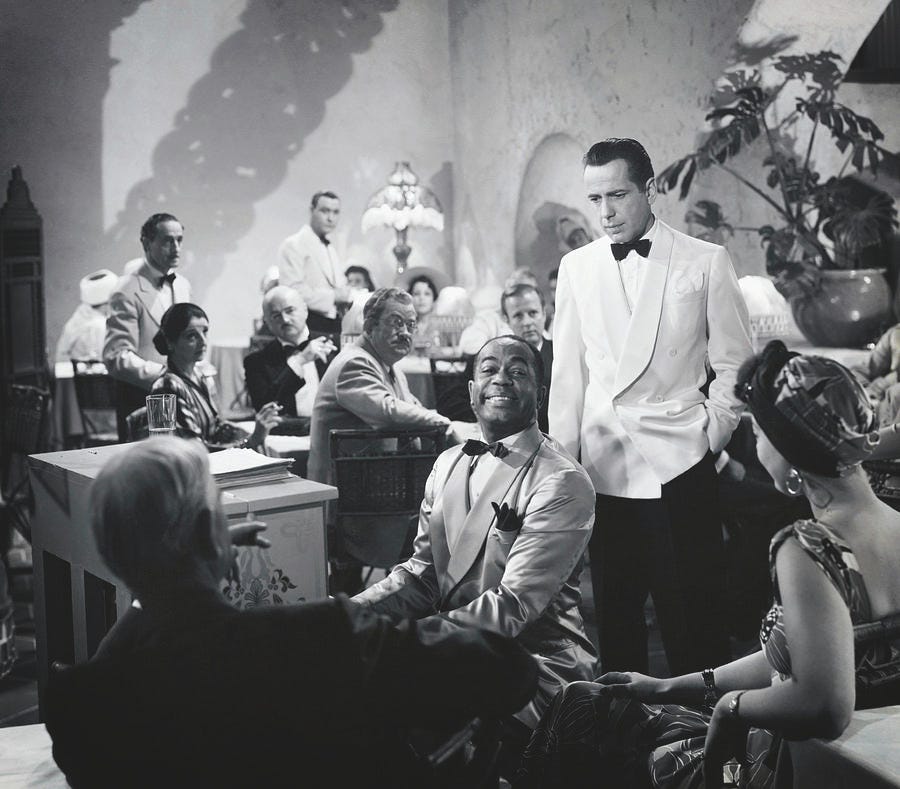
1. “Play it again, Sam.” Casablanca (1942): This sentence is one of the most famous in classic movies. When you hear “Play it again, Sam,” you think of smoky bars, piano music, and the sad love story between Rick Blaine (Humphrey Bogart) and Ilsa Lund (Ingrid Bergman). However, it is surprising that no character in Casablanca actually says that exact sentence.
The discussion is much more delicate and full of feelings. “ Ilsa murmurs gently to the pianist, “Play it once, Sam, for old times’ sake.” She is thinking of her time with Rick. She tells him to “Play it, Sam” when he hesitates. “Play ‘As Time Goes By.’” Later, Rick says again, “You played it for her, so you can play it for me.” I can do it if she can. “Play it.” The distortion probably started in the years after the movie came out, when the phrase “Play it again, Sam” was simpler to recall and fit the movie’s theme of yearning. Woody Allen even named his 1972 movie Play It Again, Sam, which made the wrong remark a part of pop cultural history.
londoncitygirl.com
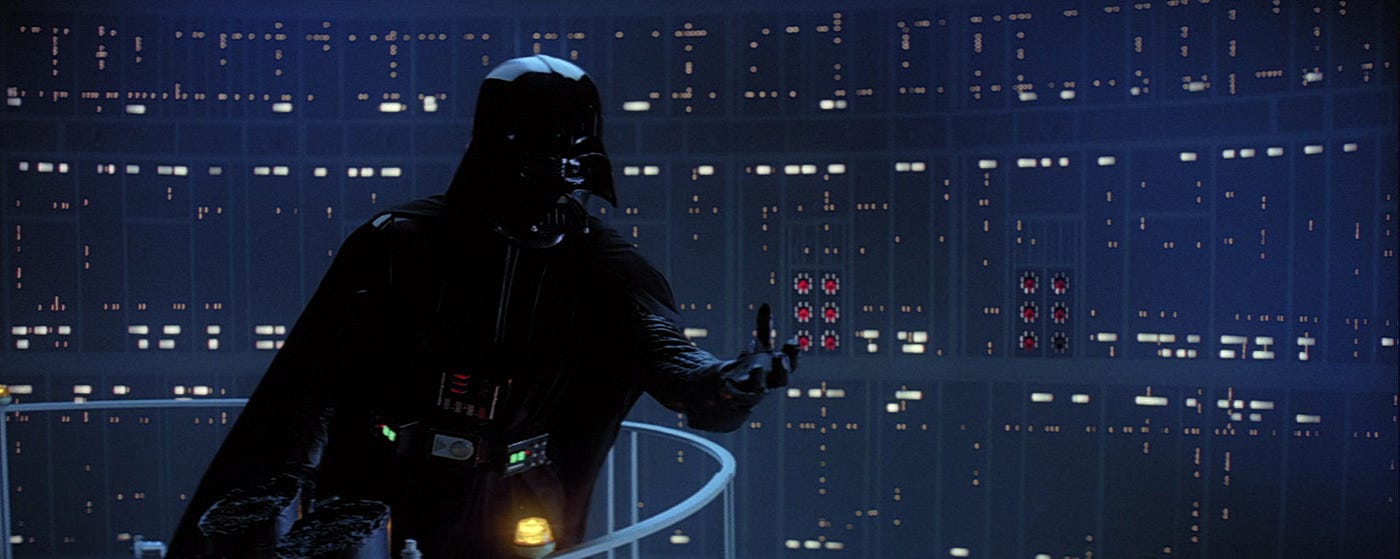
2. “Luke, I am your father.” The Empire Strikes Back (1980): This remark is so well-known that correcting it feels almost like blasphemy. It is perhaps the most famous misquote in movie history. In Star Wars: Episode V, The Empire Strikes Back, Darth Vader’s surprising announcement to Luke Skywalker has been copied, parodied, and spoken about over and over again. But the real line is different.
Vader says, “No, I am your father,” as Luke says he killed his father. There is no “Luke.” The addition may appear small, but it really affects the pace and familiarity of the scenario. Adding Luke’s name to the sentence makes it easier to understand in a normal conversation. Without it, the words “I am your father” don’t have the same direct link to the renowned figure. The Mandela Effect, a phenomenon where many people remember something incorrectly, plays a big part in this. Many individuals may swear they heard the “Luke” version; however, video replays show that the story isn’t true. It shows how memory, repetition, and narrative come together to create myths that everyone believes.
ar.inspiredpencil.com
3. “Mirror, mirror on the wall…” Snow White and the Seven Dwarfs (1937): People often think of this remark as being about vanity and jealousy; however, it doesn’t appear in Disney’s animated masterpiece. The Evil Queen really asks, “Magic mirror on the wall, who is the fairest of them all?” Part of the uncertainty comes from how the tale of Snow White has been told before. The Brothers Grimm used a version that was closer to “Mirror, mirror,” which became famous in children’s books and adaptations before Disney’s movie. When Disney’s 1937 classic became the most famous rendition of the story, the phrase “mirror, mirror” lived on in people’s minds from before. Today, the misquote may be seen in many places, from Shrek to Halloween costumes. This shows how ancient stories can often be more important than even the most famous movie lines.
reddit.com
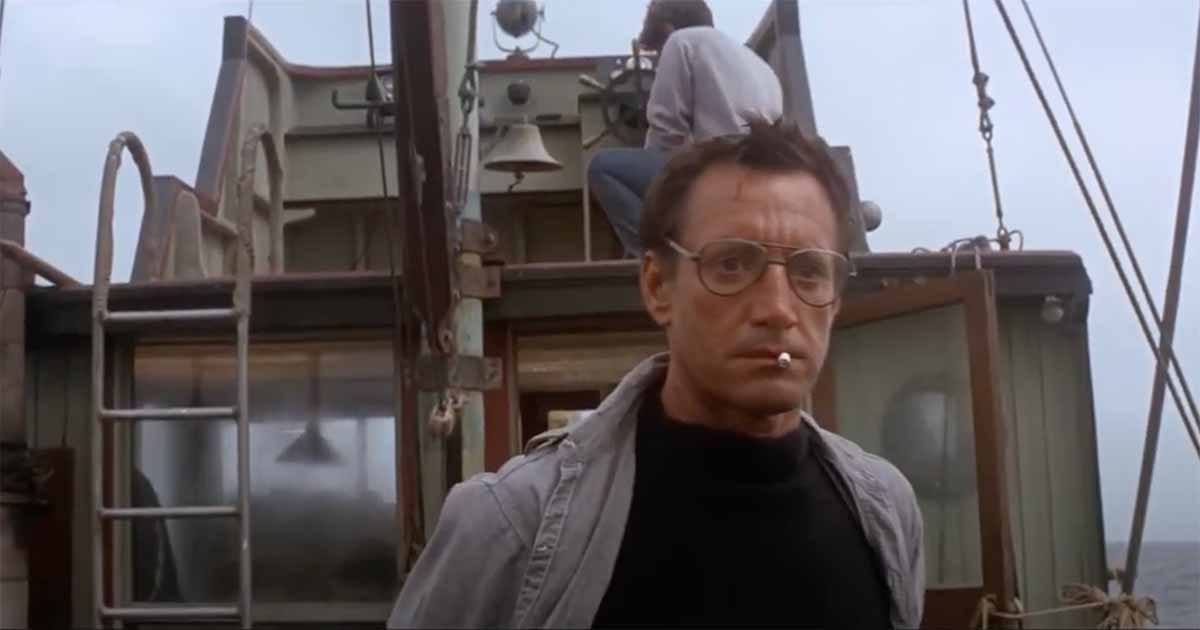
4. “We’re gonna need a bigger boat.” Jaws (1975): When Roy Scheider’s Chief Brody first sees the huge great white shark in Jaws, he turns to his crew and says, “We’re gonna need a bigger boat.” It has become a simple way to say that someone knows they aren’t ready for a big task. But that’s not the line. Brody really does remark, “You need a bigger boat.” The difference is modest yet important. The sentence wasn’t even in the screenplay. Scheider made it up on set, talking about the real challenges the production crew had with the little support boat they used to shoot. The pronoun transformed from “you” to “we” over time, maybe because the audience felt the terror and collaboration of the situation. “We” makes the audience feel more connected to Brody’s situation and makes it easier to relate to.
acmi.net.au
5. “Hello, Clarice.” The Silence of the Lambs (1991): Anthony Hopkins’s depiction of Dr. Hannibal Lecter was so scary that many people remember how he greeted FBI trainee Clarice Starling with “Hello, Clarice.” It’s creepy, smooth, and impossible to forget, yet it never occurs. When the two characters first meet in the movie, Lecter really does remark, “Good morning.” The incorrect version probably comes from the character’s subsequent encounters and parodies, especially in TV shows and comedy routines that made his creepy charm seem even more creepy. Years later, Hopkins himself embraced the myth, even saying “Hello, Clarice” in interviews and parodies. He may have realized that fiction had taken over reality. It sounds like something Lecter would say, which could be why everyone came up with it.
blogspot.com
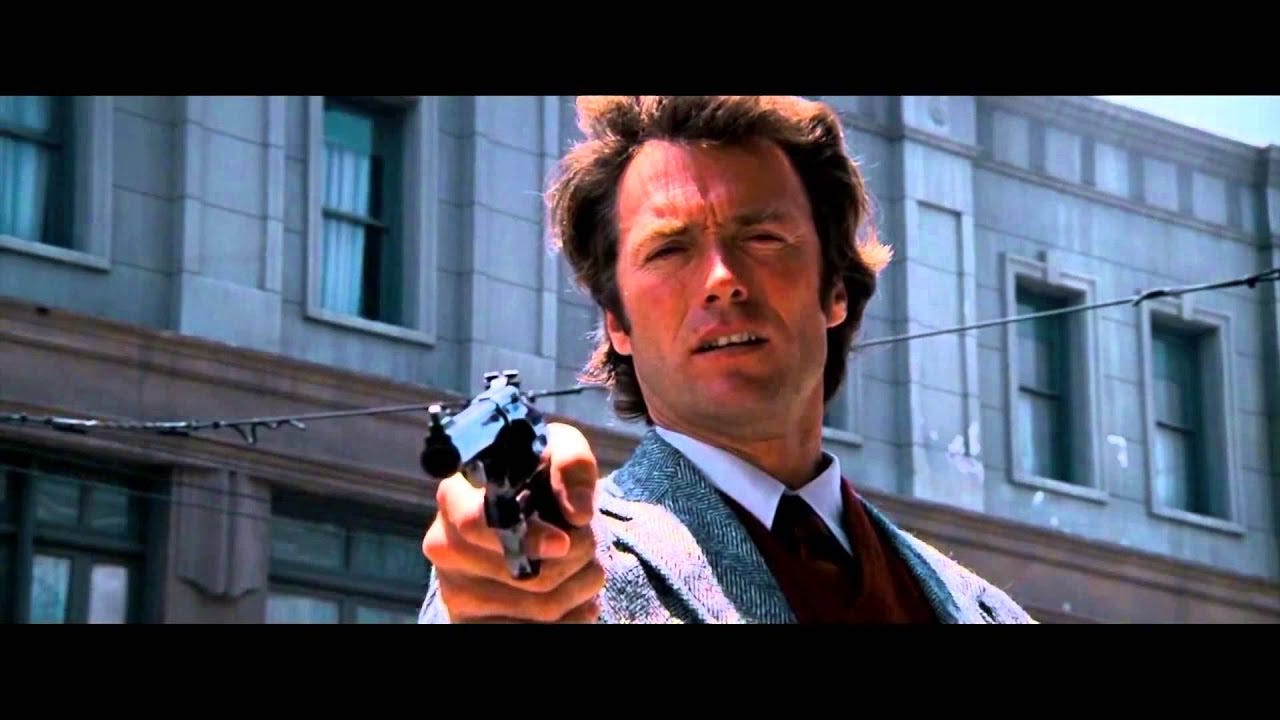
6. “Do you feel lucky, punk?” Dirty Harry (1971): Clint Eastwood’s Harry Callahan epitomised hard-edged 1970s masculinity, and this quote is often cited as his defining moment. Yet, once again, the actual line differs. What Callahan really says is a much longer and more dramatic monologue: “I know what you’re thinking. ‘Did he fire six shots, or only five?’ Well, to tell you the truth, in all this excitement, I’ve kind of lost track myself. But being this is a .44 Magnum, the most powerful handgun in the world, and would blow your head clean off, you’ve got to ask yourself one question: ‘Do I feel lucky?’ Well, do you, punk?” The shortened version “Do you feel lucky, punk?” emerged because it distils the threat into a single punchy phrase. It’s a perfect example of how culture prefers conciseness over accuracy, shaping memory to fit rhythm and catchiness.
youtube.com
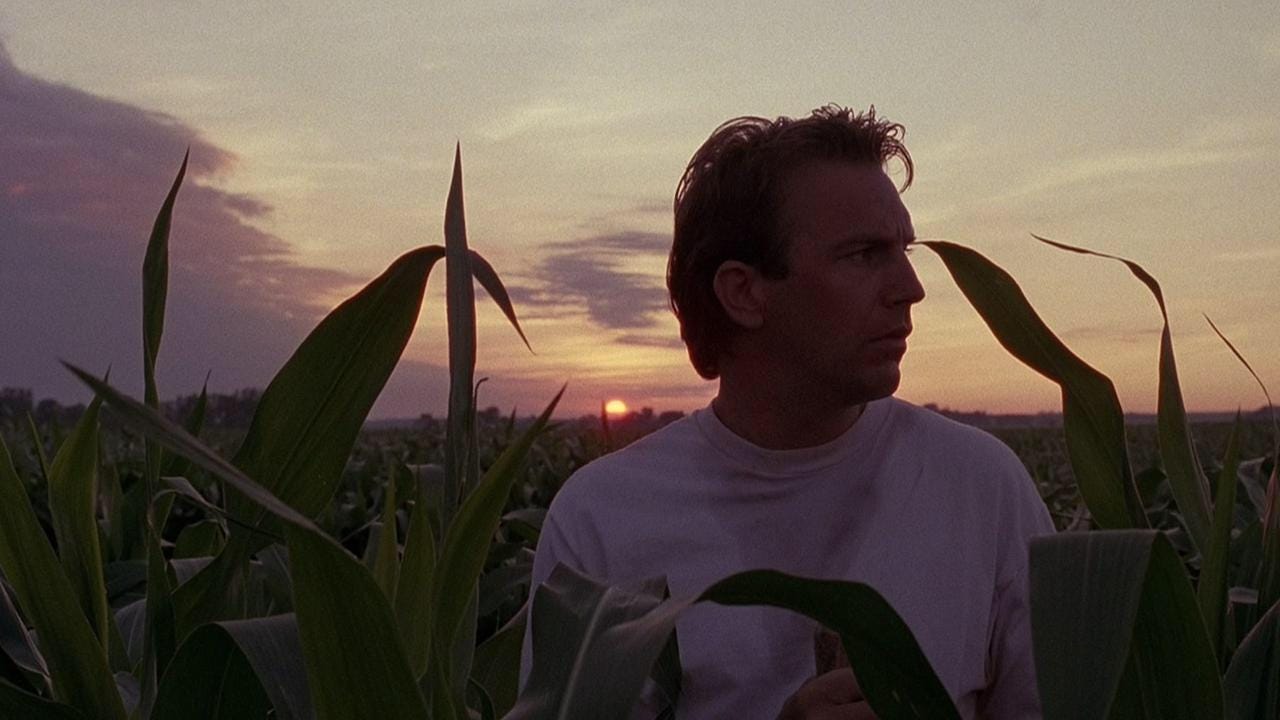
7. “If you build it, they will come.” Field of Dreams (1989): The whisper from the cornfield in Field of Dreams is perhaps one of the most inspiring lines in cinematic history. But the first sentence isn’t about “they.” It’s about “he.” The voice that sounds like a ghost really says, “If you build it, he will come.” The “he” is referring to Shoeless Joe Jackson, the dead baseball player whom Kevin Costner’s character looks up to. The wrong phrase alters the meaning from a personal act of faith to a shared vision, which is something bigger and more motivating. This little change is why the wrong version has lasted so long. The phrase “They will come” seems larger and brings to mind qualities like destiny, ambition, and optimism that go beyond baseball.
reddit.com
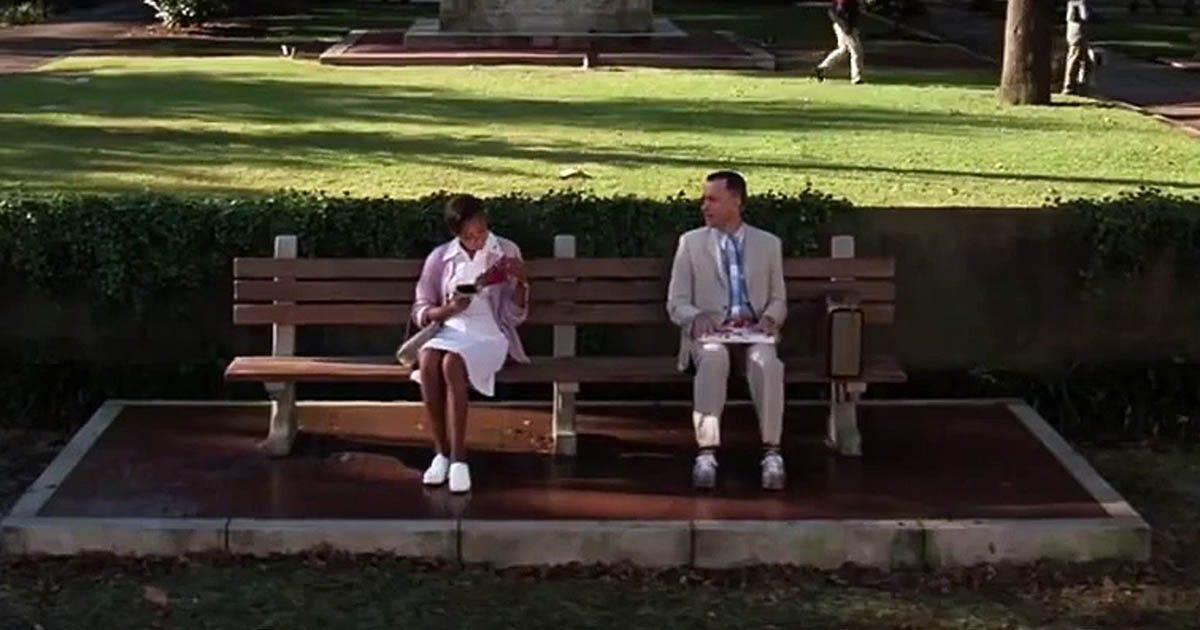
8. “Life is like a box of chocolates.” Forrest Gump (1994): Tom Hanks’s depiction of Forrest Gump is full of phrases that people use every day, but this one is one of the most memorable. Still, what he says is a little different. Forrest remembers what his mother told him: “My mama always said, life was like a box of chocolates.” You never know what you’ll receive. The change from “was” to “is” may seem little, yet it changes the tone in a big way. The original past tense shows that Gump is citing his dead mother, but the wrong quotation makes the sentence seem like it is always true. The present-tense form seems more like a universal and philosophical idea, which makes it a better motivating mantra. Emotional truth lasts longer than factual truth in many movie lines.
ebay.com
9. “Beam me up, Scotty.” Star Trek (franchise): Star Trek has been around for a long time on TV, in movies, and in books, yet Captain Kirk or any other character in the original series has never used this famous slogan word-for-word. There are many other ways to say “Beam me up, Scotty,” but the actual phrase “Beam me up, Scotty” does not occur. The brief misquote sums up everything that makes Star Trek outstanding: its sense of amazement about technology, friendship, and adventure. That’s why it became the most popular shorthand. Fans started using it in everyday conversation since it summed up the show’s futuristic appeal in one rhythmic phrase.
thetimes.co.uk
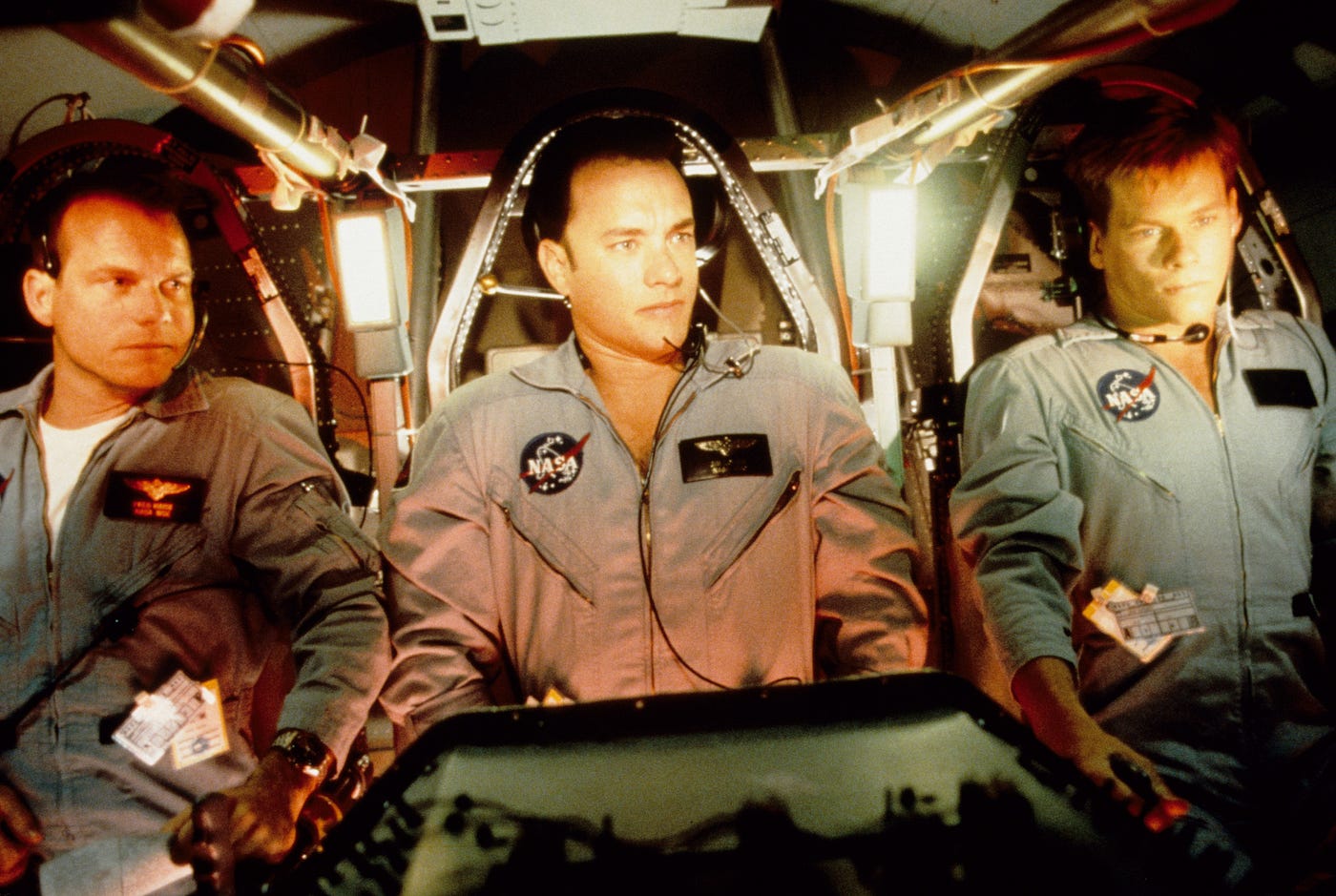
10. “Houston, we have a problem.” Apollo 13 (1995): This remark has gone beyond movies and become a common way to talk about crises in real life. But in real life, in Apollo 13, and even in the movie with Tom Hanks, the sentence is a little different. The actual astronaut, Jack Swigert, originally remarked, “Houston, we have a problem.” After that, Jim Lovell said it again: “Houston, we have a problem.” The phrase is abbreviated to "Houston, we have a problem" in the film. This minor tweak made the sentence more urgent and emotional, which made it more powerful in the movie. Changing the tenses from past to present makes a report of an accident into an urgent crisis report, which is excellent for narrative. That wording became the conventional way to say it throughout time, and it evolved to mean calm acceptance in the face of calamity.
imdb.com
Why Audiences Misremember: The fact that these statements keep coming up says more about how people think than about how to write a screenplay. Memory is not a recording; it is a reconstruction. When individuals remember great sentences, they fill in the blanks with what seems correct, such as rhythms, emotions, and cultural connections.
The brain likes to make complicated material simpler to remember by shortening terms. As individuals say these sentences over and over again, each time they say them, they change a little bit from the original. Parody, promotion, and tribute in popular media make this process stronger, making the changed versions seem true.
Another thing is emotional resonance. A statement that sums up a scenario is typically recalled in the way that makes the most sense to the person hearing it, not in the way that makes the most sense to the person writing it. “Play it again, Sam” seems like a perfect way to sum up the sad nostalgia of Casablanca. In Star Wars, the frightening moment "Luke, I am your father" is clearer than the actual line from the film, which lacks important context. The result is a form of communal storytelling, in which people instinctively alter their speech to match their shared memories. Folk stories change over time in the same way: the main idea stays the same, but the language changes.
adorama.
The Role of Media and Parody: These lies have spread a lot because of TV and humor. Shows like Saturday Night Live, The Simpsons, and Family Guy regularly use quotes from movies to make people laugh, and they occasionally change the wording to match the punchline. These adaptations typically get more attention than the originals because they reach more people.
Advertisements have also amplified incorrect quotations. Marketers depend on recognizability, so they repeat the versions that people are most likely to know, which are frequently wrong. That’s why “Houston, we have a problem” is used in ads and news headlines instead of “we’ve had a problem.” It’s more dramatic and memorable. Sometimes the performers themselves like the mistakes. Arnold Schwarzenegger regularly says “I’ll be back” to fans, which is what he said accurately in The Terminator. However, many of his other statements are often misquoted when he is in public, which makes it challenging to tell the difference between acting and pop culture.
Cultural Mythmaking and the Power of Repetition: When people misremember movie lines, it shows a deeper reality about storytelling: once a tale is out of the creator’s hands, it belongs to the audience. People change the stories, shorten the speech, and change the meaning until the group version seems more real than the original.
ar.inspiredpensil.com
This happens in books and songs as well. People sometimes quote Shakespeare’s phrases (for example, “Alas, poor Yorick, I knew him well” instead of “Alas, poor Yorick, I knew him, Horatio”), and song lyrics are well-known for being misheard. The film industry, which has a worldwide reach, makes this trend even stronger by making little differences become cultural pillars. In some circumstances, these wrong quotations even make the movies’ legacy stronger. “Luke, I am your father” may not be true, but it’s easy to remember, maybe even more so than the original sentence. These changes help keep movies in people’s minds, much as oral history did before the written word.
A Cinematic Game of Telephone: It may be likened to a worldwide game of telephone. The original message, the sentence as it was written and delivered, goes through millions of ears and voices, changing somewhat each time. The outcome is a collective delusion that seems genuine due to its reinforcement via repetition. This doesn’t have to be an issue for filmmakers. It’s really an indication that things are going well. You have to remember a sentence well enough to forget it. Not many people recall every phrase of an obscure movie; only the ones that touch them emotionally become fuel for group reinterpretation. The wrong phrases become cultural shorthand for bigger notions, including lost love (Casablanca), fate (Star Wars), danger (Jaws), and self-reflection (Forrest Gump). They aren’t simply blunders; they show how powerful movies can be in shaping both memory and imagination.
factinate.com
The Enduring Allure of the Misquote: In the end, these words that people remember wrong serve as a reminder that movies are not set in stone. People watch movies, talk about them, quote them, and change them in their thoughts. It doesn’t matter whether a statement was stated exactly as recalled; what counts is why it lasts.
Misquotes go on because they show how people feel about a movie. They turn feelings into words and memories into stories. Every wrong phrase is a reminder that movies, like memories, are ways of interpreting things. So when someone says, “Play it again, Sam,” or “Luke, I am your father,” it’s not simply a memory lapse; it’s a modest sign of how profoundly movies are a part of our society. The sentence could be inaccurate, but the sentiment is right, and in the world of movies, it might be the truest thing of all.
✍️ Like what you just read? Hit “Subscribe” to get my future stories delivered by email—no spam, just honest writing on [classic films, cultural icons, and untold Hollywood stories] Let’s stay connected.

checkcharm.com
메타데이터
- post_id
- ccc2a8a0c842
- slug
- the-misquoted-screen-how-hollywoods-most-famous-lines-were-never-actually-said-ccc2a8a0c842
- url
- https://medium.com/@rinoingenito04/the-misquoted-screen-how-hollywoods-most-famous-lines-were-never-actually-said-ccc2a8a0c842
- canonical_url
- https://medium.com/@rinoingenito04/the-misquoted-screen-how-hollywoods-most-famous-lines-were-never-actually-said-ccc2a8a0c842
- author_url
- https://medium.com/@rinoingenito04
- status
- ok
- fetched_at
- 2026-06-27 18:20:27