Emotional Hooks in Storytelling: Using Psychology to Keep Readers Engaged
Discover how emotional hooks in storytelling use psychology to spark curiosity, fear, and empathy — turning casual readers into loyal fans.
Emotional Hooks: Using Psychology to Keep Readers Hooked
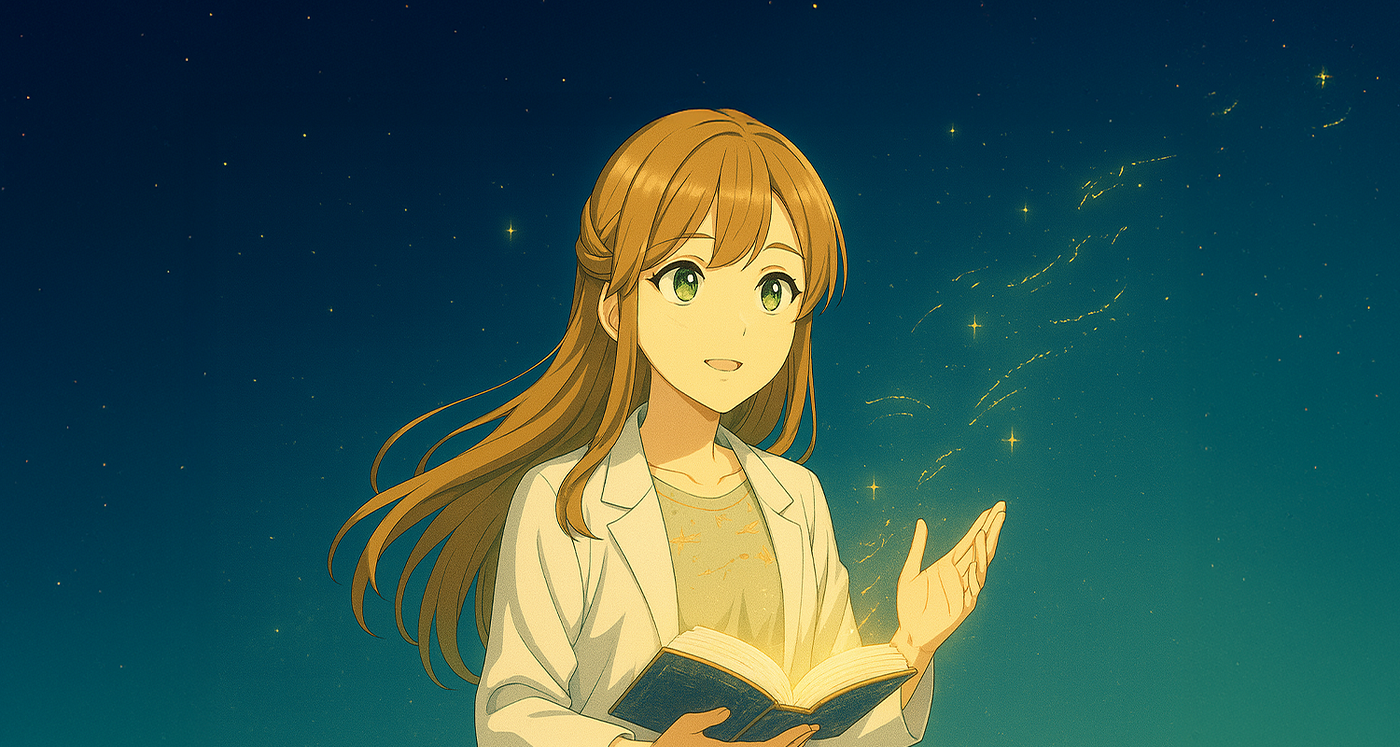
Opening the Door: Why Some Stories Refuse to Let You Go
In today’s content-saturated world, capturing attention is easy — but keeping it is an art. Every writer knows the frustration: readers click, skim a few lines, then drift away. What separates stories that are abandoned halfway from those that readers can’t put down?
The answer often lies not in better plots or prettier words, but in psychology. By using emotional hooks, writers can tap into universal cognitive biases that keep readers engaged from the first sentence to the final word.
1. Why Emotional Hooks Work (The Science)
Our brains are wired for survival, not passive reading. When a story triggers fear, curiosity, or empathy, it activates primal circuits that demand attention.
- Fear of missing out (FOMO): cliffhangers and suspenseful pauses exploit our aversion to uncertainty.
- Curiosity gap: the brain craves to close loops, so unanswered questions pull readers forward.
- Emotional resonance: when characters’ struggles mirror our own, oxytocin release deepens empathy and attachment.
Psychologists call this the “attention schema” — once emotions are triggered, the mind unconsciously prioritizes that narrative over competing stimuli.
2. Practical Emotional Hooks Writers Can Use
Here are five field-tested hooks you can apply immediately:
- The Cliffhanger Line End a paragraph with a dangerous choice, secret, or unfinished thought. “She reached for the door, but on the other side…”
- Relatable Vulnerability Make characters show weakness or doubt; readers lean in to see if they overcome it.
- The Contradiction Present something that shouldn’t coexist. “He smiled as he lied.” — the tension forces curiosity.
- The Urgency Hook Time limits or deadlines increase reader investment. “Only three days remained, and she hadn’t told him the truth.”
- The Emotional Mirror Explicitly state the hidden feeling your audience also struggles with. “Like you, she wanted to belong — but didn’t know how.”
3. Applying Hooks Beyond Novels
Emotional hooks aren’t just for fiction. They drive engagement across blogging, copywriting, marketing, and screenwriting.
- In blog posts, an opening line that stirs curiosity doubles time-on-page.
- In advertising, empathetic framing increases conversion.
- In film/TV scripts, emotional contradictions make dialogue unforgettable.
Wherever there is a story, there is a reader’s psychology waiting to be engaged.
4. The Balance: Don’t Manipulate, Resonate
A common mistake: overusing tricks without substance. Readers can sense manipulation. The true goal is not to “trap” the reader but to mirror their inner world. When a hook resonates with real emotions, the story earns trust and loyalty.
The Takeaway: Emotion Is the Glue of Storytelling
Keeping readers hooked is less about talent and more about psychological insight. By applying emotional hooks — fear, curiosity, contradiction, vulnerability — you can transform ordinary writing into stories readers can’t abandon.
Remember: emotion is the glue of narrative. Master the art of emotional triggers, and your stories will not only be read — they’ll be remembered.
메타데이터
- post_id
- ccc6c3d34757
- slug
- emotional-hooks-in-storytelling-using-psychology-to-keep-readers-engaged-ccc6c3d34757
- url
- https://medium.com/@aiscenariolab.en/emotional-hooks-in-storytelling-using-psychology-to-keep-readers-engaged-ccc6c3d34757
- canonical_url
- https://medium.com/@aiscenariolab.en/emotional-hooks-in-storytelling-using-psychology-to-keep-readers-engaged-ccc6c3d34757
- author_url
- https://medium.com/@aiscenariolab.en
- status
- ok
- fetched_at
- 2026-07-28 00:51:55