The Most Brazilian Thing About Football Isn't Football
The Most Brazilian Thing About Football Isn't Football
When people think about Brazilian football, they usually think about trophies, legendary players, beautiful goals, and yellow jerseys. They think about names like Pelé, Vini Junior, Ronaldinho, and Neymar. What they don't always think about is the language. For many Portuguese students, football can be one of the most unexpected windows into Brazilian culture, mostly because of everything happening around it.
Watch a Brazilian football game and you'll quickly realise that the ninety minutes on the pitch are only part of the experience. The real show often continues before the match, during the match, and long after the final whistle. Brazilians talk about football with a level of creativity that can leave language learners completely lost and completely entertained at the same time.

It starts with the commentary. A simple goal is never just a goal. It is excitement, emotion, storytelling, and sometimes what feels like a full theatrical performance. Even students who know a reasonable amount of Portuguese often find themselves wondering how one commentator managed to say so much in a single breath.
Then come the nicknames. Brazilians have a special talent for creating them. Some are affectionate, some are funny, and some become so famous that people forget the person's actual name. For language learners, nicknames are often a reminder that language is not always as literal as textbooks make it seem. Sometimes a name reflects a personality or simply exists because someone thought it sounded good.

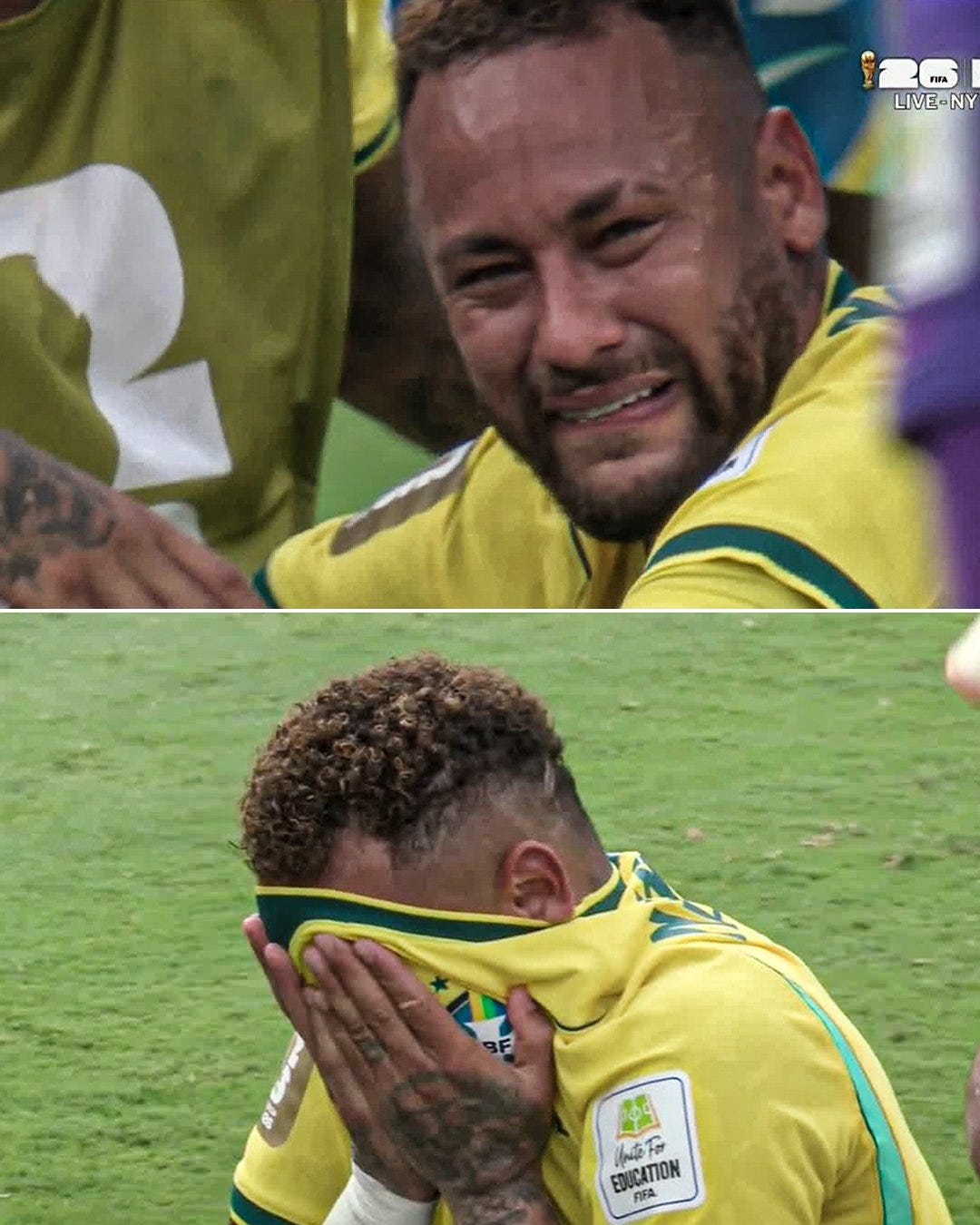
Of course, no discussion of Brazilian football would be complete without mentioning the memes. In Brazil, a football match rarely ends when the referee blows the whistle. Within minutes, social media is flooded with jokes, reactions, edited images, and comments that travel faster than the match highlights themselves. For Portuguese students, this can be both fascinating and frustrating. You understand the score, you understand who won, yet somehow the comments section feels like an advanced language exam.
The reason is simple. Memes rely on culture. They rely on shared references, humour, and ways of speaking that rarely appear in language lessons. Understanding them requires more than vocabulary. It requires understanding how Brazilians think, joke, and communicate with one another.

This is perhaps why football can be such a valuable learning tool. It exposes students to Portuguese as it is actually used. Not the carefully structured sentences found in exercises, but the language people use when they are excited, disappointed, celebrating, arguing, laughing, or making fun of their friends.
In the end, the most Brazilian thing about football may not be the football itself. It is the language that surrounds it. The expressions, the nicknames, the jokes, the memes, and the conversations that continue long after the match is over. For Portuguese students, learning to understand these things can sometimes feel just as rewarding as understanding the game.
And if you've ever found yourself spending more time trying to understand the comments than the match, congratulations. You might be learning more Portuguese than you realise.

메타데이터
- post_id
- cccb6d937ada
- slug
- the-most-brazilian-thing-about-football-isnt-football-cccb6d937ada
- url
- https://medium.com/@clubeverdeeamarelo/the-most-brazilian-thing-about-football-isnt-football-cccb6d937ada
- canonical_url
- https://medium.com/@clubeverdeeamarelo/the-most-brazilian-thing-about-football-isnt-football-cccb6d937ada
- author_url
- https://medium.com/@clubeverdeeamarelo
- status
- ok
- fetched_at
- 2026-07-08 17:17:42