Navigating 2026’s New Street Drug Dangers and Withdrawal
Navigating 2026’s New Street Drug Dangers and Withdrawal

The landscape of substance abuse and withdrawal is undergoing a radical and dangerous transformation. In 2026, the journey to recovery is more complex than ever, demanding updated knowledge and specialized resources. This guide explores the evolving threats of novel psychoactive substances and the critical need for a new understanding of withdrawal in the current era.
The Evolving Threat of Novel Psychoactive Substances
Novel psychoactive substances represent a seismic shift in the world of drug abuse. These designer drugs are created in clandestine labs with slight molecular tweaks to existing illegal drugs. The goal is to produce new, unregulated compounds that mimic the effects of controlled substances like heroin, cocaine, or cannabis.
This constant chemical innovation means the street drug supply is more unpredictable and dangerous than ever before. Users are frequently exposed to substances with unknown toxicities and wildly variable potencies. This unpredictability directly translates to more severe and erratic withdrawal symptoms when use is stopped. Recognizing this evolving threat is essential for anyone seeking to understand modern addiction treatment and recovery pathways.
Why 2026 Demands a New Understanding of Withdrawal
The current year underscores a critical need for a paradigm shift in how we view withdrawal. Traditional detox protocols designed for heroin, prescription opioids, or alcohol are often insufficient for today’s synthetic cocktails. The emerging synthetic drugs of this era interact with the brain’s chemistry in novel and poorly understood ways.
This leads to withdrawal processes that can be more intense, longer-lasting, and include unexpected psychological symptoms. Furthermore, the prevalence of polysubstance use, where multiple novel drugs are combined, creates a tangled web of dependence. A new understanding acknowledges that managing withdrawal from these substances requires specialized medical care and a flexible, evidence-based approach. It moves beyond treating known entities to preparing for the unknown dangers of adulterated and novel street drugs.
From Fentanyl Analogs to Designer Drugs: Recognizing the Shift
The shift from plant-based drugs to potent synthetics has been stark and rapid. The opioid crisis was first dominated by prescription medications, then by illicit fentanyl, and now by an ever-growing family of fentanyl analogs and other synthetic opioids. Simultaneously, the market has exploded with designer stimulants, benzodiazepine analogs, and synthetic cannabinoids.
This shift means that drug dependence is now often a dependence on a constantly changing chemical unknown. The cutting agents themselves introduce their own severe withdrawal dangers. Recognizing this shift is not just academic; it is vital for finding appropriate treatment. Individuals and their family members must seek addiction treatment centers equipped to handle these complex, modern forms of substance abuse and the unique withdrawal symptoms they produce.
Decoding the Chemical Unknown: Withdrawal from Emerging Synthetics
Withdrawal from emerging synthetic drugs is a venture into uncharted medical territory. Unlike withdrawal from traditional substances, the symptoms, timelines, and dangers are frequently undocumented. Each class of novel psychoactive substance hijacks the brain’s systems differently, leading to distinct and often severe withdrawal syndromes.
The lack of quality control and consistent dosing on the street further complicates the picture, making each person’s experience unique. Decoding this chemical unknown requires acknowledging the specific threats posed by each new class of drug. This knowledge empowers individuals to seek precise medical supervision and informs the development of targeted detox protocols for these dangerous new addictions.
Xylazine and Tranq Dope: The Dual Threat Withdrawal Syndrome
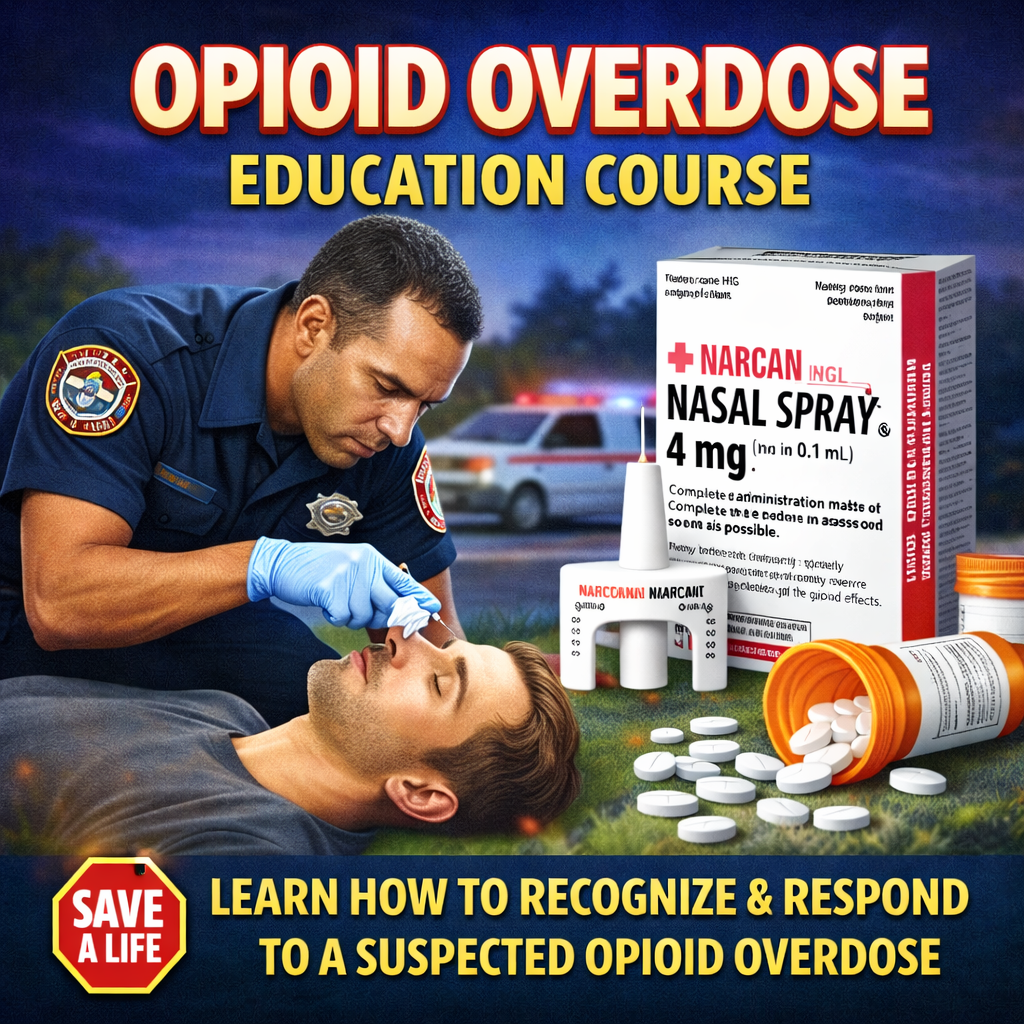
Xylazine, a veterinary sedative, has permeated the illicit opioid supply, creating the deadly combination known as “tranq dope.” This adulterant does not respond to opioid overdose reversal agents, increasing fatality risk. Withdrawal from xylazine-laced substances presents a dual threat, combining severe opiate withdrawal with a separate, debilitating sedative withdrawal syndrome.
Symptoms can include intense hypertension, profound anxiety, and severe wounds or skin ulcers that require separate medical care. The dangers of xylazine withdrawal underscore why attempting to quit without support is exceptionally risky. Professional medical detox is crucial to safely manage this complex, multi-system crash and stabilize the individual.
Nitazenes and Isotonitazene: The Potent Opioid Receptor Agonists
Nitazenes, including isotonitazene, represent a new frontier of synthetic opioid danger. These drugs are engineered to be exceptionally potent, often many times stronger than fentanyl. They bind powerfully to the brain’s opioid receptors, creating an intense and rapid dependence.
Withdrawal from nitazenes can be particularly severe, characterized by extreme physical discomfort, intense cravings, and significant psychological distress. The sheer potency of these substances means that even small amounts can lead to profound dependence, making the withdrawal process a significant medical challenge that requires careful, supervised management.
The Critical Role of Specialized Medical Detox
Given the unpredictable nature of withdrawal from novel psychoactive substances, attempting to detox alone is not just difficult — it can be life-threatening. The primary goal of medical detox is to provide a safe, supervised environment where withdrawal symptoms can be managed by healthcare professionals.
A modern detox facility equipped for 2026’s drug landscape will:
- Conduct thorough assessments to identify potential substances in a person’s system.
- Utilize medication-assisted treatment to alleviate severe symptoms and cravings.
- Monitor for unexpected or severe reactions to novel drug combinations.
- Provide immediate medical intervention for complications like seizures or cardiovascular issues.
- Begin the transition to comprehensive addiction treatment.
This level of care is not a luxury; it is a medical necessity for navigating withdrawal from today’s street drugs.
Beyond Detox: The Path to Sustainable Recovery
Detoxification is only the first step. True recovery from addiction to novel substances requires a comprehensive, long-term treatment plan. The psychological grip of these powerful drugs can be immense, and the risk of relapse is high without proper support.
Effective treatment plans in the current landscape often include:
- Inpatient or Residential Treatment: Providing a structured, substance-free environment to build a foundation for recovery.
- Behavioral Therapies: Cognitive-behavioral therapy, contingency management, and other evidence-based approaches to change thought and behavior patterns.
- Dual Diagnosis Treatment: Addressing co-occurring mental health disorders like depression or anxiety that often accompany substance use.
- Relapse Prevention Planning: Developing personalized strategies to identify triggers, manage cravings, and navigate high-risk situations.
- Long-Term Aftercare: Ongoing support through outpatient therapy, support groups, and sober living arrangements.
Finding Help in a Complex New World
The most important step anyone can take is to seek professional help from a treatment provider knowledgeable about the current drug landscape. Look for facilities that explicitly mention experience with synthetic opioids, novel psychoactive substances, or polysubstance dependence.
When contacting a treatment center, it can be helpful to ask specific questions about their experience with the types of substances involved. Accurate information is the key to receiving the most appropriate and effective care.
Understanding the dangers of 2026’s street drugs and their withdrawal syndromes is the first, critical move toward safety and recovery. In this era of chemical unknowns, professional guidance is not just beneficial — it is essential for navigating the path back to health.
메타데이터
- post_id
- cccd15720880
- slug
- navigating-2026s-new-street-drug-dangers-and-withdrawal-cccd15720880
- url
- https://medium.com/@SignsofWithdrawal/navigating-2026s-new-street-drug-dangers-and-withdrawal-cccd15720880
- canonical_url
- https://medium.com/@SignsofWithdrawal/navigating-2026s-new-street-drug-dangers-and-withdrawal-cccd15720880
- author_url
- https://medium.com/@SignsofWithdrawal
- status
- ok
- fetched_at
- 2026-06-29 22:44:20