Moving away from Agile — ADLC — For years, Amazon’s Two-Pizza Team symbolized how modern software…
That model is breaking.
Moving away from Agile — ADLC — For years, Amazon’s Two-Pizza Team symbolized how modern software should be built: small, autonomous teams, fast feedback loops, and clear ownership.
That model is breaking.
Not because small teams failed — but because software itself has changed.
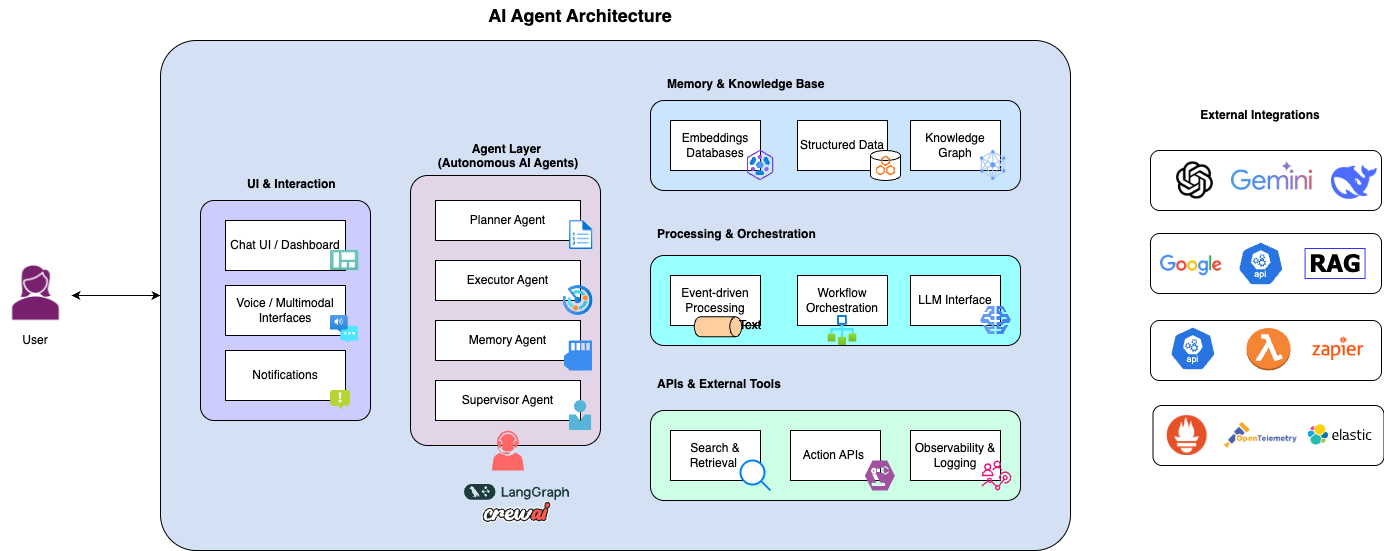
We are entering an AI-Native era, where systems don’t just execute code; they reason, plan, act, and adapt. In this world, teams are no longer just groups of humans writing code. They are humans + agents, operating across a new lifecycle.
This post brings together:
- Insights from an Amazon-inspired talk on AI-native teams
- IBM’s Agent Development Lifecycle (ADLC) and Model Context Protocol (MCP) architecture
- Real-world lessons from shipping agentic systems
The conclusion is clear: 👉 The Two-Pizza Team is evolving into an Agent-Augmented Product Cell.
From PRDs to Specs to Executable Intent
In the Amazon talk (linked below), one idea stands out:
Product Managers will no longer write PRDs. They will write executable specs — consumed by coding agents.
The emerging team structure looks like this:
Role Responsibility Product Manager Defines intent, constraints, outcomes — not UI flows.
Lead Builder Owns architecture, system boundaries, and agent design. Senior Builders Translate intent into specs, tests, guardrails Junior Builders (Human + AI) Generate code, tests, migrations, docs
Coding agents now:
- Scaffold services
- Generate tests
- Implement APIs
- Refactor aggressively
Humans focus on correctness, security, system shape, and judgment.
This shift demands a new lifecycle. Traditional SDLC or DevSecOps is not enough.
Enter ADLC: Agent Development Lifecycle
IBM formalizes this shift with ADLC — Agent Development Lifecycle.
ADLC acknowledges a hard truth:
AI agents are non-deterministic systems that must be governed continuously — not “shipped and forgotten”.
IBM’s ADLC consists of six phases, with two continuous feedback loops.
The ADLC Phases (IBM)
1. Plan
- Define agent goals, behaviors, and constraints
- Specify what tools the agent may use
- Decide data boundaries and security posture
- Treat prompts, tools, and policies as first-class artifacts
This is where “PRDs” die and Specs are born.
2. Build
- Implement tools as MCP servers (typed, auditable)
- Define agent instructions, personas, fallback logic
- Package agents as reproducible artifacts (containers, configs)
Agents are assembled, not hand-coded.
3. Test & Release
- Regression tests for reasoning, not just outputs
- Hallucination & abuse testing
- Champion / Challenger evaluations
- Human-in-the-loop gates
This phase replaces “QA” with behavioral validation.
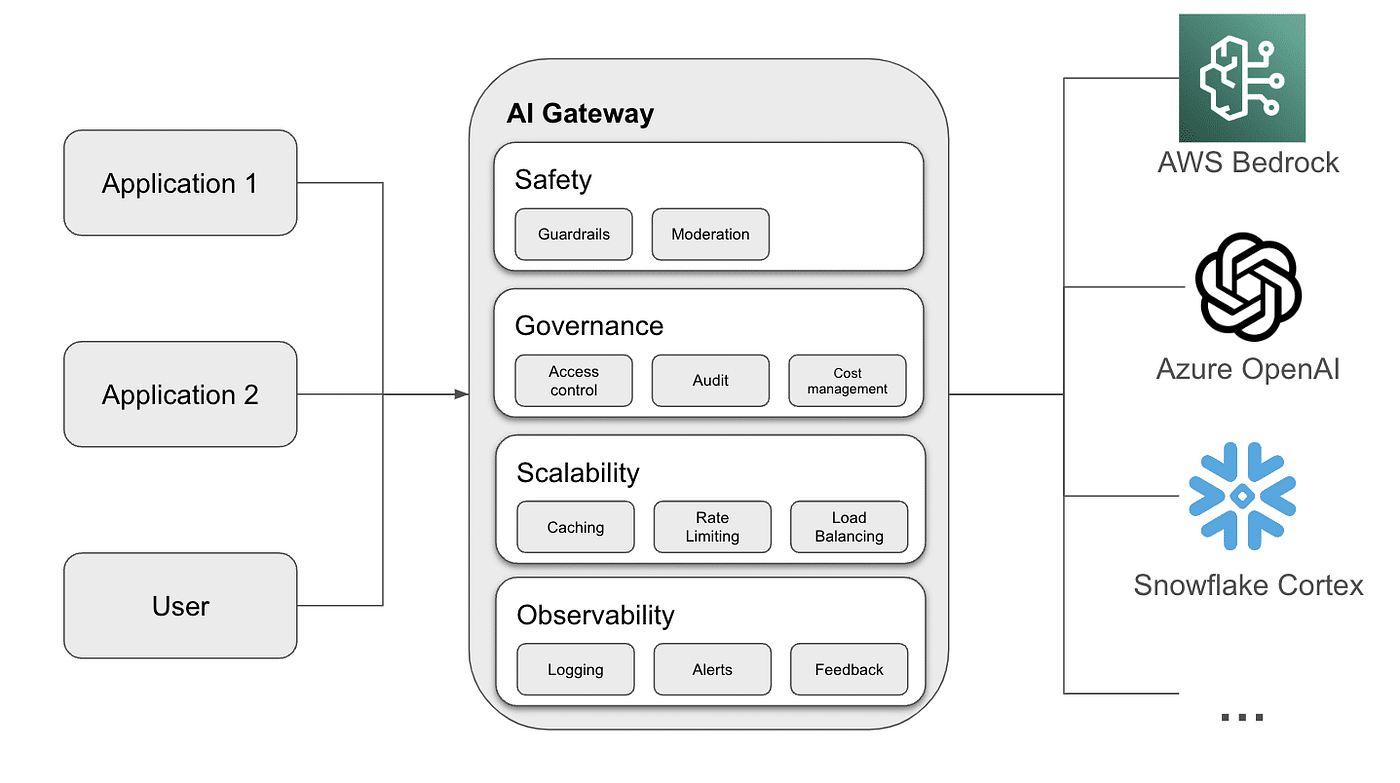
4. Deploy
- Agents run behind an MCP Gateway
- Centralized:
- AuthN / AuthZ
- Policy-as-code
- Rate limits & kill-switches
- Least-privilege access to tools
- Sandboxed execution (gVisor / Firecracker / seccomp)
5. Monitor
Traditional metrics are insufficient.
You now monitor:
- Token cost per workflow
- Tool invocation patterns
- Drift in agent behavior
- Safety signals
- Reasoning traces
Observability becomes a governance primitive.
6. Operate
- Re-certify agents as environments change
- Rotate credentials and permissions
- Retire agents safely
- Maintain agent catalogs with ownership & evidence This is where enterprises prevent Shadow AI.
Why MCP Matters
IBM’s architecture leans heavily on Model Context Protocol (MCP).
MCP turns tools into:
- Typed interfaces
- Auditable contracts
- Policy-enforceable endpoints
Instead of agents calling random APIs, they operate inside a controlled capability graph.
This is how enterprises avoid:
- Prompt-based data exfiltration
- Privilege escalation
- Tool misuse amplification
Security Is Not Optional
IBM identifies four primary risks in enterprise AI agents:
- Privilege Escalation
- Data Leakage
- Attack Amplification
- Behavioral Drift
ADLC addresses these via:
- Identity-aware agents
- Just-in-time permissions
- Sandboxed execution
- Continuous evaluation
Security shifts left and right — into planning and runtime.
What This Means for Teams
The implication is profound:
Teams are no longer sized by pizzas. They are sized by decision bandwidth.
A small group of senior builders, armed with agents, can:
- Replace entire layers of manual delivery
- Ship faster without sacrificing safety
- Continuously evolve systems post-deployment
The bottleneck is no longer coding. It is judgment, architecture, and intent clarity.
AI-Native Is Not About Speed — It’s About Shape
AI-native development is not:
- “Vibe coding”
- “Let the LLM handle it”
- “Fewer engineers”
It is:
- Spec-driven development
- Lifecycle-aware governance
- Agents as production systems
- Humans as system designers
The Two-Pizza Team isn’t dead.
It has mutated. Agents are great at producing plans. Shipping requires selectively saying “yes” to correctness, clarity, and DX — and “not now” to everything else.
References & Further Reading
🎥 Video
- AWS AI-Driven Development talks (ADLC) https://www.youtube.com/watch?v=SZStlIhyTCY
- McKinsey SoftwareX on Moving away from agile — AI-native teams
- Kilo Spec-Driven Development https://kilo.ai/docs/contributing/specs/
📘 IBM
- Architecting Secure Enterprise AI Agents with MCP (Oct 2025) https://www.aigl.blog/architecting-secure-enterprise-ai-agents-with-mcp-ibm-oct-2025/
- IBM watsonx.ai — Agent Development https://www.ibm.com/products/watsonx-ai/ai-agent-development
📐 Links
- https://ampcode.com/@sqs — GitHub acts as the system of record, while coding agents capture execution history and persist prompts for traceability.
메타데이터
- post_id
- ccdbb08c25bb
- slug
- for-years-amazons-two-pizza-team-symbolized-how-modern-software-should-be-built-small-ccdbb08c25bb
- url
- https://medium.com/@indykish/for-years-amazons-two-pizza-team-symbolized-how-modern-software-should-be-built-small-ccdbb08c25bb
- canonical_url
- https://medium.com/@indykish/for-years-amazons-two-pizza-team-symbolized-how-modern-software-should-be-built-small-ccdbb08c25bb
- author_url
- https://medium.com/@indykish
- status
- ok
- fetched_at
- 2026-07-13 16:27:10



