When Your Cat Stops Eating, Don’t Wait for Hunger to Win
What looks like stubbornness may be stress, pain, nausea — or the beginning of a dangerous liver crisis.
When Your Cat Stops Eating, Don’t Wait for Hunger to Win
What looks like stubbornness may be stress, pain, nausea — or the beginning of a dangerous liver crisis.
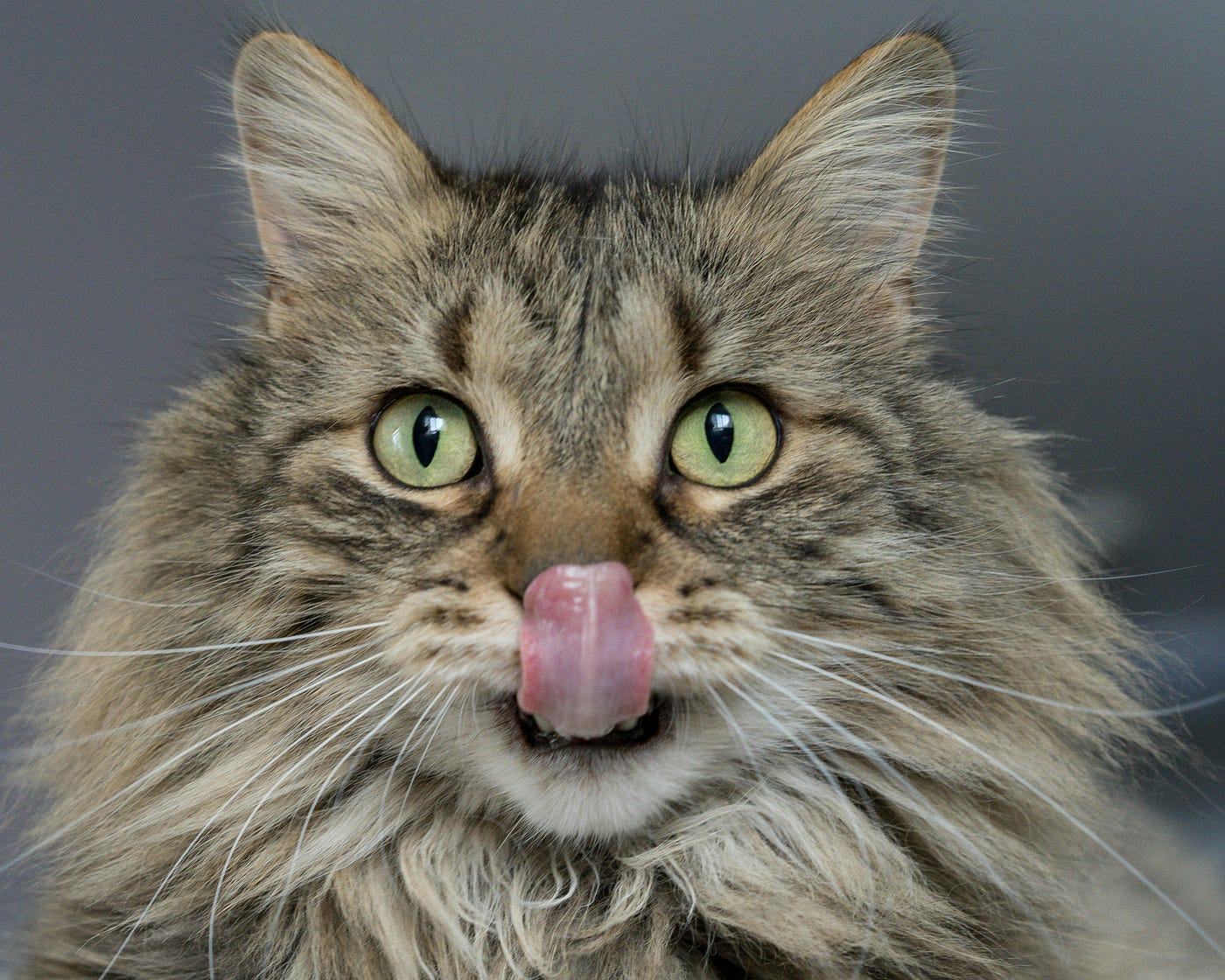
Last week, a friend called me in tears.
Her cat, Luna, had not eaten a proper meal in nearly three days. She was no longer following people around the apartment or appearing at the sound of a treat bag. She had curled up in one place and barely moved.
I asked when it had started.
A few days earlier, my friend had switched her to a new food. Luna sniffed it, took a step back, and walked away.
At first, that did not seem alarming. Cats reject new food all the time. My friend assumed Luna was testing her and decided not to offer anything else.
“She’ll eat when she gets hungry enough,” she thought.
The bowl was still full the next morning.
On the third day, Luna began vomiting yellow fluid. She looked weak, and even her face seemed different. My friend finally took her to the veterinary hospital, where Luna was diagnosed with hepatic lipidosis, better known as fatty liver disease.
Until that day, my friend had thought she was dealing with a fussy eater.
She was actually dealing with a medical emergency.
The Advice That Sounds Sensible but Can Be Dangerous
Most cat owners have heard some version of this:
Put the food down. Don’t offer anything else. A healthy animal won’t starve itself.
The logic feels reasonable. It may even work with an otherwise healthy cat that refuses one particular flavor but continues eating enough of something else.
The danger begins when “being firm” turns into waiting while the cat eats little or nothing.
Cats are not simply smaller versions of dogs. When a cat stops taking in enough calories, the body begins releasing stored fat for energy. That fat travels to the liver, where it is supposed to be processed and redistributed.
If too much arrives too quickly, the liver can become overwhelmed. Fat accumulates inside liver cells and interferes with the organ’s ability to function. This is feline hepatic lipidosis, one of the most serious acquired liver disorders seen in cats.
Overweight cats are particularly vulnerable because they have larger fat reserves available to mobilize.
It does not happen because a cat’s liver is “missing an enzyme,” and one skipped dinner does not automatically cause liver disease. The real problem is a sustained shortage of calories, often combined with obesity, illness, pain, or stress.
Once the cycle begins, it can feed itself. The cat feels sick, so it eats less. Eating less worsens the metabolic problem. Feeling worse makes the cat even less willing to eat.

“Picky” Is a Description, Not a Diagnosis
A cat may reject food because it dislikes the smell or texture. But a sudden change in appetite can also be one of the earliest signs that something is wrong.
In many cases of feline hepatic lipidosis, another health problem is already present. Pancreatitis, kidney disease, diabetes, dental pain, gastrointestinal disease, infection, and other conditions can all cause a cat to stop eating.
That is why it helps to stop asking, “How do I make my cat give in?” and start asking, “Why has eating become difficult?”
The Food Changed Too Quickly
Cats often become attached to familiar smells and textures. Replacing their usual food overnight can be enough to make some of them refuse the entire meal.
Unless a veterinarian has told you to change the diet immediately, a gradual transition is usually easier. Begin with mostly familiar food and a small amount of the new one, then adjust the proportions over several days according to the cat’s response.
If your cat stops eating during the transition, do not keep pushing forward simply because you have already bought the new food.
Something About the Feeding Setup Feels Wrong
Food that has been sitting out may smell stale long before it looks spoiled to us. A bowl may contain old grease, detergent residue, or the scent of another animal.
Some cats also prefer wide, shallow dishes that do not press against their whiskers. Others will not eat comfortably beside a noisy appliance, a litter box, or another pet that watches or blocks them.
These details may seem minor, but eating is a vulnerable activity. A cat that does not feel safe may decide that the meal is not worth the risk.
The Cat Is Stressed
Moving house, construction noise, visitors, a new baby, a new pet, or even a change in routine can reduce a cat’s appetite.
Stress-related food refusal is real, but it should not automatically be assumed to be harmless. A stressed cat can still become dehydrated or develop complications from inadequate nutrition. Stress may also be happening alongside an illness.
Eating Hurts or Makes the Cat Feel Sick
Dental pain, mouth ulcers, nausea, pancreatitis, gastrointestinal disease, and kidney problems can all interfere with eating.
One clue is a cat that approaches the bowl, appears interested, and then backs away. It may lick its lips, drool, chew strangely, drop food, or swallow repeatedly.
That cat may not be refusing the meal.
It may be trying to eat and discovering that it cannot do so comfortably.

How Long Is Too Long?
There is no stopwatch that makes a cat safe at 23 hours and critically ill at 24. Age, body condition, existing disease, and the amount actually consumed all matter.
Still, 24 hours is a useful boundary. Not because fatty liver disease appears at that exact moment, but because it is too long to continue treating complete food refusal as an ordinary preference problem.
Contact a veterinarian sooner when the cat is overweight, very young, elderly, diabetic, or already living with kidney, liver, or gastrointestinal disease.
Do not wait for the 24-hour mark when food refusal is accompanied by:
- Repeated vomiting or retching
- Severe lethargy, weakness, or hiding
- Drooling or obvious mouth pain
- Difficulty breathing
- A painful or swollen abdomen
- Inability to keep water down
- Yellow discoloration of the gums, eyes, or inner ears
- Collapse, confusion, or difficulty standing
A few licks of gravy are not necessarily a meal. Try to notice how much food has actually disappeared rather than relying on whether the cat visited the bowl.

What You Can Try While Arranging Veterinary Advice
If your cat has missed one meal but remains bright, alert, and otherwise normal, you can try a few low-pressure steps.
Offer the food it normally eats rather than insisting on a new diet. Serve a fresh portion, or warm wet food slightly so that its aroma becomes more noticeable. Use a clean, shallow dish and place it somewhere quiet, away from other pets and the litter box.
Then step back.
Some cats will not eat while a worried person hovers over them. Others may accept a small amount from a spoon or fingertip. The goal is to invite eating, not turn it into a confrontation.
Keep track of drinking, urination, bowel movements, vomiting, and behavior. That information will be useful when you speak to the veterinarian.
What you should not do is pry the cat’s mouth open and push food in without professional guidance. Force-feeding can make food aversion worse, and a struggling cat may inhale food into the airway.
If your cat will not eat voluntarily, the answer is not necessarily to try harder at home. The cat may need treatment for nausea, pain, dehydration, or an underlying disease before eating feels possible again.
A Feeding Tube Is Treatment, Not Failure
The words feeding tube frighten many owners. They sound drastic, as though the veterinarian has reached a last resort.
For cats with hepatic lipidosis or prolonged anorexia, however, nutritional support is often a central part of treatment. A feeding tube allows the veterinary team, and later in some cases the owner, to provide measured nutrition without repeatedly forcing food into the cat’s mouth.
It also buys time.
The liver does not recover because the cat manages a few bites one evening. Consistent nutrition may be needed for several weeks while the underlying illness is treated and the cat gradually begins eating independently again.
Luna spent a week in the hospital. A feeding tube allowed her to receive nutrition while the veterinary team treated her and monitored her liver.
The tube looked frightening to my friend on the first day.
By the end of the week, she saw it differently. It was not evidence that she had failed Luna. It was part of what gave Luna a chance to recover.
Overweight Cats Should Lose Weight Slowly, Not Be Put on a Crash Diet
Luna had gained considerable weight after being spayed. Like many people, my friend had treated her roundness as a harmless sign that she was well loved.
Then, once Luna became ill, that extra weight became part of the risk.
This does not mean overweight cats should stay overweight. Obesity carries its own health consequences. It means weight loss should be planned rather than forced through sudden food restriction.
A safe program considers the cat’s current diet, ideal weight, muscle condition, activity level, and other health problems.
Veterinarians commonly recommend gradual weight loss, often around 0.5 to 2 percent of body weight per week, with regular monitoring and adjustments.
For a 10-pound cat, even one percent is only about 1.6 ounces, or roughly 45 grams, in a week.
That may look slow on a scale.
Slow is the point.

The Bowl Is Not a Battleground
Luna eventually began eating on her own again, but recovery took far longer than the three days it had taken for the situation to become serious.
Later, my friend told me she wished she had contacted the veterinarian on the first day instead of treating the untouched bowl as a contest of wills.
That is the part of her story I keep returning to.
Not every missed meal means fatty liver disease. Cats occasionally eat less because they are stressed, distracted, or unimpressed with dinner. There is no need to panic each time a bowl comes back unfinished.
But a sudden or sustained loss of appetite should never be dismissed as bad behavior.
Appetite is one of the clearest health signals a cat can give us. When it changes, pay attention. Offer familiar food, look for other symptoms, and ask for veterinary help before a brief food refusal has time to become a much bigger problem.
Your cat may be selective.
Your cat may also be sick.
Waiting for hunger to win is not worth the gamble.
This article is intended for general education and does not replace an examination or diagnosis by a licensed veterinarian. Contact a veterinary professional promptly if your cat stops eating or develops vomiting, weakness, jaundice, pain, or other signs of illness.
Has your cat ever stopped eating unexpectedly? What turned out to be the cause? Share your experience in the comments. It may help another worried cat owner recognize the signs earlier.
메타데이터
- post_id
- ccf8d2a60b8f
- slug
- when-your-cat-stops-eating-dont-wait-for-hunger-to-win-ccf8d2a60b8f
- url
- https://medium.com/@WhiskerAtlas/when-your-cat-stops-eating-dont-wait-for-hunger-to-win-ccf8d2a60b8f
- canonical_url
- https://medium.com/@WhiskerAtlas/when-your-cat-stops-eating-dont-wait-for-hunger-to-win-ccf8d2a60b8f
- author_url
- https://medium.com/@WhiskerAtlas
- status
- ok
- fetched_at
- 2026-08-05 11:36:47