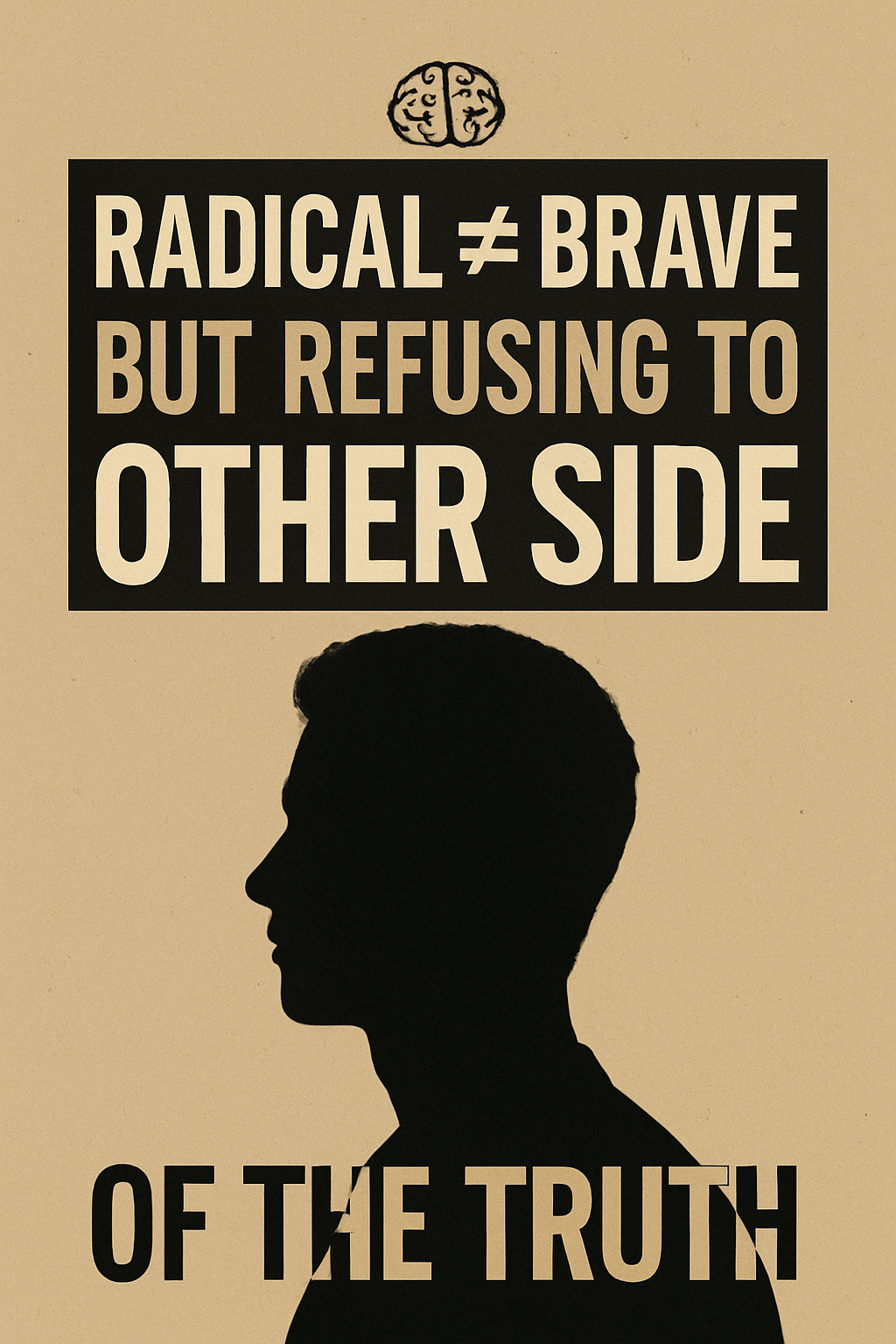
Why the Accused Must Defend, While the Accuser Needs No Proof
🤔 A Question Worth Asking
Why the Accused Must Defend, While the Accuser Needs No Proof
🤔 A Question Worth Asking
“Why is it that in our society, anyone can accuse others freely without proof, yet the accused must work hard to prove their innocence?” In our current environment, accusations without solid evidence have become commonplace.
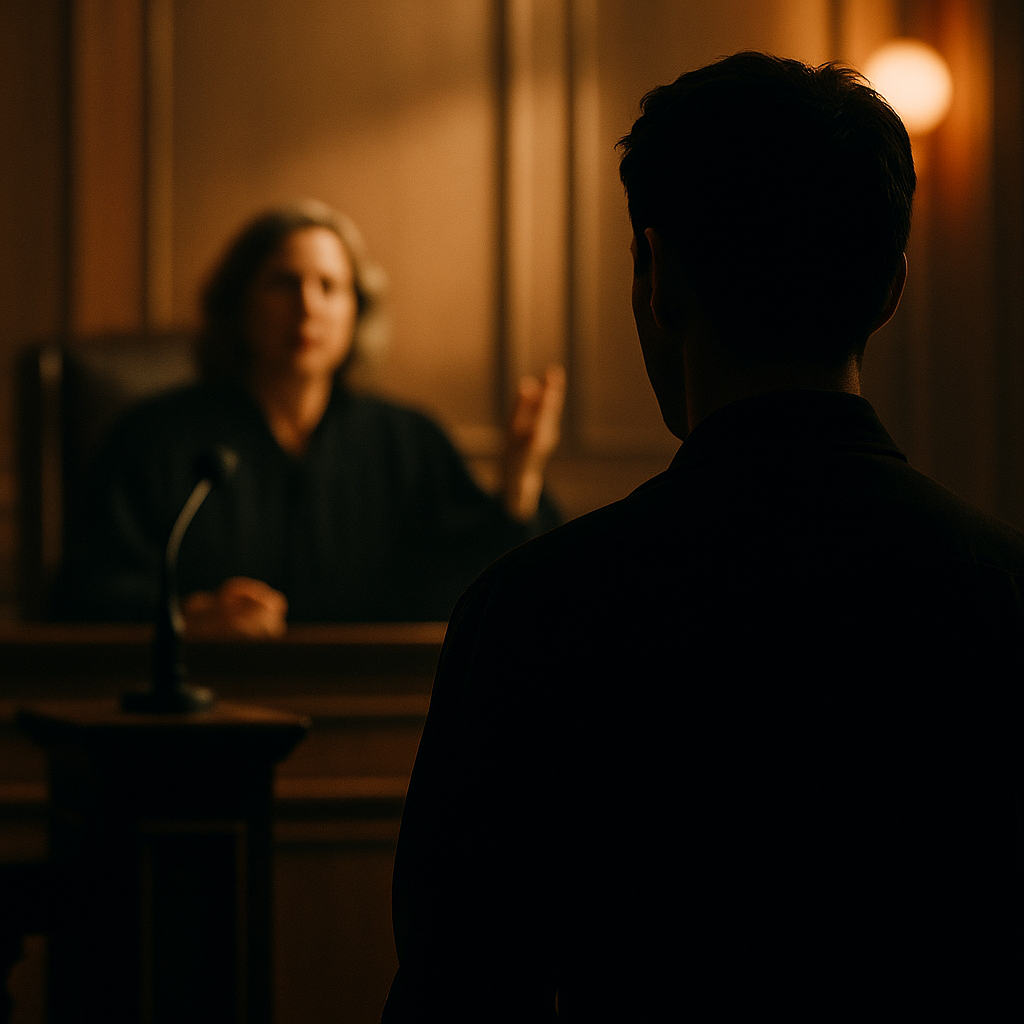
People get accused simply because:
- They hold a different opinion
- A quote of theirs was taken out of context
- They don’t meet someone’s expectation
- Or a viral clip on Instagram paints them in a certain light
What’s even more ironic? ✅ It’s the accused who is expected to defend themselves, salvage their reputation, and explain why they are not guilty.
When in fact, it should be:
The accuser who bears the burden of proof.
🔍 1. The Psychology of Reversed Burden
In a healthy legal system:
“The burden of proof lies on the accuser.”
But in social settings and especially on social media:
The burden often shifts to the accused, thanks to a psychological effect called “presumption of guilt”, assuming someone is guilty just because they were accused.
📚 A study by Psychology Today (2019) found:
“People tend to believe the first narrative they hear and will search for evidence that confirms it, rather than challenges it.”
This is known as confirmation bias.
🔥 2. The Power of Narrative in the Social Era
On social media, whoever speaks first, wins. Truth is often not about evidence, but about who controls the narrative and how emotionally charged that narrative is. 📊 According to Pew Research (2021):
Emotionally provocative content has a 70% higher chance of being shared than fact-based posts.
This explains why:
- Accusers go viral easily
- While the innocent struggle to clean their name
⚖️ 3. Law vs Society
In court, you’re presumed innocent until proven guilty (presumption of innocence). In society (especially online), you’re presumed guilty until you prove your innocence perfectly. Worse:
Defending yourself is seen as being “panicked.” Staying silent is seen as “admitting.”
Everything you do is wrong by default, even if you did nothing wrong.
💥 4. Instant Judgment Culture
- We prefer calling out to calling in
- We’re quicker to judge than to understand
- We love to blame more than to investigate
And sadly, accusations spread faster than clarifications.
“A lie can travel halfway around the world before the truth has its shoes on.” Mark Twain
💥 This Is Not a Small Problem
Left unchecked, this mindset creates a society that:
- Trusts assumptions over facts
- Destroys reputations overnight
- Values noise over nuance
🧠 MIT Study (2018) found:
False information spreads 6x faster than the truth because anger, hate, and fear travel faster than neutral facts.
We now live in a digital world that encourages accusation first, investigation later if ever.
🔮 Why We Must Push Back
Imagine being the accused:
- You’re forced to defend yourself for something you didn’t do
- Silence is taken as guilt
- Speaking up is seen as “overreacting”
All this, from a single viral post or anonymous DM. 📚 Even in the legal world:
“Presumption of Innocence” is a sacred principle
So why reverse that in social life?
Draw the Line Between Accusation and Proof
We need a collective mindset shift:
“If you dare to accuse, you must dare to prove.”
Don’t let social media teach the next generation that:
- Accusing is a right
- Defending is an obligation
- Assumptions can replace facts
The truth is: Silence ≠ Guilt. And lack of response doesn’t mean you’re wrong.
✅ What Can We Do Starting Today?
- Pause Before You Share; Ask: Is this a fact, opinion, or assumption?
- Look From Different Angles; Ask: What’s the full context?
- Give Space for Clarification; Don’t rush to judgment. Let people speak.
- Challenge Baseless Accusations; Remind others: Claims need evidence.
- Resist the “Viral First, Verify Later” Culture; Truth isn’t measured in likes or retweets.
🎯 Closing Thoughts
“Accusing is easy. Being responsible for the consequences of your accusation is not.”
Because when someone is wrongly accused:
- Reputations are ruined
- Families are affected
- Mental health takes a hit
All because one person felt right but didn’t have proof. So before you accuse, ask yourself: Do I have evidence, or just emotions? Because in the end,
Truth doesn’t shout. It stands. And it waits to be seen by those who care enough to look beyond the noise.
메타데이터
- post_id
- cd020d0cf506
- slug
- why-the-accused-must-defend-while-the-accuser-needs-no-proof-cd020d0cf506
- url
- https://medium.com/@yeremisihite/why-the-accused-must-defend-while-the-accuser-needs-no-proof-cd020d0cf506
- canonical_url
- https://medium.com/@yeremisihite/why-the-accused-must-defend-while-the-accuser-needs-no-proof-cd020d0cf506
- author_url
- https://medium.com/@yeremisihite
- status
- ok
- fetched_at
- 2026-07-25 19:03:14