How to Find Affordable SIA Security Courses in Birmingham Without Compromising Quality
The private security industry in the UK is booming. Across the country, businesses, venues, and corporate headquarters desperately need…
How to Find Affordable SIA Security Courses in Birmingham Without Compromising Quality

The private security industry in the UK is booming. Across the country, businesses, venues, and corporate headquarters desperately need qualified, licensed professionals to protect their assets and staff. Birmingham, as the UK’s second-largest city and a major hub for commerce, nightlife, and events, offers endless opportunities for new security personnel.
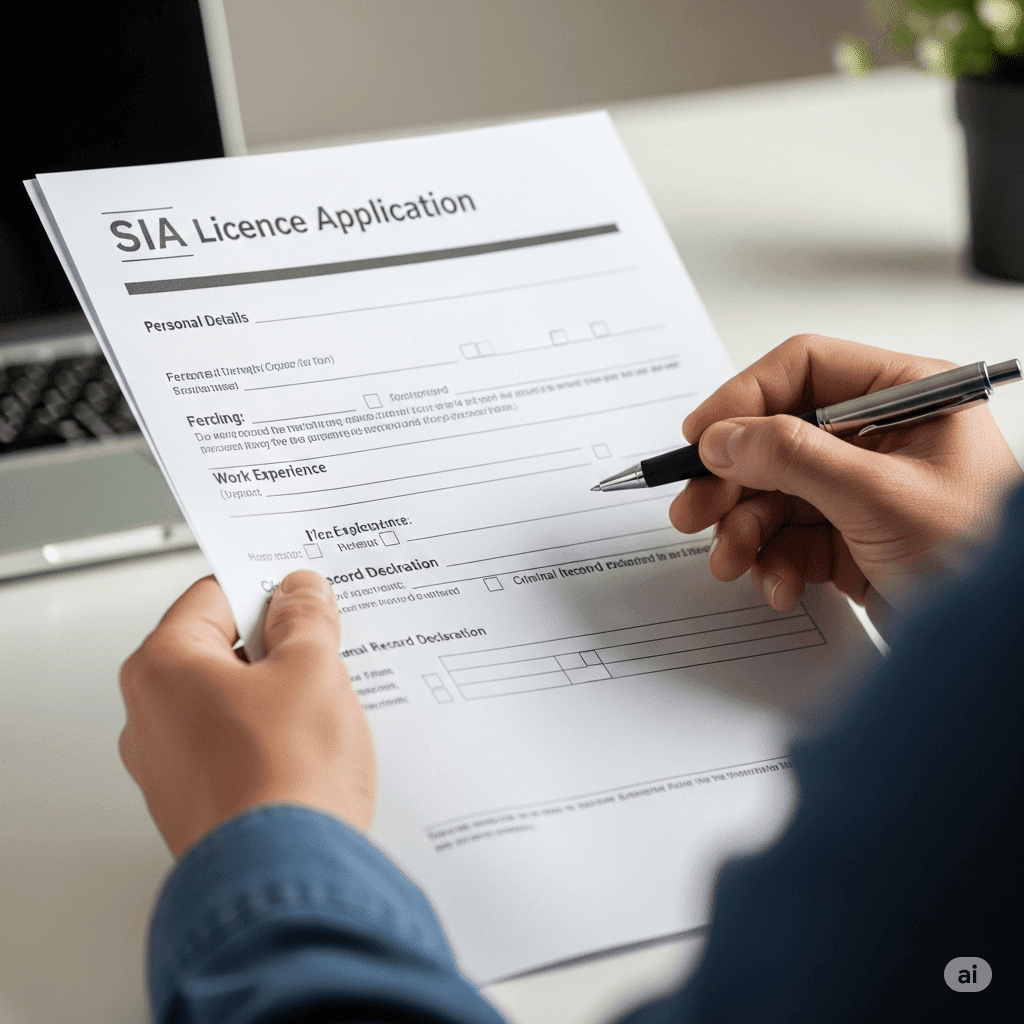
However, before you can step into a uniform and start earning a living, you face a significant hurdle: you must obtain your Security Industry Authority (SIA) licence. To get the licence, you must pass an approved training course.
For many people looking to enter the industry, the upfront cost of this training feels like a massive barrier. A quick Google search reveals a chaotic market. You will see prices ranging from £150 to over £400 for the exact same qualification. Naturally, you want to find a cheap course. But you also know the old saying: you get what you pay for.
Choosing a training provider based purely on price is dangerous. The UK security sector requires you to handle volatile situations, manage aggressive individuals, and navigate complex legal frameworks. Substandard training leaves you unprepared, unsafe, and at risk of failing your exams. Worse, it can cost you the £184 SIA licence application fee if you do not receive a valid certificate.
This comprehensive guide reveals exactly how to find affordable SIA training without compromising on quality. We break down the hidden costs, expose the scams, explain how to evaluate training providers, and show you how to secure funding to ease the financial burden.
Chapter 1: Understanding the SIA Licensing Landscape in the UK
Before you spend a single penny, you must understand what you are actually paying for. The SIA regulates the private security industry in the UK. By law, you need an SIA licence to work in specific roles.
Identifying Your Required Licence
You cannot simply take a “general security course.” You must match your training to your desired career path. The SIA issues four main licences for front-line staff:
- Door Supervisor Licence: You need this to work at pubs, nightclubs, bars, festivals, and event venues. This licence also allows you to work as a standard security guard.
- Security Guard Licence: You need this for corporate security, retail security, construction site security, and reception duties.
- CCTV Operator Licence: You need this to monitor cameras in a control room.
- Close Protection Licence: You need this for bodyguarding and executive protection.
If you want maximum flexibility, take the Door Supervisor course. It covers everything the Security Guard course covers, plus physical intervention and door-specific legislation.
The True Cost of Getting Licensed
Many beginners fail to calculate the true cost of entering the security industry. The training course is just one part of the equation. You must budget for the entire process:
- The Training Course: Typically £150 to £300.
- The SIA Licence Application Fee: £184 (This goes directly to the government, not the training provider).
- First Aid Training: The SIA strongly recommends, and many employers demand, an Emergency First Aid at Work (EFAW) certificate. This costs an additional £50 to £80.
- Travel and Food: If your training centre is far away, you must factor in fuel or train tickets, plus lunches for three to six days.
- Identification Documents: If you do not have a valid UK passport, you might need to pay for a replacement driving licence or birth certificate to prove your identity to the SIA.
When you look at a training course price, always add these additional costs. A £150 course that requires a £30 train journey and a £60 first aid course is ultimately more expensive than a £200 course located a ten-minute walk from your house that includes first aid training for free.
Chapter 2: The Anatomy of a High-Quality SIA Course
To recognise an affordable, high-quality course, you must first understand what quality actually looks like. The SIA sets strict minimum standards, but outstanding training providers go well beyond these minimums.
Awarding Body Accreditation
The SIA does not deliver training courses directly. Instead, it approves “Awarding Organisations.” These organisations, such as Highfield Qualifications, NOCN, Pearson (Edexcel), and Skills for Security, design the curriculum and issue the certificates.
The training provider delivers the teaching, but the Awarding Organisation guarantees the standard. When you evaluate a course, check which Awarding Organisation backs it. If a provider cannot tell you their Awarding Organisation, walk away immediately.
The Core Modules
Regardless of the provider, the course must cover specific modules. A Door Supervisor course, for example, must include:
- Module 1: Working within the Private Security Industry. This covers the purpose of the SIA, legal definitions, and basic health and safety.
- Module 2: Working as a Door Supervisor. This covers licensing laws, drugs awareness, search procedures, and incident documentation.
- Module 3: Conflict Management. This teaches you the communication skills needed to defuse angry people before a situation turns violent.
- Module 4: Physical Intervention Skills. This teaches you how to physically escort people, hold them safely, and break away from grips without causing unnecessary harm.
High-quality providers spend significant time on Modules 3 and 4. Low-quality providers rush through the physical intervention training to save money on space and instructor time.
Trainer Credentials
Your trainer makes or breaks your experience. A great trainer possesses real-world operational experience. They have worked on doors, handled real violence, and dealt with real emergencies. They can translate the boring legal textbook into engaging, practical stories.
Ask the provider about their instructors. Do they hold a Level 3 Certificate in Delivering Learning (PTLLS) or an equivalent teaching qualification? Do they have active, recent frontline security experience?
The Physical Training Environment
Physical intervention requires space. You need a large, padded training room to practice safely. High-quality providers invest in proper safety mats. If a provider is running physical intervention training in a cramped, carpeted office with no mats, they are cutting corners. This puts you at risk of injury and fails to provide a realistic learning environment.
Chapter 3: The Dangerous Traps of “Cheap” Security Courses
When you search for training, you will encounter incredibly cheap deals. You must understand the business models behind these deals to avoid getting scammed.
The “Bait and Switch” Pricing
Some providers advertise a Door Supervisor course for £99. This price is practically impossible to deliver profitably unless they cut massive corners. When you enquire, they reveal the catch.
They might say the £99 only covers the “tuition,” but you must pay an extra £80 for the “exam fees” and another £50 for the “certificate processing fee.” Suddenly, your £99 course costs £229. Always ask for the total, all-inclusive price before you hand over any money.
Outdated Curriculum and Lazy Teaching
The private security industry evolves constantly. New laws emerge, and SIA guidance updates. High-quality providers update their training materials regularly.
Cheap providers often use outdated PowerPoint slides from five years ago. They might skip over recent changes in counter-terrorism legislation or modern de-escalation techniques. This lazy teaching leaves you with a certificate, but completely unprepared for modern security work.
High Failure Rates
Your training provider does not mark your final exams. An independent examiner from the Awarding Organisation marks your multiple-choice papers and evaluates your physical intervention skills.
If a provider rushes the teaching, you will fail the exam. If you fail, you must pay to resit the exam. These resit fees usually cost between £50 and £100. A £120 course that requires a £75 resit fee costs you more money and wastes your time compared to a £180 course with a 95% first-time pass rate.
The Ghost Provider Scam
This is the most dangerous scam in the UK training market. Fraudulent websites pose as legitimate training centres. They take your payment online. When you arrive at the training address on the first day, you find an empty building or a completely unrelated business. By the time you realise you have been scammed, the website has vanished, and your money is gone.
Always verify the physical address of the training centre. Look at their Google Street View. Call their phone number. Check their reviews on independent platforms like Trustpilot or Google Reviews.
Chapter 4: How to Strategically Search for Affordable Courses
Finding the right balance of price and quality requires a strategic approach. You must dig deeper than the first page of Google.
Mastering Google Search Operators
Do not just type “cheap SIA course.” Use specific search terms to find targeted results:
- “NOCN Door Supervisor course Birmingham price”
- “Highfield SIA training Birmingham all inclusive”
- “SIA course Birmingham no hidden fees”
These specific searches filter out the generic spam websites and connect you with providers who clearly advertise their pricing and accreditation structures.
Leveraging Local Community Resources
Birmingham has a vast network of community centres, youth clubs, and adult education centres. Many of these organisations partner with accredited training providers to offer SIA courses at heavily subsidised rates.
Search local council websites or community notice boards. These programmes often receive government funding to help unemployed individuals back into work. While these courses might require you to meet specific criteria (like claiming Universal Credit), they offer incredible value and high-quality instruction.
Checking College Prospects vs. Private Providers
Further education colleges, such as South & City College Birmingham or Birmingham Metropolitan College, occasionally run SIA courses.
Colleges:
- Pros: Highly regulated, excellent facilities, deeply subsidised prices, reputable qualifications.
- Cons: Inflexible schedules. They run on academic term times, meaning you might have to wait months for the next start date.
Private Training Providers:
- Pros: Frequent start dates (often weekly), flexible schedules (weekends or fast-track options), faster enrollment.
- Cons: Quality varies wildly. You must vet them rigorously.
When you begin your search for security courses birmingham, you must evaluate both options to see which fits your budget and timeline. We recommend checking dedicated local specialists like https://getyoursia.co.uk/security-courses-birmingham/ as a benchmark for pricing, transparency, and inclusions, allowing you to compare their offering against other local providers.
Chapter 5: The Ultimate Checklist for Vetting a Training Provider
Before you pay any deposit, run the training provider through this rigorous checklist. If they fail even one of these points, look elsewhere.
- Are they an approved training provider? Ask for their centre number with their Awarding Organisation (e.g., their Highfield centre number). You can verify this directly on the Awarding Organisation’s website.
- Is the price fully inclusive? Ask explicitly: “Does this price include the training, the exam fees, the certificate fees, and all course materials?” Get the answer in writing via email.
- What is their pass rate? Reputable providers proudly advertise their pass rates. Look for a 90% or higher first-time pass rate.
- Who teaches the course? Ask for the names and backgrounds of the lead trainers. Look for former police officers, military personnel, or experienced door supervisors with teaching qualifications.
- Where is the physical location? Verify the address. Is it a dedicated training facility with padded mats for physical intervention? Or is it a temporary room hired in a pub?
- What are the class sizes? Quality training requires individual attention. If a provider crams 30 people into a physical intervention class, you will not get enough practice. Look for class sizes capped at 12 to 15 students.
- Do they offer post-course support? High-quality providers care about your career, not just your training fee. Do they offer help with your SIA licence application? Do they provide CV writing workshops? Do they have direct links to local security companies for job interviews?
Chapter 6: Maximising Value — What “Extras” Save You Money?
Sometimes, a slightly more expensive course actually saves you money in the long run. You must calculate the value of the “extras” included in the package.
Included First Aid Training
As mentioned earlier, most employers require an EFAW certificate. If a provider charges £220 for the SIA course but includes the £70 first aid course for free, you are getting exceptional value. You save time by not attending a separate training day, and you save money on overall fees.
Free SIA Licence Application Assistance
The SIA application process confuses many people. A tiny mistake on your form can delay your licence by six weeks. Some premium providers sit down with you, help you fill out the online form, and verify your documents before you submit them. Getting your licence six weeks faster means you can start working six weeks sooner. Earning £12 an hour for a 40-hour week means that early start puts £2,880 back in your pocket.
Guaranteed Job Interviews
The best training providers have strong relationships with local security firms in Birmingham. They might offer a “guaranteed interview” upon successful completion of the course. While this is not a guaranteed job, it gets your foot in the door without you having to cold-call recruitment agencies.
Free Uniform Items
Some providers throw in a free pair of security boots or a high-visibility jacket upon enrollment. While these items cost the provider very little due to wholesale pricing, they save you £40 to £60 at the start of your new career.
Chapter 7: Navigating Funding and Financial Support in the UK
If you simply cannot afford the upfront cost of an SIA course, you have options. The UK government and local authorities offer several routes to fund your training.
Advanced Learner Loans
If you are aged 19 or over and taking a Level 3 qualification (like a Close Protection course, or some specialised security packages), you might qualify for an Advanced Learner Loan.
The government pays the training provider directly on your behalf. You do not have to pay anything upfront. You only start repaying the loan once you earn over £27,295 a year. The repayments come directly out of your payslip at a very low percentage (9% of your income above the threshold). If your income drops below the threshold, your payments stop automatically.
Universal Credit and Jobcentre Support
If you currently claim Universal Credit, your Work Coach can often fund your SIA training. The Jobcentre has budgets specifically allocated to help claimants gain new skills and enter employment.
You must present a strong case. Do not just say you want to do security work. Show your Work Coach a list of active, local security job vacancies that require an SIA licence. Explain that the training is a direct barrier to securing that employment. Many Jobcentres will pay the training provider directly via a “Flexible Support Fund” grant.
Armed Forces Transition Funding
If you are leaving or have recently left the British Army, Royal Navy, or Royal Air Force, you have access to exceptional funding. The Enhanced Learning Credits Administration Service (ELCAS) provides financial support for service leavers to gain civilian qualifications. Many SIA training providers are registered ELCAS providers. You can use your remaining ELC credits to cover the cost of Door Supervisor, CCTV, and Close Protection courses.
Local Council Grants
Birmingham City Council and surrounding local authorities occasionally run skills bootcamps or employability grants. These programmes change frequently based on government funding cycles. Search the Birmingham City Council website for “adult skills budget” or “employability grants” to see if you qualify for a free or subsidised course.
Chapter 8: The Interview How to Interrogate the Training Provider
When you narrow down your list to two or three potential providers, call them. Do not rely entirely on their website. The way a provider handles your phone call tells you everything you need to know about their professionalism.
Question 1: “Can you confirm the exact total price I will pay, with absolutely zero hidden fees for exams or certificates?” Why ask this: It forces them to commit to a final price on the record.
Question 2: “Which Awarding Organisation do you use, and what is your centre number?” Why ask this: If they hesitate or say “we are SIA approved” (which is technically incorrect — only the qualifications are SIA approved, the providers are Awarding Organisation approved), they lack basic industry knowledge.
Question 3: “Who will be teaching my course, and what is their operational background?” Why ask this: You want to hear about real-world experience, not just academic teaching credentials.
Question 4: “If I fail an exam, what are your resit policies and fees?” Why ask this: You need to know your financial liability if things go wrong.
Question 5: “Can I visit the training centre before I pay?” Why ask this: Legitimate, high-quality providers will welcome you with open arms. Scammers and low-quality providers operating out of temporary offices will make excuses.
Chapter 9: A Realistic Case Study — Getting It Right
Let us look at a realistic scenario to illustrate how this strategy works in practice.
John lives in Erdington, Birmingham. He wants to become a Door Supervisor. He searches Google and finds two options.
Option A: A website advertising a “Door Supervisor Course for £120.” John calls them. The phone rings for a long time. A person answers and says the £120 is a “deposit.” The remaining £100 is due on day one. When John asks about exam fees, the person says, “Yeah, that’s another £40 on the third day.” The total cost is £260. The provider refuses to give their physical address until John pays the deposit.
Option B: A dedicated security training academy located in Digbeth. Their website clearly lists the total, all-inclusive price at £210. The price includes training, exams, certificates, a free first aid course, and a CV writing workshop. John calls them. A professional receptionist answers. She confirms the price is £210 with zero hidden fees. She tells John the trainer is a former doorman with 15 years of experience in Birmingham city centre. She invites John to visit the centre on Tuesday to see the facilities.
John chooses Option B. Even though the upfront advertised price looks £90 more expensive, the final price is actually £50 cheaper. Furthermore, John receives first aid training (saving him £70 elsewhere), professional instruction, and career support. John makes a smart, informed financial decision by looking past the “bait” price.
Chapter 10: Avoiding Common Mistakes After You Book
Once you find an affordable, high-quality course and pay your deposit, you must protect your investment. Many people waste their money by making silly mistakes during the training week.
Do Not Be Late
Training providers run on strict schedules dictated by the Awarding Organisations. If you arrive late, the trainer legally cannot let you join that specific module. You will have to wait months to retake that module on another course. Arrive 30 minutes early every single day.
Bring the Correct Identification
You must bring specific ID to your course. Usually, this means a valid UK passport or a UK driving licence (with a counterpart if it is an old style). If you do not have these, you must bring alternative documents like a birth certificate, a bank statement, and a National Insurance card. Contact your provider a week before your course to confirm exactly what ID you need. If you bring the wrong ID, you cannot sit the exam. You will lose your money.
Take Notes Actively
Do not just sit and listen. The final exam covers a massive amount of legal information, including specific laws like the Licensing Act 2003 and the Public Order Act 1986. Take detailed notes. Highlight key acts of parliament. You cannot take your notes into the exam room, but the physical act of writing helps cement the information into your brain.
Engage During Physical Intervention
Physical intervention requires muscle memory. When the instructor demonstrates a technique, practice it perfectly. Do not mess around with your friends during the practical sessions. Take it seriously. If you fail the practical assessment, you fail the entire course.
Chapter 11: The Birmingham Advantage — Why Location Matters
Choosing a local provider in Birmingham offers massive advantages over travelling to London, Manchester, or other cities.
Local Knowledge
Security work is highly localized. The laws of licensing vary slightly depending on the local council. A trainer based in Birmingham understands the specific challenges of working in the Broad Street area, the Bullring, or the Jewellery Quarter. They can tailor their examples to the environments you will actually work in.
Local Networking
When you train with a Birmingham provider, you train alongside other Birmingham residents. These people become your professional network. You will exchange phone numbers. Months later, when someone needs cover for a shift at a local pub, they will call you.
Local Employer Connections
Birmingham-based training centres have direct relationships with Birmingham-based security companies. Firms like Securitas, G4S, and local independent contractors frequently ask local providers to recommend top-performing students. If you travel to a different city for a cheap course, you miss out on this local pipeline.
Conclusion: Invest Wisely in Your Future
Entering the UK private security industry is a smart career move. It offers job security, flexible hours, and genuine opportunities for progression into management or close protection. However, your entire career rests on the foundation of your initial training.
You can find affordable training without sacrificing quality. You simply must do your homework. Ignore the flashy “bait and switch” prices. Focus on all-inclusive pricing. Verify the provider’s Awarding Organisation accreditation. Demand experienced trainers. Ask difficult questions over the phone. Explore funding options like Advanced Learner Loans or Jobcentre grants.
Whether you choose a large further education college or a dedicated private academy, ensure they meet every standard on the checklist. Whether you choose a local college or a dedicated provider like https://getyoursia.co.uk/security-courses-birmingham/, ensure they prove their value through transparent pricing, proven pass rates, and post-course career support.
Take the time to research properly. Protect your money, protect your safety, and build a foundation that will support a long, lucrative, and successful career in the UK security industry.
메타데이터
- post_id
- cd0922118078
- slug
- how-to-find-affordable-sia-security-courses-in-birmingham-without-compromising-quality-cd0922118078
- url
- https://medium.com/@getyoursia4/how-to-find-affordable-sia-security-courses-in-birmingham-without-compromising-quality-cd0922118078
- canonical_url
- https://medium.com/@getyoursia4/how-to-find-affordable-sia-security-courses-in-birmingham-without-compromising-quality-cd0922118078
- author_url
- https://medium.com/@getyoursia4
- status
- ok
- fetched_at
- 2026-07-29 13:52:11