Transcription Factors
Transcription factors are proteins that regulate gene expression by facilitating or suppressing the conversion of DNA into RNA (the…
Transcription Factors
Transcription factors are proteins that regulate gene expression by facilitating or suppressing the conversion of DNA into RNA (the process known as transcription). While the exact number of transcription factors is not known, estimates in humans range from 2000 to 3000 distinct transcription factors.
Structure of Transcription Factors
Transcription is the process by which genetic information encoded in DNA is copied into RNA. RNA is then decoded to produce amino acid chains that fold into proteins through a process called translation. Transcription factors tell the cell which genes to express. They can turn specific genes “on” or “off” to ensure that the proper genes are expressed at the proper time. Thus, groups of transcription factors work together to regulate major cellular processes, such as cell division, cell growth, and cell death.
Tumor Protein p53 Transcription Factor

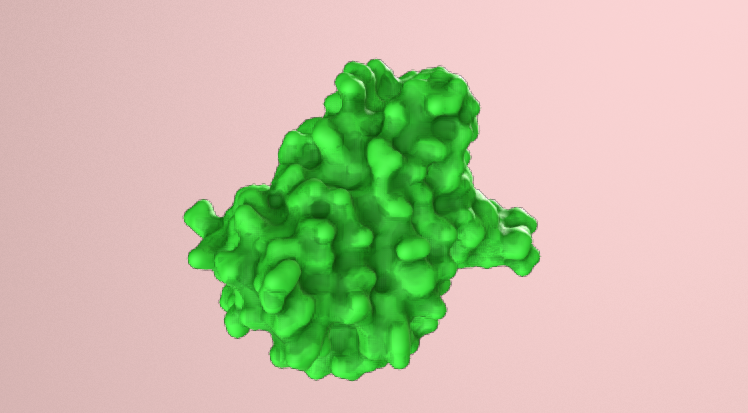
TUMOR SUPPRESSOR P53 COMPLEXED WITH DNA by Dominic on Sketchfab
p53 is one of the best characterized transcription factors. Tumor protein p53 promotes genomic stability by preventing genome mutation. The structure of the p53 protein includes domains that recognize specific DNA sequences as well as damaged DNA (e.g., single stranded DNA or misaligned base pairs). When p53 detects DNA damage, it binds to DNA and activates the transcription of proteins that can arrest the growth of the cell. Without p53, the abnormal cell could proliferate, resulting in cancer. p53 also activates the transcription of proteins that can repair DNA or trigger apoptosis, the process of programmed cell death. Taken together, these functions point to the role of p53 as an essential transcription factor that regulates genes important for the suppression of tumors.
All transcription factors contain a DNA-binding domain and a trans-activating domain:
- The DNA-binding domain, as its name suggests, allows the transcription factor to attach to a specific DNA sequence. For example, a transcription factor may bind to a specific gene’s promotor region to turn on gene expression, starting the transcription process.
- The trans-activating domain contains sites for other proteins to bind to the transcription factor. These are important for groups of proteins to co-regulate gene expression.
- Some transcription factors contain signal-sensing domains that allow the protein to detect external signals. This allows the transcription factors to transmit information to the entire transcription complex, up- or down-regulating transcription as needed.
Function of Transcription Factors
For transcription to occur, the enzyme RNA polymerase must unwind the double-stranded DNA. This allows the nucleotides to be used as a template to make RNA. RNA polymerase is not allowed to unwind the DNA strand until transcription factors have bound to the promotor region of the gene. Thus, transcription factors can modify gene expression in complex ways:
- Through modulating the ability of RNA polymerase to bind to DNA.Some transcription factors make it easier for RNA polymerase to bind to DNA, while others block the enzyme from binding. This makes it more or less likely that a gene will be transcribed.
- Through altering the accessibility of the DNA. DNA is tightly coiled around proteins called histones. Transcription factors can cause DNA to become more weakly coiled, improving its accessibility to RNA polymerase. Alternatively, transcription factors could enhance binding of DNA to histones, decreasing the likelihood of transcription.
- By Recruiting other molecules. Transcription factors rarely work alone. Rather, they may recruit other molecules that either enhance or suppress transcription activity. By working in a complex, groups of transcription factors facilitate complex cellular processes.
메타데이터
- post_id
- cd24abe4b65d
- slug
- transcription-factors-cd24abe4b65d
- url
- https://medium.com/you-are-not-what-you-think/transcription-factors-cd24abe4b65d
- canonical_url
- https://medium.com/you-are-not-what-you-think/transcription-factors-cd24abe4b65d
- author_url
- https://medium.com/@dwaithe
- status
- ok
- fetched_at
- 2026-06-13 09:11:36