Biocomputing: Revolutionizing AI with Biological Computers | Startuprad.io
Introduction:
Biocomputing: Revolutionizing AI with Biological Computers | Startuprad.io
Introduction:
In a groundbreaking episode of Startuprad.io, host Joe Menninger interviews Fred Jordan, CEO and co-founder of Final Spark, a pioneering company in the field of biocomputing. They explore the potential of biocomputing to revolutionize artificial intelligence (AI) by drastically reducing energy consumption and unlocking new levels of efficiency and capability. This article delves into the key takeaways from their conversation, highlighting the transformative potential of biocomputing and its implications for the future of technology.
What is Biocomputing?
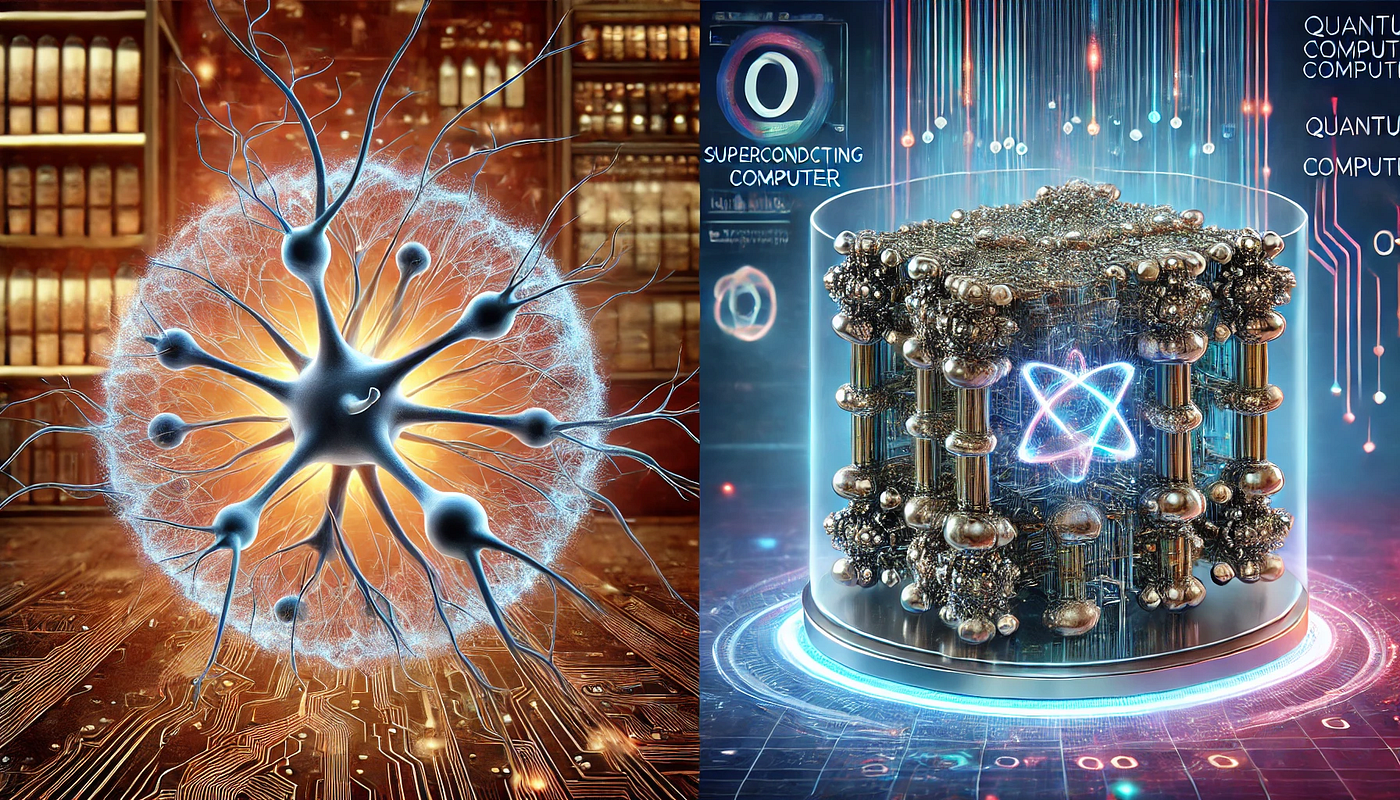
Biocomputing utilizes biological molecules, such as neurons, to perform computations. This revolutionary approach offers a radical departure from traditional silicon-based computing, with the potential to dramatically reduce energy consumption and unlock new levels of efficiency in AI applications.
The Potential of Biocomputing
- Energy Efficiency: Biocomputing could significantly reduce the energy footprint of AI, addressing a growing concern as AI applications become more prevalent.
- Enhanced Performance: By utilizing the inherent complexity and adaptability of biological systems, biocomputing could enable more efficient and sophisticated AI models.
- New Applications: Biocomputing could open doors to entirely new applications, such as human augmentation, advanced biosensors, and even hybrid objects that integrate living and non-living components.
How Does Biocomputing Work at Final Spark?
Final Spark’s approach involves creating “brain organoids,” small balls of interconnected neurons that are placed on electrodes to send and receive information. These organoids are grown from human-derived stem cells, offering a potentially scalable and cost-effective way to produce biocomputing components.
The Challenges of Biocomputing
- Technical Hurdles: One of the main challenges lies in “teaching” these biological systems to perform specific computations reliably and efficiently.
- Ethical Considerations: The use of human-derived neurons raises ethical questions that require careful consideration and collaboration with experts in the field.
The Future of Biocomputing
Despite the challenges, the future of biocomputing looks bright. Fred Jordan envisions a future where biocomputers work alongside traditional computers, powering cloud computing services and enabling AI applications with unprecedented efficiency and capabilities.
Conclusion:
Biocomputing is a fascinating and rapidly evolving field with the potential to transform the world of AI and beyond. As Fred Jordan eloquently puts it, “Biocomputing is not just a simple new technology. It’s a new industry that is going to stay and change everything in the coming 10 to 20 years.”
Original Article Reference:
This article is based on a podcast episode from Startuprad.io, available at: https://www.startuprad.io/post/biocomputing-the-future-of-ai-with-fred-jordan.
Learn More
- Find more content on our blog: https://www.startuprad.io/blog/
- Work with us reach out: ads@startuprad.io
- Subscribe: https://linktr.ee/startupradio
- Give us feedback: https://forms.gle/SrcGUpycu26fvMFE9
- Follow the editor in chief / founder on LinkedIn:
- Special Offer: We have a special deal with ModernIQs.com, where Startuprad.io listeners can create two free seo optimized blog posts per month in less than a minute. You will get the two free posts for your blog each month only when you use the link in the show notes. This is exclusive for our audience https://moderniqs.com/create-an-account/?res_aff=startupradio Note: You need to subscribe while on the link, otherwise you don’t get 2 pieces.
- https://www.crunchbase.com/organization/finalspark
- https://www.crunchbase.com/organization/alpvision
- https://finalspark.com/neuroplatform
- Papers
- FinalSpark Paper: https://www.frontiersin.org/journals/artificial-intelligence/articles/10.3389/frai.2024.1376042/full
- Paper referred to in the interview: https://www.frontiersin.org/journals/science/articles/10.3389/fsci.2023.1017235/full
- Discord: FinalSpark https://discord.com/invite/aayWQj9X8d
- Peter F Hamilton: https://de.wikipedia.org/wiki/Peter_F._Hamilton
- Speech:
- https://www.youtube.com/watch?v=JUeR4rhJx5U
- Butterfly of FinalSpark: https://youtu.be/5wILRLhAq1g
메타데이터
- post_id
- cd2e5d55ea9b
- slug
- biocomputing-revolutionizing-ai-with-biological-computers-startuprad-io-cd2e5d55ea9b
- url
- https://medium.com/startuprad-io/biocomputing-revolutionizing-ai-with-biological-computers-startuprad-io-cd2e5d55ea9b
- canonical_url
- https://medium.com/startuprad-io/biocomputing-revolutionizing-ai-with-biological-computers-startuprad-io-cd2e5d55ea9b
- author_url
- https://medium.com/@startuprad_io
- status
- ok
- fetched_at
- 2026-08-01 08:16:42