A Soba Professional Teaches 8 Ways to Eat Soba Like a True Connoisseur
**The unwritten rules of Japan’s most refined noodle culture — explained by someone who has lived them for 30 years**
A Soba Professional Teaches 8 Ways to Eat Soba Like a True Connoisseur

The unwritten rules of Japan’s most refined noodle culture — explained by someone who has lived them for 30 years
— — -
The first time most foreigners sit down at a serious soba restaurant in Japan, the same questions come up:
Do I slurp? Is that rude? When do I add the wasabi? Should I dip the whole noodle in the sauce?
Nobody tells you these things. And yet, in Japan, there is a whole culture around how soba is eaten — one that developed over centuries in the backstreets of Edo, shaped by craftsmen in a hurry, sake lovers lingering over small plates, and chefs who took profound pride in a bowl of noodles.
As a first-class certified Soba Connoisseur with nearly 30 years at a soba restaurant in Chigasaki, Japan, I’d like to walk you through eight things that will change how you experience soba — starting today.
— — -
1. Eat Quickly — Soba Waits for No One
This is the single most important thing to understand about soba: it starts deteriorating the moment it’s served.
Soba noodles lose moisture in seconds. As they sit, they stretch, soften, and lose the texture and fragrance that make them worth eating. A bowl of soba that has been sitting on the table while you chat is a bowl of soba that has given up on you.
The old craftsmen of Edo ate their soba in five to eight minutes, not because they were rude, but because they respected what was in front of them.
Once your bowl arrives, set the conversation aside and give the soba your full attention. You can talk again afterward.
— — -
2. First, Eat the Noodles Plain
Before you reach for the dipping sauce, pick up two or three strands of soba and eat them as they are.
Soba is a delicate food. Its fragrance — a soft, grainy, almost nutty aroma — is easily overwhelmed by the soy-based dipping sauce. Eating the noodles plain first lets you register that aroma before it’s gone.
Slurp them in one motion. Don’t be shy.
You may not notice much the first time. That’s completely normal. The ability to perceive soba’s subtle fragrance develops with experience. What matters is that you try — and that you’re paying attention.
— — -
3. Taste the Dipping Sauce Before You Use It

Before dipping your noodles, bring the猪口 cup to your lips and take a small sip of the dipping sauce.
Every soba restaurant makes its soba-tsuyu differently. The ratio of soy sauce to mirin to bonito broth, the aging process, the season — all of it changes the taste. A good dipping sauce is a craft in its own right.
By tasting it first, you learn whether it’s sharp and salty or sweeter and mellower — and you can adjust how much you use accordingly.
A general guideline: dip your soba to about one-third of its length, no more. The sauce is strong; the noodle is delicate. You want them to complement each other, not for one to dominate.
And please — don’t swirl the noodles around inside the sauce. That’s the soba equivalent of stirring a fine wine with a spoon.
— — -
4. Slurp Loudly and Deliberately
Yes, slurping is not just acceptable at a soba restaurant — it’s the correct way to eat.
When you slurp soba in one swift motion, air passes through your mouth and into your nasal cavity, carrying the buckwheat aroma with it. This is called retronasal olfaction — the same mechanism that makes wine tasting so expressive. The flavor of soba, properly slurped, reaches parts of your palate that polite nibbling never would.
Note the distinction: slurping noodles is encouraged. Slurping the dipping sauce or the sobayu (the hot buckwheat water served at the end) with noise is not. The difference is the noodles themselves — their passage through the air is what releases the aroma.
— — -
5. Use Wasabi and Condiments Wisely
The wasabi and leek served alongside your soba are often misused — added directly to the dipping sauce at the start of the meal and left there.
The problem: once dissolved into the sauce, both wasabi and leek lose their individual character. The dipping sauce absorbs them entirely, and you end up tasting a single blended flavor rather than the distinct profiles of each element.
Instead, try this: place a small amount of wasabi directly onto the noodle before eating it. Add a pinch of leek in the same way. Eat the noodle immediately after. You’ll experience three separate flavors in sequence — the soba, the condiment, the way they interact — rather than one undifferentiated mass.
The condiments also work beautifully added to your sobayu at the end of the meal. Save some for then.
— — -
6. Don’t Be Afraid to Chew
Somewhere along the way, a rumor spread that true soba connoisseurs swallow their noodles whole, without chewing.
You don’t have to do this. And frankly, you’d be missing out if you did.
Slurping soba releases its aroma. Chewing soba releases its flavor. These are two different experiences, and both are worth having. The moment you bite down and hold the noodle against your palate, a deeper, grainier, more complex taste emerges — one that slurping alone never reaches.
Think of it as experiencing the same thing twice, at different depths.
The whole-swallow tradition comes from the Edo-era craftsmen who were genuinely too busy to chew — eating soba three times a day during short breaks, fueling physical labor on minimal calories. You are (probably) not in that situation.
— — -
7. Consider a Drink Before the Soba
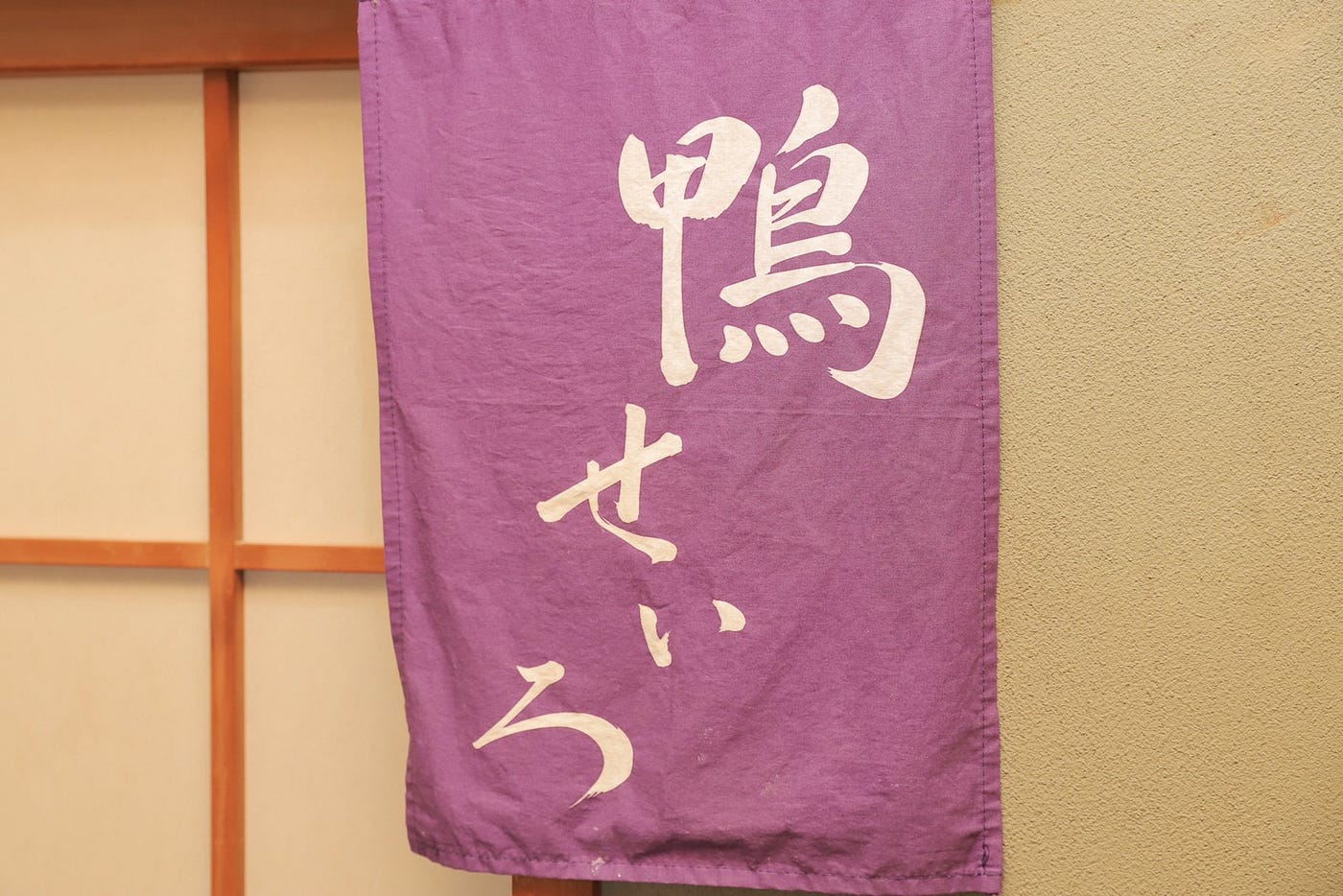
In Edo-period Japan, soba restaurants were also known for their sake. Unlike many establishments, which watered down their spirits during delivery, soba restaurants were trusted to serve undiluted, quality alcohol. People came as much to drink as to eat.
The tradition of sobamae — a drink or two before the noodles — lives on today. It typically goes like this: a small carafe of sake with some light snacks, perhaps another round with a small dish of tanemono (warm toppings like fish cake or rolled egg), and then the soba itself to close the meal.
Two or three drinks is the traditional limit — enough for a pleasant warmth, not enough to lose appreciation for what you’re eating. The soba, in this context, is both a satisfying finish and a gentle corrective.
If you’re visiting a soba restaurant for the first time, even just ordering one drink before your noodles will shift the entire experience.
— — -
8. Don’t Linger
A soba restaurant is not a café. The culture around soba has always valued efficiency — not coldly, but as a form of respect for the craft and the other guests.
Eat well, drink a little, pay, and go. There’s something quietly elegant about the person who arrives, orders confidently, eats with focus, and leaves without drama.
The soba, after all, was never meant to be background noise. It was the point.
— — -
A Final Note
These eight principles aren’t rules designed to intimidate you. They’re invitations — ways of paying closer attention to something that rewards attention.
Soba is one of the most carefully made foods in Japanese cuisine. The buckwheat farmer, the miller, the chef who woke before dawn to grind and roll and cut — they all did their part. All that remains is for you to show up, slow down for eight minutes, and actually taste what’s in front of you.
That, in the end, is what it means to eat soba well.
— — -
The author is a first-class certified Soba Connoisseur (蕎麦鑑定士1級) and has operated Asanoya soba restaurant in Chigasaki, Japan for nearly 30 years.
메타데이터
- post_id
- cd67a5154f77
- slug
- a-soba-professional-teaches-8-ways-to-eat-soba-like-a-true-connoisseur-cd67a5154f77
- url
- https://medium.com/@shige-anchor/a-soba-professional-teaches-8-ways-to-eat-soba-like-a-true-connoisseur-cd67a5154f77
- canonical_url
- https://medium.com/@shige-anchor/a-soba-professional-teaches-8-ways-to-eat-soba-like-a-true-connoisseur-cd67a5154f77
- author_url
- https://medium.com/@shige-anchor
- status
- ok
- fetched_at
- 2026-06-21 15:33:18