FUTURE -PROOFING LIGHT GAUGE STEEL PROJECTS WITH ADVANCED CORROSION PROTECTION STRATEGIES
Light gauge steel framing has become a key element in modern construction, known for its strength, efficiency, and flexibility. However…
FUTURE -PROOFING LIGHT GAUGE STEEL PROJECTS WITH ADVANCED CORROSION PROTECTION STRATEGIES
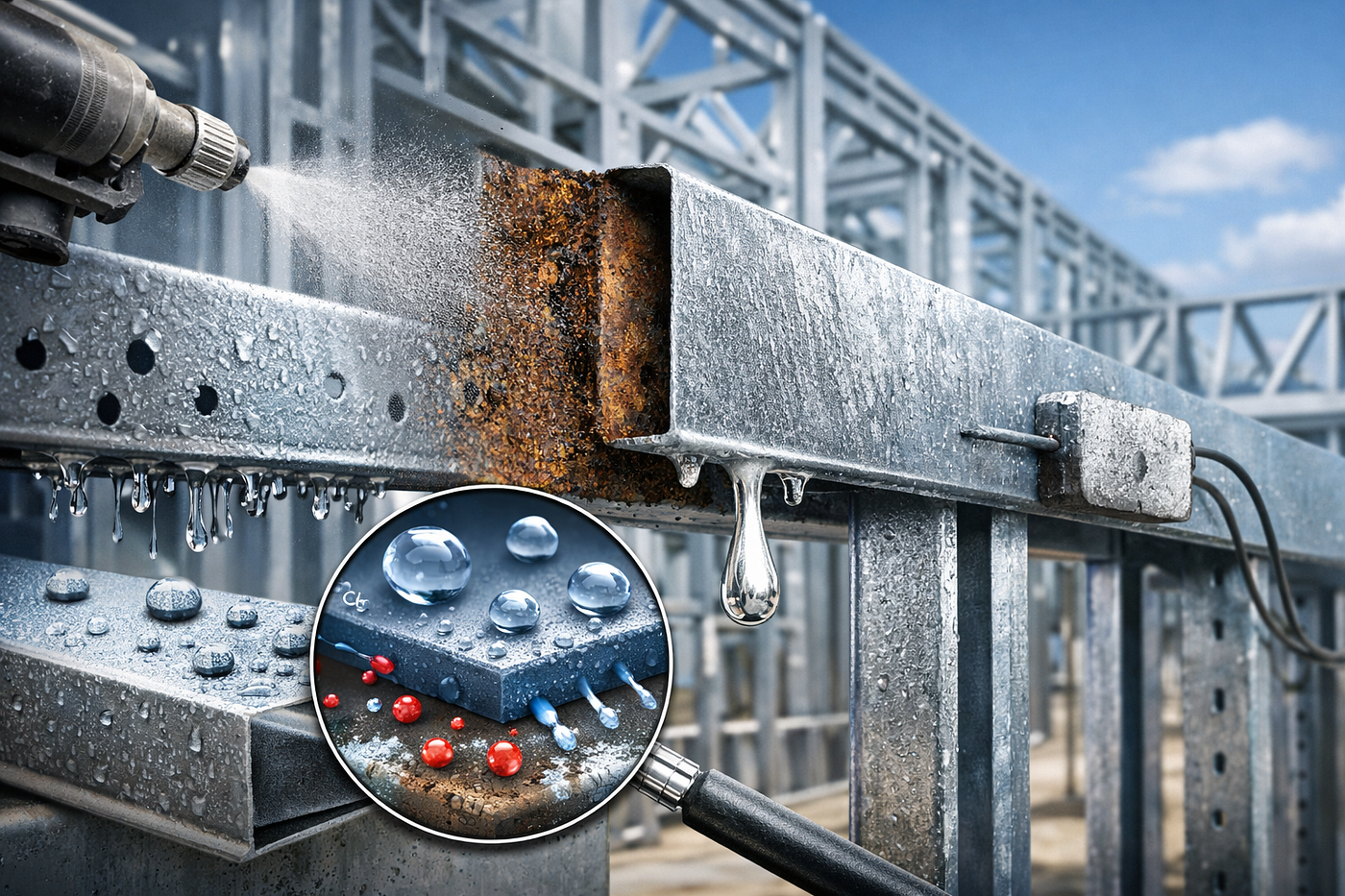
Light gauge steel framing has become a key element in modern construction, known for its strength, efficiency, and flexibility. However, one challenge that can impact its long-term performance is corrosion caused by exposure to moisture, chemicals, and harsh environmental conditions.
Protecting steel from corrosion is not only about increasing its service life — it is about maintaining structural reliability, minimizing future maintenance costs, and ensuring buildings continue to meet durability and performance requirements. By implementing the right protection strategies, such as proper coatings, material selection, and design practices, light gauge steel systems can deliver lasting performance in a wide range of applications.
Understanding Corrosion in Light Gauge Steel Systems
Corrosion is a natural process that occurs when steel is exposed to moisture, oxygen, and environmental pollutants, leading to the formation of iron oxide, commonly known as rust. In light gauge steel (LGS) framing systems, uncontrolled corrosion can gradually reduce the strength of structural components, affect load-carrying performance, and result in increased repair and maintenance costs over the life of a building.
The severity of corrosion depends largely on the surrounding environment. Coastal projects are more vulnerable due to salt-laden air and spray, while industrial facilities may face exposure to chemicals and aggressive atmospheric conditions. Even indoor environments with high humidity, poor ventilation, or moisture buildup can contribute to corrosion if suitable protective coatings, detailing practices, and material specifications are not properly considered.
Key Factors That Accelerate Steel Corrosion
Moisture Exposure Continuous exposure to moisture from condensation, water leaks, or high humidity creates the perfect environment for oxidation. Limited airflow inside wall cavities, roofing systems, or enclosed spaces can trap moisture and increase the risk of steel deterioration.
Galvanic Reactions When different metals come into contact in the presence of moisture or an electrolyte, galvanic corrosion can develop. This commonly occurs when steel is connected with metals like copper, aluminum, or other dissimilar materials without proper protection.
Chemical Contact Contact with corrosive substances such as acids, alkalis, or chlorides can rapidly accelerate steel corrosion. Industrial environments, coastal areas, and locations exposed to de-icing salts require additional protection to prevent premature steel damage.
Temperature Cycling Frequent freeze-thaw cycles and temperature changes can weaken protective coatings and create small cracks on steel surfaces. These openings allow moisture to penetrate and gradually attack the underlying steel material.
Primary Protection Methods: Coating Technologies
The first line of defense against corrosion begins during the manufacturing process through the use of advanced metallic and organic coatings. For light gauge steel (LGS), galvanization remains one of the most widely used protection methods. By applying a protective zinc layer through hot-dip orelectroplating processes, the steel gains long-term resistance against moisture and environmental exposure. Zinc works as a sacrificial barrier, meaning it corrodes before the underlying steel, helping extend the service life of the structure.
01
Hot-Dip Galvanizing
Hot-dip galvanizing provides a highly durable zinc coating, typically ranging from 1–3 oz/ft², with strong adhesion and consistent coverage. Its excellent corrosion resistance makes it ideal for light gauge steel applications exposed to harsh weather conditions or high-moisture environments.
02
Electrogalvanizing
Electrogalvanizing applies a thinner and more precisely controlled zinc layer, making it suitable for indoor applications or projects where exact coating thickness specifications are required. It provides reliable corrosion protection while maintaining a smooth surface finish.
03
Galvannealing
Galvannealing combines the benefits of galvanizing with heat treatment to form a zinc-iron alloy coating. This enhanced surface improves paint adhesion and finishing quality, making it a preferred choice for architectural applications where appearance and durability are equally important.
Advanced Coating Systems and Surface Treatments
Multi-Layer Protection Strategies
In challenging environments, a single protective layer may not be enough. Multi-layer coating systems create a stronger defense by combining different protective mechanisms. Zinc-rich primers help prevent corrosion through galvanic protection, epoxy intermediate layers provide strong barrier resistance, and polyurethane topcoats add UV protection and long-term durability. Together, these layers enhance the lifespan and performance of light gauge steel structures.
Powder coating technology is becoming increasingly popular in architectural light gauge steel applications due to its durability, sustainability benefits, and wide range of color and finish options. When applied over galvanized steel surfaces, powder coatings form a reliable duplex protection system that improves resistance against corrosion, weathering, and surface damage.
Advancements in nanotechnology coatings are introducing next-generation solutions that deliver enhanced protection through ultra-thin protective layers. Meanwhile, zinc-rich sacrificial coatings continue to provide effective galvanic protection, making them ideal for field repairs, maintenance work, and touch-up applications where restoring corrosion resistance is essential.
Design Considerations for Long-Term Durability
Material Selection and Specification
Selecting the right material and protective coating is essential for extending the service life of steel structures. Coating thickness and type should be specified based on the expected environmental exposure. ASTM A653 provides standard coating classifications — G90 (0.90 oz/ft² zinc coating) is commonly used for most indoor applications, while G235 provides higher corrosion resistance for moderate exterior conditions. Projects located in coastal or industrial environments may require heavier galvanizing systems, specialized coatings, or stainless steel alternatives to ensure long-term performance.
Isolation from Dissimilar Materials
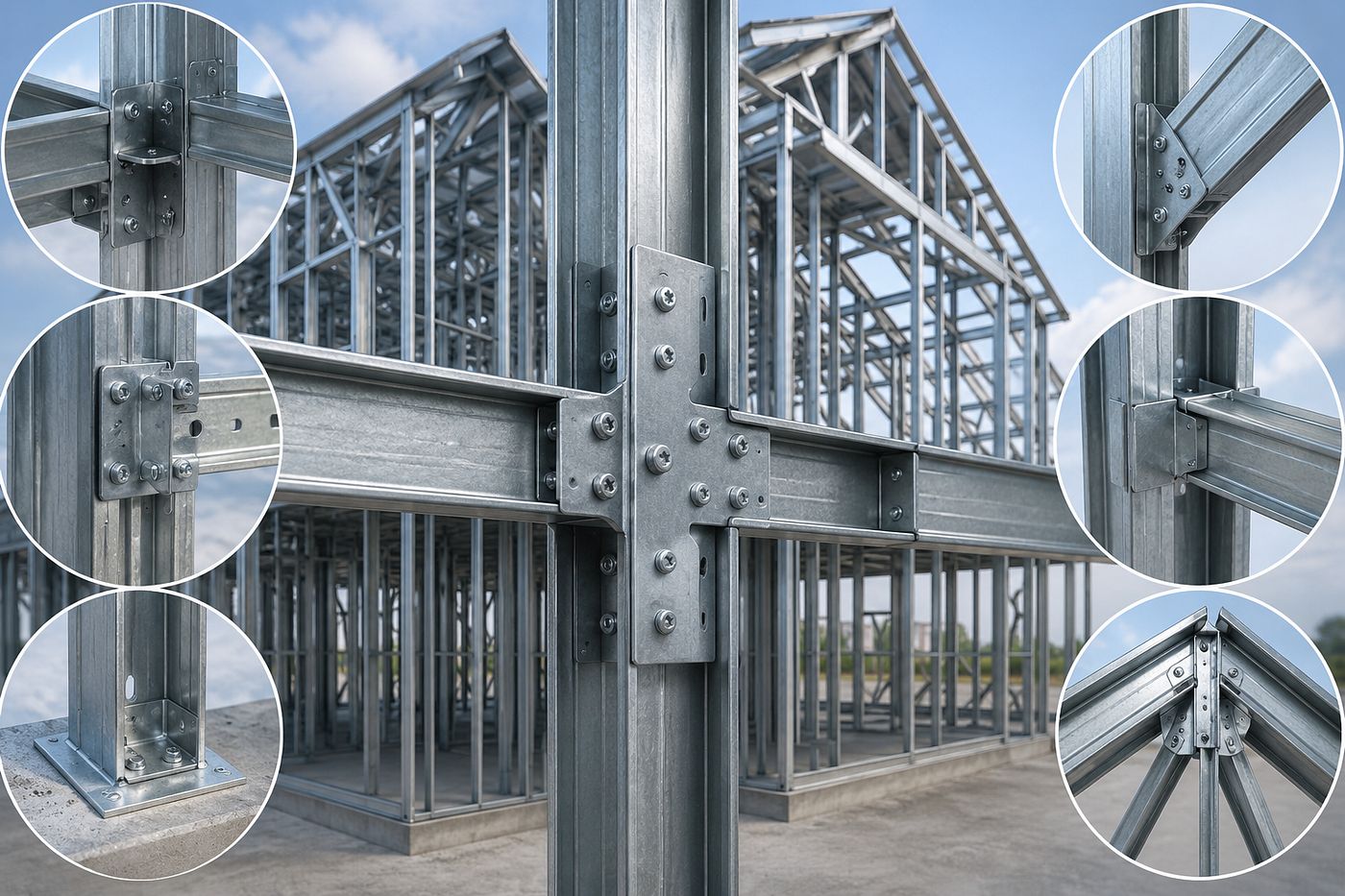
When steel comes into contact with different metals, proper isolation measures are necessary to prevent galvanic corrosion. Using non-conductive separators, isolation washers, or protective barrier coatings at connection points helps reduce the risk of corrosion caused by metal-to-metal contact. These small detailing decisions play a major role in protecting vulnerable connection zones and improving overall structural reliability.
Detailing to Prevent Moisture Entrapment
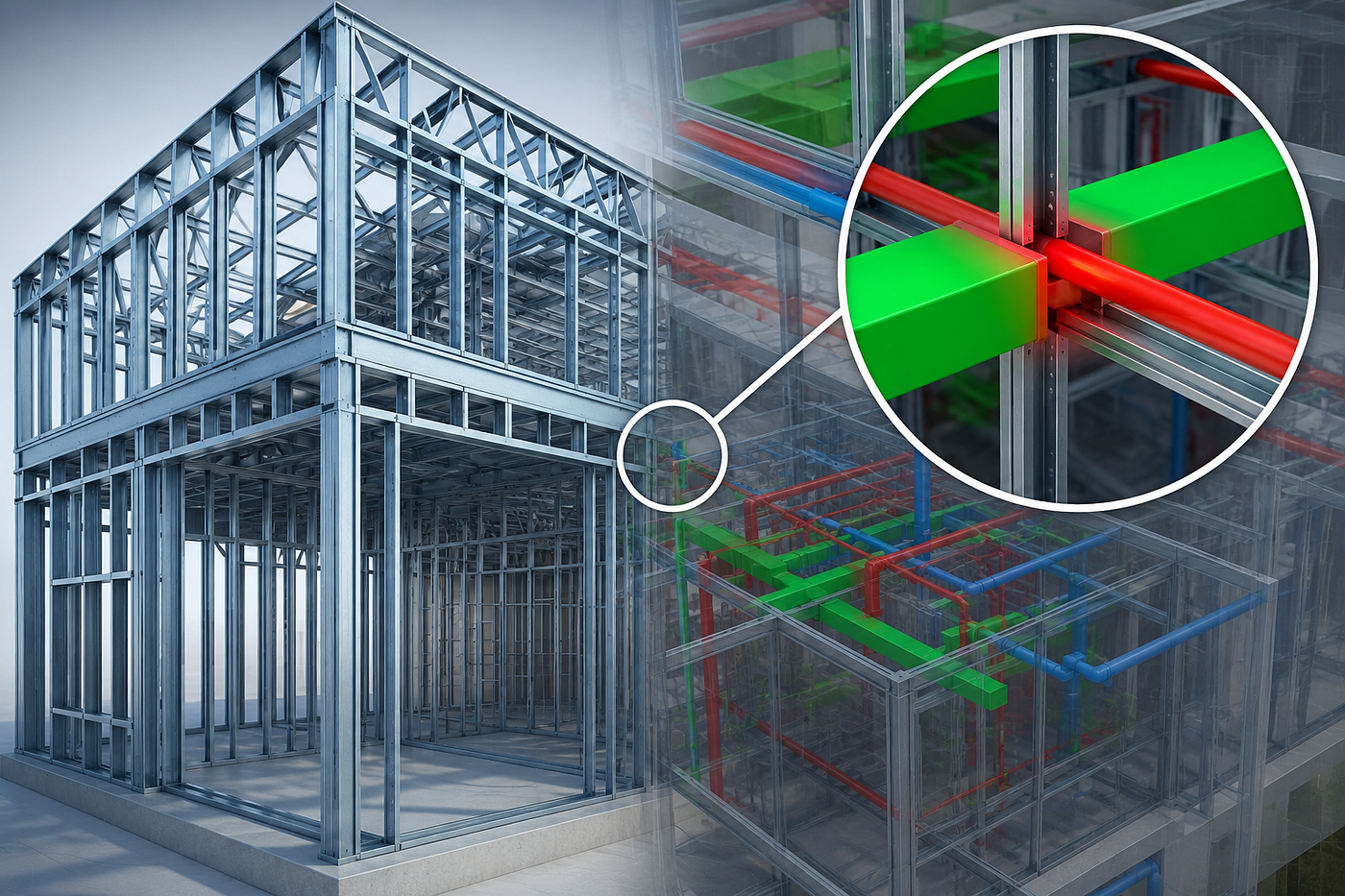
Effective moisture management should be considered from the initial design phase. Steel assemblies should be detailed to encourage proper drainage and ventilation while avoiding areas where water can collect around members or connections. Connections should also be designed to minimize capillary action, which can draw moisture into joints and accelerate corrosion. By integrating these strategies into structural detailing and BIM coordination workflows, teams like Consac help identify potential durability issues before fabrication and construction begin.
Accessibility for Inspection and Maintenance
Long-term durability depends not only on initial design but also on future maintenance access. Steel assemblies should be planned with inspection and repair requirements in mind, especially in areas exposed to moisture, chemicals, or harsh environments. Including access panels, removable covers, and service-friendly details allows maintenance teams to monitor coating conditions, identify early signs of corrosion, and perform repairs before major deterioration occurs.
Installation Best Practices and Field Protection
Protecting Coatings During Construction
Even high-quality factory-applied coatings can be damaged during transportation, storage, and installation if proper precautions are not followed. Protecting the coating system requires careful material handling, proper storage practices, and timely repair of any damage using compatible zinc-rich repair coatings to maintain long-term corrosion resistance.
Environmental Control During Installation
Moisture protection should begin from the early stages of construction, not after the building is completed. Proper planning during framing helps prevent corrosion risks by controlling water exposure, maintaining site drainage, and providing temporary weather protection until the building envelope is fully enclosed.
Recommended field practices include:
- Store steel materials off the ground and keep them covered to prevent moisture accumulation and direct water contact
- Handle steel members carefully and avoid dragging, dropping, or rough movement that can damage protective coatings.
- Apply zinc-rich paint or approved cold galvanizing compounds to protect exposed cut edges, drilled holes, and damaged areas
- Conduct regular inspections and repair coating damage before final enclosure or concealment
For projects located in coastal, industrial, or other aggressive environments, additional protection measures may be required. These may include temporary protective coatings, vapor barriers, improved moisture control strategies, or faster enclosure schedules to reduce steel exposure and ensure long-term durability.
Building Corrosion Resistance Into Your Next Project
Effective corrosion protection for light gauge steel is not just about choosing the right coating — it requires a complete approach that covers material selection, smart design detailing, proper installation practices, and long-term maintenance planning. By identifying the environmental conditions your project will face and applying the right protection strategies, you can help ensure steel structures remain strong, reliable, and durable for decades.
1. Specify the Right Protection Select coating systems and materials that match the project’s environmental exposure and performance requirements.
2. Design for Long-Term Durability Incorporate moisture control, proper drainage, and compatible materials into the design details to reduce corrosion risks.
3. Protect During Installation Follow careful handling practices, prevent damage during construction, and repair any coating issues immediately.
4. Plan for Future Maintenance Create designs that allow easy inspection, maintenance access, and long-term coating performance.
Whether you are a project manager managing coordination between teams, a design engineer developing structural solutions, or a detailer preparing accurate shop drawings, understanding corrosion protection strategies is essential for creating durable and efficient buildings. Investing in the right protective measures from the beginning helps reduce future repair costs, preserve structural performance, and extend the service life of light gauge steel framing systems for years to come.
메타데이터
- post_id
- cd7e2c34101d
- slug
- future-proofing-light-gauge-steel-projects-with-advanced-corrosion-protection-strategies-cd7e2c34101d
- url
- https://medium.com/consights/future-proofing-light-gauge-steel-projects-with-advanced-corrosion-protection-strategies-cd7e2c34101d
- canonical_url
- https://medium.com/consights/future-proofing-light-gauge-steel-projects-with-advanced-corrosion-protection-strategies-cd7e2c34101d
- author_url
- https://medium.com/@srijanichatterjee21
- status
- ok
- fetched_at
- 2026-07-17 18:06:46