Anal Abscess: Symptoms, Causes, Treatment & Recovery Guide
Anal abscess is a painful condition that occurs when a pocket of pus develops near the anus or rectum due to an infection. Although it may…
Anal Abscess: Symptoms, Causes, Treatment & Recovery Guide
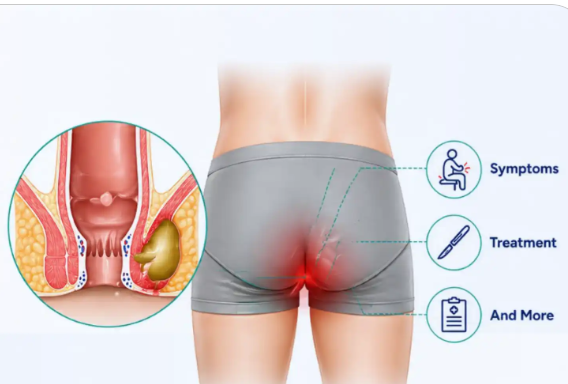
Anal abscess Treatment
**Anal abscess** is a painful condition that occurs when a pocket of pus develops near the anus or rectum due to an infection. Although it may start as mild discomfort, an untreated anal abscess can become increasingly painful and may lead to complications such as an anal fistula. Understanding the symptoms, causes, and treatment options can help patients seek timely medical care and prevent further health issues.
What Is an Anal Abscess?
An anal abscess is a collection of infected fluid and pus that forms around the anus. It usually develops when small glands inside the anal canal become blocked and infected by bacteria. The infection causes swelling, redness, pain, and pus accumulation in the affected area.
**Anal abscess** can affect people of all ages, but they are more common in adults. Early diagnosis and treatment are important because the infection rarely resolves on its own.
Common Causes of Anal Abscess
Several factors can contribute to the development of an anal abscess. The most common cause is the blockage of anal glands, which allows bacteria to multiply and create an infection.
Other causes include:
- Anal gland infections
- Crohn’s disease
- Diabetes
- Sexually transmitted infections
- Weakened immune system
- Chronic constipation
- Inflammatory bowel diseases
- Trauma to the anal region
Individuals with underlying digestive disorders or weakened immunity may have a higher risk of developing recurrent abscesses.
Symptoms of Anal Abscess
The symptoms of an anal abscess can vary depending on the size and location of the infection. However, pain is usually the most noticeable symptom.
Common signs include:
- Severe throbbing pain around the anus
- Swelling near the anal opening
- Redness and warmth in the affected area
- Pus drainage
- Fever and chills
- Pain during bowel movements
- Fatigue and general discomfort
Some deeper abscesses may not be visible externally but can cause rectal pain, fever, and difficulty sitting comfortably.
Why Early Treatment Is Important
Many people ignore the early symptoms of an anal abscess due to embarrassment or fear of medical procedures. However, delaying treatment can allow the infection to spread and increase the risk of complications.
One of the most common complications is an anal fistula, an abnormal tunnel that develops between the infected gland and the skin near the anus. Studies suggest that a significant number of patients with anal abscesses eventually develop fistulas if not treated appropriately.
Seeking medical attention at the first sign of symptoms can help prevent long-term complications and improve recovery outcomes.
How Is an Anal Abscess Diagnosed?
Diagnosis usually begins with a physical examination by a colorectal surgeon or proctologist. The doctor will assess the affected area and review the patient’s symptoms and medical history.
In some cases, additional tests may be recommended, including:
- Digital rectal examination
- Ultrasound imaging
- MRI scan
- CT scan
These investigations help identify deeper abscesses and determine the most effective treatment plan.
Treatment Options for Anal Abscess
The primary treatment for an anal abscess is surgical drainage. Antibiotics alone are generally not sufficient because they cannot completely remove the collected pus.
Abscess Drainage
A small procedure is performed to drain the pus and relieve pressure. Depending on the severity of the infection, the procedure may be done under local or general anesthesia.
Benefits of early drainage include:
- Immediate pain relief
- Faster healing
- Reduced risk of infection spread
- Lower chance of complications
Antibiotic Therapy
Antibiotics may be prescribed in specific situations, such as:
- Diabetes patients
- Individuals with weakened immunity
- Extensive infection
- Presence of fever or cellulitis
However, antibiotics are usually used alongside drainage rather than as a standalone treatment.
Recovery After Treatment
Most patients experience significant relief soon after drainage. Recovery time varies depending on the size and depth of the abscess.
Doctors may recommend:
- Warm sitz baths
- Proper wound care
- High-fiber diet
- Adequate hydration
- Avoiding constipation
Regular follow-up appointments help ensure proper healing and detect any signs of fistula formation.
Can Anal Abscess Be Prevented?
While not all cases can be prevented, certain lifestyle habits may reduce the risk:
- Maintain good anal hygiene
- Eat a fiber-rich diet
- Stay hydrated
- Manage chronic digestive disorders
- Seek treatment for rectal infections promptly
- Control blood sugar levels if diabetic
Healthy bowel habits can play an important role in preventing recurrent infections.
When Should You Consult a Specialist?
Persistent anal pain, swelling, fever, or pus discharge should never be ignored. These symptoms often indicate an infection that requires immediate medical evaluation. Early treatment not only reduces discomfort but also helps prevent complications such as anal fistula and recurrent abscesses.
If you experience symptoms of an anal abscess, consulting an experienced colorectal specialist can help ensure accurate diagnosis and effective treatment.
Conclusion
**Anal abscess** is a painful infection that requires prompt medical attention. Although the condition may initially seem minor, delaying treatment can lead to serious complications and prolonged discomfort. Understanding the warning signs, risk factors, and treatment options empowers patients to seek timely care and achieve faster recovery. With proper diagnosis, surgical drainage, and post-treatment care, most individuals can return to their normal activities and maintain long-term anorectal health.
메타데이터
- post_id
- cdaffcdcfdad
- slug
- anal-abscess-symptoms-causes-treatment-recovery-guide-cdaffcdcfdad
- url
- https://medium.com/@aarokucare123/anal-abscess-symptoms-causes-treatment-recovery-guide-cdaffcdcfdad
- canonical_url
- https://medium.com/@aarokucare123/anal-abscess-symptoms-causes-treatment-recovery-guide-cdaffcdcfdad
- author_url
- https://medium.com/@aarokucare123
- status
- ok
- fetched_at
- 2026-06-20 20:29:01