Enterprise IT Is Not Failing at AI — It’s Failing at Change
Why the real challenge of AI adoption is not technology but leadership and how to fix it
THE AI SHIFT IS NOT A TECH PROBLEM
Enterprise IT Is Not Failing at AI — It’s Failing at Change
Why the real challenge of AI adoption is not technology but leadership and how to fix it
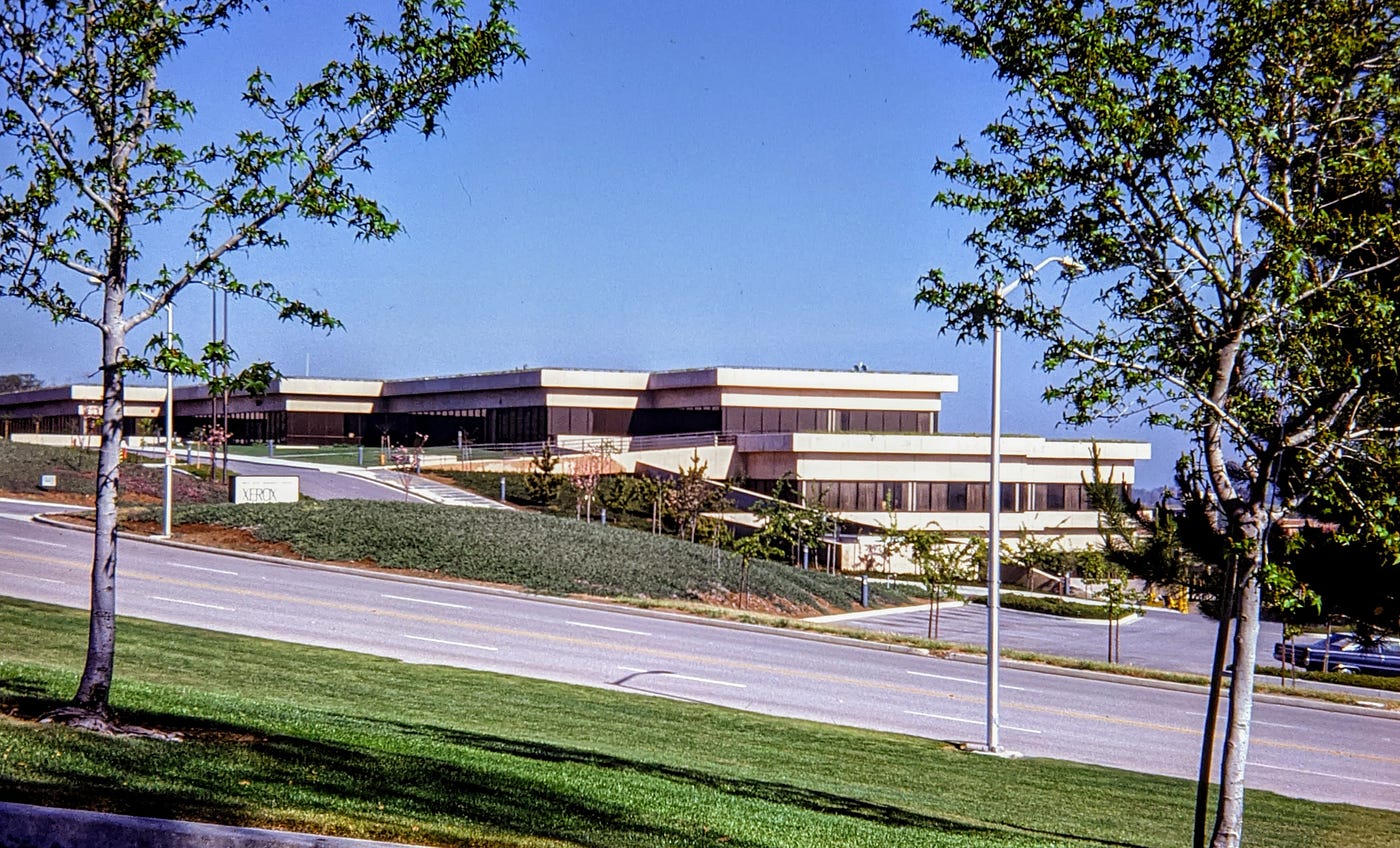
Photo by Julia Taubitz on Unsplash
The Illusion of Progress
Pilot projects are launched. Tools are deployed. Dashboards glow with promise.
And yet — nothing truly changes.
Teams keep working the same way. Decisions remain slow. Resistance quietly grows. The technology is there, but the transformation isn’t.
Because the uncomfortable truth is this:
AI doesn’t fail. Change does.
The Real Battlefield — People, Not Technology
For years, IT transformation was treated as a technical challenge. Upgrade the system. Deploy the platform. Train the users.
But AI changes the game.
It doesn’t only improve workflows — it reshapes roles, power structures, and decision-making itself. It questions expertise. It challenges identity.
That’s why the real friction isn’t in the tools.
It’s in the people.
Fear of becoming irrelevant.
Loss of control.
Uncertainty about the future.
You can’t “deploy” your way out of it.
From Managing Change to Leading It
Most organizations are still managing change like it’s 2005 — timelines, milestones, governance, reporting.
But transformation doesn’t follow a Gantt chart.
It requires something far more demanding: leadership.
Not the kind enforcing compliance — but the kind creating belief.
Leaders who succeed in AI transformation explain what’s changing; they help people understand why it matters — and why they matter in it.
They replace fear with direction.
Uncertainty with meaning.
AI Is a Mirror, Not Merely a Tool
AI exposes the strengths — and weaknesses — of an organization.
In rigid cultures, it creates resistance.
In siloed organizations, it amplifies fragmentation.
In unclear strategies, it accelerates confusion.
But in the right environment, it becomes something else entirely:
a force multiplier for human potential.
The difference isn’t the algorithm.
It’s the leadership around it.
What Actually Works — and What Does not
What doesn’t work is pushing harder.
More tools. More pressure. More urgency.
That only deepens resistance.
What works is surprisingly simple — and incredibly hard.
It starts with clarity. A real vision. Not a buzzword-filled slide, but a direction people can recognize themselves in.
It continues with trust — the kind born from transparency, not perfection. Leaders admitting uncertainty create more alignment than those pretending control.
And it grows through involvement. Not symbolic inclusion, but real participation. People don’t resist change they help create.
The Leaders Who Get It Right
The best IT leaders today don’t position themselves as experts in everything.
They position themselves as architects of movement.
They connect strategy to reality.
They translate complexity into meaning.
They align stakeholders who don’t naturally align.
And most importantly, they understand a critical shift:
👉 Adoption matters more than implementation.
Because a perfectly deployed system nobody embraces is just expensive noise.
The Hidden Advantage — Speed Through Alignment
There’s a paradox in transformation.
Organizations attempting to move fast by forcing change often slow themselves down.
And those that invest time in alignment — communication, trust, engagement — end up moving faster.
Why?
Because resistance disappears.
Decisions accelerate.
Energy aligns.
In the age of AI, speed doesn’t come from pressure.
It comes from coherence.
A New Definition of Success
Success is no longer “we implemented AI.”
Success is:
- People using it
- Teams trusting it
- Leaders relying on it
- The organization evolving because of it
Anything less is just theater.
The Organizations Poised to Win
The companies leading in the AI era won’t be those with the most advanced models.
They’ll be the ones that understand something deeper:
Technology transforms nothing on its own.
People do.
And people don’t change because they are told to.
They change because they are led.
References
- Gill, R. (2003). Change management or change leadership?
- Kotter, J. P. (2012). Accelerate!
- By, R. T., Hughes, M., & Ford, J. (2016). Change leadership: Oxymoron and myths.
- Mankins, M., & Gottfredson, M. (2022). Strategy-making in turbulent times.
- Bain & Company (2023). Dynamic strategic planning and budgeting.
Support writers. All our non-profit’s offerings here.
Click for Wordsmith, Mystery Writing, Write Like Stephen King, more

By the EIC Susan Brearley with Ideogram
메타데이터
- post_id
- cdccfdefb75d
- slug
- enterprise-it-is-not-failing-at-ai-its-failing-at-change-cdccfdefb75d
- url
- https://medium.com/it-chronicles/enterprise-it-is-not-failing-at-ai-its-failing-at-change-cdccfdefb75d
- canonical_url
- https://medium.com/it-chronicles/enterprise-it-is-not-failing-at-ai-its-failing-at-change-cdccfdefb75d
- author_url
- https://medium.com/@dzogrim
- status
- ok
- fetched_at
- 2026-06-13 09:11:36