IFSS 2025 Delegation
Indonesian Forest Expedition: Experiences and insights from the International Forestry Student Symposium (IFSS) 2025.
IFSS 2025 Delegation
Indonesian Forest Expedition: Experiences and insights from the International Forestry Student Symposium (IFSS) 2025.
The International Forestry Students’ Symposium (IFSS) is the biggest annual IFSA meeting. It’s a platform with an atmosphere of solidarity and inspiration that enables the students to participate in various forestry activities, exchange information and share their experiences.
As one of the largest international gatherings of forestry students, the International Forestry Students’ Symposium (IFSS) 2025 served as a platform for learning, collaboration, and cultural exchange. This year’s symposium was held across Bogor, Yogyakarta, and Makassar, featuring a series of academic sessions, field visits, and interactive discussions that explored current issues in forestry and environmental management. In hope to not only expand their scientific knowledge but delegates can also build meaningful networks and cross-cultural understanding essential for shaping sustainable futures.
The 2025 International Forestry Student Symposium (IFSS) successfully opened the curtain on the global forestry stage, bringing hundreds of delegates on an epic 14-day journey to the heart of Indonesia’s ecosystems. The symposium encompassed innovation in Bogor, policy discussions in Jakarta, cultural exchange in Yogyakarta, and conservation efforts in Makassar and Maros. Together, these components created a comprehensive learning experience for delegates from around the world.
Echoes of Innovation in the Land of Pasundan (Day 1–3)
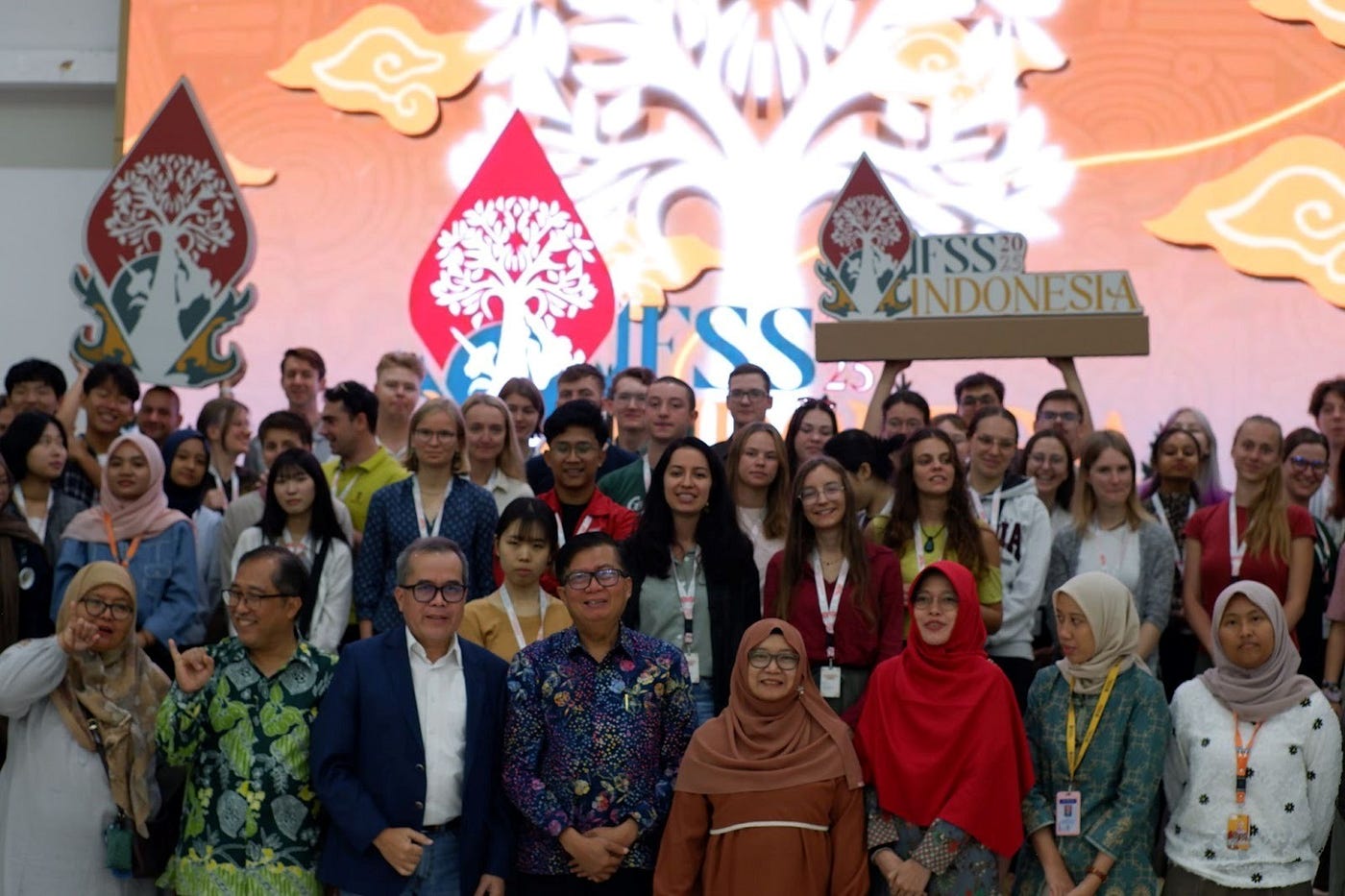
A solemn and hopeful atmosphere enveloped the IPB University hall during the IFSS 2025 Opening Ceremony. Delegates were welcomed by the enthusiasm of the organizers, including Wening Ila Idzatilangi (Executive Director, IFSS 2025), and important figures such as Bora Karatas (Vice President, IFSA). The voices of leaders, including Prof. Dr. Ir. Iskandar Zulkarnaen Siregar (Vice Rector of IPB) and Prof. Dr. Ir. Naresworo Nugroho (Dean, Faculty of Forestry, IPB), underscored Indonesia’s strategic role in the future of global forestry.
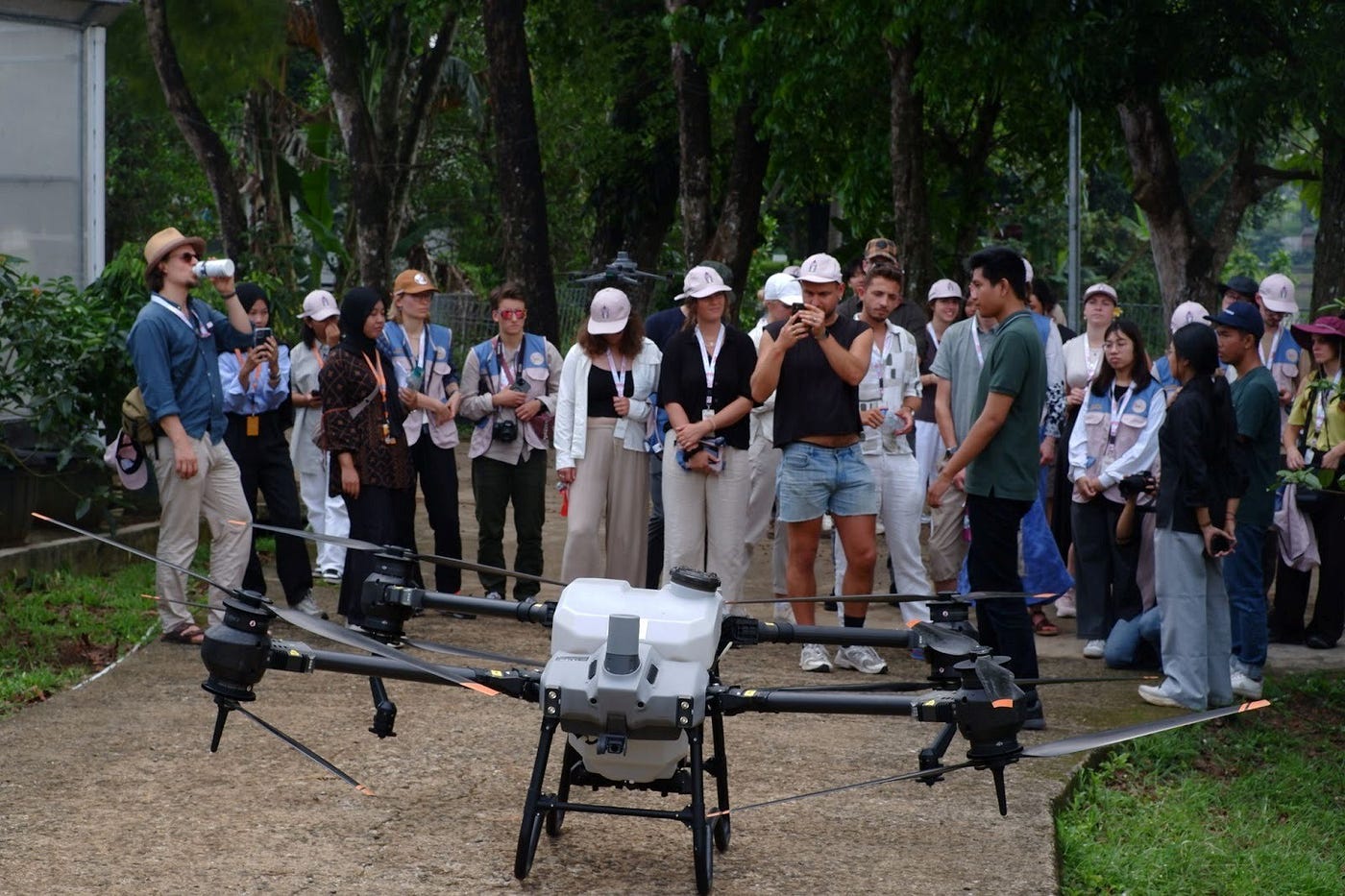
After the ceremony, the atmosphere immediately shifted to exploring technology. The delegation was taken on a tour of IPB, witnessing firsthand the latest innovations: from large drones ready for plantation irrigation to temperature control systems in the Organic Vegetable Cultivation Greenhouse. The trip to the Termite Museum provided a deep and perhaps slightly spine chilling understanding of the threat posed by forest-destroying insects and strategies for their protection.
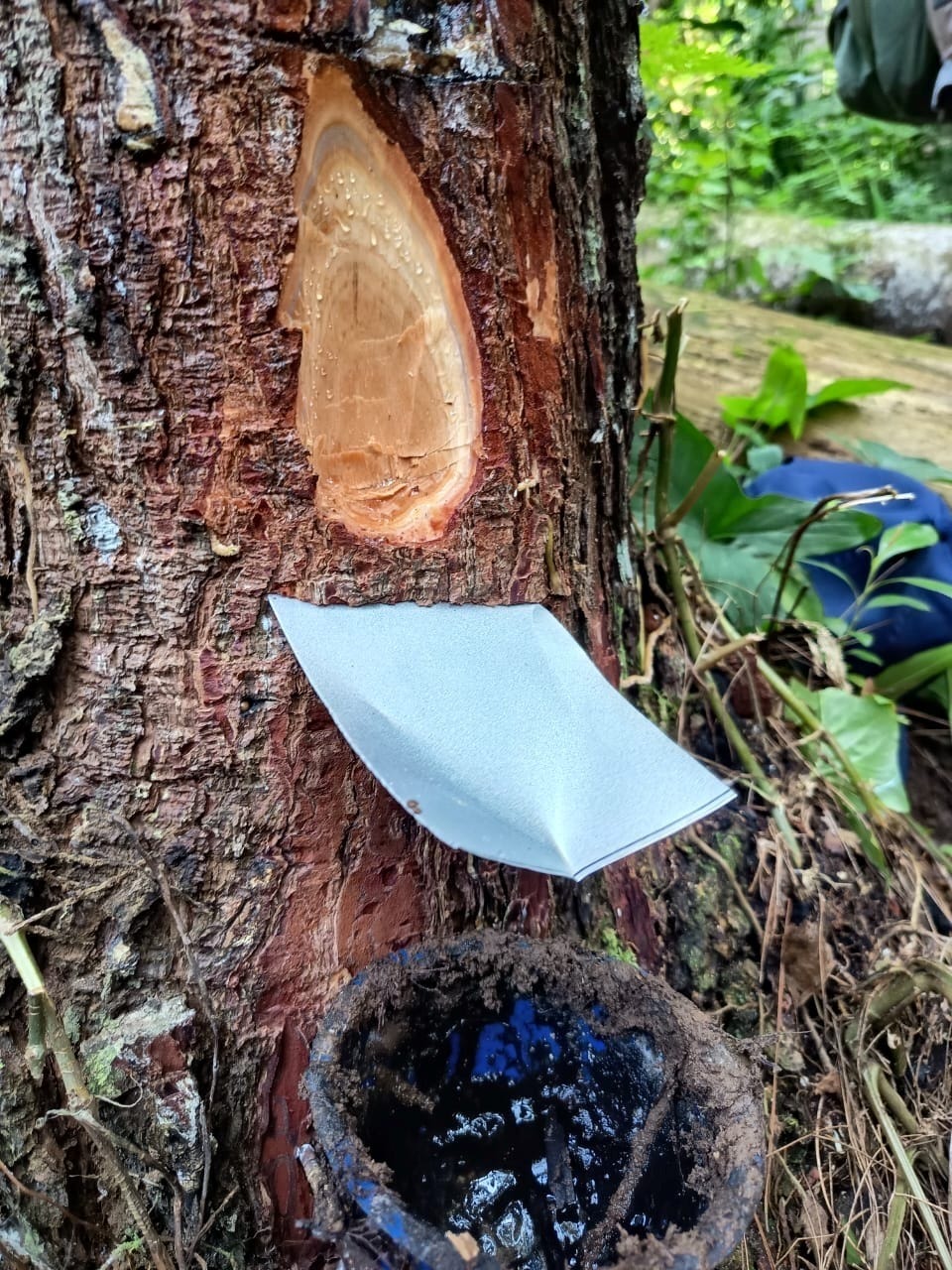
The following day, delegates continued their activities at the Gunung Walat Educational Forest (HPGW). Under the shade of pine and agathis trees, the delegation was directly involved in the practice of tapping resin, observing how ethylene solution is used to stimulate the tree’s “tears.” At this site, delegates also interacted with the local community, gaining insight into their agroforestry practices and resin-based livelihoods.
The highlight of the event in Bogor concluded with an intensive discussion at CIFOR-ICRAF. Amidst the research forest landscape, participants discussed the need for ecotourism initiatives to attract young people back to the forest. The discussion also touched on smart ecological solutions, such as sustainable crab farming in mangrove forests, balancing conservation with the economic needs of coastal communities.
From Policy Seats to Cultural Warmth (Jakarta & Yogyakarta, Days 4–8)
The delegation moved on to Jakarta, entering the National Symposium arena filled with intense policy dialogue. Here, major issues ranging from the sustainability of the pulp and paper industry to conservation obligations were analyzed and discussed in detail. After a full day of listening to presentations from corporations and the government, the participants entered the discussion rooms, with the topic of Indonesian Social Forestry becoming a magnet in itself.
At night, the delegation embarked on a 12-hour road trip, crossing the Javanese night towards Yogyakarta.
In the City of Students, travel fatigue was quickly alleviated by the warm welcome from the Dean and IFSA LC UGM. In the IFSS The Explorer edition program, laboratories became new classrooms. In the Forest Product Technology Laboratory, the sound of wood strength testing machines filled the room, providing practical insight into the quality of forest materials before they become furniture.
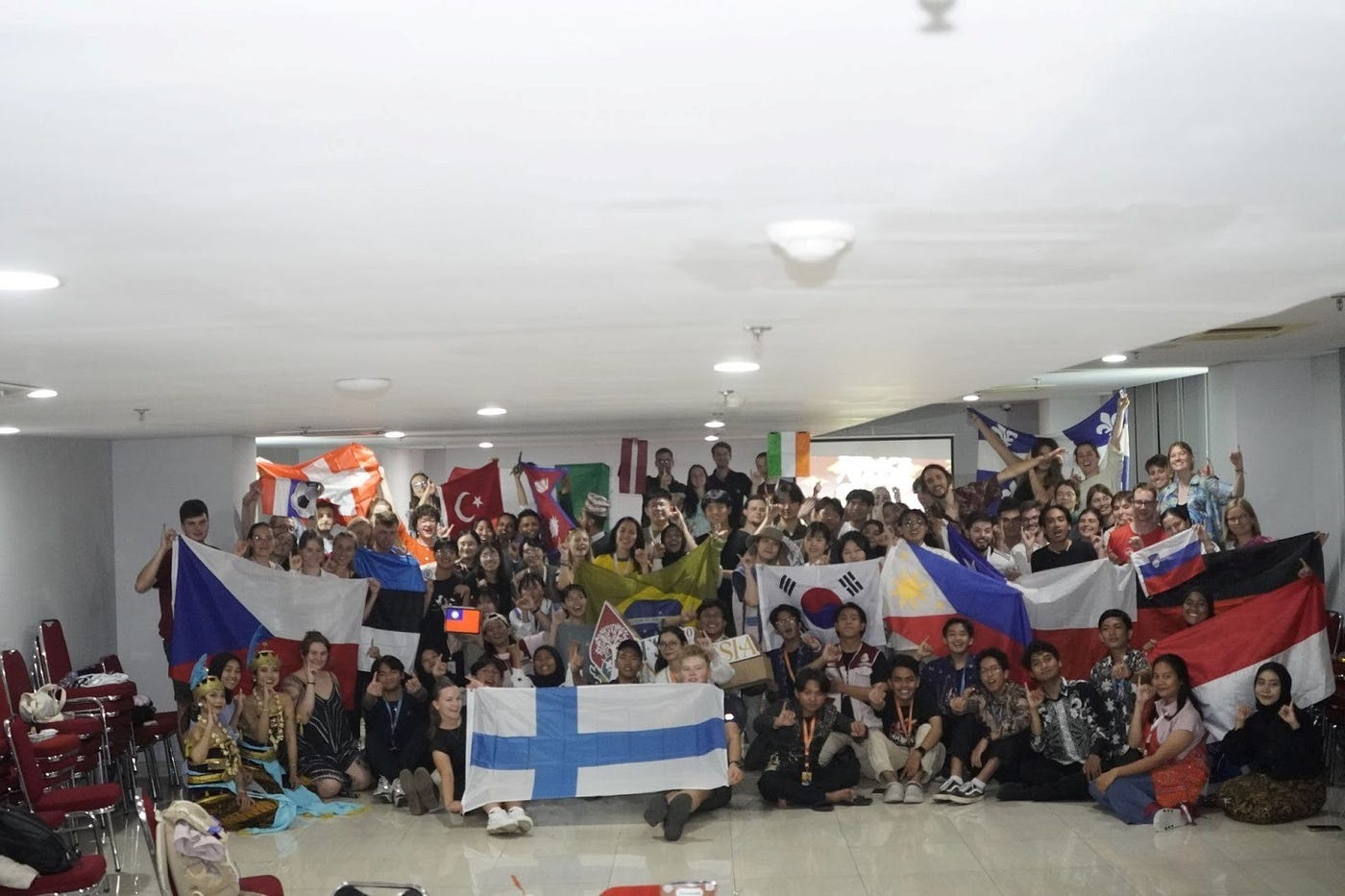
International Night was the highlight of the cultural exchange. The UGM hall was filled with laughter and cheers as delegations from various countries showcased their cultures, a celebration of genuine togetherness. Then, the journey continued to Wanagama Forest (Day 8). There, the delegations walked among trees that tell the story of successful critical land rehabilitation. The sharp scent of eucalyptus greeted participants at the production facility, where they witnessed firsthand the distillation of essential oils and honey harvesting as demonstrating the potential of Non-Timber Forest Products (NTFPs).
Revealing the Wonders of Wallacea (Makassar & Maros, Days 9–14)
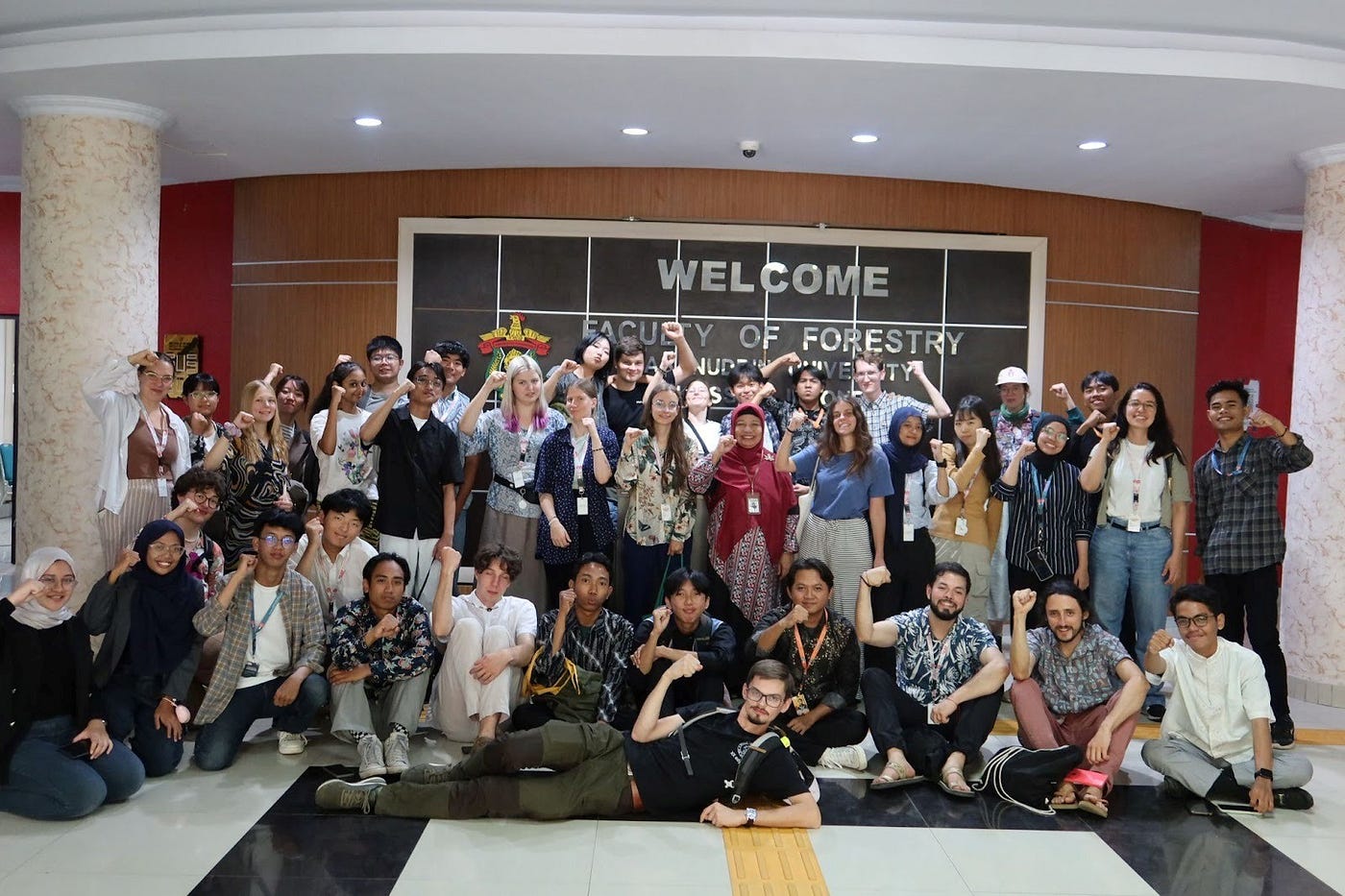
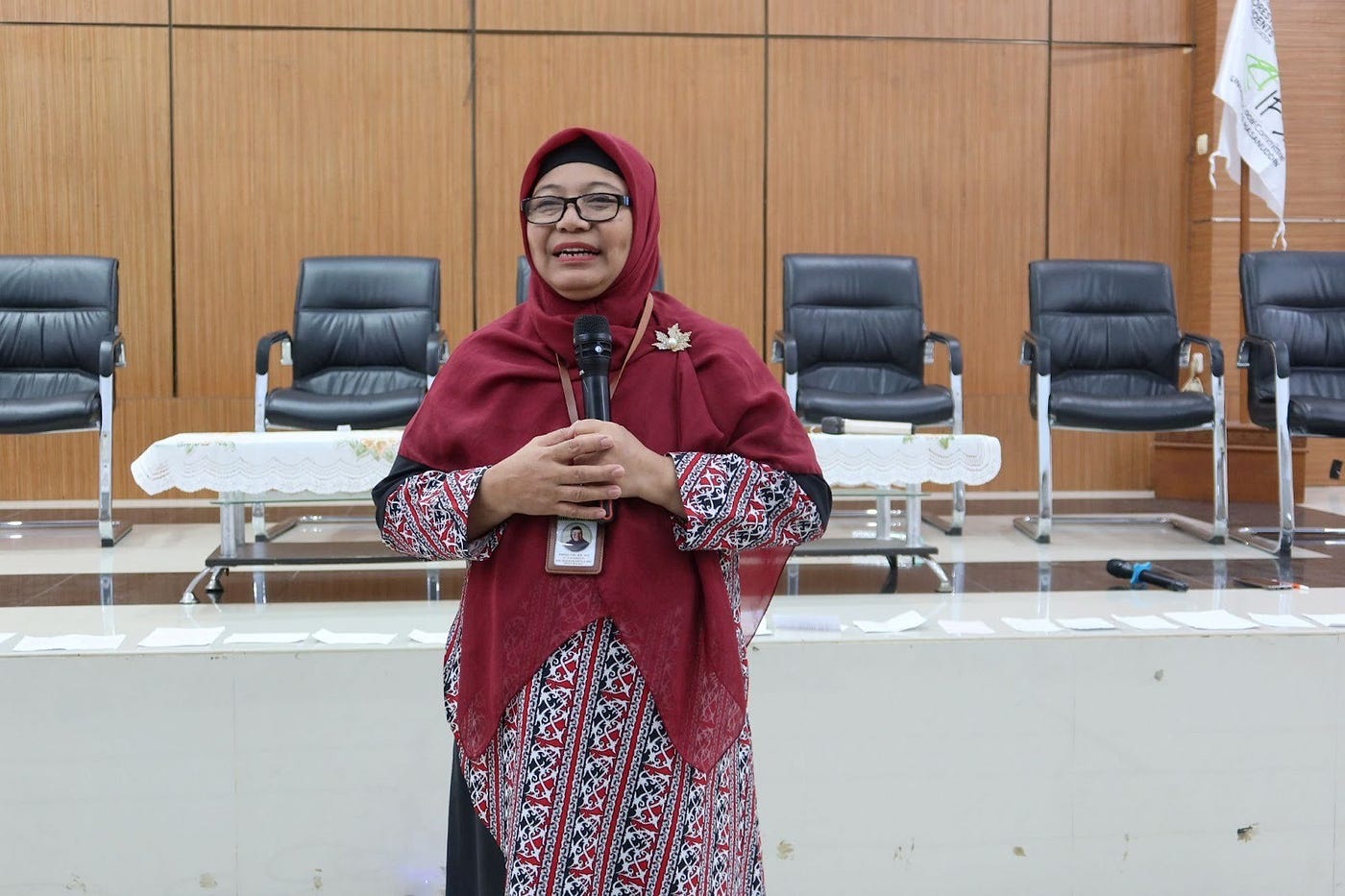
The light of the East welcomed the delegation’s arrival in Makassar . At the UNHAS Faculty of Forestry, the delegation was welcomed by Prof. Dr. Muhammad Alif K. Sahide and Prof. Syamsu Rijal. Laboratory explorations at UNHAS from Biotechnology to Entomology were conducted to understand the richness and uniqueness of the flora and fauna in the Wallacea region. Conservation challenges in this unique ecosystem were the main focus of the talk show “Innovating for Wallacea.” Speakers including Ferdinand (FAO) and Prof. Risma Ila Maulany (UNHAS) explained the integration of technology and conservation in this geographically critical region.
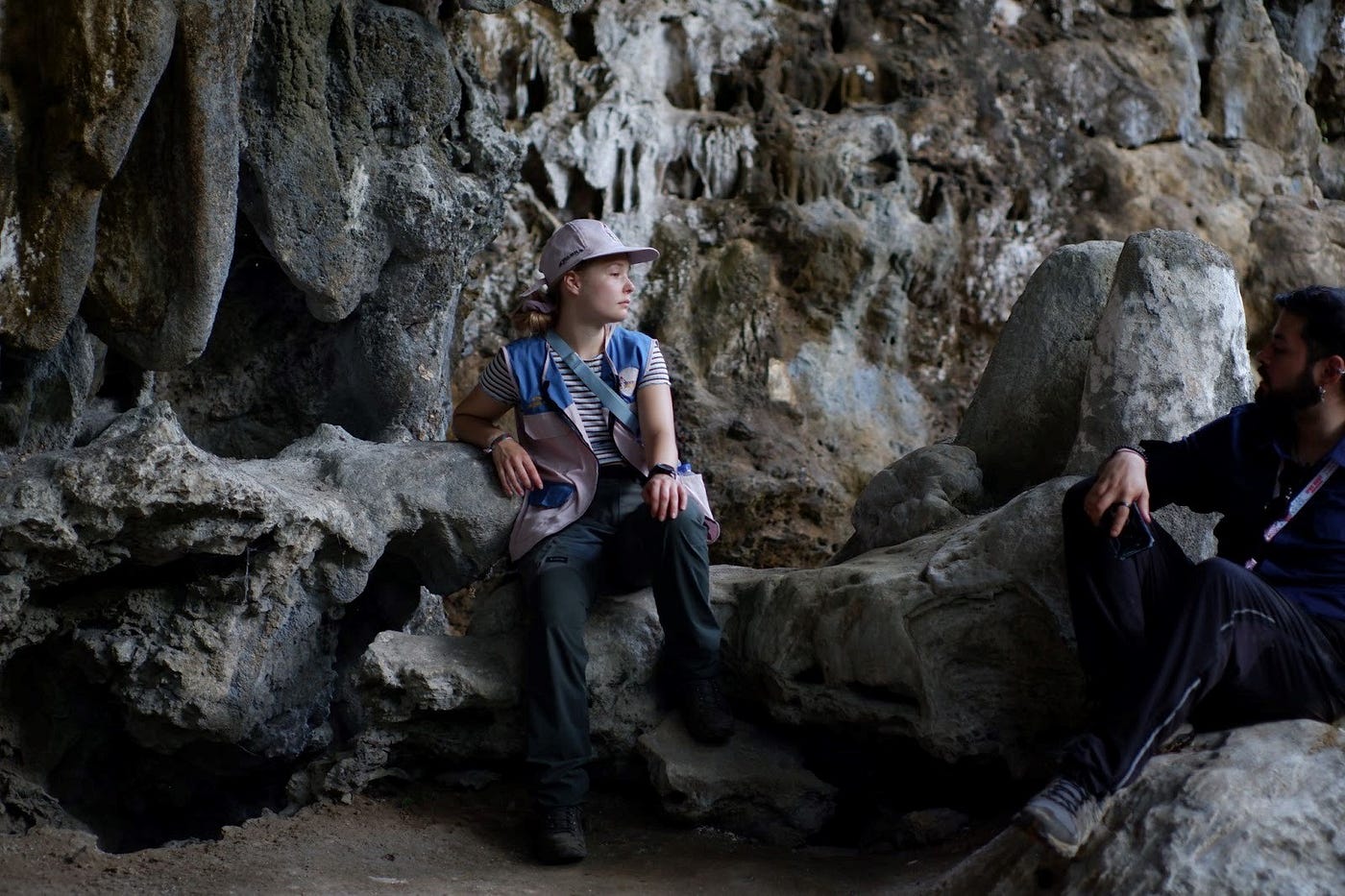
The trip to Maros revealed the natural wonders of Bantimurung Bulusaraung National Park. Among the towering karst formations, the delegation observed wildlife, including endemic species such as the Tarsius. In the village of Rammang-Rammang, inspiring stories from the local community fighting against mining companies to preserve ecotourism became the most moving narrative, emphasizing that true conservation is rooted in community struggle.
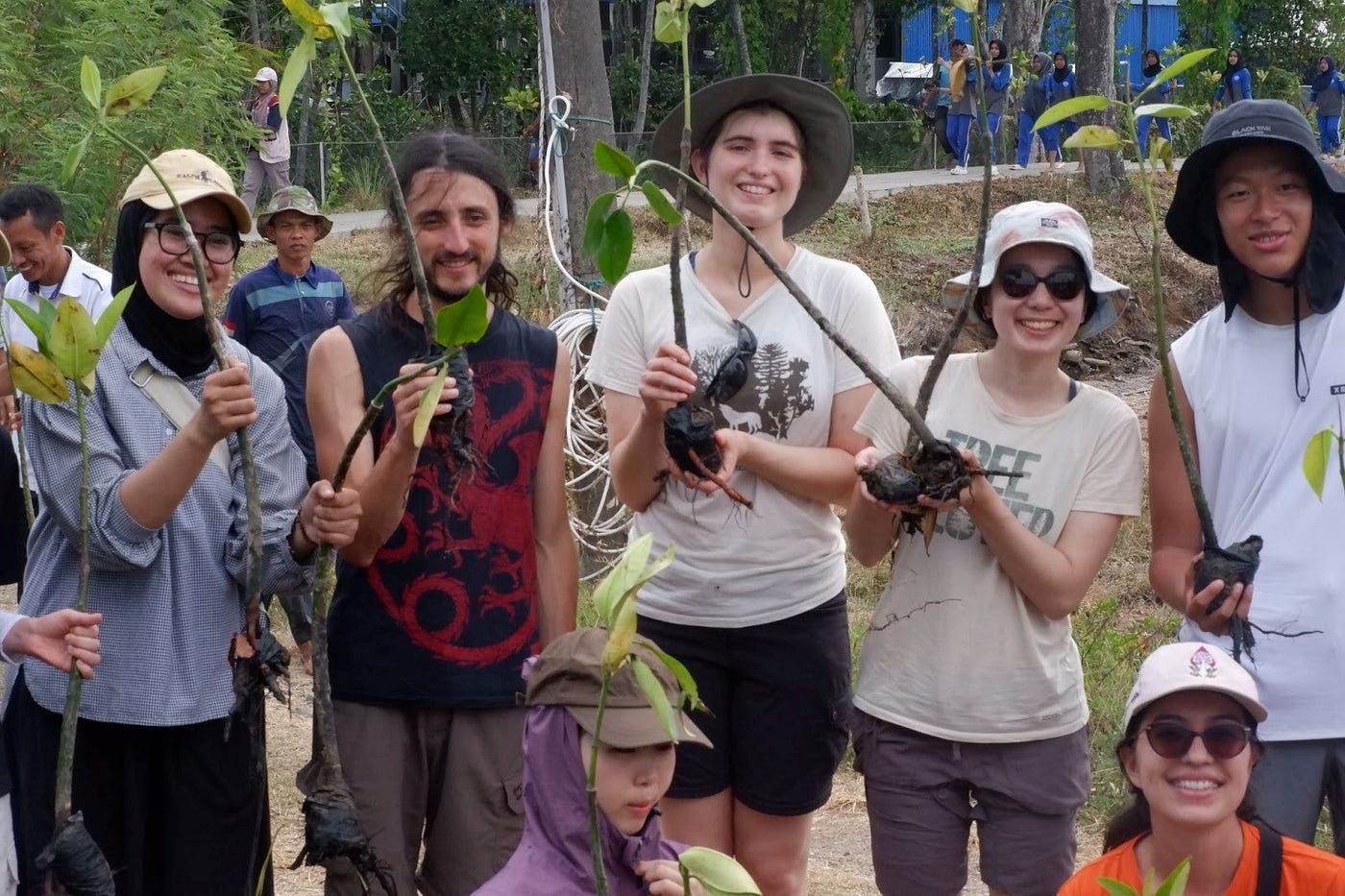
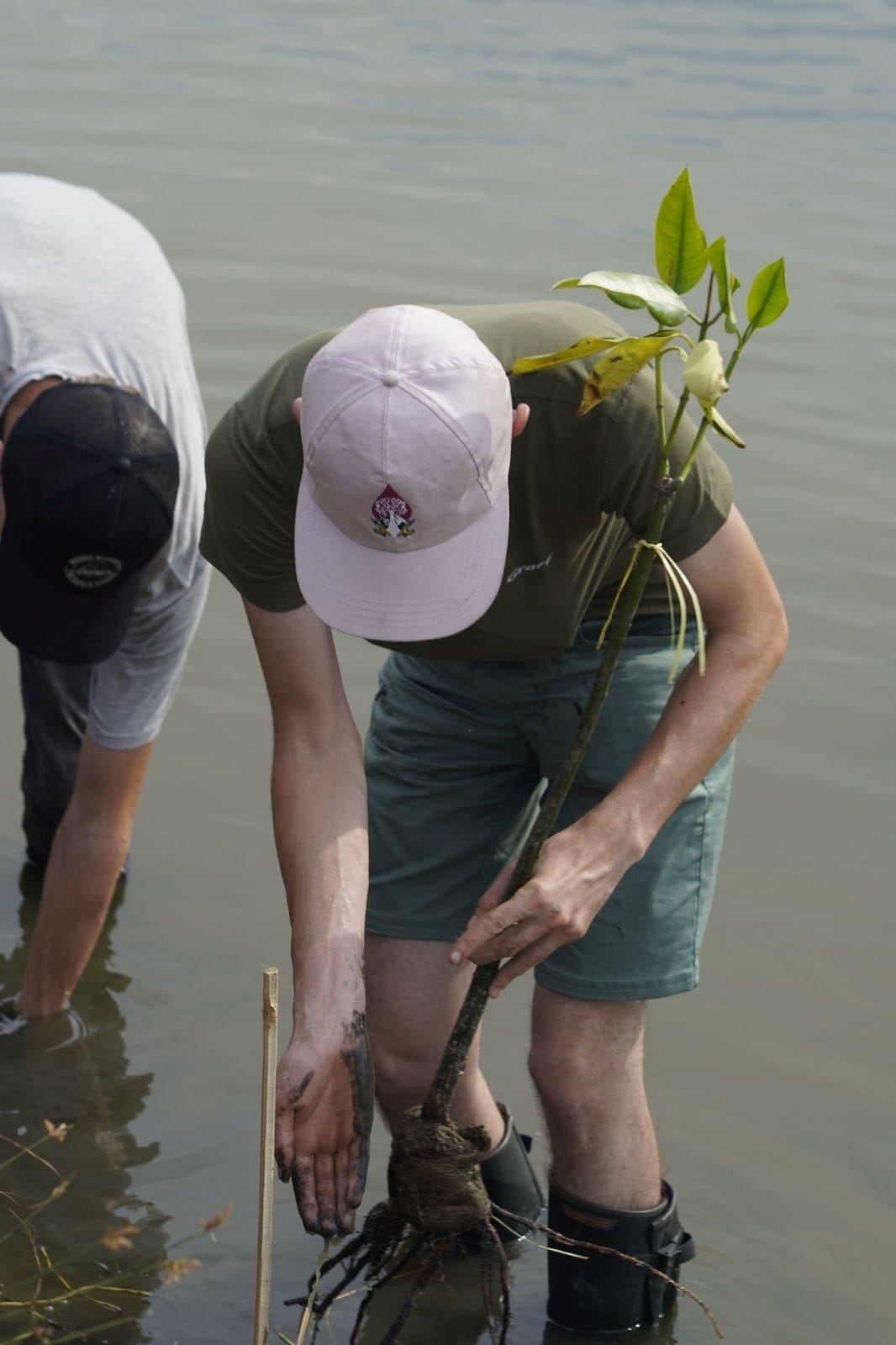
As the event drew to a close, attention shifted to the ocean. The Blue Ecosystem Multi-Stakeholder Dialogue brought together experts such as Rio Ahmad (Blue Forests) and Andreas A. Hutahaean, Ph.D (Blue Carbon Indonesia) to discuss coastal and marine sustainability. This dialogue was immediately followed by concrete action: mangrove planting at the Marana Silvofishery Installation, as a commitment to protecting the blue ecosystem.
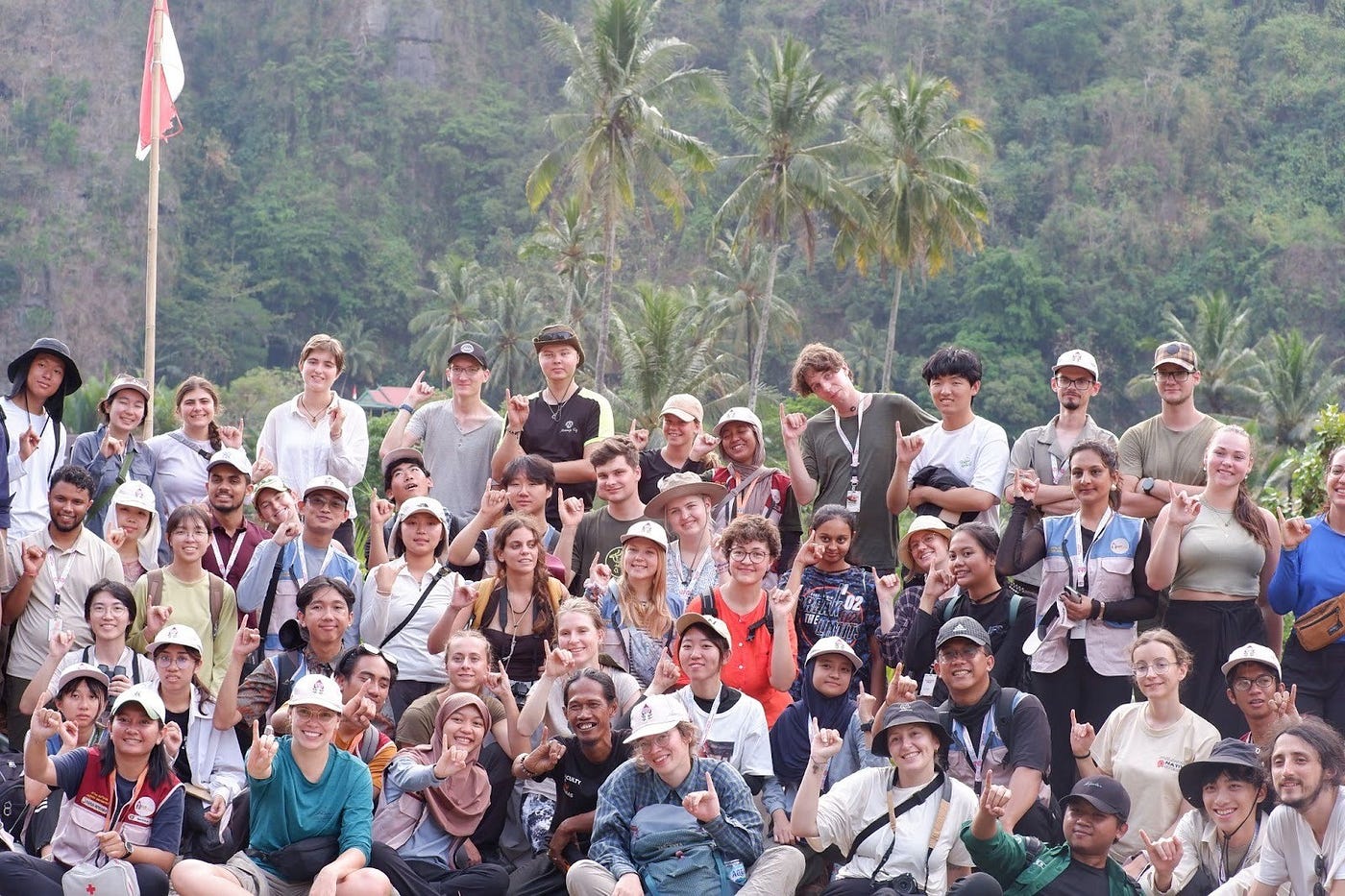
The last day featured a discussion on future energy in the talk show “From Mines to Megawatts,” with speakers such as Syahidah, S.Hut., M.Si., Ph.D. (UNHAS) and representatives from the energy sector. Following intensive Focus Group Discussions, IFSS 2025 was officially closed by Rector Prof. Jamaluddin Jompa and Prof. Alif. The farewell was celebrated with a warm party, concluding 14 days of learning and cementing a promise to continue building global forestry networks.
Written by: Raqiah Aqilah Mukarram &Ilmi Amaliyah N
Editor: Ilmi Amaliyah N
메타데이터
- post_id
- cdcfd7b86dc5
- slug
- ifss-2025-delegation-cdcfd7b86dc5
- url
- https://medium.com/@IFSALCUNHAS/ifss-2025-delegation-cdcfd7b86dc5
- canonical_url
- https://medium.com/@IFSALCUNHAS/ifss-2025-delegation-cdcfd7b86dc5
- author_url
- https://medium.com/@IFSALCUNHAS
- status
- ok
- fetched_at
- 2026-06-17 08:20:12




