CPR for Seniors: Special Considerations for Older Adults
Cardiac arrest strikes without warning. Each year, more than 350,000 Americans experience an out-of-hospital cardiac arrest. Nearly 90% of…
CPR for Seniors: Special Considerations for Older Adults
Cardiac arrest strikes without warning. Each year, more than 350,000 Americans experience an out-of-hospital cardiac arrest. Nearly 90% of these cases end in death. Older adults face the highest risk of all age groups. Knowing how to respond can save a life. However, CPR for seniors requires a few key adjustments that every caregiver should know.
Why Cardiac Arrest Risk Rises With Age
Age changes the heart and blood vessels over time. Arteries stiffen. Heart muscle weakens. Chronic conditions like high blood pressure, diabetes, and coronary artery disease become more common with age. Together, these factors raise the risk of sudden cardiac arrest in older adults.
Family caregivers, home health aides, and grandchildren often become first responders in these moments. Immediate CPR can double or even triple a person’s chance of survival. Yet only 41.7% of adult out-of-hospital cardiac arrest patients receive bystander CPR nationwide, according to 2025 CARES registry data. That gap costs lives every single day.
Florida’s senior population makes this issue especially urgent locally. Tampa Bay is home to a large retiree community, along with numerous assisted living facilities and independent senior living communities. Hillsborough and Pinellas County caregivers encounter cardiac emergencies more often than caregivers in areas with younger populations. Local CPR training directly addresses this need.
How CPR for Older Adults Differs
Standard CPR guidelines apply to adults of every age. Still, seniors need extra care and awareness. Older bones lose density over time. This condition, called osteoporosis, makes ribs and the sternum more fragile than in younger adults.
Research shows rib fractures occur in a large share of elderly CPR cases. Some studies report fracture rates as high as 80% in older patients. This risk should never stop a rescuer from acting, though. Fractured ribs heal over time. Cardiac arrest without CPR does not offer a second chance.
Rescuers should still push hard and push fast. The American Heart Association recommends compression depths of at least two inches, delivered at a rate of 100 to 120 per minute. Do not reduce compression depth out of fear of causing injury. Full-depth compressions save lives, and that goal always comes first.
Step-by-Step CPR Adjustments for Seniors
Follow these steps when responding to an older adult in cardiac arrest:
- Check responsiveness first. Tap the shoulder and shout their name.
- Call 911 immediately, or ask a bystander to call. Send someone else to find an AED.
- Lay the person on a firm, flat surface. Place your hands at the center of the chest.
- Push hard and fast. Aim for 100 to 120 compressions per minute at full depth.
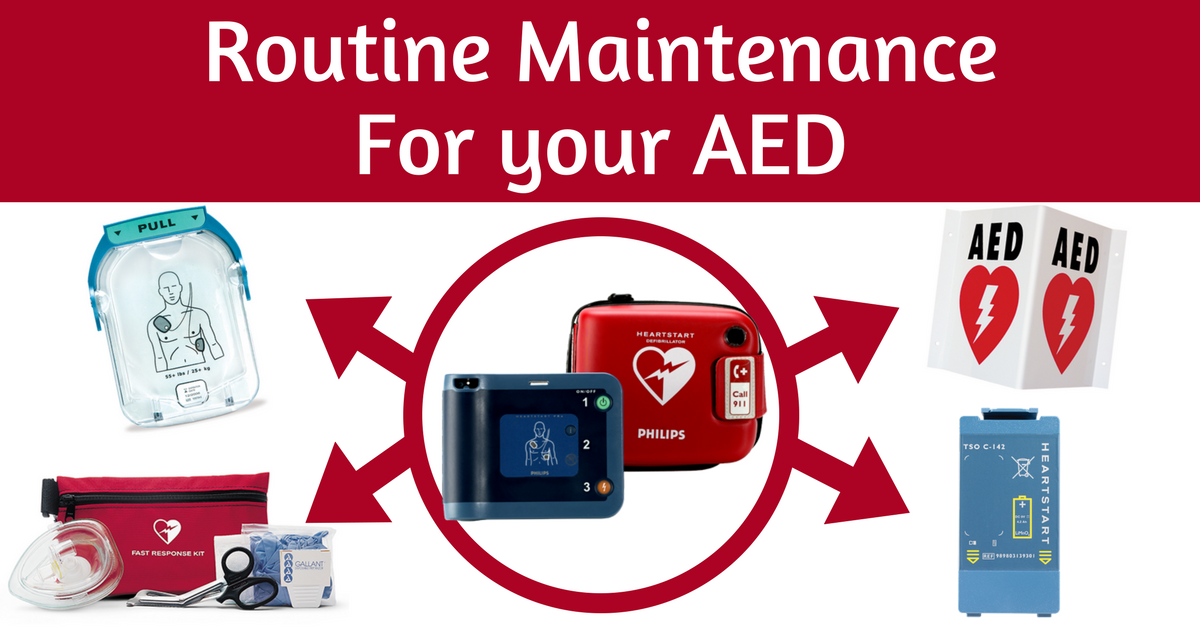
- Attach the AED as soon as it arrives. Follow the voice prompts exactly.
- Continue compressions until EMS arrives or the person shows clear signs of life.
Watch for medical alert jewelry or bracelets during your response. Some seniors carry documentation about heart conditions or advance directives. If you feel unsure, always begin CPR anyway. Emergency responders are trained to sort out these details once they arrive on scene.
Why Bystander CPR Matters for Seniors
Survival drops quickly without fast intervention. Chances decrease by roughly 10% for every minute that passes without CPR or defibrillation. Bystander-initiated CPR raises survival to hospital discharge to 13.0%, compared with just 7.6% for unwitnessed arrests, according to the 2025 AHA Guidelines for CPR and ECC.
Most cardiac arrests among seniors happen right at home. In fact, more than 70% of all out-of-hospital cardiac arrests occur in a residential setting. Family members and caregivers, not paramedics, are usually the true first line of defense.
Home health aides, assisted living staff, and family caregivers across the Tampa Bay area benefit enormously from hands-on CPR training. Confidence matters just as much as knowledge during a real emergency.
Special Considerations for Frail or High-Risk Seniors
Some older adults carry added risk factors worth knowing. Obesity, prior chest surgery, and severe frailty can all change how a rescuer approaches compressions. A larger chest circumference has also been linked to a higher risk of rib injury during CPR, according to emergency medicine research.
Despite these risks, current CPR guidelines do not call for adjusting compression depth based on age or body size. Rescuers should maintain standard technique no matter how frail the patient appears. The goal always remains steady blood flow to the brain and heart.
Caregivers of nursing home residents or hospice patients should understand advance directives well before an emergency happens. A calm conversation with family and physicians ahead of time prevents confusion in a stressful moment.
Common Myths About CPR and Seniors
Many people hesitate to act because of common misconceptions. Let’s clear up a few of them.
- Myth: CPR always breaks ribs, so it must be harmful. Fact: rib fractures heal. Death from untreated cardiac arrest does not.
- Myth: Only medical professionals should attempt CPR. Fact: hands-only CPR from any trained bystander improves survival odds significantly.
- Myth: CPR guidelines change for frail or elderly patients. Fact: compression depth and rate stay the same across adult age groups.
Understanding these facts helps caregivers act quickly and confidently instead of freezing during an emergency.
Take Action: Get Certified Today
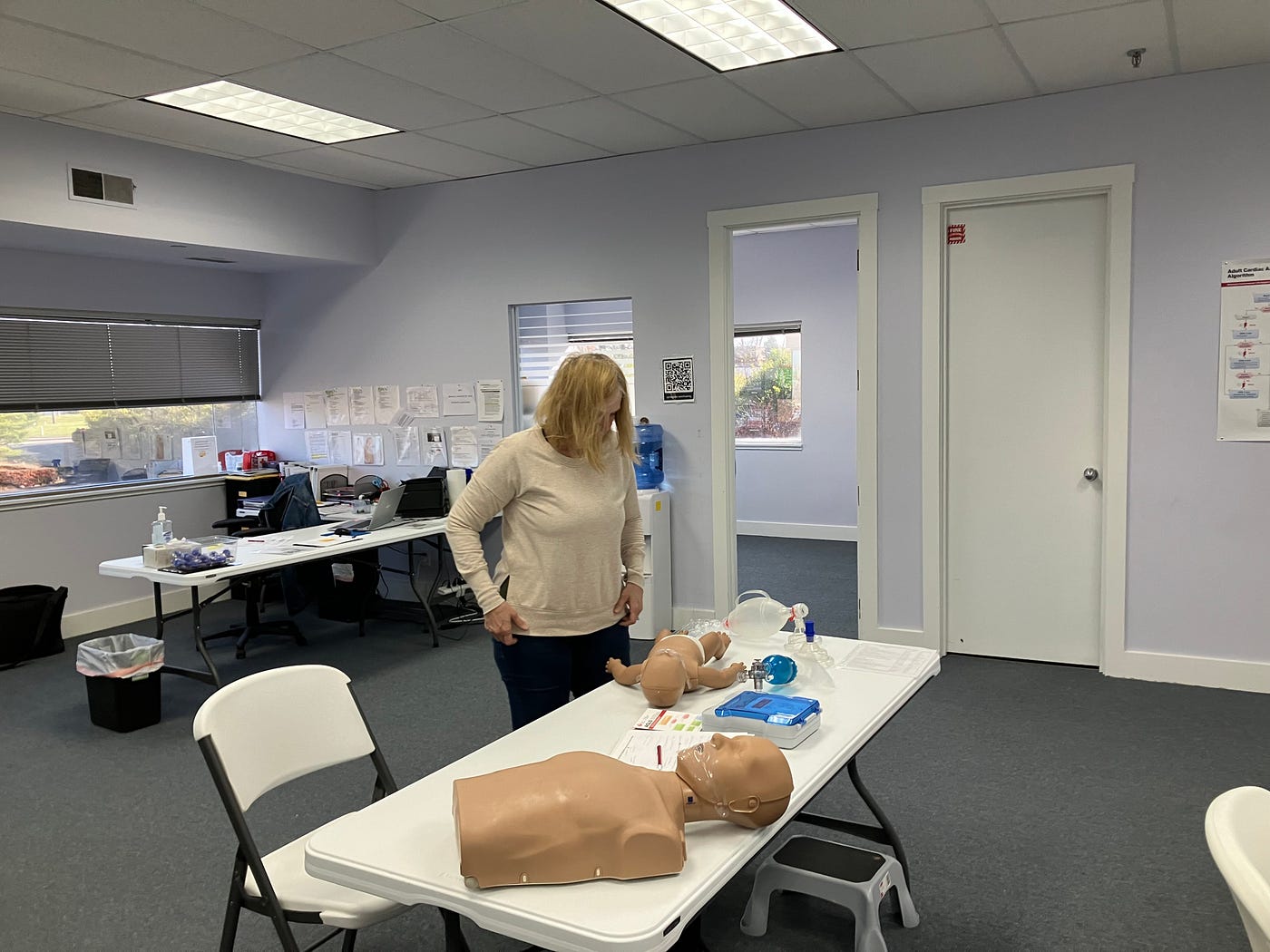
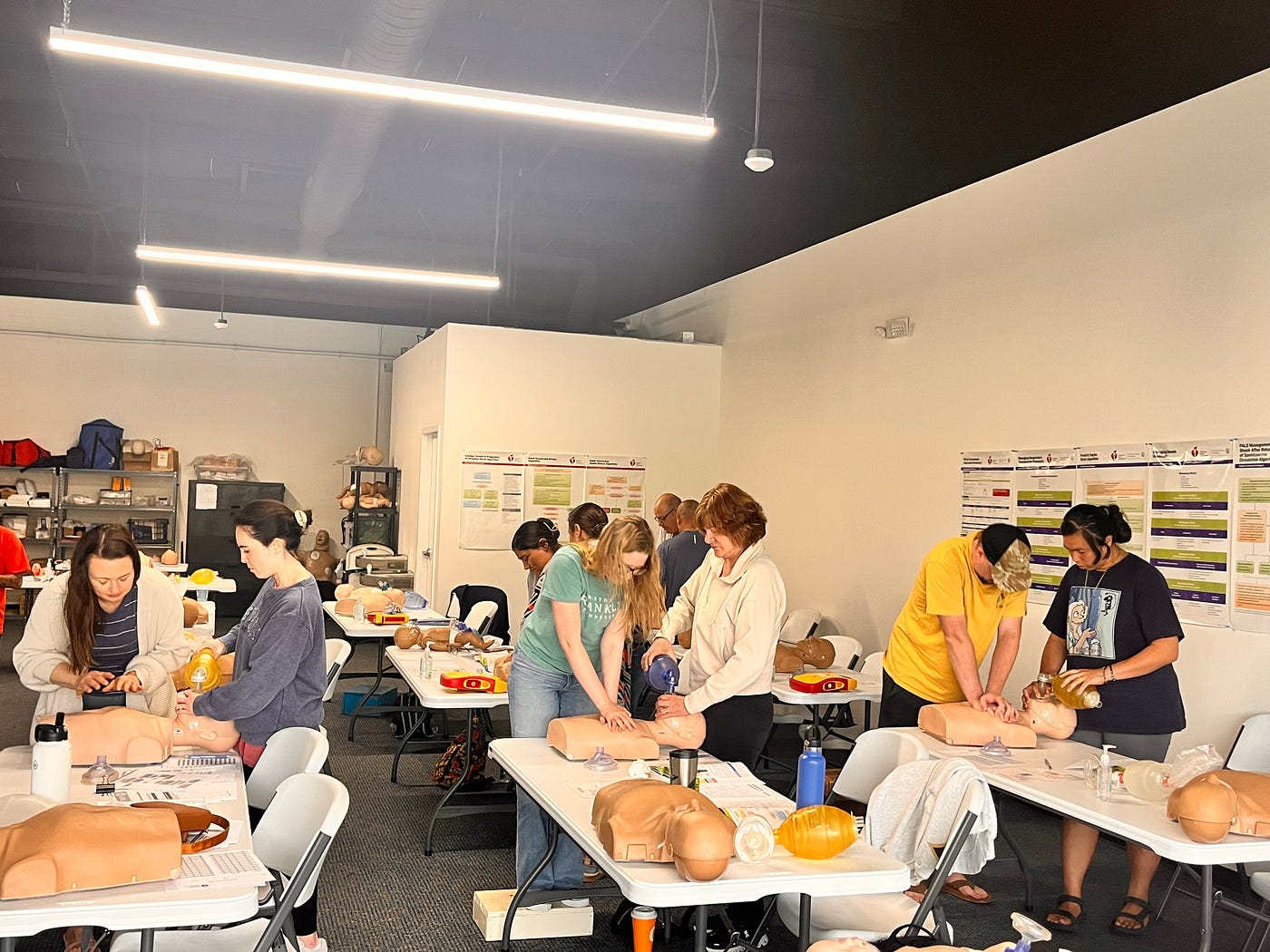
CPR skills fade fast without practice. Hands-on training builds muscle memory that a video alone simply cannot teach. Seniors, caregivers, and family members across the Tampa Bay area deserve real confidence when seconds count most.
CPR Tampa is an American Heart Association training site. We offer initial certification and renewal courses in BLS for Healthcare Providers, ACLS, PALS, and CPR and First Aid. Every class stays stress-free and fully hands-on, so you leave prepared, not overwhelmed.
Search for a **CPR class near Tampa today and reserve a seat in a session that fits your schedule. Caregivers, nurses, and family members are also welcome to join our [BLS classes in Tampa](https://cprtampa.training/classes/cpr-for-healthcare-providers-tampa/)** to build the skills that protect the seniors they love most.
메타데이터
- post_id
- cddf855b77a0
- slug
- cpr-for-seniors-special-considerations-for-older-adults-cddf855b77a0
- url
- https://medium.com/@johnhugh646/cpr-for-seniors-special-considerations-for-older-adults-cddf855b77a0
- canonical_url
- https://medium.com/@johnhugh646/cpr-for-seniors-special-considerations-for-older-adults-cddf855b77a0
- author_url
- https://medium.com/@johnhugh646
- status
- ok
- fetched_at
- 2026-07-18 02:00:43