Hypocrisy of God
There’s a strange pattern in human suffering that no one talks about honestly enough: people spend years begging God in silence while their…
Hypocrisy of God
There’s a strange pattern in human suffering that no one talks about honestly enough: people spend years begging God in silence while their lives collapse, and yet the moment they finally succeed through their own endurance, discipline, sacrifice, therapy, labour, sleepless nights, or sheer survival instinct, they kneel again and say, “It was all God’s plan.”
That sentence has always disturbed me.
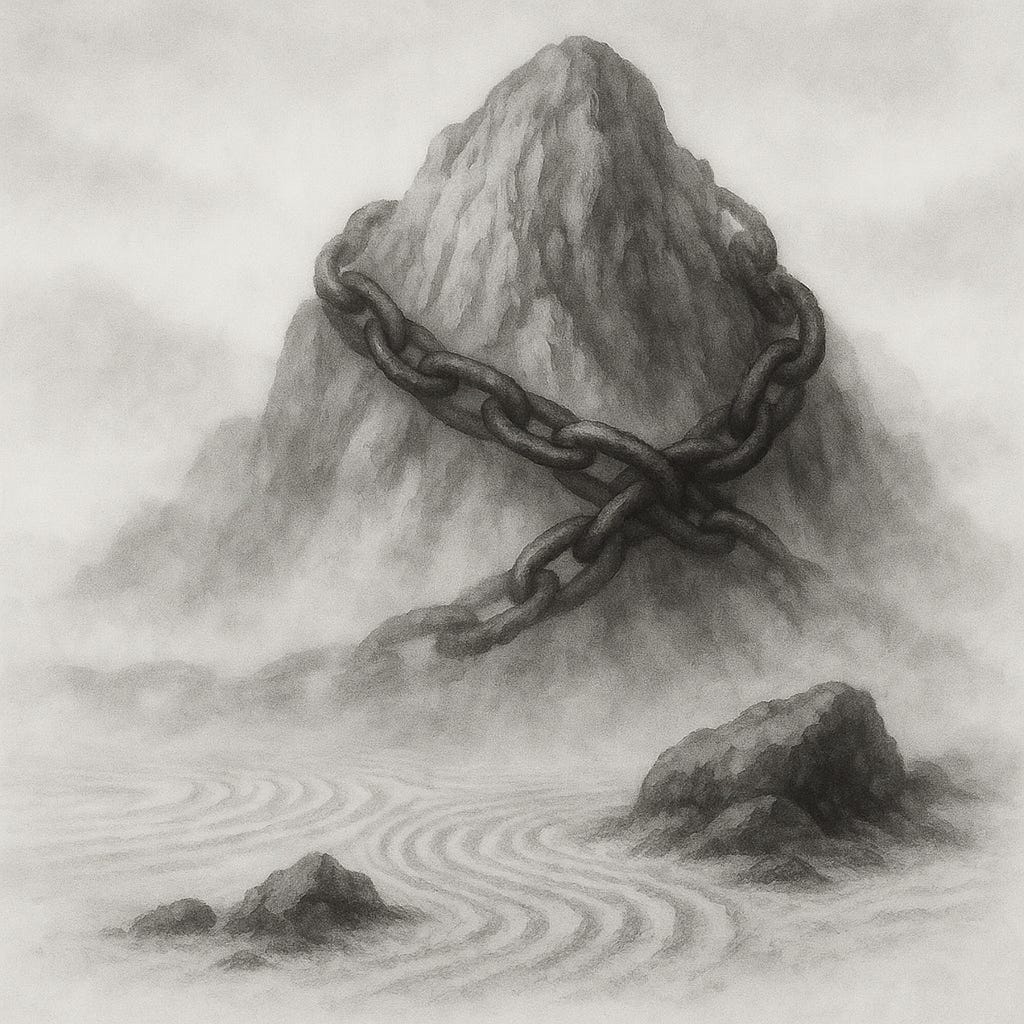
Because if God receives the credit for the victory, then shouldn’t He also receive accountability for the suffering that came before it? You cannot build a theology where divinity is the author of miracles but merely a “mysterious observer” during catastrophe. If a student fails, it is “God testing them.” If they succeed, it is “God blessing them.” Conveniently, the divine reputation survives every outcome untouched almost like the most successful public relations campaign in human history.
Maybe that is why Nietzsche declared, “God is dead.” Not because churches vanished, but because humans had outsourced their responsibility, pain, and moral courage to an invisible authority for too long. Nietzsche believed suffering should force humans toward self-overcoming, not deeper dependence. Yet ironically, humanity often responds to suffering by clinging harder to the very silence that wounded them.
Albert Camus would probably laugh at this contradiction with tragic sympathy. In The Myth of Sisyphus, he argues that the universe offers no guaranteed meaning, yet humans desperately search for one anyway. Perhaps religion survives not because it answers suffering, but because suffering makes uncertainty unbearable. It is easier to believe your pain was “part of a plan” than to confront the terrifying possibility that chaos has no author at all.
And then comes Freud, who viewed God almost psychologically as an extension of the father figure: protective, authoritative, punishing, comforting. Maybe people return to God after success for the same reason abandoned children still seek approval from distant parents. Human beings crave a cosmic father so deeply that even disappointment does not fully sever attachment. We resent God, question Him, accuse Him, but rarely leave Him entirely.
That is the paradox of faith: suffering weakens belief intellectually, but strengthens it emotionally.
And maybe this is where religion becomes subtly hypocritical not necessarily God Himself, but the structure around Him. Human effort is minimized during struggle yet erased during success. The person who spent ten years rebuilding their own life becomes merely “an instrument of divine will.” Their scars become footnotes in a story where God remains the protagonist.
Sometimes I wonder whether faith is less about truth and more about emotional survival. Because if people truly accepted that no divine force intervened during their darkest nights, they would also have to admit something frightening: they survived largely because of themselves. And that realization carries a terrifying responsibility.
So perhaps humanity keeps returning to God not because He always answers prayers, but because the alternative is unbearable, the universe where no cosmic father is coming, where meaning must be created rather than received, and where survival itself becomes entirely human and that’s what people with faith fears the most. Most people don’t wanna feel lost in their worldview of darkest night.
메타데이터
- post_id
- cde90c2304ce
- slug
- hypocrisy-of-god-cde90c2304ce
- url
- https://medium.com/@tasog76679/hypocrisy-of-god-cde90c2304ce
- canonical_url
- https://medium.com/@tasog76679/hypocrisy-of-god-cde90c2304ce
- author_url
- https://medium.com/@tasog76679
- status
- ok
- fetched_at
- 2026-06-09 15:37:30