High Blood Pressure Explained: Causes, Symptoms & Treatment
High blood pressure, also known as hypertension, is one of the most common health conditions worldwide. According to global health experts…
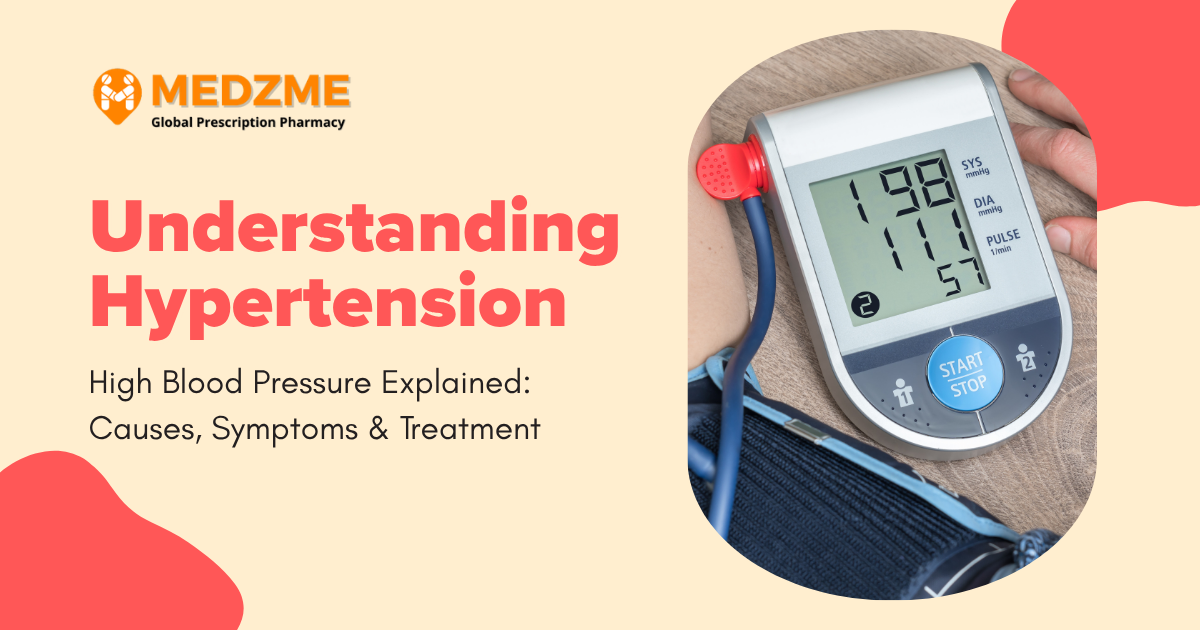
High Blood Pressure Explained: Causes, Symptoms & Treatment
High Blood Pressure Explained: Causes, Symptoms & Treatment
High blood pressure, also known as hypertension, is one of the most common health conditions worldwide. According to global health experts, more than one billion people live with elevated blood pressure, many without even knowing it.
Often called the “silent killer,” high blood pressure usually develops gradually and may not cause noticeable symptoms until serious complications occur. Left untreated, it can increase the risk of heart attacks, strokes, kidney disease, vision problems, and other cardiovascular conditions.
The good news is that hypertension can often be managed successfully through lifestyle changes, regular monitoring, and appropriate medical treatment.
This guide explains what high blood pressure is, what causes it, how to recognize potential warning signs, and the treatment options available to help protect long-term health.
What Is Blood Pressure?
Blood pressure is the force exerted by circulating blood against the walls of your arteries.
Every time your heart beats, it pushes blood through the body. Blood pressure readings are expressed using two numbers:
Systolic Pressure
The top number measures pressure when the heart contracts and pumps blood.
Diastolic Pressure
The bottom number measures pressure when the heart relaxes between beats.
Both numbers are important indicators of cardiovascular health.
What Is High Blood Pressure?
High blood pressure occurs when the force of blood against artery walls remains consistently elevated.
Over time, this extra pressure can damage:
- Arteries
- Heart muscle
- Kidneys
- Eyes
- Brain
Because damage develops gradually, many people feel perfectly healthy while hypertension progresses silently.
Common Causes of High Blood Pressure
There is rarely a single cause of hypertension. Instead, multiple factors often contribute.
Common risk factors include:
Family History
If close relatives have high blood pressure, your risk may be higher.
Age
Blood vessels naturally become less flexible with age.
Excess Weight
Being overweight increases the workload on the heart.
High Salt Intake
Too much sodium can cause the body to retain fluid, increasing blood pressure.
Physical Inactivity
A sedentary lifestyle contributes to poor cardiovascular fitness.
Smoking
Smoking damages blood vessels and increases cardiovascular risk.
Excess Alcohol Consumption
Heavy drinking may raise blood pressure levels.
Chronic Stress
Long-term stress may contribute to unhealthy lifestyle habits and elevated blood pressure.
Does High Blood Pressure Cause Symptoms?
One reason hypertension is dangerous is that symptoms are often absent.
Many people discover they have high blood pressure only during a routine check-up.
However, some individuals may experience:
- Frequent headaches
- Dizziness
- Blurred vision
- Shortness of breath
- Fatigue
- Nosebleeds (in some cases)
These symptoms are not always caused by hypertension, but they should not be ignored.
Why High Blood Pressure Is Dangerous
When blood pressure remains elevated over many years, it increases strain on the cardiovascular system.
Potential complications include:
Heart Attack
Damaged arteries are more likely to become blocked.
Stroke
Hypertension significantly increases stroke risk.
Heart Failure
The heart may become enlarged or weakened over time.
Kidney Disease
The kidneys rely on healthy blood vessels to function properly.
Vision Problems
Damage to blood vessels in the eyes may affect vision.
Preventing these complications is a major reason why blood pressure management matters.
How Is High Blood Pressure Diagnosed?
Diagnosis is straightforward.
Healthcare providers typically:
- Measure blood pressure during office visits
- Review multiple readings over time
- Consider home blood pressure monitoring
Because blood pressure fluctuates naturally, diagnosis usually requires repeated measurements rather than a single reading.
Regular screening is especially important for adults over 40 and those with cardiovascular risk factors.
Lifestyle Changes That Help Lower Blood Pressure
Lifestyle improvements are often the first line of treatment.
Reduce Salt Intake
Limiting sodium can help lower blood pressure.
Helpful strategies include:
- Cooking more meals at home
- Reducing processed foods
- Reading nutrition labels
Eat More Heart-Healthy Foods
Focus on:
- Fruits
- Vegetables
- Whole grains
- Lean proteins
- Healthy fats
Maintain a Healthy Weight
Even modest weight loss may significantly improve blood pressure.
Stay Physically Active
Activities such as:
- Walking
- Cycling
- Swimming
- Light strength training
can improve cardiovascular health.
Limit Alcohol
Moderation helps reduce strain on the cardiovascular system.
Stop Smoking
Quitting smoking provides immediate and long-term heart health benefits.
Medications Used to Treat High Blood Pressure
Some patients need medication in addition to lifestyle changes.
Common medication classes include:
ACE Inhibitors
Help relax blood vessels and reduce pressure.
ARBs (Angiotensin Receptor Blockers)
Work similarly to ACE inhibitors but through a different mechanism.
Beta Blockers
Reduce heart rate and workload on the heart.
Calcium Channel Blockers
Help relax blood vessel walls.
Diuretics
Help remove excess salt and water from the body.
Doctors choose treatments based on:
- Age
- Overall health
- Existing medical conditions
- Cardiovascular risk profile
Monitoring Your Blood Pressure at Home
Home monitoring can help patients stay informed and involved in their care.
Benefits include:
- Tracking trends over time
- Supporting treatment decisions
- Identifying unusual readings
- Encouraging medication adherence
Patients should use validated devices and follow manufacturer instructions carefully.
High Blood Pressure Around the World
Hypertension affects populations across all regions.
Common global challenges include:
- Lack of awareness
- Delayed diagnosis
- Medication affordability
- Limited preventive care
Improving education and access to treatment remains a major public health priority.
Final Takeaway: Small Changes Protect Long-Term Health
High blood pressure is common, but it is also manageable.
Key reminders:
✔ Get regular blood pressure checks
✔ Maintain a heart-healthy lifestyle
✔ Take medications consistently if prescribed
✔ Stay active and manage stress
✔ Work closely with your healthcare provider
Early action can significantly reduce the risk of heart disease, stroke, and other complications.
Protecting your blood pressure today helps protect your future health.
💙 Supporting Long-Term Cardiovascular Wellness
If you are managing high blood pressure or other chronic cardiovascular conditions and need reliable access to prescribed medications, trusted global pharmacy options can help support continuity of care.
👉 https://www.medzme.com/?utm_source=medium&utm_medium=article&utm_campaign=high_blood_pressure_guide
메타데이터
- post_id
- ce01381e42c9
- slug
- high-blood-pressure-explained-causes-symptoms-treatment-ce01381e42c9
- url
- https://medium.com/@medzmepharmacy/high-blood-pressure-explained-causes-symptoms-treatment-ce01381e42c9
- canonical_url
- https://medium.com/@medzmepharmacy/high-blood-pressure-explained-causes-symptoms-treatment-ce01381e42c9
- author_url
- https://medium.com/@medzmepharmacy
- status
- ok
- fetched_at
- 2026-06-09 15:37:30