Geocell Durability Explained: The Critical Role of UV Resistance and Carbon Black Content
Why is carbon black content so important in geocells? This article explores the relationship between UV resistance, polymer durability, and…
Geocell Durability Explained: The Critical Role of UV Resistance and Carbon Black Content
Why is carbon black content so important in geocells? This article explores the relationship between UV resistance, polymer durability, and the long-term effectiveness of HDPE geocell systems.
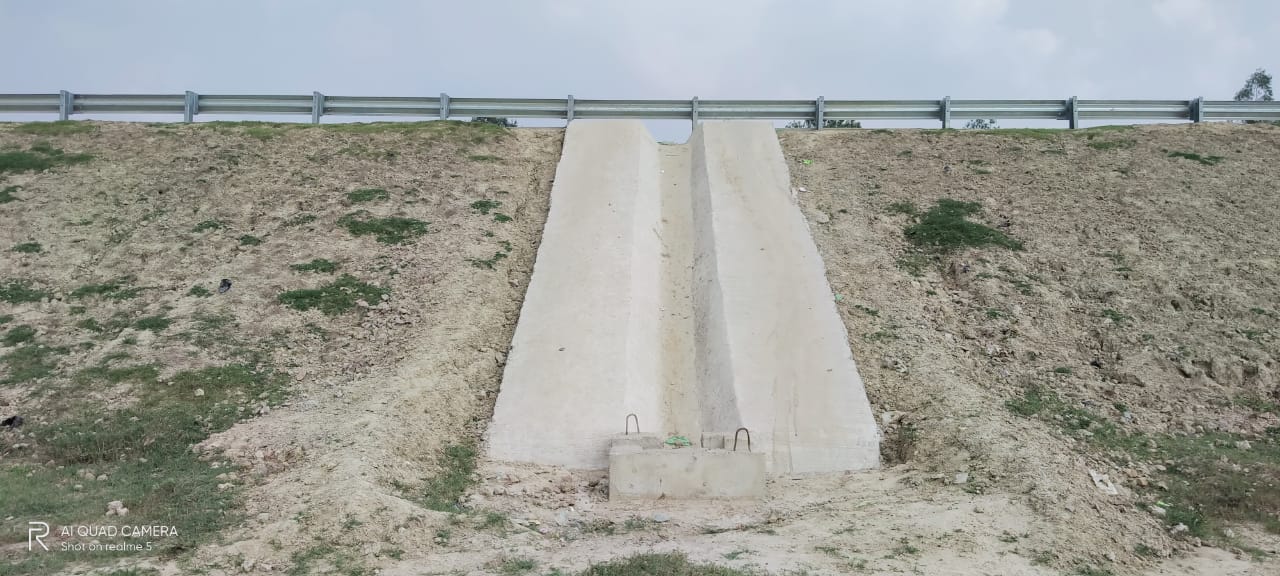
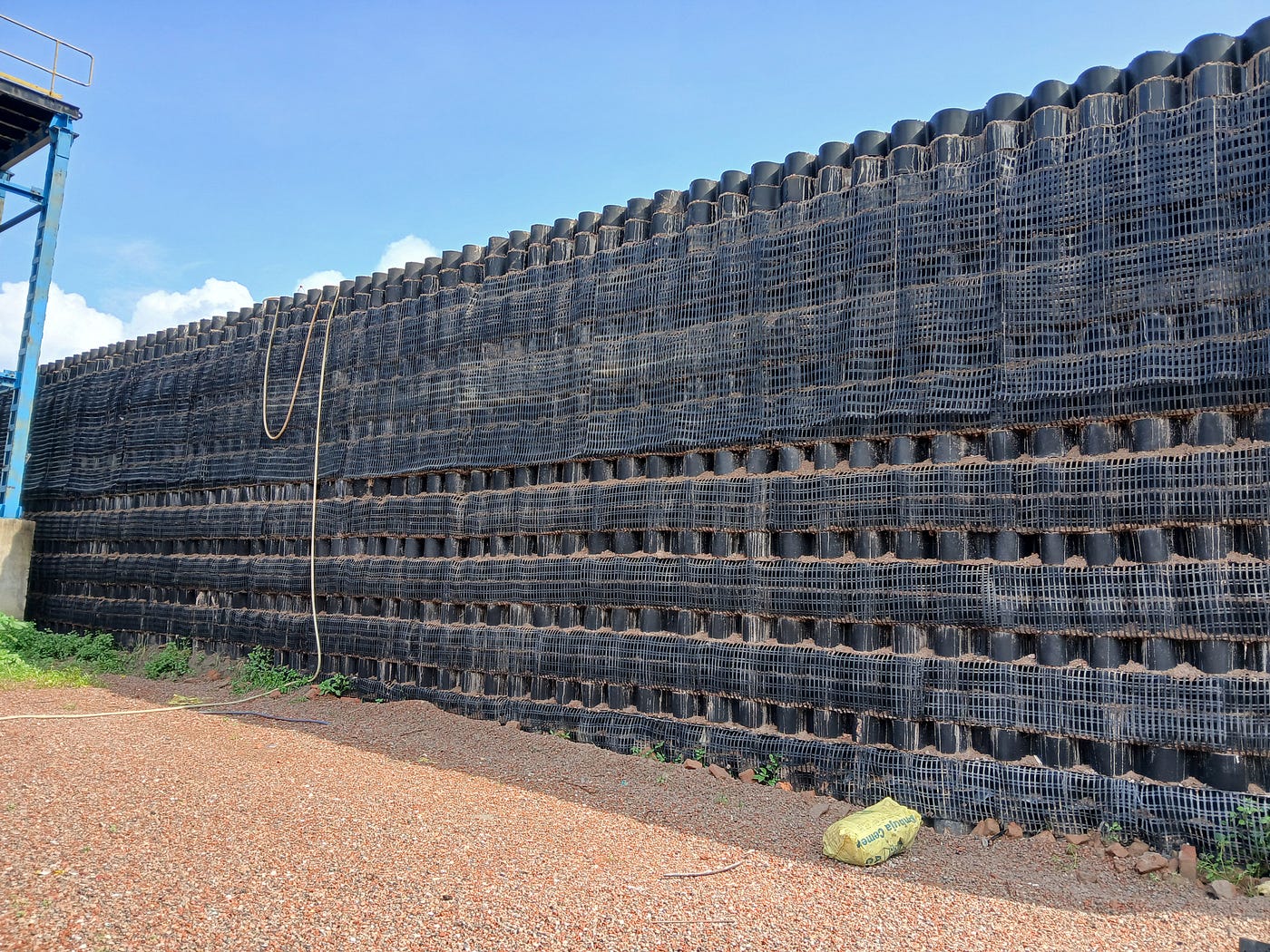
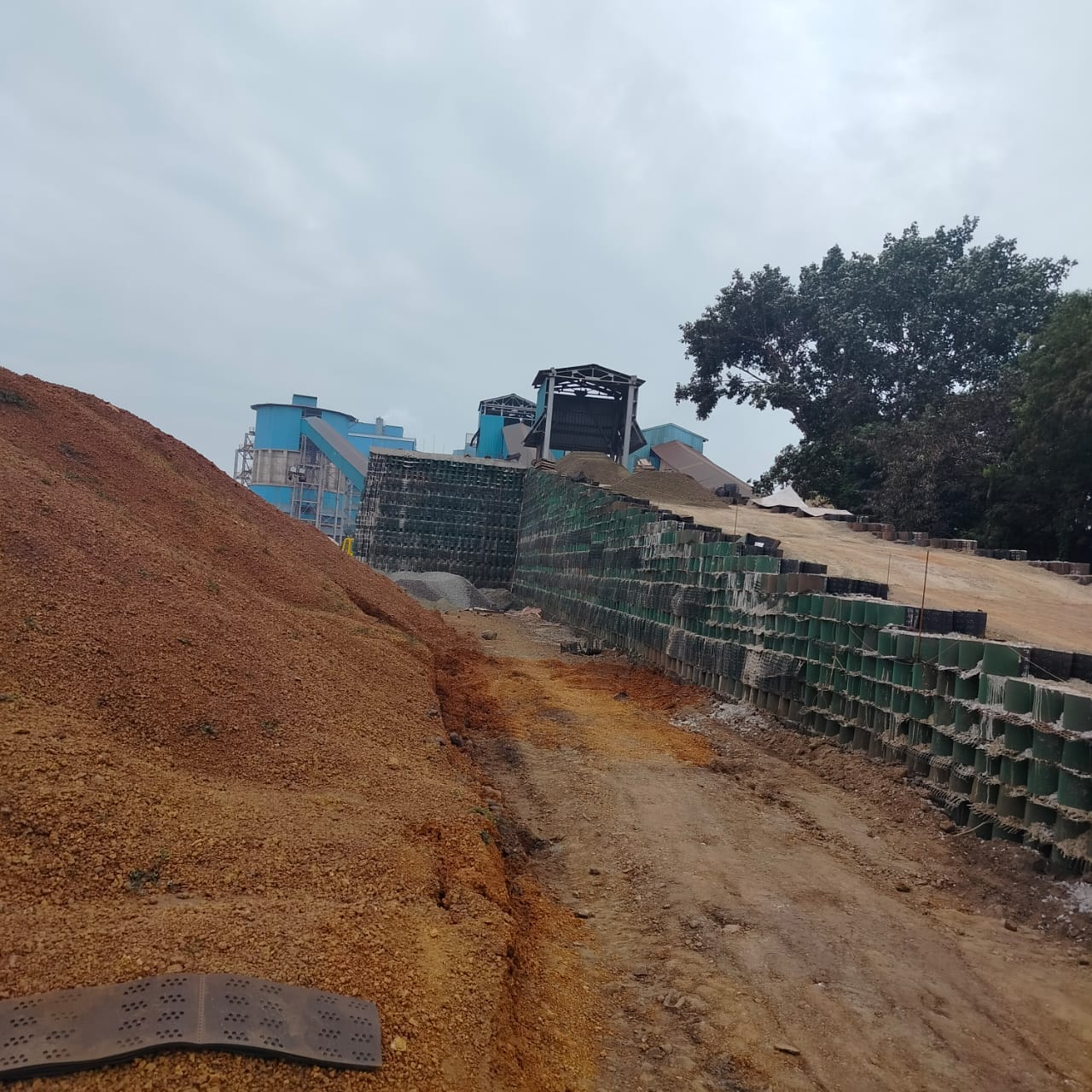
Geocells have become an established geosynthetic solution for soil stabilization, load support, slope protection, and erosion control applications. Their ability to improve load distribution and confinement makes them valuable in infrastructure projects such as roads, railways, retaining structures, and hydraulic works.
While geocells are often selected based on mechanical properties such as tensile strength, seam strength, and dimensional stability, their long-term durability is equally critical. Since geocells are manufactured primarily from polymeric materials such as High-Density Polyethylene (HDPE), they are susceptible to environmental degradation, particularly from ultraviolet (UV) radiation.
Among the factors that govern UV resistance, carbon black content plays a decisive role. Understanding the relationship between UV exposure, carbon black concentration, and polymer durability is essential for engineers, specifiers, and asset owners seeking long-term performance from geocell systems.
The Impact of UV Radiation on Geocells
Ultraviolet radiation from sunlight is one of the most aggressive environmental factors affecting exposed polymeric materials. When polymers are subjected to prolonged UV exposure, the absorbed energy initiates chemical reactions within the polymer chains.
These reactions can result in:
- Chain scission and molecular breakdown
- Surface cracking and embrittlement
- Reduction in tensile strength
- Loss of flexibility
- Premature material aging
For geocells installed in exposed applications such as temporary works, channel protection systems, steep slopes, and desert environments, UV degradation can significantly reduce service life if the material is inadequately protected.
Even in buried applications, geocells may experience periods of exposure during transportation, storage, installation, and construction delays. Therefore, UV resistance remains an important durability requirement regardless of the final installation condition.
How Carbon Black Protects HDPE Geocells
Carbon black is one of the most effective UV stabilizers used in polyethylene-based geosynthetics. It consists of extremely fine carbon particles dispersed throughout the polymer matrix.
Its primary function is to absorb and dissipate ultraviolet radiation before the radiation can damage the polymer chains.
When UV energy reaches the geocell surface:
- Carbon black absorbs the UV radiation.
- The absorbed energy is converted into harmless heat.
- Polymer chain degradation is significantly reduced.
- Long-term mechanical properties are preserved.
This protective mechanism makes carbon black one of the most widely adopted additives in HDPE geosynthetic products, including geocells, geomembranes, and geogrids.
Why Carbon Black Content Matters
The effectiveness of UV protection depends not only on the presence of carbon black but also on its concentration and dispersion quality.
If carbon black content is too low:
- UV shielding becomes insufficient.
- Polymer degradation accelerates.
- Durability decreases.
- Service life may be compromised.
If carbon black content is excessively high:
- Material processing becomes more difficult.
- Mechanical properties may be negatively affected.
- Production costs increase unnecessarily.
Industry experience has shown that an optimized carbon black concentration provides the best balance between UV protection and mechanical performance.
For HDPE geosynthetics, carbon black content is typically specified within a narrow range, commonly around 2–3% by weight, depending on the product standard and application requirements.
Equally important is uniform dispersion of carbon black throughout the polymer matrix. Poor dispersion can create weak zones where UV degradation may initiate despite meeting overall carbon black content requirements.
UV Resistance Testing and Quality Assurance
To ensure long-term durability, reputable geocell manufacturers conduct UV resistance testing and carbon black quality verification as part of their quality control programs.
Common tests include:
Carbon Black Content Test
This test measures the percentage of carbon black present in the polymer compound and verifies compliance with product specifications.
Carbon Black Dispersion Test
Microscopic examination is used to evaluate whether carbon black particles are uniformly distributed throughout the material.
Accelerated UV Weathering Tests
Laboratory weathering equipment simulates long-term sunlight exposure under controlled conditions to assess retention of mechanical properties after UV aging.
Oxidative Induction Time (OIT)
OIT testing evaluates the effectiveness of antioxidant packages that work alongside carbon black to resist long-term oxidation and thermal degradation.
Together, these tests provide confidence that the geocell will maintain its structural integrity throughout its intended design life.
Relevance to Long-Term Infrastructure Performance
Modern infrastructure projects are increasingly designed for service lives of 50 to 120 years. In such applications, durability becomes as important as initial strength.
A geocell system that loses its mechanical properties due to UV degradation can lead to:
- Reduced confinement performance
- Increased deformation
- Loss of load support capacity
- Higher maintenance costs
- Reduced asset life
Selecting geocells with verified UV resistance and appropriate carbon black content helps ensure that performance achieved during construction is maintained over the long term.
This is particularly important in regions with high solar radiation, elevated temperatures, and prolonged exposure periods, where UV degradation rates can be significantly higher.
Beyond Carbon Black: A Complete Durability Approach
Although carbon black is a critical component of UV protection, long-term durability depends on a combination of factors, including:
- High-quality virgin polymer resin
- Adequate antioxidant stabilization
- Proper manufacturing processes
- Effective seam welding techniques
- Compliance with recognized geosynthetic standards
- Appropriate storage and installation practices
Therefore, carbon black content should be viewed as one element within a comprehensive durability strategy rather than the sole indicator of product quality.
Conclusion
The long-term success of a geocell installation depends not only on its immediate mechanical performance but also on its ability to withstand environmental exposure over decades of service. UV radiation is one of the primary causes of polymer degradation, making UV resistance a critical design consideration for HDPE geocells.
Carbon black serves as the first line of defense against UV-induced damage by absorbing harmful radiation and protecting the polymer structure. Appropriate carbon black content, combined with uniform dispersion and robust stabilization systems, significantly enhances the durability and service life of geocell products.
For engineers, contractors, and project owners, specifying geocells with verified UV resistance and controlled carbon black content is a practical step toward ensuring reliable, long-term infrastructure performance and maximizing the value of geosynthetic investments.
메타데이터
- post_id
- ce5329a42e8d
- slug
- geocell-durability-explained-the-critical-role-of-uv-resistance-and-carbon-black-content-ce5329a42e8d
- url
- https://medium.com/@strataglobal/geocell-durability-explained-the-critical-role-of-uv-resistance-and-carbon-black-content-ce5329a42e8d
- canonical_url
- https://medium.com/@strataglobal/geocell-durability-explained-the-critical-role-of-uv-resistance-and-carbon-black-content-ce5329a42e8d
- author_url
- https://medium.com/@strataglobal
- status
- ok
- fetched_at
- 2026-06-17 08:20:12