Gender balance and intersectionality in non-proliferation of nuclear weapons
Gender balance and intersectionality in non-proliferation of nuclear weapons
Drafted for the Chatham House network “Common Futures Conversations” monthly discussion on non-proliferation (March 2026).
DOI: 10.6084/m9.figshare.31956243
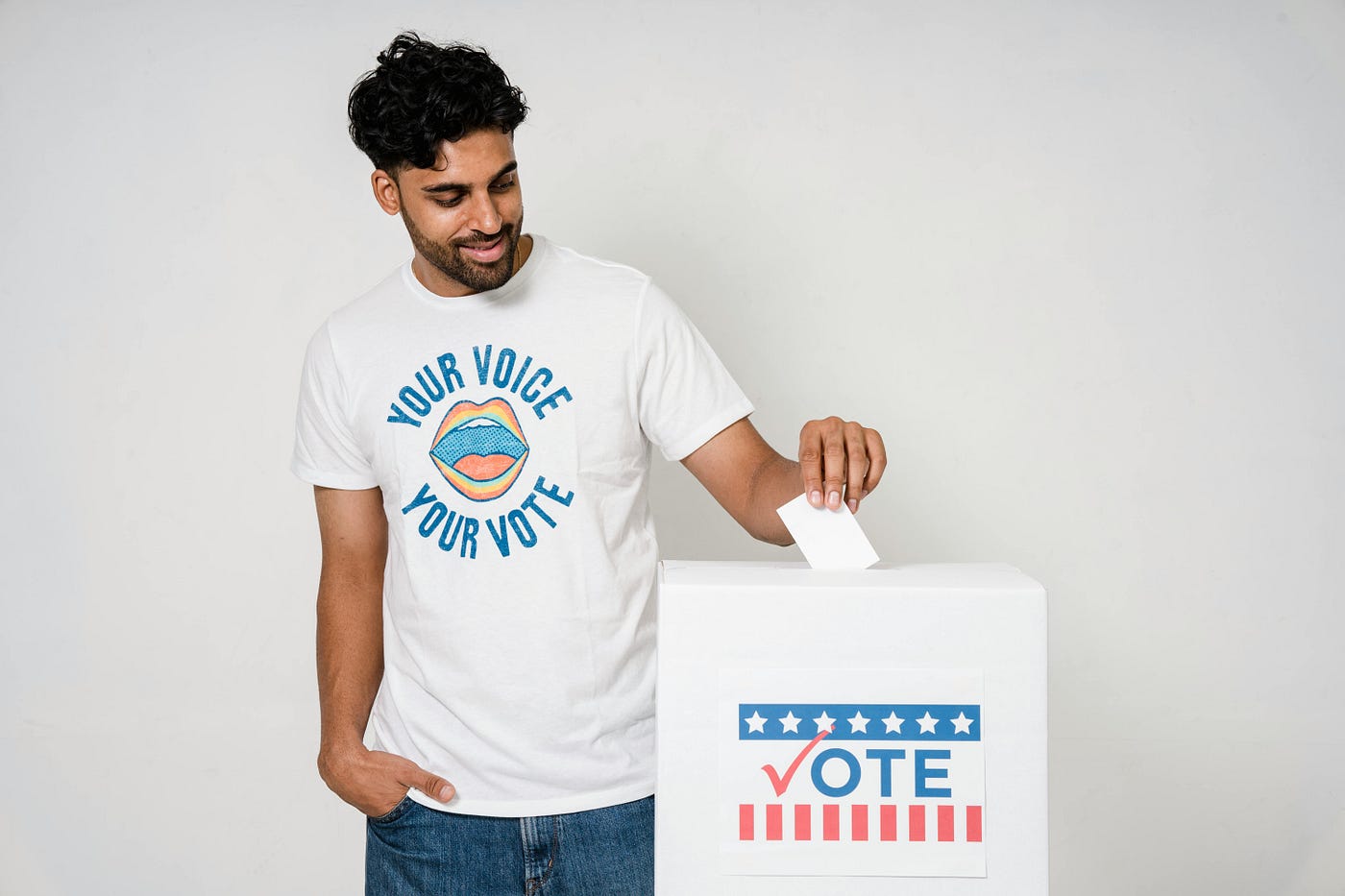
An important step for the commitment to the non-proliferation of nuclear weapons was marked in 2021. Fifty member States of the UN ratified the Treaty on the Prohibition of Nuclear Weapons (TPNW), adopted in 2017 to prevent the development and usage of new nuclear weapons. This treaty has renewed the effort of the international community for banning nuclear weapons after forty years since the entry into force of the first Treaty on the Non-Proliferation of Nuclear Weapons (NPT) in 1970, to which adhered 191 Countries in order «to prevent the spread of nuclear weapons, to promote cooperation in the peaceful uses of nuclear energy and to further the goal of nuclear disarmament and general and complete disarmament» (IAEA, 2025). Unlike the first, the TPNW represents a legal obligation for Member States to renounce the production and use of nuclear weapons (ICAN, 2021). It «[p]rohibits a wide range of activities relating to nuclear weapons, including their use, threatened use, development, testing, manufacture and possession, as well as assistance with any of those activities» (ICAN, 2021). Moreover, what made this treaty meaningful was the participation of the civil society, including feminist movements and advocacy groups for women’s rights (Klein, 2021), and the adoption of gender provisions. In fact, the preamble recognises the importance of women’s participation in non-proliferation diplomacy and the commitment of State to enhance it. Moreover, in the first meeting, the gender characters of this treaty was discussed and member States were invited to strengthen an active and meaningful participation of women and to adopt a feminist lens regarding the specific impacts of nuclear weapons on women (First Meeting of States Parties to the Treaty on the Prohibition of Nuclear Weapons, 2022). In 2010, the General Assembly, by adopting the Resolution 65/69, encouraged a «[…] better understanding of the gendered impact of armed conflict and calls for equal opportunities and increase in the participation of women in disarmament decision-making» (UNODA, “Disarmament and Gender”). Despite this commitment, women still represent a low percentage of diplomats and officials attending forums and conferences on arm destruction disarmament and of scientists expert in nuclear security. The gender provisions adopted in the treaties and operational documents are inconsistent with respect to the canons of feminist policy, with the risk of misunderstanding of gender used dynamics within the disarmament processes, homogenisation of instances and the specific needs of women belonging to different socio-cultural backgrounds and to exclude those of racialised, queer or disabled, the Global Southern women.
Women’s participation in non-proliferation diplomacy and research
Several resources (Klein, 2021; Meenakshi, 2024) reported that there has been a great participation of women, members of civil society, international organisations for women’s and nuclear weapons survivors’ rights in the negotiations for the TPNW. Some delegations were led by women, such as Ireland, New Zealand, the Philippines, South Africa, Sweden, Switzerland and Thailand (Gopinath, 2024), and a woman, Elyane White Gomez, chief of the Cost Rica delegation, served as the president of the negotiation conference (Gopinath, 2024). However, the data collected by UNIDIR and by independent analyses show, on the contrary, that women’s participation is not sufficient: only the 31% of registered delegates were women (although only the 31% of delegations were male-only) (Klein, 2021). In the 2019 Session of the Preparatory Committee for the Review Conference of the Parties to the Treaty on the Non-Proliferation of nuclear weapons, women represent only the 24% of chief delegates and the 29% of the total attendees (Dalaqua, 2021). A slightly higher is the percentage of women delegates at the 2022 Review Conference, reaching the 34%, but lower than the first TPNW treaty meeting (33%). In general, Dell’Arche (2020) reported that women represent only the 32% of participants of the official forums on disarmament, arms control and non-proliferation, while Dalaqua (2021) suggested a lower proportion: only 1/3 of registered diplomats are women (20%). The researcher, moreover, recognised exclusion of women from disarmament forums as consequence of gender biases (Dalaqua, 2021). Indeed, men are considered as better negotiators in this sector, because they’re more associated to characteristics such as seriousness, risk-taking and military experience (Dalaqua, 2021). This connection was suggested also by Klein (2021), tracing it back to a parallel between masculinity and nuclear weapons, and between femininity and non-proliferation, where the patriarchal system associates femininity with characteristics such as fragility, weakness and irrationality, which, in a militarised context, delegitimises the disarmament processes. Indeed, «[t]he promotion of arguments against nuclear weapons related to the human health, environment, or social impacts are then seen as manifestations of a feminine attitude» (Klein, 2021). Johan Galtung asserted that women, for their social characteristics (such as greater emotional intelligence and holistic awareness), are better negotiations in peace process (Galtung, 2000), proving wrong the patriarchal beliefs.
The situation is not better in nuclear security research sector. A study by OECD (Acosta et al., 2023) showed a meaningful gender imbalance: women represent the 20.6% of the STEM working force in nuclear security sector and only the 18.3% of leadership roles, but the 48.2% in non-STEM roles which don’t require a degree. Moreover, among the new hire, women represent only the 28.8% (Acosta et al., 2023). Worse are also the condition of women in the workplace, because the 55.2% of respondents reported they suffered from or heard episodes of hostility and the 44.7% of harassment (Acosta et al., 2023). However, the 58.3% of respondents said the culture of the workplace was inclusive, but the 75% of them worked in Northern or Western Europe, and the 75.9% didn’t report gender-specific impacts of the workplace conditions (Acosta et al., 2023). Yet, only the 41.7% declared that robust gender policies were implemented in their workplace, and the 32.2% said their managers committed to ensuring gender balance (Acosta et al., 2023). Nevertheless, it’s important to underline that the most of the women who answered positively to this last question came from Northern Europe and Northern America (Acosta et al., 2023). This is a trend thats can be detected in other questions, and, generally, Northern Europe represent the region with the higher rates of women working in nuclear security sector (Acosta et al., 2023), thus unveiling an imbalance regarding gender equality in this sector between Global North and South.
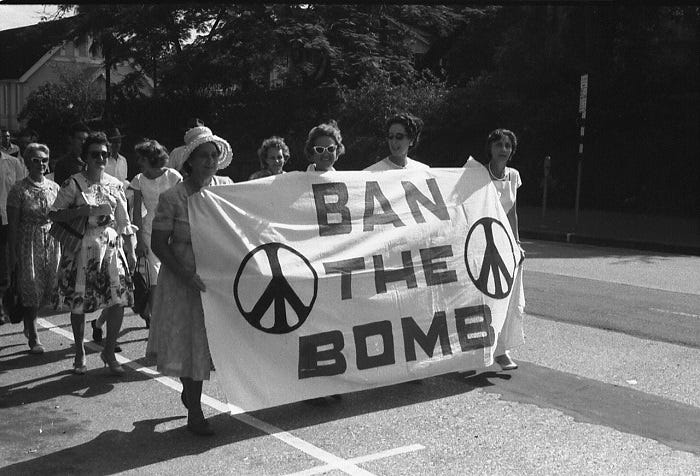
Despite the exclusion of women in the sector of non-proliferation of nuclear weapon, there are many scientists who said they would encourage girls and younger women to pursue this career (Acosta et al., 2023), and many are also the activists who advocates for nuclear disarmament and the experts who contribute to the discussions on the governance for non-proliferation of nuclear weapons on parallel forums or in the civil society (Sandifer, 2025). Examples are Lijon Eknilang, activist, who reported the effects of nuclear test on the people of Marshall Islands to the U.S. Senate, and the organisation Women Strike for Peace, which led an advocacy campaign against the arms race and nuclear texts (Sandifer, 2025). Another is the Greenham Common Women’s Peace Camp, a protest movement organised by English pacifists to prevent the shipment of 96 nuclear cruise missiles from the military base of Greenham Common (Moore et al., 2017). Thanks to their campaign, in 1987, the U.S. and USSR signed a treaty for nuclear disarmament, the Intermediate-Range Nuclear Forces Treaty, and the nuclear missiles were removed from the Greenham Common military base (Moore et al., 2017).
Feminist and gender policies in the governance for non-proliferation of nuclear weapons
It’s important to underline that just the participation of women is not sufficient to make more inclusive the process of non-proliferation of nuclear weapons, but it’s necessary to adopt a gender lens and an intersectional approach, capable to understand the interactions of the patriarchal norms within this and to grasp and recognize the different positions and needs of women. As asserted by Beatriz Klein (2021), to introduce a feminist lens means to adopt an approach connected to human security, and thus understanding the power dynamics and the humanitarian implications in nuclear security.
In their study, Brown and Considine (2022) explored the gender policies introduced by the TPNW, unveiling some of the meaningful issues: here, gender and “women” are juxtaposed, where the latter are used as an homogeneous category which must be included in the governance and diplomacy for non-proliferation. The difference and social dynamics are thus overlooked, the discussion around nuclear disarmament becomes a masculine and non-gendered debate, and women are included just to strengthen the pre-existing system, instead of introducing innovations and questioning gender mechanisms linked to nuclear security (Brown & Considine, 2022). The researchers indicated a proper approach in 2001 briefing note by UNODA, “Gender perspectives and weapons of mass destruction”, which contains a more consistent gender sensitivity suggesting a connection between masculinity, violent conflicts and proliferation of nuclear weapons. A perspective that is missed in the last treaty which is said to be aware of gender dynamics (Brown & Considine, 2022).
In general, there’s little consideration of the different instances and original contents introduced by women in the discussion of non-proliferation of nuclear weapons. For an example, Runyan (2022) reported that policy makers and social scientists tend to ignore the oral tradition of the native communities of the Pacific, the most affected by the fall-out of US nuclear ordnance tests, regarding the activity for the non-proliferation of nuclear weapons. There are no mentions or programmes which include the insights and recognise the needs of queer, disabled, racialised women or those from the working class or from the Global South. As highlighted by Brown and Considine (2022), women are defined as a unique and homogeneous bloc.
Regarding the impacts of ionising effects on health, the 2021 treaty recognised, for the first time, that women are more exposed (Klein, 2021). Indeed, women are more vulnerable to the ionising effects of radiation than men, with a greater probability of developing blood-related diseases, cancer and thyroid disorders, as well as reproductive health problems, including miscarriage, stillbirth and fetal malformations (Sandifer, 2025). Further, women are more exposed to the social impacts, such as stigma and gender-based violence exacerbated by the instability provoked by a nuclear explosion (Sandifer, 2025).
Conclusions
Twelve thousand and one hundred seven: this is the total number of nuclear warheads owned by the nine nuclearised countries (Kristensen et al., 2025). Of these, the 88% are part of the arsenals of the United States and Russian Federation (Kristensen et al., 2025). According to Hans Kristensen and colleagues (2025), there will even be an increase in total stocks, in particular that of China, India, North Korea, Pakistan and the United Kingdom (Kristensen et al., 2025). The agreement New START signed by USA and Russia in 2010 for nuclear weapons reduction expired this year and new treaties between the super power hasn’t been set (Haggag, 2026); the U.S. put in action the operation Epic Fury to prevent Iran in aquiring nuclear weapons (Rodger’s & Schiff, 2026), and Russia threatened to use nuclear warheads against Ukraine in these years of conflict (Mills, 2024). Thus, the discussion on non-proliferation of nuclear weapons is so urgent, but it’s necessary to better understand the social and political mechanisms that legitimise the nuclear proliferation, to take in consideration the insights of women and marginalised groups, and to take into account the gender dynamics. As affirmed by Reardon (1985), gender equality and the integration between the feminine and masculine are essential requirements in order to prevent the dehumanisation processes that facilitate mass violence and in order to «[…] free the human family […] from the threat of annihilation posed by the nuclear arms race» (Reardon, 1985:59).
It’s necessary, then, to amplify the voices of experts, scientists, survivors, women and people from the Global South excluded from official discussion, to highlight the parallel and bottom-up forums and debates, and to adopt a feminist and humanitarian approach (Klein, 2021). Many international organisations and feminist NGOs already do it, such as the International Campaign to Abolish Nuclear Weapons (ICAN) (Klein, 2021).
Recommendations
- Facilitate and increase women’s participation and leadership in governance, diplomacy and STEM research for non-proliferation of nuclear weapons.
- Design and implement programmes for the inclusion of women in nuclear security policy and STEM education.
- Adopt a feminist and gender lens in nuclear disarmament policy.
- Amplify and include women’s insights.
- Consider the differentiate impacts of ionising effects of radiation on women’s health and the social impacts.
- Facilitate and strengthen participate of disabled, queer, racialised women and those from Global South and from the working class.
- Strengthen the Women, Peace and Security agenda in this sector.
- Create safe and inclusive spaces for all women.
Bibliography
ACOSTA, G.M., et al. (2023). Gender Balance in the Nuclear Sector, OECD
BROWN, L.R., & CONSIDINE L. (2022). Examining ‘Gender-Sensitive’ Approaches to Nuclear Weapons Policy, International Affairs, 98/4, pp. 1249–1266, DOI: 10.1093/ia/iiac114
CHRISTORY, V. (2022, 25th August). ‘Catching Up With the Curve’: The Participation of Women in Disarmament Diplomacy, Humanitarian Law & Policy, https://blogs.icrc.org/law-and-policy/2022/08/25/catching-curve-participation-women-disarmament-diplomacy/
DALAQUA, R.H. (2021). How Can We Achieve Gender Break-Throughs in Nuclear Negotiations and Technical Cooperation?, IAEA Bulletin (December 2021): IAEA and the NPT, vol. 62–4, https://www.iaea.org/bulletin/how-can-we-achieve-gender-br…-throughs-in-nuclear-negotiations-and-technical-cooperation
DALL’ARCHE, F. (2020). The Case for Gender Balance in Arms Control, Non-Proliferation and Disarmament Negotiations, Non-Proliferation and Disarmament Papers, 71, pp. 1–15
DORMAN A. (2022, 20 July). A Feminist and Postcolonial Approach to Nuclear Politics, Chatham House, https://www.chathamhouse.org/2022/07/feminist-and-postcolonial-approach-nuclear-politics
First Meeting of States Parties to the Treaty on the Prohibition of Nuclear Weapons (2022, 8th June). Operationalizing the Gender Provisions of the Treaty on the Prohibition of Nuclear Weapons (TPNW/MSP/2022/WP.2), General Assembly, https://documents.un.org/doc/undoc/gen/n22/376/03/pdf/n2237603.pdf
GALTUNG J. (2000). Conflict Transformation by Peaceful Means (The Trascend Method). UN Disaster Management Program
GOPINATH, M. (2024, 6th March). En-Gendering Nuclear Disarmament, Asia-Pacific Leadership NetworK
HAGGAG, K. (2026, 4th February). After New START Expires, Europe Needs to Step Up on Arms Control, Stockholm International Peace Research Institute, https://www.sipri.org/commentary/essay/2026/after-new-start-expires-europe-needs-step-arms-control
ICAN (2026, 11th March). Gender and Nuclear Weapons Meetings, International Campaign to Abolish Nuclear Weapons, https://www.icanw.org/tpnw_gender_nuclear_weapons_meetings#:~:text=Malta%20in%20its%20capacity%20as,and%20gender%20sensitive%20victim%20remediation.
IEAE (2025), the IEAE and the Non-Proliferation Treaty, International Atomic Energy Agency, https://www.iaea.org/topics/non-proliferation-treaty
KLEIN, B.P. (2021, 28th February). Feminist Contributions to the Achievement of the Treaty on the Prohibition of Nuclear Weapons, Trinità dei Monti, https://trinitamonti.org/2021/02/28/feminist-contributions-to-the-achievement-of-thetreaty-on-the-prohibition-of-nuclear-weapons/
KRISTENSEN H., et al. (2025, 26th March). Status of World Nuclear Forces, Federation of American Scientists, https://fas.org/initiative/status-world-nuclear-forces/
MILLS C. (2024, 20th December). Russia’s Use of Nuclear Threats During the Ukraine Conflict, №9825, House of Commons Library, https://researchbriefings.files.parliament.uk/documents/CBP-9825/CBP-9825.pdf
MOOR S. et al. (2017, 20th March). How the Greenham Common Protest Changes Lives:’We Danced in Top of Nuclear Silos’, The Guardian, https://www.theguardian.com/uk-news/2017/mar/20/greenham-common-nuclear-silos-women-protest-peace-camp
MYRTTINEN H., et al. (2025). Closing Gaps: Strengthening the Women, Peace and Security Agenda through Arms Control and Disarmament, UNIDIR
REARDON B.A. (1985). Sexism and The War System. Teacher College Press
RODGERS J. & SCHIFF B. (2026, 28th February). Operation Epic Fury and the Remnants of Iran’s Nuclear Program, Center for Strategic & International Studies, https://www.csis.org/analysis/operation-epic-fury-and-remnants-irans-nuclear-program
RUNYAN, A.S. (2022). Indigenous Women’s Resistances at the Start and End of the Nuclear Fuel Chain, International Affairs, 98/4, pp. 1149–1167
SANDIFER, E. (2025, 31 March). Nuclear Weapons are Women’s Issues, Center for Arms Control and Non-Proliferation, https://armscontrolcenter.org/nuclear-weapons-issues-are-womens-issues/
UNIDIR (n.d.). Gender and Disarmament Hub, United Nations Institution for Disarmament Research, https://unidir.org/tools/gender-disarmament-hub/
UNODA (n.d.). Disarmament and Gender, United Nations Office for Disarmament Affairs, https://disarmament.unoda.org/en/our-work/cross-cutting-issues/disarmament-and-gender
Treaty on the Prohibition of Nuclear Weapons, September 20, 2017, https://treaties.un.org/pages/ViewDetails.aspx?src=TREATY&mtdsg_no=XXVI-9&chapter=26
WAN, W. (2024, 8th October). Synergies Between Women, Peace and Security and the Governance of WMD, Stockholm International Peace Research Institute, https://www.sipri.org/commentary/essay/2024/synergies-between-women-peace-and-security-and-governance-wmd
메타데이터
- post_id
- ce6d501da82f
- slug
- gender-balance-and-intersectionality-in-non-proliferation-of-nuclear-weapons-ce6d501da82f
- url
- https://medium.com/@viviana-rizzo/gender-balance-and-intersectionality-in-non-proliferation-of-nuclear-weapons-ce6d501da82f
- canonical_url
- https://medium.com/@viviana-rizzo/gender-balance-and-intersectionality-in-non-proliferation-of-nuclear-weapons-ce6d501da82f
- author_url
- https://medium.com/@viviana-rizzo
- status
- ok
- fetched_at
- 2026-06-22 07:15:07