Home Fermentation for Beginners UK: Simple Steps to Gut-Friendly Foods
Why has a jar of fermenting cabbage gone from something hidden in a cupboard to a kitchen counter centrepiece people are oddly proud of…
Home Fermentation for Beginners UK: Simple Steps to Gut-Friendly Foods
Home Fermentation for Beginners UK: Simple Steps to Gut-Friendly Foods
Why has a jar of fermenting cabbage gone from something hidden in a cupboard to a kitchen counter centrepiece people are oddly proud of? Sauerkraut, kimchi, and kefir now sit on supermarket shelves next to fresh produce, and home fermentation for beginners uk kitchens are increasingly trying has become one of the more popular cooking skills people pick up at home. None of this is new, even if it feels like a recent trend. Cultures across the world relied on fermentation for thousands of years before refrigeration existed, not for novelty but because it preserved food and made it more nutritious.
If you have always wanted to try fermenting at home but assumed it needed expensive kit or specialist knowledge, then this guide from **Healthy Life Side** covers exactly what happens to food during fermentation, the easiest projects to start with, and the mistakes that catch most beginners out early on.
What Actually Happens to Food During Fermentation
Fermentation works because bacteria or yeast break down the natural sugars already present in food. Lactic acid bacteria, the group responsible for most home ferments, convert those sugars into lactic acid, which drops the pH low enough to stop harmful bacteria from taking hold. Bread, cheese, and beer all rely on a version of this same process, just applied to grains, milk, or vegetables instead. Learning how to make fermented foods at home really just means learning to create the right conditions for these bacteria, then leaving them to do the work.
Gut Microbiome Diversity and Why It Matters
A healthy gut needs more than a high number of bacteria. Diversity counts for just as much, and a gut populated by dozens of different bacterial species tends to function better than one dominated by only a handful. Fermented foods introduce live bacterial strains that a typical Western diet rarely provides on its own. Building a habit around gut health fermented foods offer is one of the more direct ways to support that diversity without reaching for a supplement bottle.
The Simplest Ferment to Start With
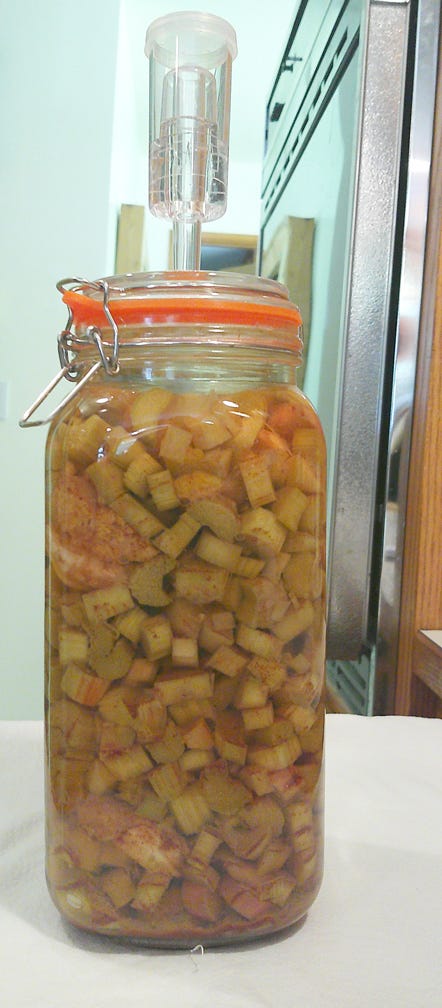
Lacto-fermented vegetables sit at the easiest end of the scale, and they ask for almost nothing beyond a jar, water, salt, and vegetables. Cabbage, carrots, and cucumbers all work well once submerged in a brine strong enough to favour beneficial bacteria over anything likely to spoil the batch. No starter culture, fermentation crock, or specialist equipment changes hands here, which makes vegetables the obvious entry point in any beginner fermentation guide. Most people who try this first discover fermentation asks for patience far more than it asks for skill.
How to Make Basic Sauerkraut at Home
Sauerkraut remains the classic first project, and for good reason. The method below works reliably in kitchens of any size, and it forms the kind of homemade sauerkraut guide worth keeping on hand for the next batch.
Ingredients and Ratios
White cabbage and salt are the only essentials, used at a ratio of roughly two percent salt to the weight of the shredded cabbage. Shredding the cabbage finely and massaging the salt through it by hand draws out liquid within about ten minutes. That liquid becomes the brine, so packing the cabbage tightly into a jar afterwards matters, since trapped air pockets give unwanted bacteria somewhere to grow.
Process, Timing and Storage
Once packed, the jar needs to sit at room temperature, away from direct sunlight, with the cabbage fully submerged under its own liquid. Checking it daily for the first week catches any cabbage poking above the brine before it causes problems. Most batches taste ready somewhere between one and three weeks, depending on room temperature and personal preference for sourness. Moving the jar to the fridge once it tastes right slows fermentation right down and keeps it edible for several months.
Kefir: What It Is and How to Make It
Kefir is a fermented drink made using kefir grains, small clusters of bacteria and yeast that ferment milk or sugar water into something tangy and lightly carbonated. It carries a wider range of probiotic strains than most shop bought yoghurt, which is part of why it has built such a strong reputation among people focused on gut health. Making it at home costs very little once the grains are sourced, and the daily routine becomes second nature within a week or two.
Making Milk Kefir
Milk kefir grains go straight into a jar of fresh milk, ideally whole milk, and sit at room temperature for around twenty four hours. Straining the grains out afterwards leaves a tangy, slightly thickened drink ready to use straight away or flavour with fruit. The same grains then go back into fresh milk to start the next batch immediately.
Making Water Kefir
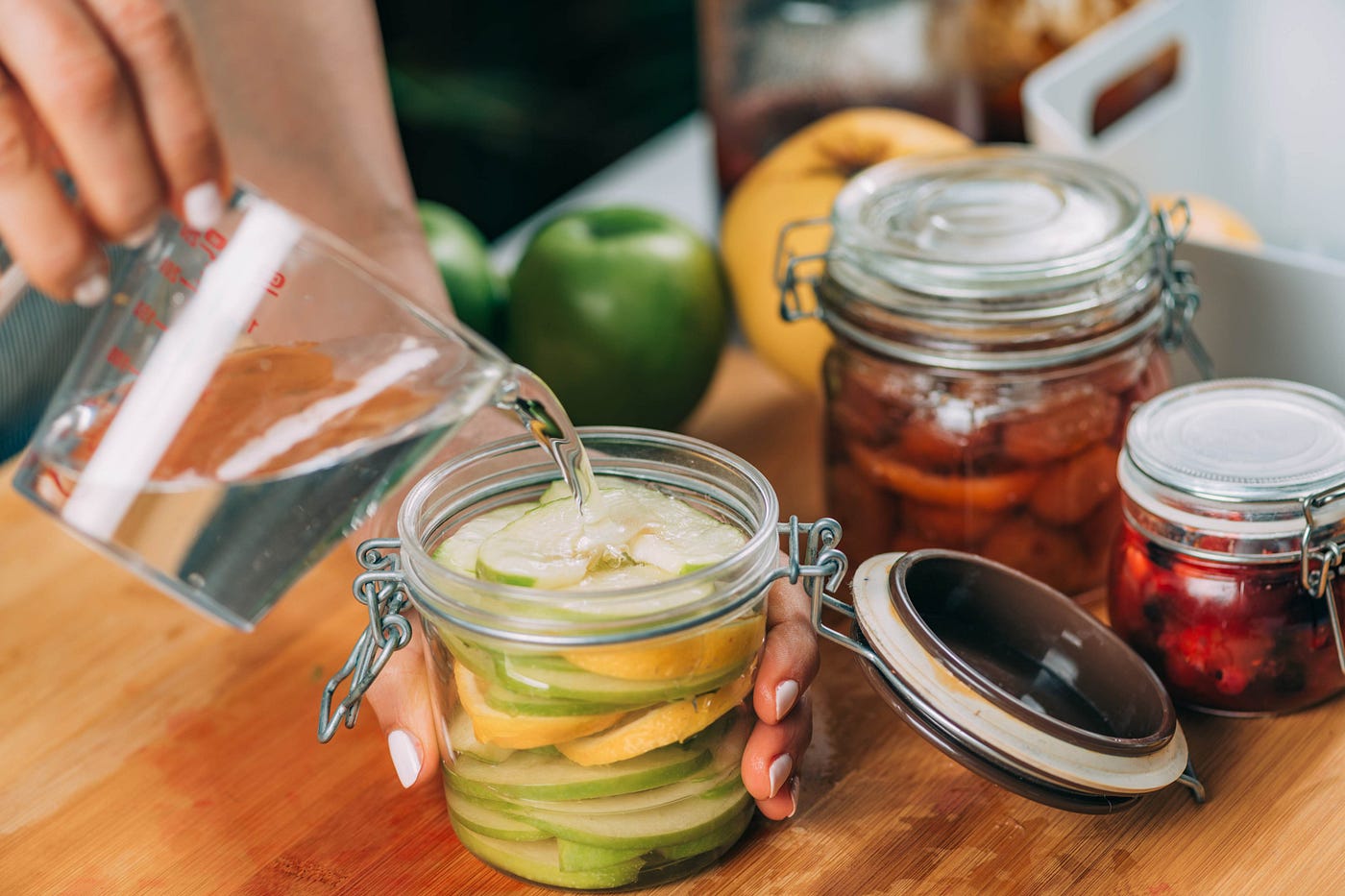
Water kefir grains work the same way but ferment sugar water instead, often with a slice of fruit added for flavour. A batch usually takes around forty eight hours at room temperature before it develops a light fizz. Anyone serious about making kefir at home uk suppliers can post grains to within a few days, which makes starting far easier than most people expect.
Common Beginner Mistakes and How to Avoid Them
Salt ratios trip up more beginners than anything else, since too little salt allows unwanted bacteria to compete, while too much can stall fermentation almost entirely. Temperature plays a similar role. Ferments left somewhere too warm move quickly but can develop off flavours, while a spot that is too cold slows things down to a crawl. Confusing kahm yeast with mould causes unnecessary panic as well. Kahm yeast appears as a thin, white, slightly bubbly film that can simply be skimmed off, whereas mould looks fuzzy, often shows colour, and means the batch should be thrown away.
How to Tell If a Ferment Has Gone Wrong
A working ferment smells sour, slightly fizzy, and distinctly vegetal, never rotten or sulphurous. Bubbles rising through the liquid and a gradual softening of texture both signal that fermentation is progressing as expected. Anything fuzzy, pink, orange, or black sitting on the surface means the batch has failed and should go straight in the bin rather than being rescued. When in doubt, smell and appearance together tend to give a clearer answer than guesswork ever will.
Starting with home fermentation for beginners uk households can manage in a single afternoon does not require a stocked pantry or prior experience. Pick one project this week, whether that is a small jar of sauerkraut or a first batch of milk kefir, and build from there once it tastes right. The skills behind how to make fermented foods at home stay the same across nearly every ferment, so confidence built on one project carries straight into the next. If better digestion and a wider variety of gut health fermented foods matter to you, treat this as the starting point rather than a one off experiment.
Is homemade sauerkraut actually probiotic? Yes. Live, lacto-fermented sauerkraut contains billions of active Lactobacillus bacteria, as long as it has not been heated or pasteurised after fermenting.
Can fermented foods cause problems for some people? Yes. People with histamine intolerance or SIBO may react poorly to fermented foods, so starting with small portions helps gauge tolerance safely.
How long does homemade sauerkraut last once it is ready? Stored in the fridge, a finished batch typically keeps for several months, with flavour continuing to develop slowly the longer it sits.
© Healthy Life Side
메타데이터
- post_id
- ce8a99069e92
- slug
- home-fermentation-for-beginners-uk-simple-steps-to-gut-friendly-foods-ce8a99069e92
- url
- https://medium.com/@healthylifeside/home-fermentation-for-beginners-uk-simple-steps-to-gut-friendly-foods-ce8a99069e92
- canonical_url
- https://medium.com/@healthylifeside/home-fermentation-for-beginners-uk-simple-steps-to-gut-friendly-foods-ce8a99069e92
- author_url
- https://medium.com/@healthylifeside
- status
- ok
- fetched_at
- 2026-08-06 11:35:09