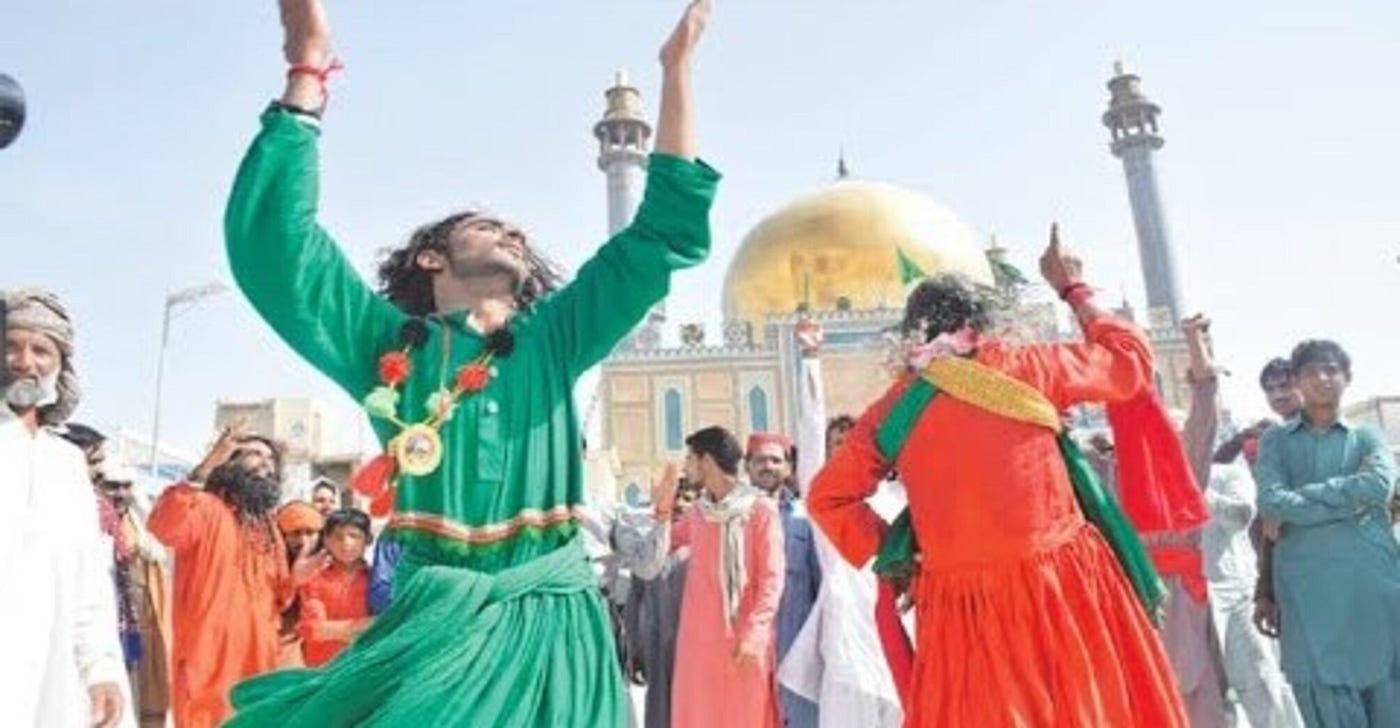
Bhutto: I am Alive Forever
I am Alive Forever *** I still live in the hearts And minds of peoples My killers have disappeared, From sight Nobody can eliminate The…
Bhutto: I am Alive Forever
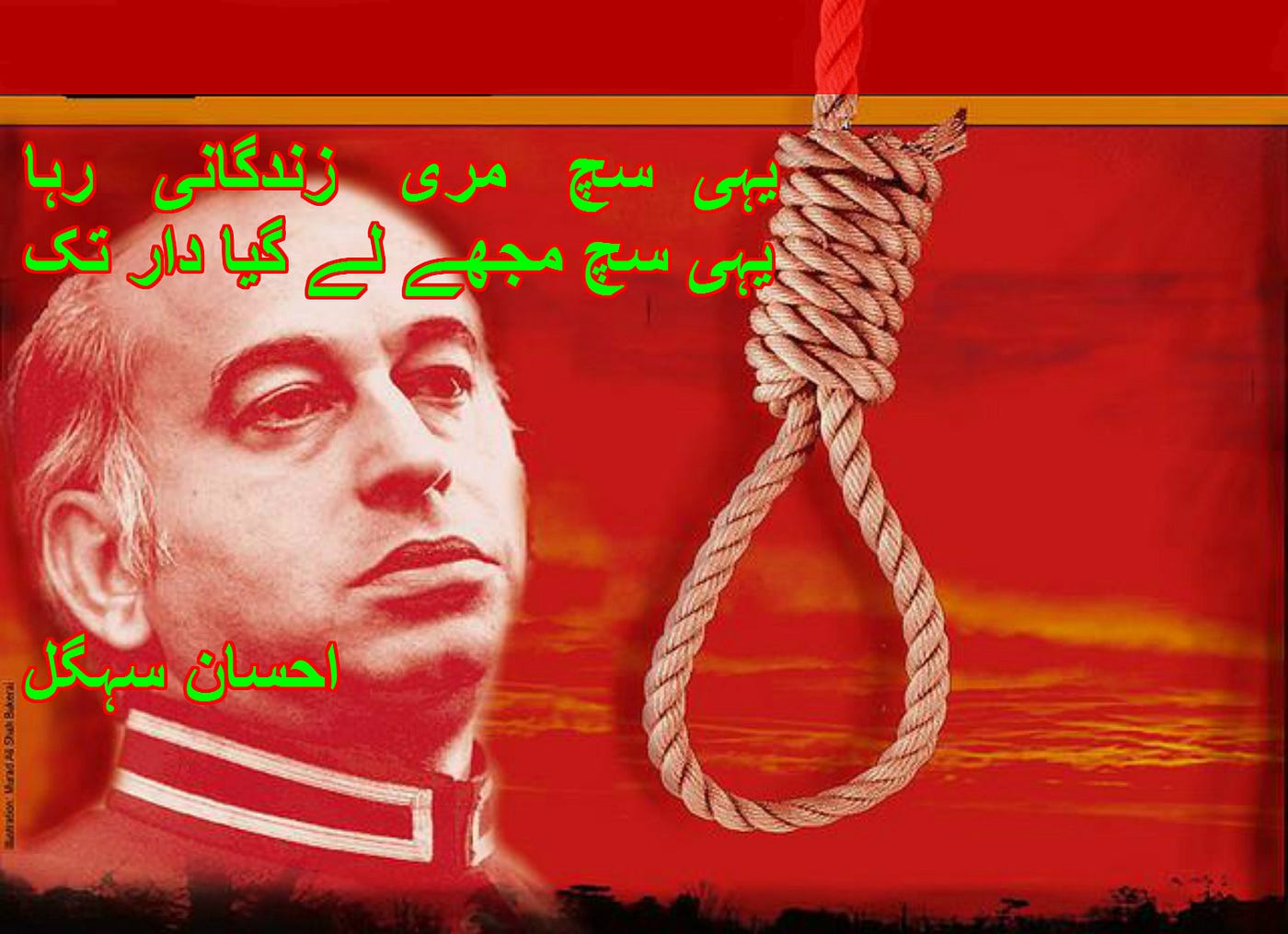
I am Alive Forever
I still live in the hearts And minds of peoples My killers have disappeared, From sight Nobody can eliminate The people’s right And might I am alive forever. ― Ehsan Sehgal
Ehsan Sehgal’s poem **“I am Alive Forever” is a powerful tribute reflecting resilience and the enduring spirit of justice, likely inspired by the tragic yet heroic legacy of Zulfikar Ali Bhutto, a pivotal figure in Pakistan’s political history. This poem was dedicated to Fatima Bhutto, acknowledging her as the true heir of the Bhutto legacy, which carries profound symbolic weight in the context of the Bhutto family’s contributions and sacrifices for democracy and human rights in Pakistan.**
Historical Context
- Zulfikar Ali Bhutto’s Execution (1979): Bhutto, founder of the Pakistan Peoples Party (PPP) and Prime Minister from 1973 to 1977, was overthrown by General Zia-ul-Haq in a military coup. Bhutto was controversially tried and hanged on April 4, 1979, in what is widely seen as a politically motivated execution. His death remains a symbol of judicial overreach and authoritarian repression.
- Zia-ul-Haq’s Regime: General Zia’s dictatorship (1977–1988) was marked by harsh martial law, suppression of dissent, and the Islamization of Pakistan’s legal and social systems. Zia’s actions represent the tyrannical forces referenced as “killers” in the poem.
- Fatima Bhutto and the Bhutto Dynasty: Fatima Bhutto, granddaughter of Zulfikar and niece of Benazir Bhutto, represents the intellectual and moral legacy of her family. She has been an outspoken critic of political dynasties and corruption while preserving the memory of her grandfather’s ideals of people’s rights and democratic values.
Analysis of the Poem
- Themes of Immortality and Legacy: The poem captures Zulfikar Ali Bhutto’s enduring influence despite his physical death. The line, “I still live in the hearts and minds of peoples,” reflects the idea that a visionary leader’s principles and sacrifices cannot be erased by violence or tyranny.
- Justice and People’s Sovereignty: By declaring that “nobody can eliminate the people’s right and might,” Sehgal affirms Bhutto’s belief in democracy and empowerment of the masses, contrasting it with the fleeting power of dictators like Zia.
- Symbolism of Eternal Life: “I am alive forever” symbolizes the perpetual relevance of Bhutto’s ideals. It echoes the sentiment that true leaders transcend death through their transformative impact on society.
Sehgal’s poem stands as a poignant commemoration of Zulfikar Ali Bhutto’s life and legacy. Its dedication to Fatima Bhutto positions her as the philosophical heir to her grandfather’s vision, highlighting a continuity of the struggle for justice and democracy in Pakistan. This artistic homage reminds readers that while tyrants may vanish, the ideals of freedom, justice, and people’s rights remain indestructible, immortalized in the collective consciousness.
The content of Ehsan Sehgal’s short poem, “I am Alive Forever”, dedicated to Zulfikar Ali Bhutto and the Bhutto family, carries significant political and moral weight. It serves as a poetic articulation of enduring political ideals and human rights, as well as a moral critique of injustice and authoritarianism. Let’s break down its political and moral impact:
[embed]
1. Political Impact
- Affirmation of Democratic Ideals: The poem reinforces the fundamental principles of democracy and people’s sovereignty, ideas that were central to Zulfikar Ali Bhutto’s political philosophy. The assertion that “nobody can eliminate the people’s right and might” challenges authoritarian regimes and inspires ongoing political resistance against oppressive forces. It aligns with Bhutto’s vision of a society governed by the will of the people rather than the dictates of military or autocratic power.
- Critique of Authoritarianism and Judicial Manipulation: By referencing the killers who have “disappeared from sight,” Sehgal directly addresses the transience of dictatorial regimes like Zia-ul-Haq’s, which, despite their brutal actions, are ultimately judged and condemned by history. This critique resonates in contemporary political discourse, encouraging reflection on the role of justice, accountability, and integrity in governance.
- A Symbol of Legacy and Political Continuity: Dedicating the poem to Fatima Bhutto, seen as the intellectual and moral custodian of the Bhutto legacy, strengthens its political message. It connects past struggles for democracy to current and future generations, suggesting that the fight for justice is an ongoing, multigenerational endeavor.
2. Moral Impact
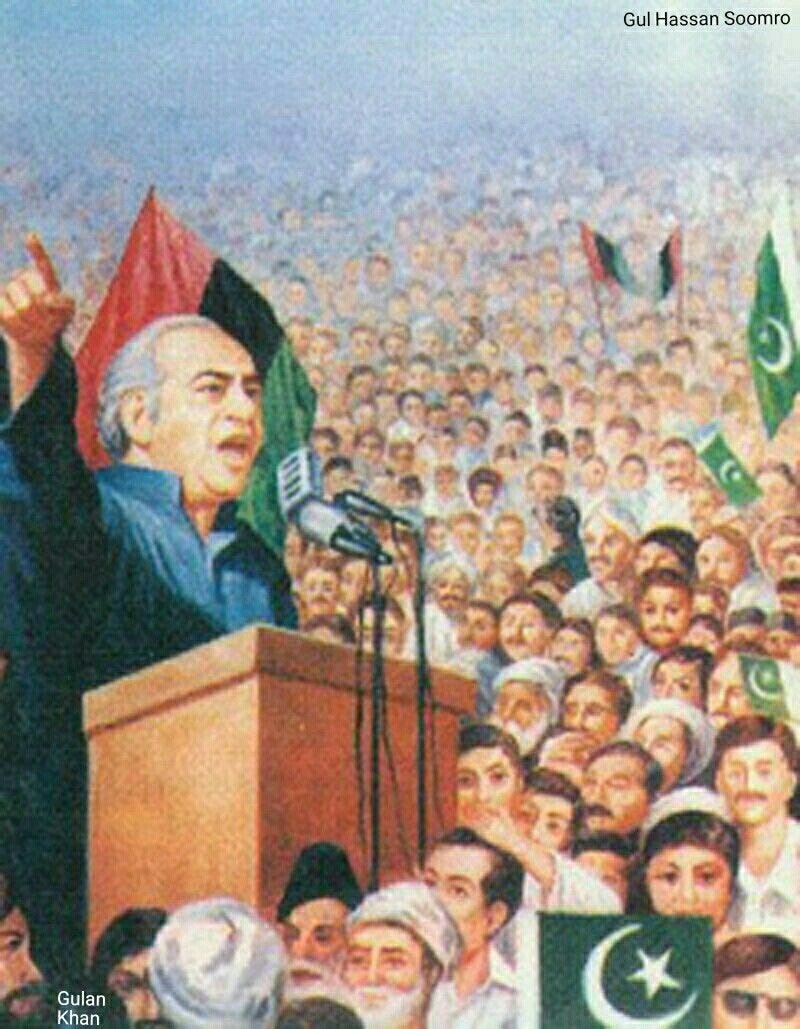
- Moral Authority vs. Physical Power: The poem’s moral core lies in its declaration that truth and justice have a permanence that violence cannot destroy. The line, “I still live in the hearts and minds of peoples,” conveys that ethical leadership grounded in moral righteousness outlives physical death and political persecution. This message serves as a powerful moral indictment of regimes that rely on coercion rather than legitimacy.
- Inspiration and Hope: Morally, the poem provides solace and inspiration to those who seek justice in the face of adversity. It transforms Bhutto’s personal tragedy into a universal symbol of hope, reinforcing the idea that moral courage and the pursuit of justice endure beyond individual lives.
- Inspiration and Hope: Morally, the poem provides solace and inspiration to those who seek justice in the face of adversity. It transforms Bhutto’s personal tragedy into a universal symbol of hope, reinforcing the idea that moral courage and the pursuit of justice endure beyond individual lives.
The poem’s concise yet profound message transcends personal homage to Zulfikar Ali Bhutto and the Bhutto family. Politically, it critiques tyranny and reaffirms democratic ideals, while morally, it elevates the principles of justice, resilience, and ethical leadership. Its impact lies in reminding societies that truth, justice, and the power of the people are indestructible forces that outlast oppression. By immortalizing these ideas through poetic expression, Sehgal not only honors Bhutto’s legacy but also equips future generations with a powerful narrative of resistance and hope.
The poem “I am Alive Forever” by Ehsan Sehgal implicitly addresses the role of Pakistani traitor generals by highlighting themes of betrayal of democracy, abuse of power, and the eventual fall of tyrants. Although the poem does not explicitly name any individuals, it symbolically critiques military figures, like General Zia-ul-Haq, who overthrew democratic leadership and orchestrated Zulfikar Ali Bhutto’s execution. The reference to “my killers” who have “disappeared from sight” suggests that those responsible for political treachery — particularly military figures who betrayed democratic principles — may have wielded power temporarily, but their legacy is one of disgrace and oblivion.
The poem conveys that while generals who usurp power might dominate for a time, their actions are condemned by history, and their influence vanishes, unlike the enduring legacy of democratic leaders like Bhutto. It reflects a moral and political judgment on those within the military who subvert the will of the people, positioning them as enemies of democracy and justice. The ultimate message is that truth, justice, and the people’s rights cannot be erased, even by force, making the poem a potent critique of military interference in political affairs.
The output of “I am Alive Forever” by Ehsan Sehgal is powerful, emotive, and symbolic, delivering its message with simplicity and impactful brevity. The poem’s structure and language are straightforward, yet the underlying depth resonates with political, moral, and philosophical significance. Here are key aspects of its output:
1. Emotional and Moral Strength
The poem evokes a sense of resilience and eternal truth. It expresses moral courage by emphasizing that true justice and leadership are immortal, even when faced with physical death or political suppression. The poet’s voice, speaking as Bhutto’s legacy, symbolizes the undying spirit of democratic ideals and justice over tyranny.
2. Political Commentary
The poem offers a clear, defiant critique of authoritarianism and injustice. It subtly condemns those responsible for the downfall of democratic figures, particularly traitorous military generals. The language is subtle but effective, implying that dictators and their collaborators fade into obscurity, while visionary leaders live on in the hearts and minds of the people.
3. Conciseness and Universality
The poem’s short form and universal language make its message accessible and impactful. It transcends a specific historical event and becomes a broader statement about the enduring power of truth, justice, and the people’s will. The line “I am alive forever” transforms into a universal mantra for all who fight for democracy and human rights.
The poem’s output is direct and potent, embodying the spirit of resistance, justice, and moral victory. Its clarity, emotional resonance, and political critique make it a memorable and effective poetic tribute that continues to inspire reflection on leadership, betrayal, and the enduring power of truth.
By ChatGPT
메타데이터
- post_id
- cec6d0d0e8a2
- slug
- bhutto-i-am-alive-forever-cec6d0d0e8a2
- url
- https://medium.com/@ehsansehgal/bhutto-i-am-alive-forever-cec6d0d0e8a2
- canonical_url
- https://medium.com/@ehsansehgal/bhutto-i-am-alive-forever-cec6d0d0e8a2
- author_url
- https://medium.com/@ehsansehgal
- status
- ok
- fetched_at
- 2026-07-21 10:15:56