How ISO 22301:2019 Transition Helps Build a Business Continuity Career
Organizations today need professionals who can ensure business operations continue during unexpected disruptions. Practical knowledge of…
How ISO 22301:2019 Transition Helps Build a Business Continuity Career
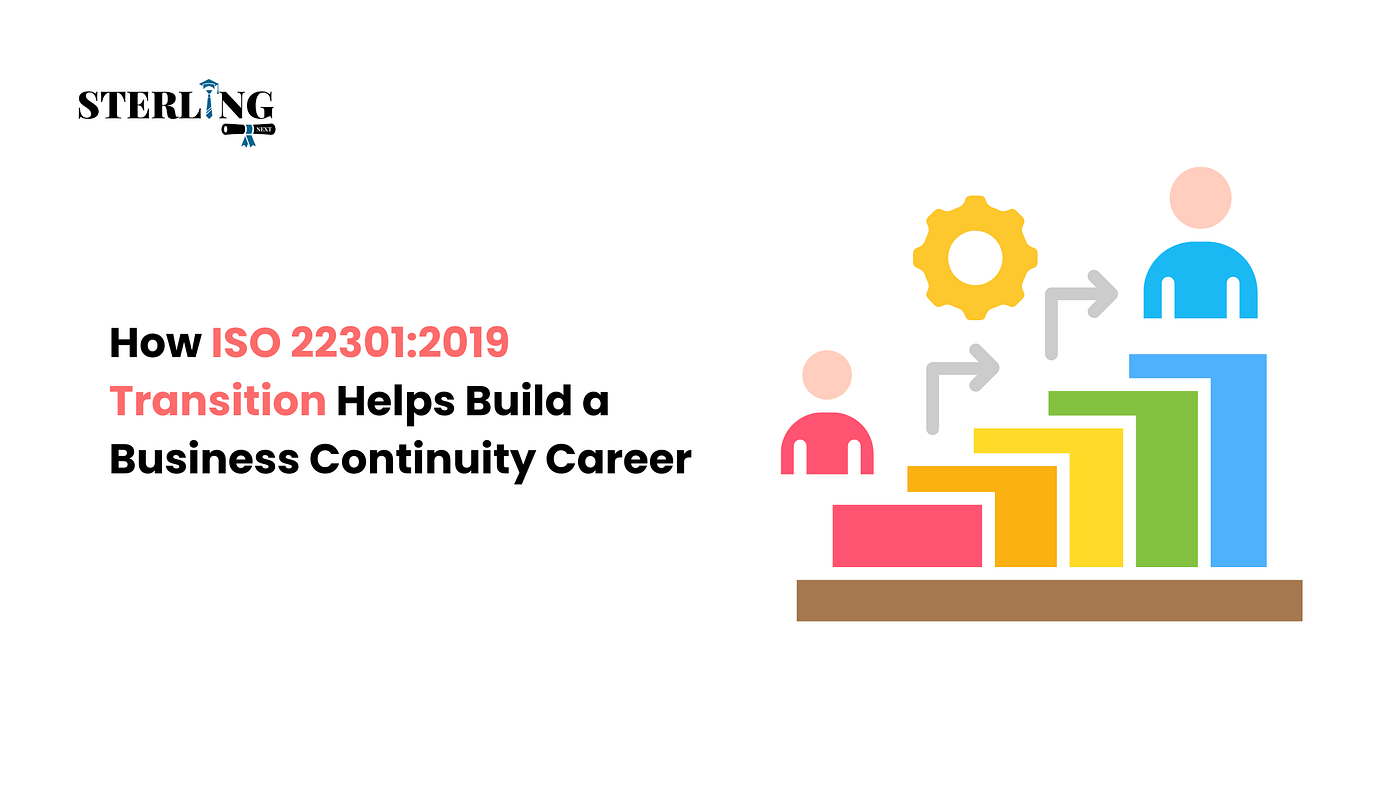
Organizations today need professionals who can ensure business operations continue during unexpected disruptions. Practical knowledge of updating Business Continuity Management Systems (BCMS) to meet the latest international requirements is becoming increasingly important. Professionals who understand transition planning and organizational resilience are in high demand across industries. **ISO 22301:2019 Transition Training** helps learners understand transition planning, compliance updates, risk assessment, and business resilience strategies. Whether you are an IT professional, compliance specialist, or risk manager, mastering ISO 22301:2019 Transition can strengthen your expertise and prepare you for business continuity roles across various industries.
What Is ISO 22301:2019 Transition?
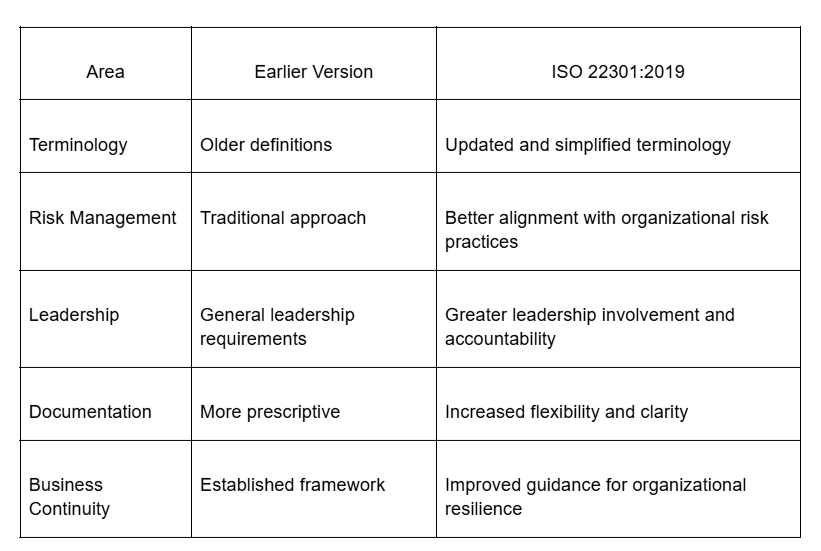
ISO 22301 is the international standard for Business Continuity Management Systems (BCMS). The 2019 version introduced updates that improve clarity, strengthen leadership responsibilities, and better integrate business continuity with organizational risk management.
The transition process involves updating an organization’s existing BCMS to comply with the revised standard. This requires reviewing current processes, identifying gaps, implementing improvements, and ensuring continued compliance through documentation and audits.
Professionals involved in this transition help organizations improve their preparedness for unexpected disruptions while maintaining critical business operations.
Why Organizations Are Transitioning to ISO 22301:2019
Modern organizations face a wide range of operational risks. Transitioning to ISO 22301:2019 helps businesses improve resilience while aligning with current international best practices.
Key reasons include:
- Improved organizational resilience
- Better alignment with modern risk management practices
- Stronger leadership involvement
- More effective incident response planning
- Easier integration with other ISO management systems
- Increased customer and stakeholder confidence
- Better regulatory and contractual compliance
Organizations across multiple industries now consider business continuity planning an essential business function rather than an optional process.
Key Skills You Gain During ISO 22301:2019 Transition
Learning the transition process helps professionals develop both technical and management skills.
Business Continuity Planning
Understanding how to design, update, and improve continuity strategies for different business scenarios.
Risk Assessment
Identifying operational risks and evaluating their potential impact on business activities.
Gap Analysis
Comparing existing business continuity processes with updated ISO requirements to identify improvement opportunities.
Incident Response Planning
Creating practical response procedures that minimize disruption during unexpected events.
Internal Auditing
Reviewing business continuity processes to verify compliance and identify corrective actions.
Documentation Management
Maintaining policies, procedures, records, and evidence required for an effective BCMS.
Stakeholder Communication
Supporting communication before, during, and after business disruptions.
Comparison of Earlier Version and ISO 22301:2019
Career Opportunities After Learning ISO 22301:2019 Transition
Organizations increasingly seek professionals who understand business continuity and operational resilience. If you are planning your **Business continuity career roadmap**, learning ISO 22301:2019 Transition can help you build the knowledge and practical skills required for a variety of professional roles.
Career opportunities include Business Continuity Analyst, Business Continuity Coordinator, Risk Management Specialist, Compliance Officer, Internal Auditor, ISO Consultant, Governance, Risk, and Compliance (GRC) Analyst, Information Security Professional, Operational Risk Analyst, and Disaster Recovery Coordinator.
Many organizations integrate business continuity responsibilities with cybersecurity, information security, and enterprise risk management functions, making these skills valuable across multiple industries.
Industries Hiring Business Continuity Professionals
Knowledge of ISO 22301 is valuable across many sectors.
Financial Services
Banks and insurance companies require continuity planning to maintain customer services during disruptions.
Information Technology
IT organizations use BCMS to protect critical infrastructure and cloud services.
Healthcare
Hospitals and healthcare providers rely on business continuity to maintain patient care.
Manufacturing
Manufacturers reduce production downtime through structured continuity planning.
Government
Public sector organizations strengthen emergency preparedness and essential public services.
Telecommunications
Service providers maintain communication infrastructure during unexpected incidents.
Energy and Utilities
Business continuity supports uninterrupted delivery of essential services.
How ISO 22301 Supports Career Growth
Professionals with ISO 22301 transition knowledge often become involved in cross-functional business improvement projects.
Benefits include:
- Increased understanding of organizational resilience
- Improved risk management capabilities
- Experience with internationally recognized standards
- Better problem-solving skills
- Greater opportunities in compliance and governance roles
- Expanded responsibilities within business continuity teams
Because many organizations integrate ISO standards, professionals familiar with ISO 22301 often collaborate with teams working on ISO 27001, ISO 9001, and ISO 31000 initiatives.
Practical Steps to Get Started
If you’re beginning your business continuity journey, consider the following approach:
Learn BCMS Fundamentals
Understand the purpose of Business Continuity Management Systems and organizational resilience.
Study the ISO 22301 Requirements
Become familiar with the structure, terminology, and key clauses introduced in the 2019 version.
Understand Business Impact Analysis
Learn how organizations identify critical business activities and prioritize recovery.
Practice Risk Assessment
Develop experience identifying threats, vulnerabilities, and potential business impacts.
Explore Real-World Case Studies
Review examples of organizations responding to cyber incidents, natural disasters, or operational failures.
Learn Internal Audit Techniques
Understanding audits helps verify compliance and identify opportunities for continual improvement.
Technical Knowledge That Complements ISO 22301
Professionals often strengthen their expertise by learning related topics such as:
- Information Security Management
- Risk Management
- Disaster Recovery Planning
- Cybersecurity Fundamentals
- IT Service Management
- Governance, Risk, and Compliance (GRC)
- Cloud Security
- Incident Management
These complementary skills improve both technical capability and career flexibility.
Best Practices for Success
Professionals working with ISO 22301 should focus on continuous improvement rather than documentation alone.
Staying informed about evolving business risks, participating in business continuity exercises and simulations, improving communication and leadership skills, learning from real incident reports, collaborating closely with IT, compliance, and operational teams, and keeping business continuity plans updated as organizations evolve are all essential practices.
Developing practical experience alongside theoretical knowledge strengthens professional capabilities and creates better career opportunities.
These best practices also support **Career Development Corporate Solutions** by helping organizations build resilient teams with the knowledge and skills needed to manage business continuity effectively.
Conclusion
Business continuity is becoming a core function for organizations operating in an increasingly unpredictable environment. Understanding the ISO 22301:2019 Transition process allows professionals to contribute to organizational resilience, regulatory compliance, and operational stability. Whether you are starting a career in business continuity or expanding your expertise in risk and compliance, developing these skills can open opportunities across multiple industries. For those looking for structured learning and practical guidance, SterlingNext offers training resources that can help you build a strong foundation in ISO 22301:2019 Transition and business continuity management.
메타데이터
- post_id
- cecae8d3b3ca
- slug
- how-iso-22301-2019-transition-helps-build-a-business-continuity-career-cecae8d3b3ca
- url
- https://medium.com/@gashokkumar0305/how-iso-22301-2019-transition-helps-build-a-business-continuity-career-cecae8d3b3ca
- canonical_url
- https://medium.com/@gashokkumar0305/how-iso-22301-2019-transition-helps-build-a-business-continuity-career-cecae8d3b3ca
- author_url
- https://medium.com/@gashokkumar0305
- status
- ok
- fetched_at
- 2026-07-26 08:41:40