The Secret to Making Learning at Home Enjoyable for Primary School Children
It’s 6:30 pm. Dinner is almost ready.
The Secret to Making Learning at Home Enjoyable for Primary School Children
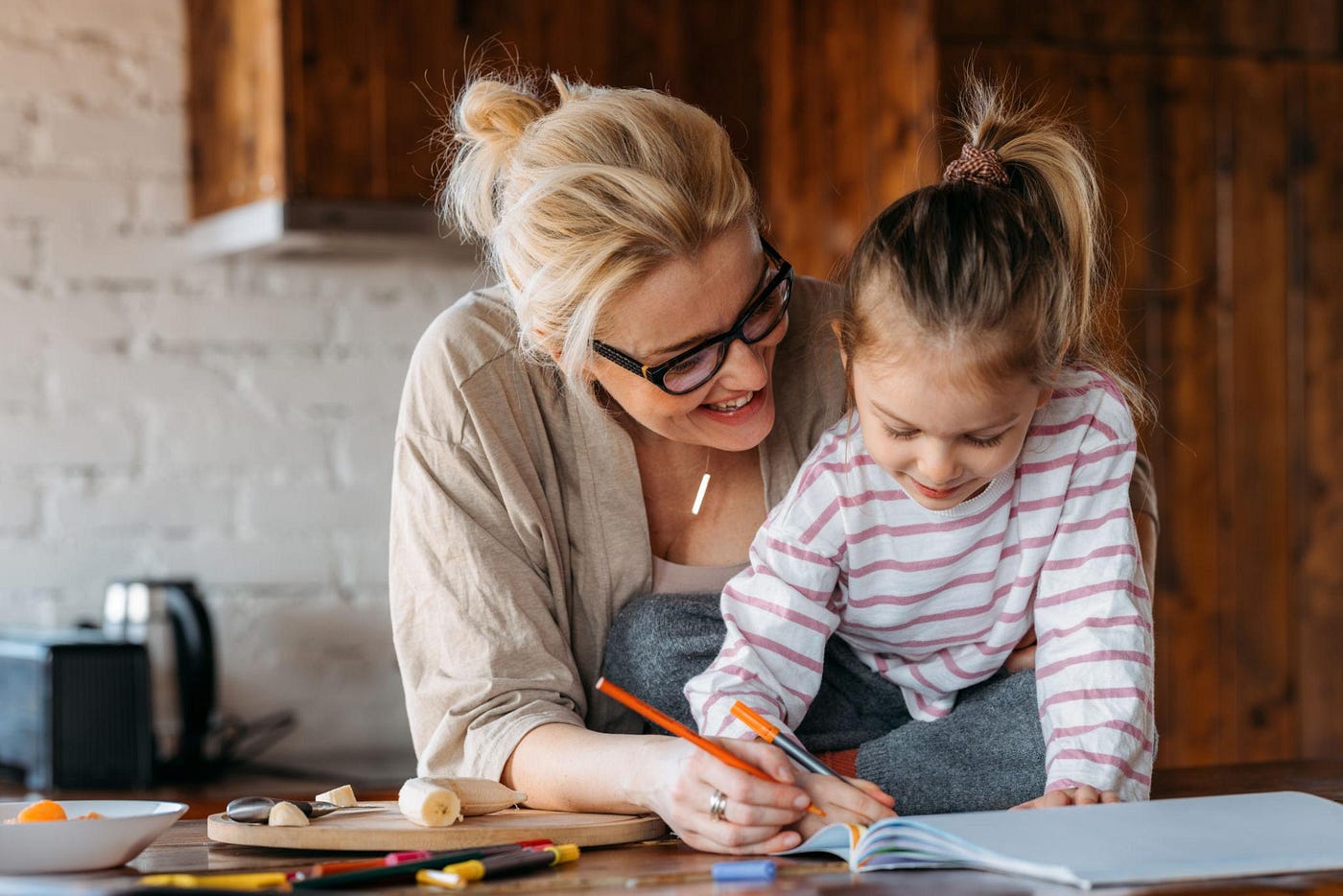
It’s 6:30 pm. Dinner is almost ready.
You ask your child to spend just 20 minutes on their maths homework.
Within seconds, they’re suddenly thirsty, hungry, tired, and somehow the family dog becomes the most interesting thing in the house.
If this sounds familiar, you’re far from alone.
Many parents worry that if they don’t encourage learning at home, their child will fall behind. At the same time, they don’t want every evening to end in frustration or arguments. It’s a difficult balance to strike.
Here’s the good news: children don’t naturally dislike learning. In fact, they’re born curious. They ask hundreds of questions, love discovering new things, and enjoy solving problems. Somewhere along the way, however, learning can begin to feel like a chore rather than an adventure.
The secret isn’t finding a magical study technique or buying expensive educational resources. It’s creating an environment where learning feels positive, achievable, and part of everyday life.
The good news is that you don’t need to completely change your family’s routine. Often, a few small changes in the way you approach learning can make a surprisingly big difference.
Start with One Simple Question
Many parents ask their children:
“Have you finished your homework?”
It’s a practical question, but it immediately makes learning feel like a task to complete.
Instead, try asking:
- “What was the most interesting thing you learned today?”
- “Can you teach me something new?”
- “What made you laugh in class?”
- “Was there anything that confused you today?”
These questions shift the focus from completing work to enjoying learning. They also encourage children to think about what they’ve understood rather than simply what they’ve finished.
Children love being the expert. When they explain something to you, they’re reinforcing their own understanding without even realizing it.
Learning Doesn’t Have to Look Like School
One of the biggest misconceptions parents have is that home learning should feel like another classroom.
It shouldn’t.
After spending six hours or more at school, most children need time to relax, move around, and recharge. Expecting them to sit at a desk for another hour often leads to resistance.
Instead, weave learning into everyday moments.
While baking together, ask your child to measure ingredients.
During a walk, count different types of birds or identify shapes in road signs.
At the supermarket, ask them to estimate the total cost of a few items before reaching the checkout.
These activities build maths, language, and problem-solving skills without feeling like “extra school.”
Small Steps Beat Long Study Sessions
When parents notice their child struggling, it’s tempting to increase study time.
Ironically, doing more often achieves less.
For most primary school children, 20–30 minutes of focused learning is far more effective than an hour of reluctant work.
Think of learning like exercising a muscle. Short, regular practice builds strength over time. Occasional marathon sessions usually leave everyone exhausted.
Consistency matters far more than perfection.

Celebrate Progress, Not Perfection
Imagine trying something new while someone pointed out every mistake you made.
You’d probably lose confidence quite quickly.
Children feel exactly the same.
Instead of focusing only on correct answers, notice the effort behind them.
Perhaps your child:
- Finished reading an entire chapter.
- Solved a maths problem independently.
- Remembered to use capital letters correctly.
- Kept trying even when a question felt difficult.
These small achievements deserve recognition because they’re building habits that will benefit your child long after primary school.
Imagine your child spends ten minutes trying to solve one maths problem. Last month, they would have given up after two minutes. Today, they keep going and eventually get it right. That’s a moment worth celebrating, not just because they found the correct answer, but because they showed perseverance and built confidence in their own ability.
Confidence grows when children believe that effort matters just as much as results.
Give Children a Sense of Choice
Children naturally resist being controlled, but they respond much better when they feel involved.
Instead of saying:
“Go and do your homework now.”
Try offering choices:
- “Would you like to start with reading or maths?”
- “Shall we work at the kitchen table or in the garden?”
- “Would you rather do twenty minutes now or after dinner?”
The work remains the same, but giving children some control makes them far more willing to participate.
Make Mistakes Feel Normal
One reason children avoid homework is fear.
Fear of getting the answer wrong.
Fear of disappointing you.
Fear of looking “not clever.”
Yet mistakes are one of the most important parts of learning.
Some of the greatest discoveries in history happened because someone tried something that didn’t work the first time.
Remind your child that every incorrect answer is simply showing them what they need to learn next.
When parents stay calm about mistakes, children become more willing to tackle challenging work instead of avoiding it.
Practice Is What Builds Confidence
Think about learning to ride a bicycle. Reading about it or watching someone else isn’t enough, you become confident by practicing.
Learning works the same way. School introduces new ideas, but children build confidence by revisiting them at home. Whether it’s multiplication, grammar, reading comprehension, or handwriting, short, meaningful practice helps children remember what they’ve learned and use those skills with greater confidence.
When parents see their child struggling, it’s natural to think that more practice is the answer. In many cases, it is, but the right kind of practice makes all the difference.
Children learn best when they have regular opportunities to revisit what they’ve already learned in school. Short, focused activities that match their age and current level can strengthen understanding, build confidence, and help new skills become second nature. A little consistent practice often has a much greater impact than trying to do too much at once.
With so many websites, apps, and printable resources available, choosing the right materials can feel overwhelming. Look for resources that follow the UK primary curriculum, explain concepts clearly, and encourage children to think, explore, and apply what they’ve learned rather than simply rushing to finish.
For example Ethiza Learning’s Maths and English worksheets are designed to reinforce what children are already learning at school through curriculum-aligned activities that support regular, age-appropriate practice at home. Rather than replacing classroom teaching, they help parents build consistent learning habits without adding unnecessary pressure.
At the end of the day, the goal isn’t to give children more work, it’s to give them better opportunities to learn, practice, and grow in confidence.
Your Attitude Matters More Than You Think
Children notice how adults talk about learning.
If they constantly hear:
“Maths is really difficult.”
“I was never good at English.”
“Homework is boring.”
They may begin to believe those things about themselves.
Instead, try saying:
“Let’s work this out together.”
“I like how you kept trying.”
“That question was tricky, wasn’t it?”
These small changes help children see learning as something everyone continues to do, regardless of age.

Final Thoughts
Helping your child enjoy learning at home isn’t about creating the perfect timetable or turning every evening into another school day.
It’s about creating an atmosphere where questions are welcomed, mistakes are part of the process, and progress is celebrated one small step at a time.
Don’t expect everything to change overnight. Some children will still complain about homework from time to time, and that’s completely normal. The goal isn’t to make every study session exciting. It’s to help your child gradually build confidence, become more independent, and develop a positive attitude towards learning.
Whether you’re reading together before bedtime, solving everyday maths problems in the kitchen, or using structured resources like Ethiza Learning to reinforce classroom learning, every positive learning experience adds up.
After all, children may not remember every worksheet they complete, but they’ll remember how learning made them feel. If home learning becomes a time of encouragement instead of pressure, you’re not just helping them with today’s homework, you’re helping them build confidence, curiosity, and a love of learning that can stay with them for years to come.
메타데이터
- post_id
- cedded3dcf50
- slug
- the-secret-to-making-learning-at-home-enjoyable-for-primary-school-children-cedded3dcf50
- url
- https://medium.com/@ethizalearning/the-secret-to-making-learning-at-home-enjoyable-for-primary-school-children-cedded3dcf50
- canonical_url
- https://medium.com/@ethizalearning/the-secret-to-making-learning-at-home-enjoyable-for-primary-school-children-cedded3dcf50
- author_url
- https://medium.com/@ethizalearning
- status
- ok
- fetched_at
- 2026-08-10 18:11:42




