Improve working memory with brain stimulation? Hummbug!
TL;DR. A commercially available brain stimulation device called Humm claims to enhance working memory but the evidence is limited at best.
*Improve working memory with brain stimulation? H*ummbug!
TL;DR. A commercially available brain stimulation device called Humm claims to enhance working memory but the evidence is limited at best.
Non-invasive brain stimulation research is replete with claims that by applying a weak electric current to the scalp one can improve various clinical symptoms and cognitive abilities. However, improvements are often small, short-term, and hard to reproduce outside the lab.
*Humm*, however, appear to be the exception. According to their website:
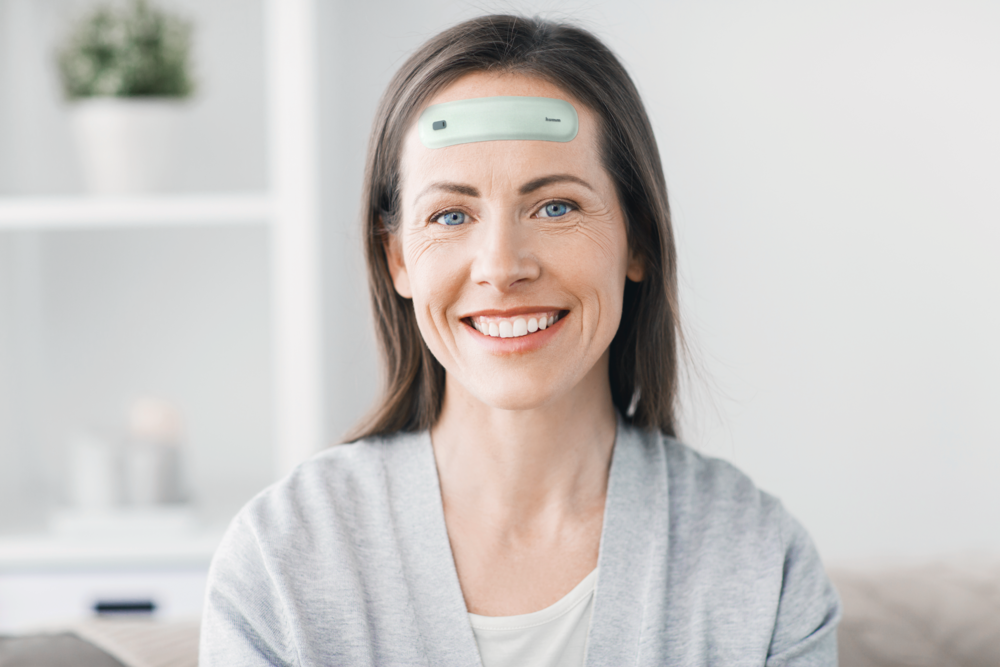
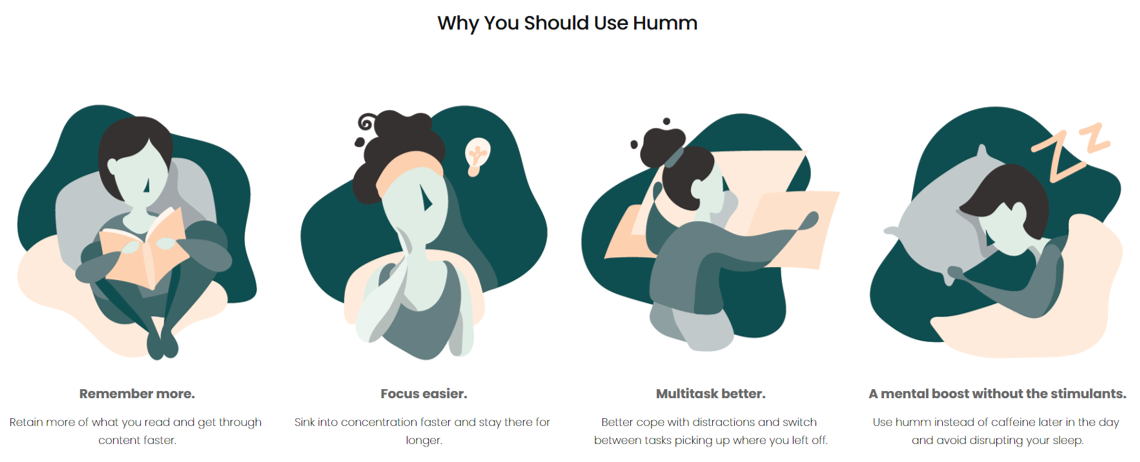
*Humm is a clinically proven wearable patch that improves your working memory[…*.]
Each patch […] provides up to two hours of improved mental performance […]

Use humm for activities that depend on your memory, such as reading, problem solving or learning a language or skill.
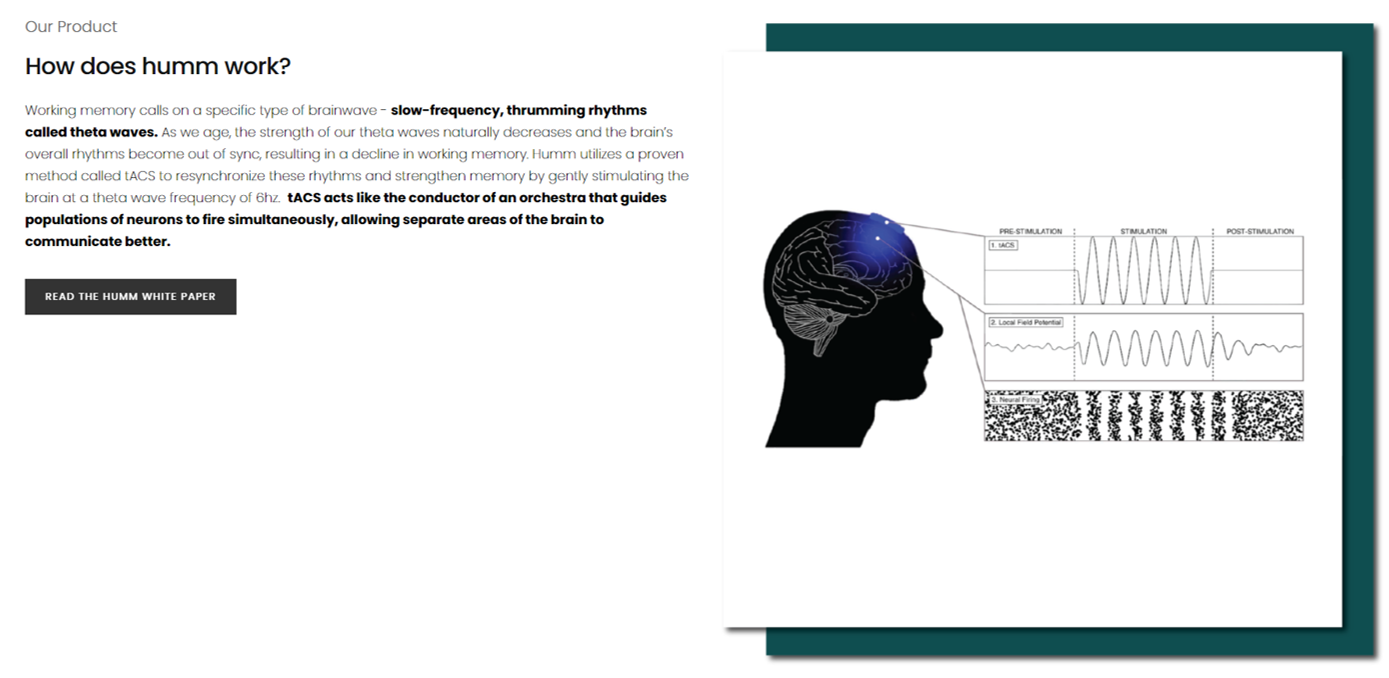
Humm utilizes a proven method called tACS to resynchronize these rhythms and strengthen memory by […] stimulating […] at[…] 6hz.
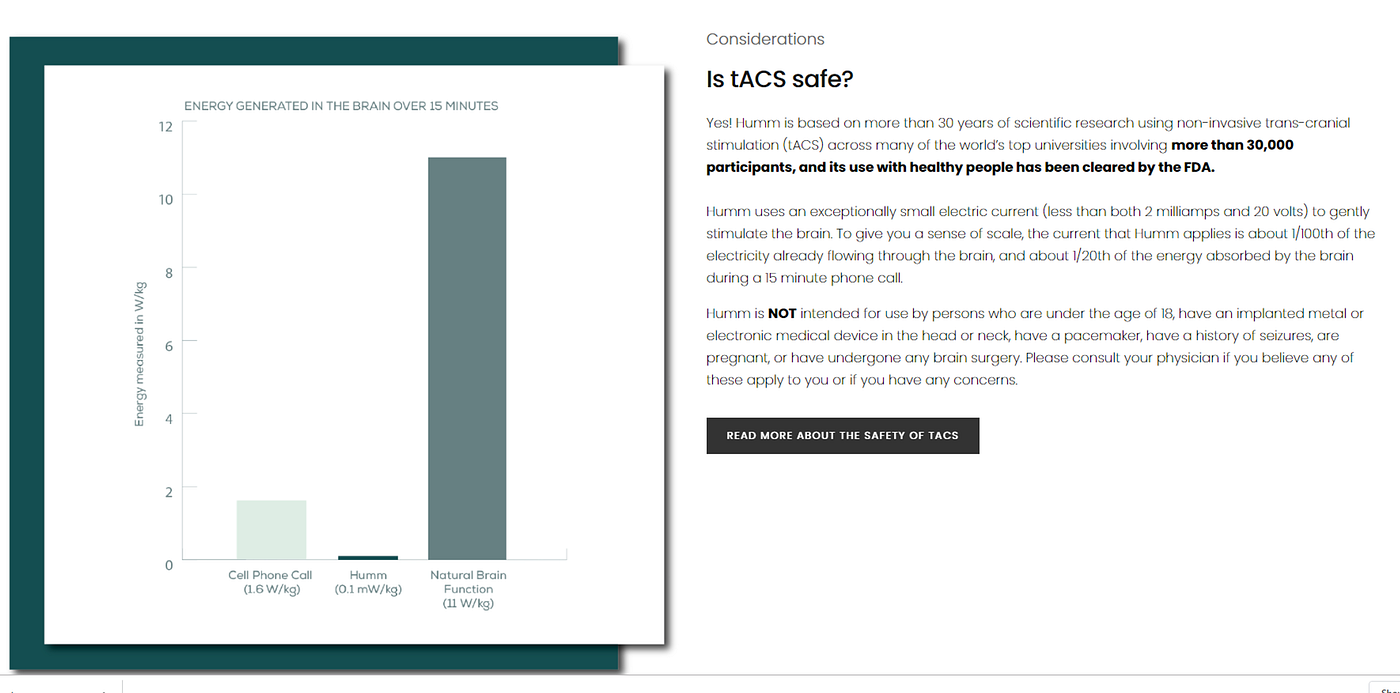
Humm is based on more than 30 years of scientific research using non-invasive trans-cranial stimulation (tACS)[…] involving more than 30,000 participants, and its use with healthy people has been cleared by the FDA.
Is there any evidence to justify these claims?
First, can Humm improve working memory?
Only one empirical study has investigated humm stimulation, which is a non-peer-reviewed, double-blind, randomized placebo controlled trial carried out by the makers of humm.
In this study, 36 young adults (average age, 26 years) performed a Corsi block task immediately before, during and immediately after 15 minutes of humm (n=18) or placebo stimulation (n=18) administered over the left and right anterior prefrontal lobes (Fig 1a.).
In the Corsi task (Fig 1b.), blocks were displayed in a sequence on a computer screen, and participants were asked to reproduce each sequence in reverse order. The task began with a three-block sequence, which was increased in every trial and stopped until an incorrect response was given, at which point the highest number of blocks correctly reproduced was recorded (which humm interpret as the ‘maximum working memory capacity’).
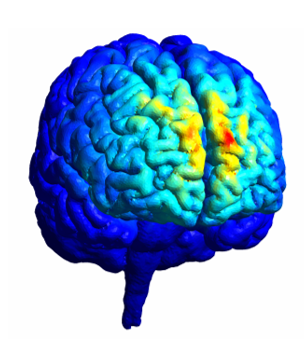
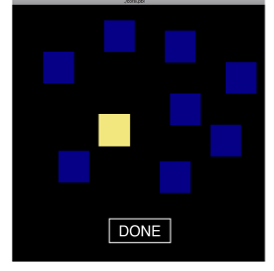
Fig 1. a) a computer mock-up simulation of where Humm is thought to stimulate; b) the reverse Corsi block-tapping task
**What did they find? **Humm reported that there was a
mean increase in maximum working memory capacity of 19.82%…during [humm] stimulation, an improvement 120 times greater than the natural learning effect observed in the control group.
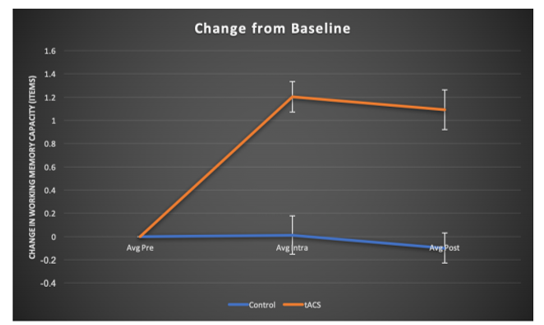
Fig 2. Effect of tACS on working memory performance during and after stimulation (error bars indicate standard error).
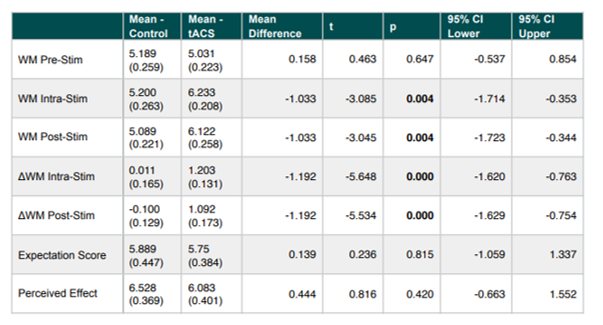
Fig 3. Results from independent samples t-tests between control and tACS groups. Performance scores refer to group mean of maximum working memory capacity (WM) in number of items, for each battery (pre- , intra- and poststimulation). Standard errors are provided in parentheses. Analysis of mean change in working memory capacity from baseline (ΔWM) is provided. Additionally, participant’s pre-stimulation expectation scores and post-stimulation perceived effect (self-reported ratings between 1–10) were compared between groups.
However, in absolute terms, participants remembered just one more item relative to placebo. Specifically, both during and in the 13 minutes after stimulation, the humm group could on average reproduce sequences containing ~6 blocks, which was roughly one more block than the placebo group could manage (see Fig 2 & 3).
Humm also reported that:
These differences became even more pronounced after stimulation
and on their website, it is stated that humm:
….provides up to two hours of improved mental performance.
However, in this study, the effect of humm (i.e., the one block advantage) was the same during and after stimulation. Because Corsi performance was only measured within the 13 minutes after stimulation had finished, we don’t know if the humm effect persisted for longer.
Finally, although humm reported an increase in
maximum working memory capacity
it should be stressed that this refers to one outcome measure of one task that is thought to measure predominantly one type of working memory (i.e., visuo-spatial working memory). No other measures/tasks were carried out and no other forms of working memory were measured.
In sum, these findings fall short of the interpretation by humm,
These results confirm the efficacy of humm to improve working memory performance with a high degree of confidence.
Second, does humm enhance theta-activity?
In the above study, the neurophysiological effects of humm stimulation were not measured, so it remains an open question whether humm can actually enhance theta-activity.
Only indirect evidence is provided by citing studies using tACS, a similar form of non-invasive brain stimulation to humm, as stated on their website:
Humm is based on more than 30 years of scientific research using non-invasive trans-cranial stimulation (tACS) across many of the world’s top universities involving more than 30,000 participants.
and by their CEO, Iain:
[embed]
[embed]
It should be noted that tACS studies occupy a relatively small area in brain stimulation research. One— albeit crude— way to see how small is to search PubMed using the term “transcranial alternating current stimulation”. At the time of publishing this blog, this search returned ~340 articles. More researched forms of brain stimulation, such as “transcranial direct current stimulation” (tDCS) or “transcranial magnetic stimulation” (TMS), returned roughly 4,300 and 15,700 articles, respectively. tACS studies applying theta stimulation to improve working memory are even rarer (e.g., the terms “transcranial alternating current stimulation” AND “theta” AND “working memory” return 17 articles).
Table 1 is a list of studies taken from the most recent systematic review and meta-analysis that attempted to quantify the neuroenhancing effect of tACS in 24 studies published between 2000 and 2016 (Schutter & Wischnewski, 2016). I have also added four studies cited by humm in their white paper and on their website that were not included in the meta-analysis.
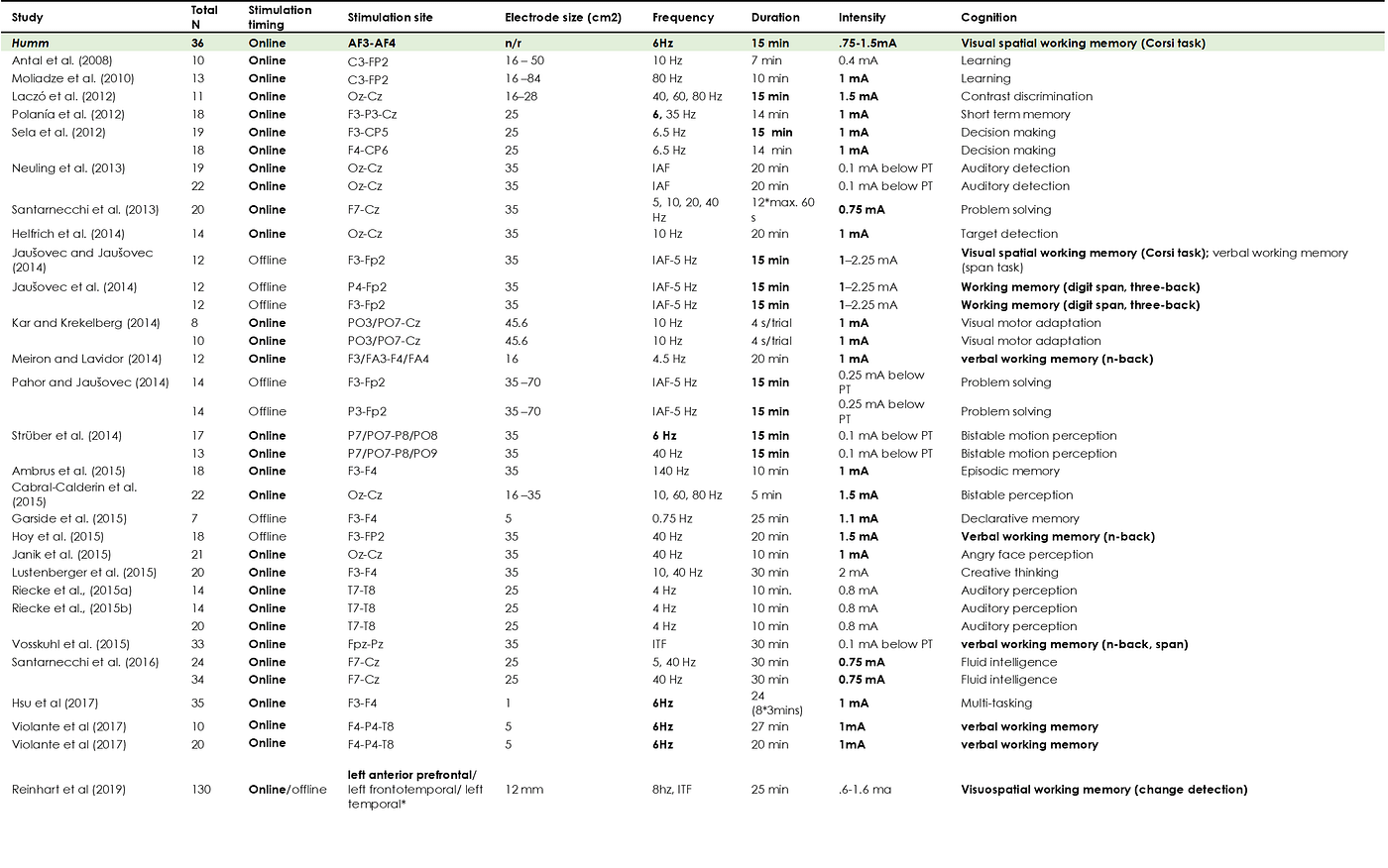
Table 1: Study characteristics of studies identified by Schutter & Wischnewski (2016) and four studies cited by humm. Legend: EF: Executive functioning; Exp.: Experiment; IAF: Individual EEG alpha peak frequency; ITF: Individual EEG theta peak frequency; PT: Perception threshold (i.e.. skin sensation orphosphenes). Electrode position according to the International 10–20 EEG System. Note: Electrode placement was guided by current-flow modeling using HD-Explore and HD-Targets (Soterix Medical), the electrodes were placed over E12, E27, E29, G32, L4, K5. Note: the meta-analysis searched databases between 2000 and 2016 (the year of publication). 2000 is roughly when the first paper was published investigating tDCS, a forerunner to tACS; hence the choice of start and end year. There might be more studies as I did not conduct a systematic review!*
The bold text shows that the overlap between humm and conventional tACS parameters is minor. Notably, humm are unique in their choice of target brain site. Using Fig 4 and Table 1, compare stimulation sites of published studies with those used by humm.
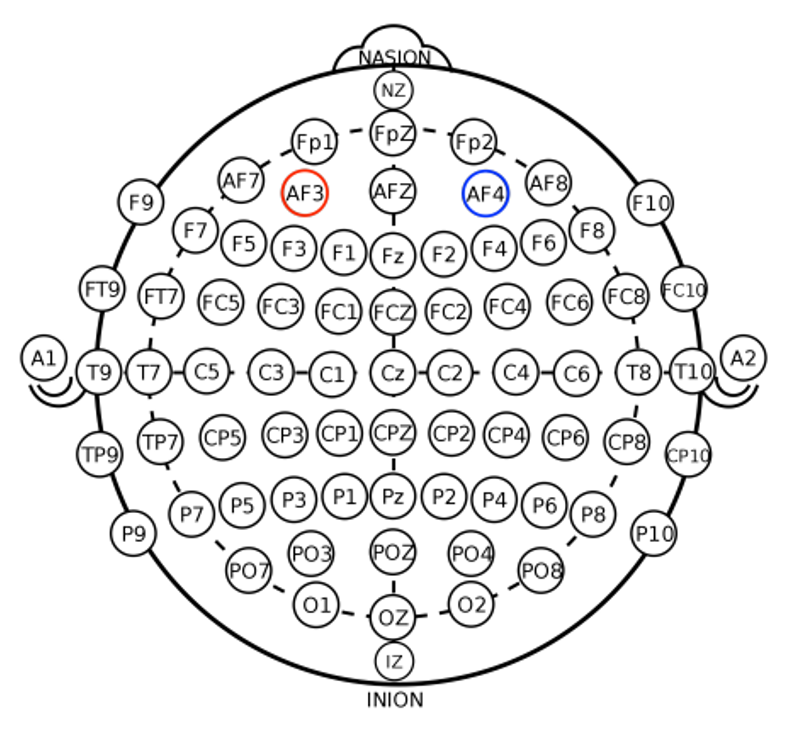
Fig 4. EEG electrode position according to the International 10–20 EEG System. Figure taken from humm’s white paper, which shows humm electrode placement over AF3-AF4
Thus, although humm may apply an alternating current transcranially, given that tACS studies are relatively few and far between, there is limited evidence that humm can enhance theta-activity with tACS. Additionally, inferring humm’s efficacy based on findings from conventional tACS studies is hampered by the fact that conventional tACS parameters differ from humm in many ways.
Please note: I am sure there are more tACS studies not included in Table 1. I haven’t done a systematic literature review, and rely instead on the published systematic review by Schutter & Wischnewski (2016) and the studies humm cited.
Third, would enhancing theta-activity enhance working memory anyway?
This question is inspired by a Neuroskeptic review of humm.
[embed]
He makes a really interesting point worth airing again:
Humm hits the prefrontal cortex with 6 Hz current, which is supposed to enhance theta oscillations. But the frequency of theta oscillations varies across individuals; the theta range is usually said to be 4–7 Hz. Very few people would have a theta frequency of ‘exactly’ 6 Hz….
If my personal theta frequency is, let’s say, 5 Hz, then adding a 6 Hz stimulation would seem more likely to disrupt the normal theta function, rather than helping it.
Even supposing that my theta frequency was precisely 6 Hz, then Humm stimulation might be in phase with my theta waves, enhancing them, but it would be equally likely to be out of phase and suppress them. There is evidence to suggest that the latter is the case.
He concludes that:
…a priori, there is no reason to assume a beneficial effect of this kind of stimulation.
Finally, can tACS even improve working memory?
Schutter & Wischnewski (2016) reported that when all 51 effects were pooled together, tACS led to a significant but small improvement in performance across disparate cognitive tasks compared to placebo. The magnitude of this effects was between 0.28 or 0.36 (see Fig 5.). A benchmark to interpret effect sizes is: 0.2, 0.5, 0.8 are small, medium and large effects, respectively (but see Lakens, 2013 to learn more about the limits to benchmarks).

Fig 5. Taken from Schutter & Wischnewski (2016), Table 2
Thus, a generous interpretation is that tACS can potentially improve performance on cognitive tasks overall, but the effect is small.
Unfortunately, the authors of the meta-analysis did not run a separate analysis focusing on working memory tasks, presumably because of the small number of studies and the heterogeneity in the type of task.
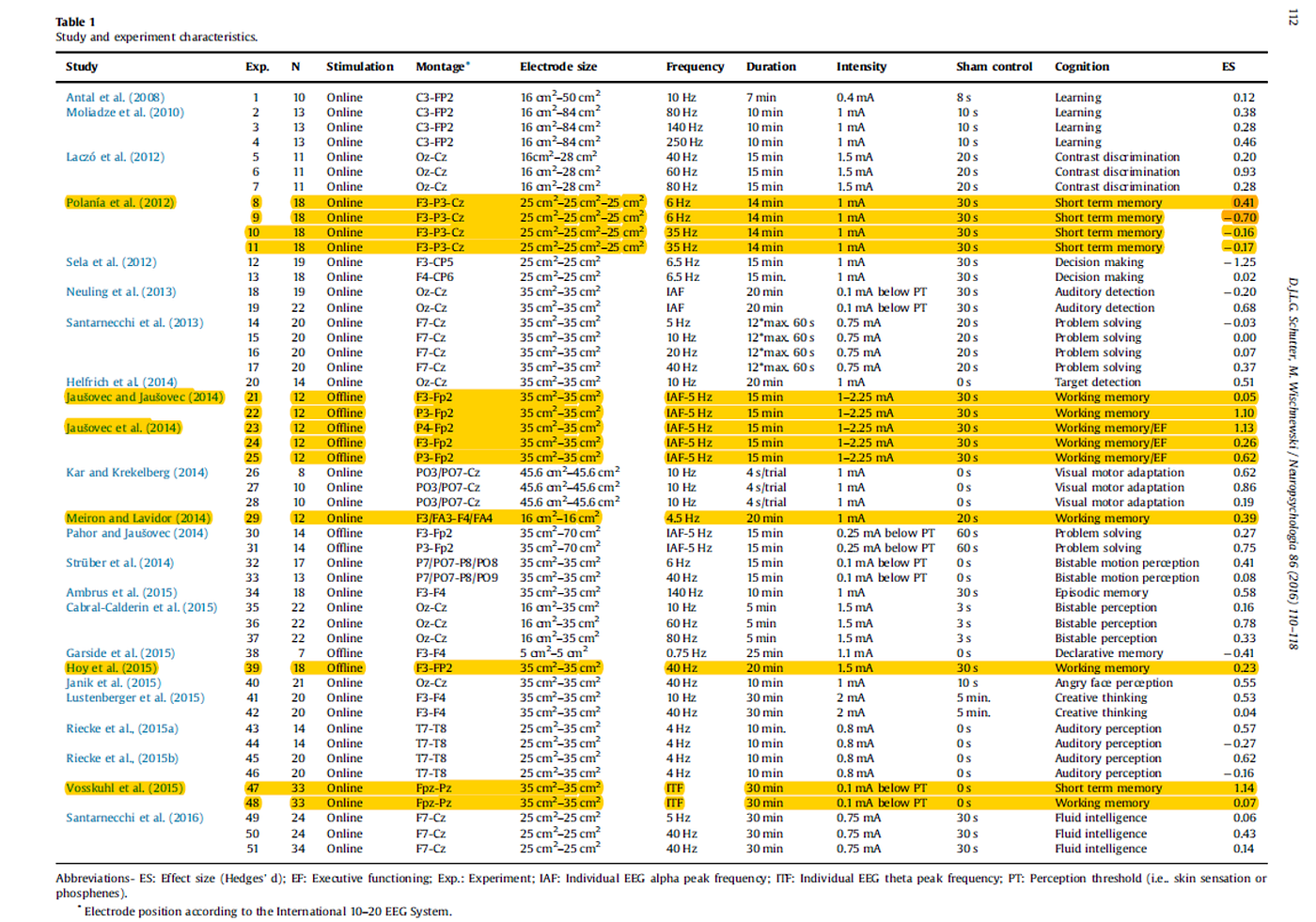
Fig 5. Taken from Schutter & Wischnewski (2016), Table 1
However, just by eyeballing the 13 reported effects, we see effect sizes ranging from -.7 to 1.14, with a median effect size of 0.26 and a mean effect size of 0.34 (see Fig 6.).
Thus, based on the latest meta-analysis, there is limited evidence that tACS can improve cognitive abilities in general or working memory for that matter in any clinically meaningful way.
Final thoughts
I agree with Neuroskeptic, where he says,
I have to say that Humm’s study pleasantly surprised me. I was expecting it to be some kind of half-baked study
and humm are not alone in their overexcited interpretation of their findings, the brain stimulation literature are the main culprits of this, as Chris Benwell says,
[embed]
I am also pleased to learn that humm are planning an independent replication:
[embed]
This replication will help verify their preliminary findings, providing it is done properly. This means: a direct replication, that is pre-registered, and is sufficiently powered — as I mentioned elsewhere:
[embed]
[embed]
[embed]
Finally, I look forward to humm’s response to Neuroskpetic.
[embed]
However, as it stands, the humm effect is small and unreplicated. The lack of sufficient overlap between humm and a similar form of brain stimulation — i.e., conventional tACS — means it is difficult to draw inferences about the efficacy of humm. Humm may enhance theta activity, but humm have not investigated this and there is limited evidence of theta enhancement from tACS studies. Finally, it is debatable that tACS applied at a fixed 6Hz theta can enhance theta and therefore working memory. In fact, there is limited evidence that tACS can even enhance working memory to an extent that is clinically meaningful.
In conclusion, until further investigation is done, the claims made by humm should strive for greater #transparency. I have taken the liberty to show them a few worked examples of how to do this, see Fig 7–9):
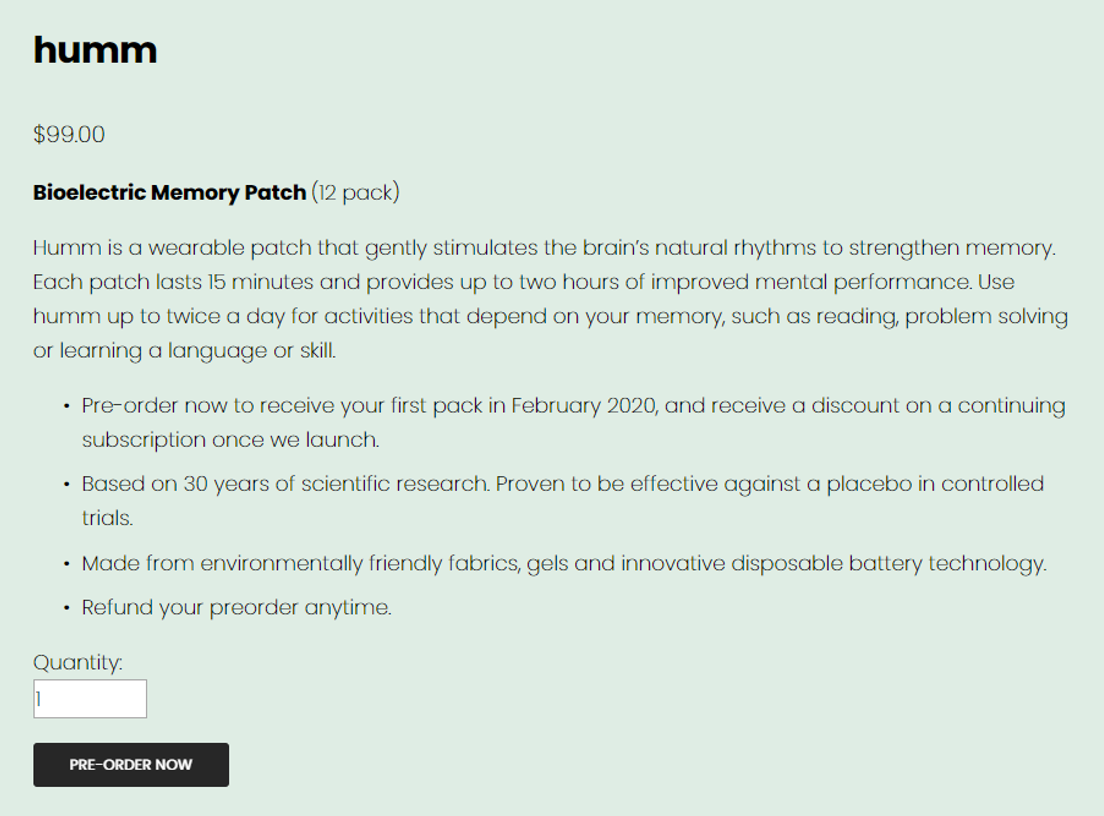
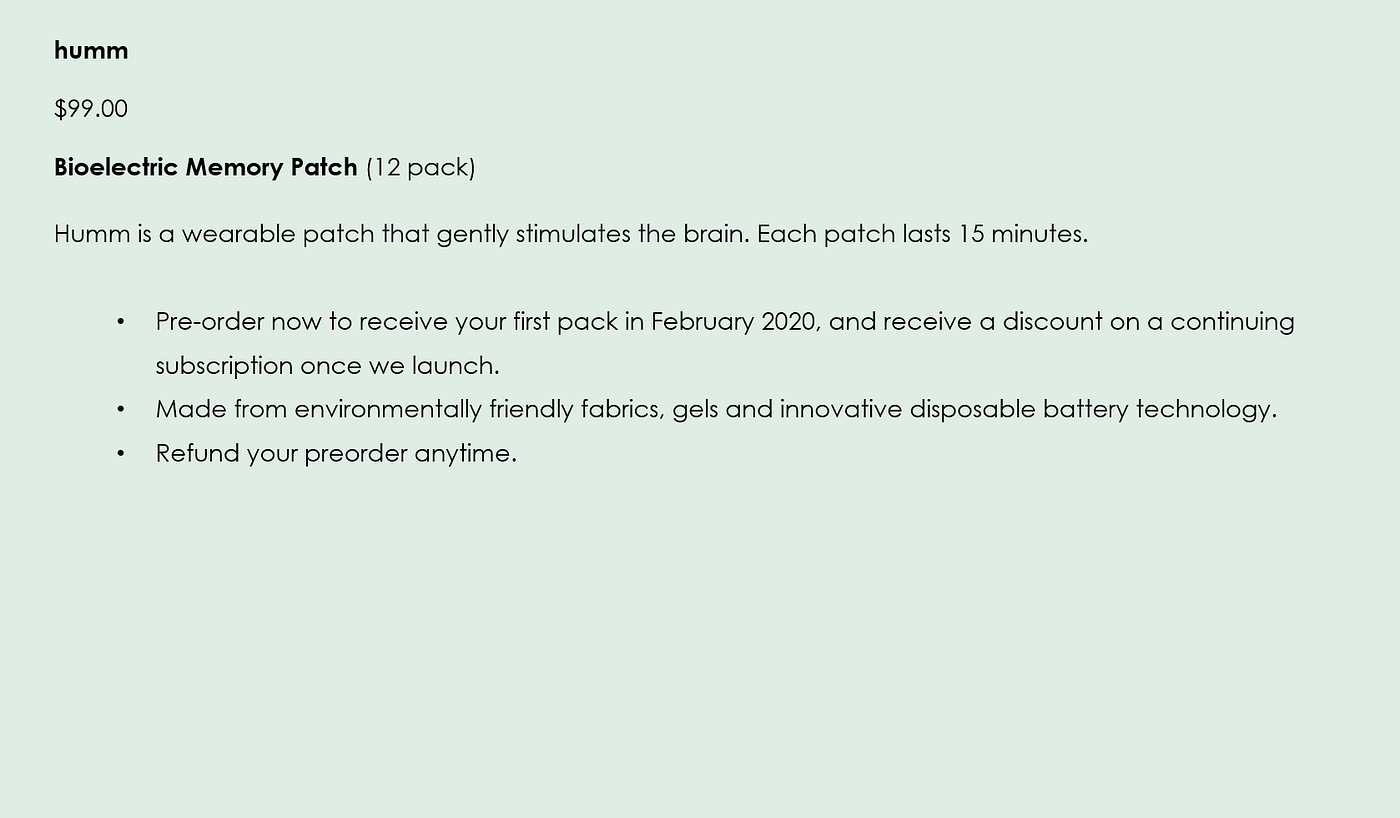
Fig 7. Left — humm shop https://thinkhumm.com/preorder; Right — my corrected version
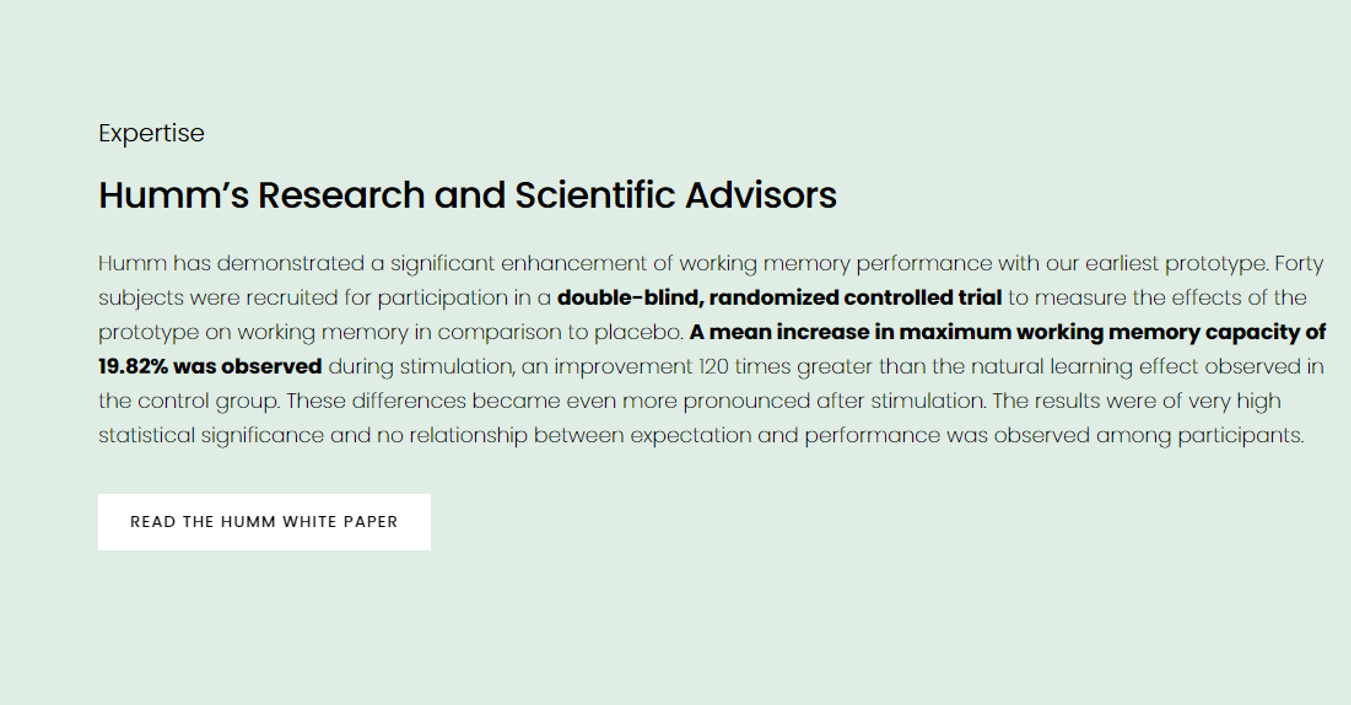
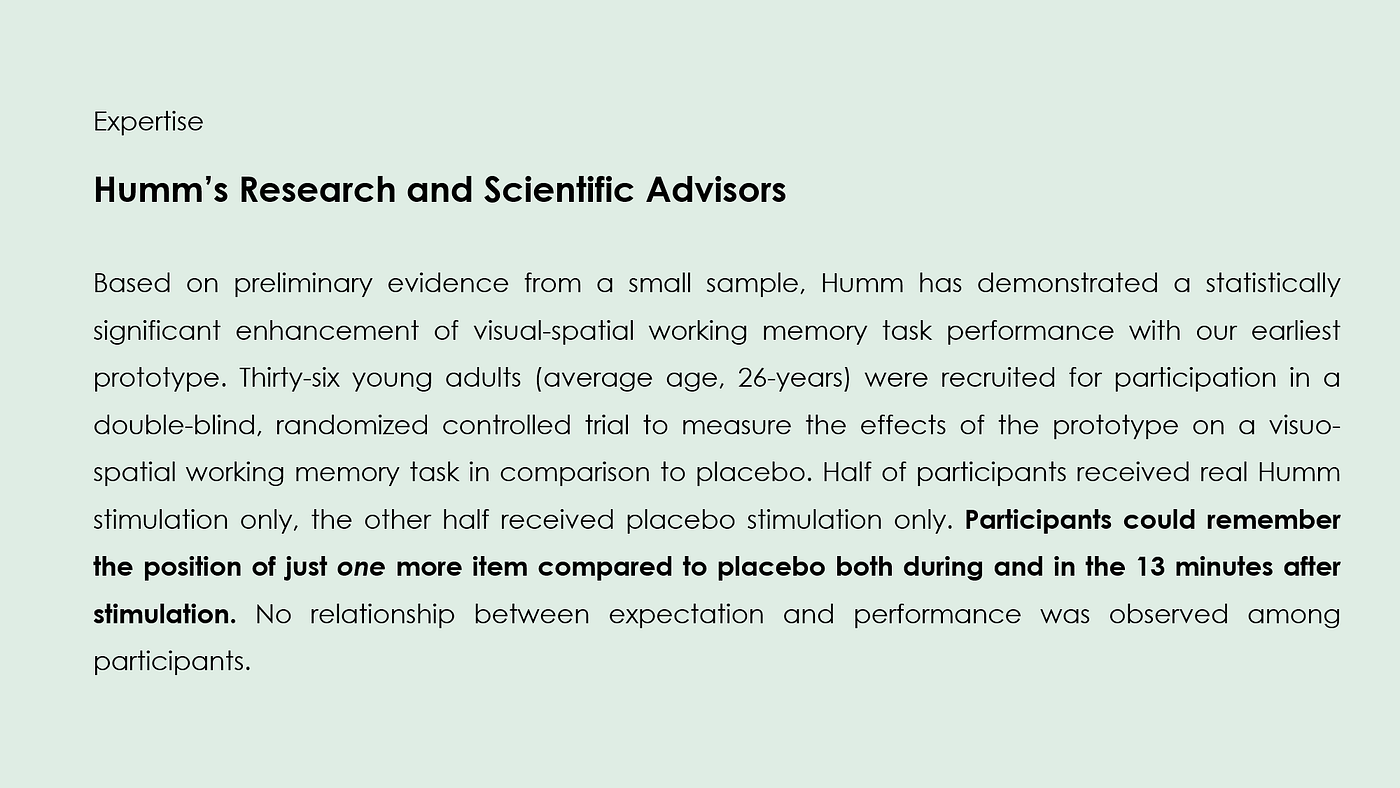
Fig 8. Left — science section of the humm webpage https://thinkhumm.com/science; Right — my corrected version
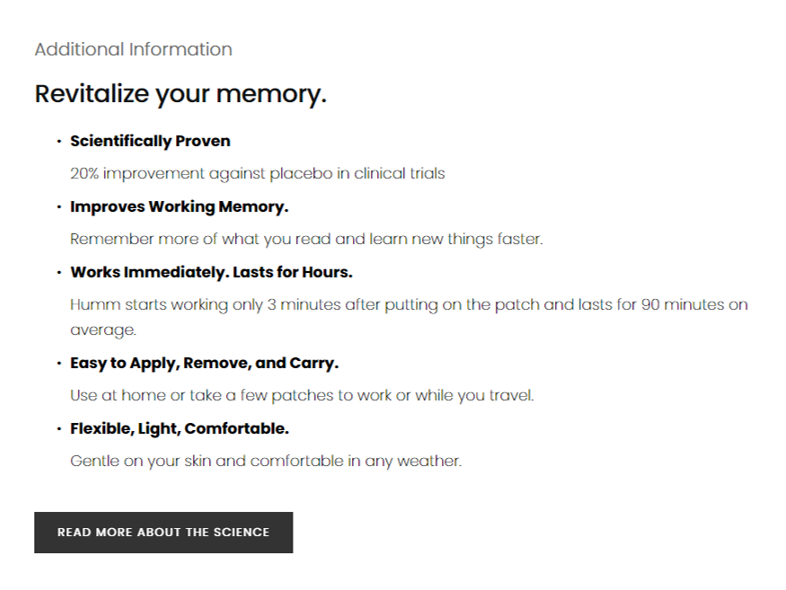

Fig 9. Left — humm shop https://thinkhumm.com/preorder; Right — my corrected version
References
Schutter, D. J., & Wischnewski, M. (2016). A meta-analytic study of exogenous oscillatory electric potentials in neuroenhancement. Neuropsychologia, 86, 110–118.
메타데이터
- post_id
- cf0ce7d2d7ed
- slug
- improve-working-memory-with-brain-stimulation-hummbug-cf0ce7d2d7ed
- url
- https://medium.com/@samuelwestwood/improve-working-memory-with-brain-stimulation-hummbug-cf0ce7d2d7ed
- canonical_url
- https://medium.com/@samuelwestwood/improve-working-memory-with-brain-stimulation-hummbug-cf0ce7d2d7ed
- author_url
- https://medium.com/@samuelwestwood
- status
- ok
- fetched_at
- 2026-07-29 14:15:06