How Embedded Software Engineering Impacts System Stability
Introduction: Why Stability Has Become a Software Problem
How Embedded Software Engineering Impacts System Stability
Embedded Software Engineering
Introduction: Why Stability Has Become a Software Problem
The modern world runs on embedded systems. They are inside cameras, energy meters, medical devices, vehicles, industrial machines, and consumer electronics. Most people don’t notice them until something goes wrong. When that happens, the price is almost never just a reboot. Lines of production stop. Safety systems don’t work right. People take back devices. Trust goes down.
This is the thing. Hardware is often blamed, but software choices are much more likely to be the cause of system instability. Embedded software engineering has evolved from basic control logic to intricate, enduring systems characterized by networking, security, user interfaces, and real-time constraints, paralleling the increasing capabilities of embedded platforms. Good hardware no longer makes things stable. It is the direct result of disciplined embedded software engineering.
Data from the industry makes this clear. Analysts think that more than 60% of embedded system failures in the field are caused by software problems instead of hardware problems. Every year, software bugs in car electronics cause billions of dollars in recalls and warranty claims. Industrial automation vendors say they see the same things happen: crashes that happen from time to time and states that aren’t clear are caused by timing problems, memory leaks, or bad fault handling in embedded software engineering workflows.
What this really means is easy to understand. Software should be treated as a first-class engineering field, not just something that is added on top of hardware if stability is important.
This blog explains how embedded software engineering affects system stability, where teams usually go wrong, and how disciplined embedded software services change the way real products work. We will use real-world examples from the industry, such as how teams like Silicon Signals work on stability-driven embedded development, along the way.
Understanding System Stability in Embedded Products
In embedded systems, system stability doesn’t mean that software never breaks. This means that the system works as expected in all situations and safely breaks down when something goes wrong. A stable embedded system starts up every time, runs for months or years without stopping, recovers from errors gracefully, and never goes into undefined states.
Embedded systems have strict limits that desktop and cloud software don’t have. Memory doesn’t last forever. Cycles of the CPU are very valuable. Power may not always be there. Signals from outside sources can be loud or hard to predict. Embedded software engineering exists to handle these situations without changing how the system works.
Stability is formed early on, well before a device is ready for production. The choices made about task scheduling, handling interruptions, allocating memory, designing drivers, and recovering from errors determine whether a system stays reliable or becomes less so over time. Embedded software services that only focus on delivering features and not on these foundations tend to send out products that look finished but don’t work as expected in the field.
Industry Reality: Why Stability Failures Are Increasing
Today, embedded systems can do a lot more than they could ten years ago. A smart camera doesn’t just take pictures anymore. It runs computer vision models, streams video over networks, updates firmware over the air, manages security certificates, and talks to cloud platforms. An industrial controller can now talk to more than one protocol, keep track of data, and show web dashboards.
Adding more layers makes things more complicated. More complicated things make edge cases more likely. Edge cases show where embedded software engineering practices could be better.
According to reports from companies that sell industrial automation, unmanaged complexity is the main reason for instability when embedded software stacks grow to more than a million lines of code. The number of electronic control units in cars has gone up, but the biggest problem is that they don’t work well together in software.
Embedded software services that aren’t built to last often use quick fixes, undocumented assumptions, and tightly coupled modules. These systems might pass the first tests, but they might not work after months of uptime, temperature changes, or noise from real-world signals.
About to move from prototype to production? Validate your embedded software architecture now and avoid costly stability failures after deployment. — Talk to us now
How Embedded Software Engineering Shapes Stability from Day One
Architecture Decisions That Either Contain or Multiply Risk
The architecture is the first step toward system stability. Writing code that works is only part of embedded software engineering. It’s about organizing software so that problems don’t spread.
A monolithic firmware image where everything shares global state might work at first. It becomes impossible to think about interactions over time. A bug in one module can mess up memory that another module uses. Changes in timing have unpredictable effects on the system.
Stable systems depend on keeping things separate. Responsibilities for tasks are clear. There are clear and limited ways for modules to talk to each other. We don’t guess what real-time behavior will be like; we model and test it. Software services that build in upfront architecture save a lot of time on debugging later.
Before any code is written, Silicon Signals’ stability-focused projects start with architectural reviews that map out how things can go wrong. The goal is not beauty. The goal is to be able to predict what will happen when things get tough.
Memory Management as a Stability Multiplier
One of the most common reasons for embedded instability is problems with memory. It is rare for fragmentation, leaks, stack overflows, and buffer overruns to show up right away. They show up after hours, days, or weeks of use.
Embedded software engineering teams that use dynamic allocation a lot without strict rules often cause failures that take a long time to happen. Heap fragmentation gets worse over time. Allocations don’t work. Tasks fail. Systems reset for no clear reason.
Early memory strategies are set by stable embedded software services. Static allocation is better when it’s possible. When dynamic allocation is needed, it is closely watched and controlled. We don’t guess the sizes of stacks; we measure them. Before corruption spreads, guard patterns and runtime checks are used to find it.
This discipline is boring work. It’s also the difference between a system that works for a demo and one that works for years.
Real Time Behavior and Timing Discipline
Timing problems are hard to see and can cause a lot of damage. A task that sometimes misses a deadline might not fail right away. Instead, it causes jitter, slow responses, or cascading backlogs that make the system unstable over time.
To be good at embedded software engineering, you need to know a lot about scheduling, interrupts, and execution time. Real-time operating systems don’t magically fix timing issues. Bad task design on top of an RTOS can be worse than code that runs on bare metal.
To make systems stable, you need to measure execution times, set priorities on purpose, and test the worst-case scenarios. Embedded software services that don’t do this step often send out systems that work great in the lab but break down in the field when they are under load.
Software Quality Practices That Directly Improve Stability
Defensive Coding as a Design Philosophy
Defensive coding is not being negative. It’s realistic. The physical world is messy, and embedded systems interact with it.
Inputs are out of range. Sensors stop working. Networks lose packets. Power goes up and down. Embedded software engineering has to plan for things going wrong and deal with them directly.
Stable software checks inputs, return values, and makes sure that there are clear responses to unexpected situations. It keeps things from happening that aren’t defined. It keeps track of important error states. Embedded software services that focus on defensive coding make systems that fail in a way that is less catastrophic.
Testing Beyond Happy Paths
A lot of embedded systems pass tests for functionality but fail tests for stability. That’s because functional testing usually only checks for expected behavior.
To be stable, you need to do stress tests, long tests, and fault injection. What happens if a peripheral stops working in the middle of a transaction? What happens if the memory allocation doesn’t work? What happens if a job keeps running late?
Embedded software engineering teams that spend money on these tests find bugs that don’t show up during normal development. Field failures go down a lot when embedded software services include stability testing as a main feature.
Update Mechanisms and Stability Over the Product Lifecycle
When a system ships, it’s not done yet. There will always be firmware updates. Bad ways to update make things more unstable.
When designing embedded software, you need to think about safe updates, rollback strategies, and version compatibility. A failed update shouldn’t break a device. Systems should not be left in undefined states after partial updates.
Stable embedded software services plan out update paths just as carefully as they plan out how the software will work when it’s running. This is especially important for devices that are used in remote or dangerous places.
Is your embedded system stable enough for long-term deployment?
If not connect to expert engineers — Contact us
Embedded Software Engineering in Industries
Industrial Automation (IIOT)
Embedded controllers in factories run all the time. It’s costly to be down. Stability is not up for discussion.
Race conditions, endless queues, or resource starvation in embedded software are often to blame for industrial instability. Until production picks up or settings change, systems seem stable.
Teams that use disciplined embedded software engineering, with clear real-time guarantees and fault isolation, make controllers that last for years. Silicon Signals has seen for themselves how changing the way task models and memory are used in industrial gateways got rid of random resets that hardware teams had been trying to fix without success.
Automotive and Transportation
Embedded systems have to work in some of the most difficult places, like cars. Both hardware and software are stressed by extreme temperatures, vibrations, and electrical noise.
In this case, embedded software engineering affects stability by making sure that timing is always correct, handling redundancy, and having fail-safe states. A message that wasn’t sent or a state that got messed up can’t make someone act in a dangerous way.
In this area, embedded software services put a lot of emphasis on following standards, deterministic execution, and thorough validation. Here, stability problems aren’t just bugs. They are problems with safety.
Embedded Vision and Smart Devices
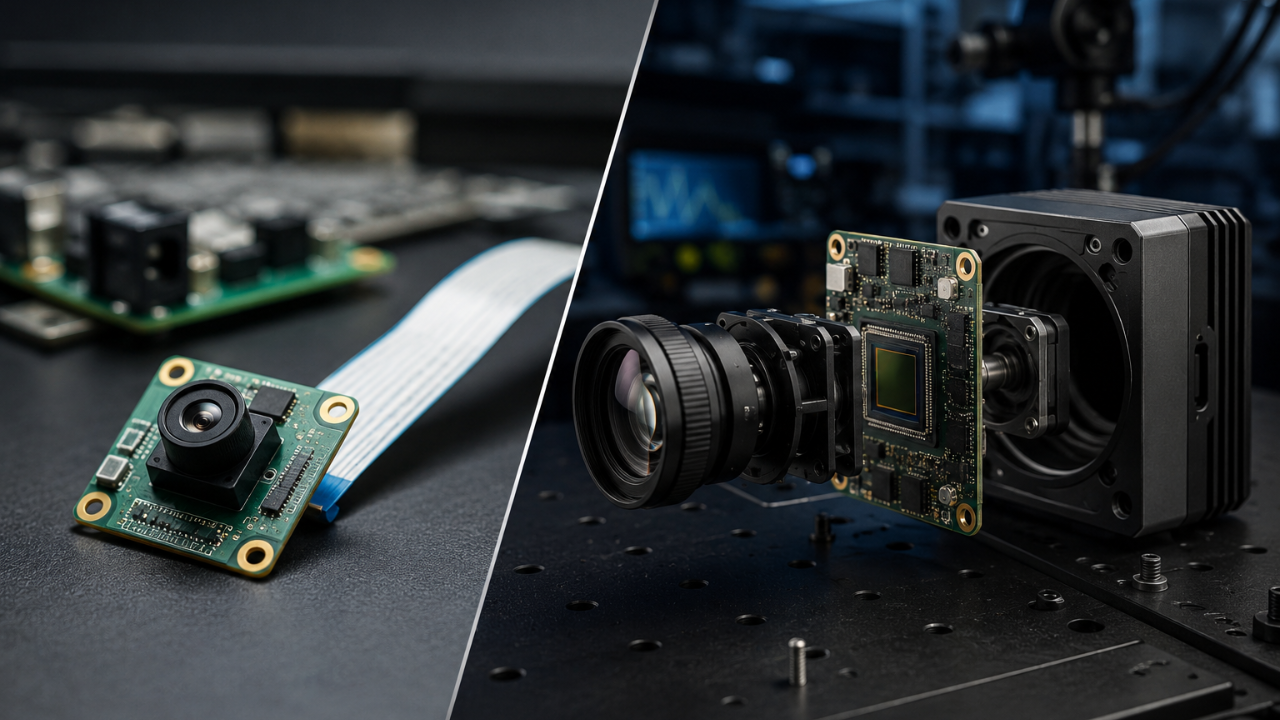
Cameras and vision systems push embedded platforms to their limits. Data with a lot of bandwidth, accelerators, and complicated pipelines run all the time.
Instability often shows up as frames that drop, memory that runs out, or drivers that get stuck. These are issues with the software, not the sensors.
Embedded software engineering that knows the whole stack, from drivers to middleware to applications, makes systems that keep working well over time. Silicon Signals has repeatedly stabilized camera systems by changing the way pipelines work and managing buffers directly instead of using default frameworks.
메타데이터
- post_id
- cf2f2b804469
- slug
- how-embedded-software-engineering-impacts-system-stability-cf2f2b804469
- url
- https://medium.com/@siliconsignals.io/how-embedded-software-engineering-impacts-system-stability-cf2f2b804469
- canonical_url
- https://medium.com/@siliconsignals.io/how-embedded-software-engineering-impacts-system-stability-cf2f2b804469
- author_url
- https://medium.com/@siliconsignals.io
- status
- ok
- fetched_at
- 2026-06-23 03:48:11