The Invisible Walls We Build In Senior Living
Why genuine friendship is so rare in retirement communities
The Invisible Walls We Build In Senior Living
Why genuine friendship is so rare in retirement communities
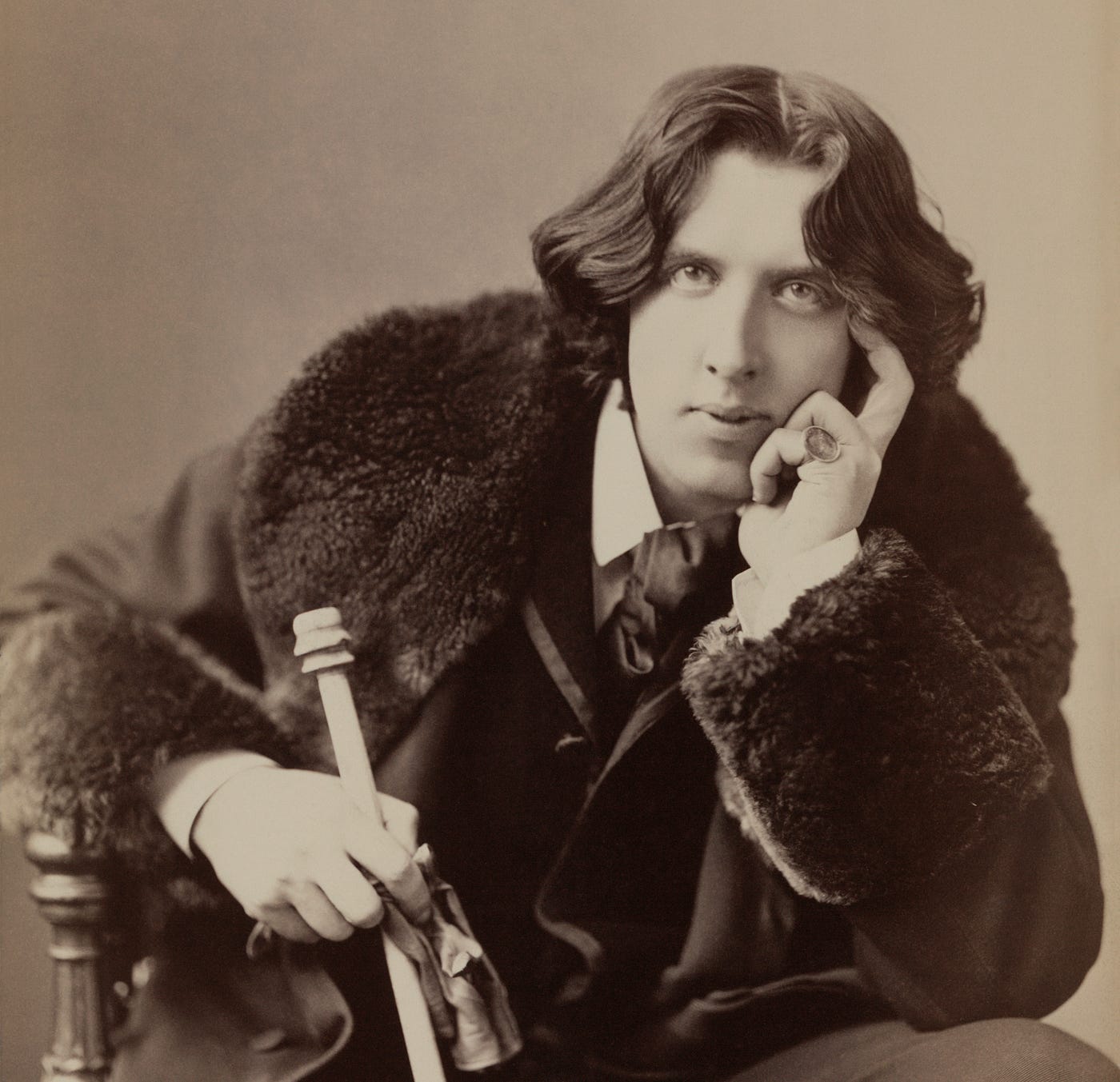
Photo by Eugene Chystiakov on Unsplash
Every day I eat with dozens of people here at Aging Acres, yet there are moments when I feel I scarcely know any of them.
One of the surprises of moving here has been discovering the complicated emotional landscape beneath what appears to be a friendly, carefree environment.
At first glance, places like this seem almost purpose-built for companionship. Meals are shared. Activities abound. Hallways are filled with familiar faces.
People greet one another by name. Loneliness, one might think, should have little chance to survive.
Barriers to Intimacy
Yet genuine intimacy seems rare. The paradox is that we live in one of the most communal environments imaginable while remaining, in many respects, emotionally private and separated people.
We are constantly in one another’s company, but seldom inside one another’s lives. I have begun to wonder why.
The answer lies partly in the nature of aging itself. Every resident here is navigating losses that are both visible and invisible. We have surrendered careers that once defined us. Many have buried spouses, siblings, and lifelong friends.
Bodies betray us with increasing regularity. Hearing fades. Balance becomes uncertain. Independence slowly becomes conditional rather than assumed.
Each of us is carrying a private inventory of diminishment. When people carry vulnerability with them every day, they become cautious about exposing still more of themselves.
So we construct barriers. Not walls high enough to isolate us completely, but low stone fences that politely signal, “You may come this far, but no farther.” The prevalence of small talk is one such barrier.
Topics to be Avoided
Another is the resistance to exploring more seriously topics that would seem pertinent to this stage of life. For example, when I asked a group at mealtime what they were thankful for in old age, I got nary a comment.
The barriers are rarely deliberate. They reveal themselves in the conversations we repeatedly have.
“How’s your day going?” ”Keeping busy?” ”The food wasn’t bad today.”
“Looks like it’s going to be hot.” ”Did you watch the game last night?”
These exchanges are not meaningless. They perform an important social function. They acknowledge one another’s existence. They create familiarity. They reduce social friction. They reassure us that we belong.
But they are the social equivalent of a handshake. They seldom become a hug.
Politeness Over Depth
Over time, I have noticed that our conversations rely heavily upon polite scripts and familiar clichés. “Can’t complain.” ”One day at a time.” ”Getting old isn’t for sissies.”
Everyone smiles because everyone has heard them dozens, perhaps hundreds, of times. These expressions function almost like passwords. They communicate membership more than information.
What they avoid is equally interesting.
Fear. Regret. Disappointment. Loneliness.
The discomfort of becoming increasingly dependent. The grief of watching one’s world gradually become smaller.
These subjects remain hidden away or rarely talked about.
Self Editing
Maybe this is understandable. Nobody wishes to become known as the gloomy resident who constantly discusses mortality. We all want to remain pleasant company.
So we edit ourselves.
We become acceptable versions of ourselves. The result is an atmosphere that is socially comfortable but emotionally thin.
This is not hypocrisy. It is self-protection.
I suspect we are all asking ourselves similar questions. Will people still value me if I no longer contribute much? Will others see me differently if I admit how frightened I sometimes feel? How much weakness can I reveal before becoming someone others quietly avoid?
These questions may never be spoken aloud, but they influence countless conversations. Ironically, the very thing most residents probably desire — a feeling of being genuinely known — is obstructed by the protective strategies nearly everyone employs.
Yet I have also witnessed moments when those barriers unexpectedly dissolve. Someone mentions missing a spouse. Another admits feeling useless after giving up driving, myself included. (Though lately I am finding its advantages: less anxiety while driving and more pleasure from sightseeing.)
Not every conversation needs to become profound. There is nothing wrong with discussing pancakes, baseball scores, or the weather. Everyday chatter oils the machinery of communal living. Without it, social life would become awkward and exhausting.
Community begins when people slowly entrust one another with pieces of themselves they could have kept hidden.
Perhaps that is the great challenge of places like this.
We all arrive carrying invisible wounds, diminished identities, and uncertain futures. Instinct tells us to protect ourselves behind polite conversation and well-rehearsed scripts.
Learning when, and with whom, to open the gate may be one of the last important skills that we elders must master.
This essay was written with the assistance of AI editing tools.
메타데이터
- post_id
- cf3bd66e6f49
- slug
- the-invisible-walls-we-build-in-senior-living-cf3bd66e6f49
- url
- https://medium.com/illumination/the-invisible-walls-we-build-in-senior-living-cf3bd66e6f49
- canonical_url
- https://medium.com/illumination/the-invisible-walls-we-build-in-senior-living-cf3bd66e6f49
- author_url
- https://medium.com/@sanfmark
- status
- ok
- fetched_at
- 2026-09-05 05:21:01