Top 5 Medical Devices That Depend on Rigid PCBs for Performance
In the modern medical industry, where precision, reliability, and compact design are paramount, printed circuit boards (PCBs) play a…
Top 5 Medical Devices That Depend on Rigid PCBs for Performance
In the modern medical industry, where precision, reliability, and compact design are paramount, printed circuit boards (PCBs) play a critical role. Among the various types of PCBs, rigid flex rigid PCB configurations have become an essential component in advanced medical electronics. These hybrid boards combine the durability of rigid boards with the adaptability of flexible circuits, making them ideal for compact and mission-critical healthcare applications.
In this article, we’ll explore the top five medical devices that depend on rigid PCBs for their performance, examine how these components enhance functionality, and highlight what to look for in a rigid flex PCB manufacturer to meet the high demands of the medical field.
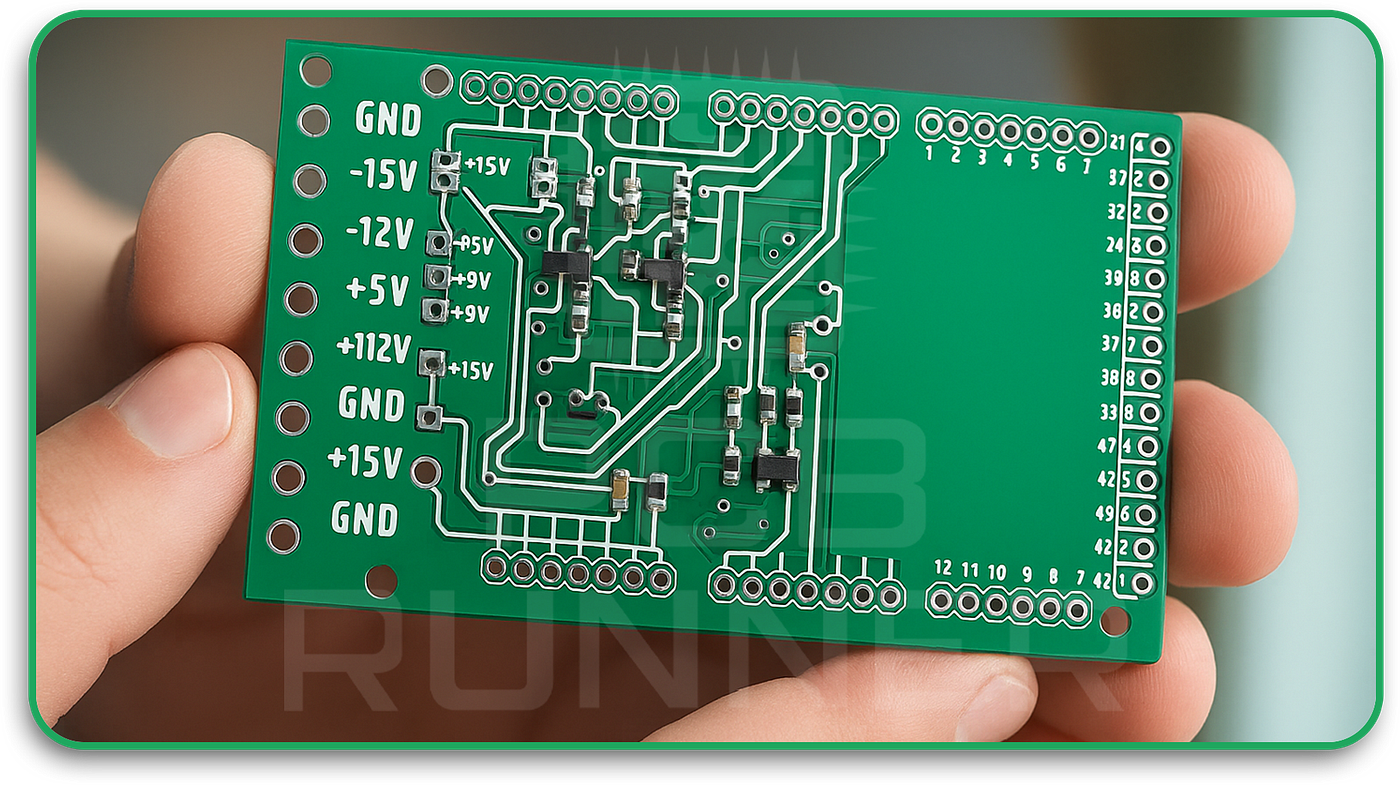
Understanding Rigid Flex Rigid PCBs in Healthcare
Rigid flex rigid PCBs consist of multiple layers of rigid and flexible substrates laminated together. This design allows for complex circuitry, three-dimensional configurations, and high reliability — making them a perfect choice for life-saving and diagnostic devices.
Benefits of Rigid Flex Rigid PCB in Medical Devices
- Compact form factor: Perfect for space-constrained environments inside medical equipment.
- Durability: Withstand physical stress, temperature variations, and sterilization processes.
- Reduced interconnects: Fewer solder joints mean fewer potential points of failure.
- Improved signal integrity: Enhanced performance in data-intensive applications.
1. Pacemakers and Implantable Devices
One of the most life-critical applications of rigid flex rigid PCBs is in implantable medical devices like pacemakers and neurostimulators. These devices must perform flawlessly for extended periods within the human body.
How PCBs Contribute:
- Flexibility enables fitting into the compact cavity of the chest.
- Biocompatible and durable materials withstand long-term implantation.
- Stable connections ensure reliable electrical performance over years.
2. Medical Imaging Equipment (MRI, CT Scanners)
High-end imaging systems like MRI and CT scanners demand precision signal transmission, minimal interference, and robust data processing capabilities. Rigid PCBs form the backbone of the control units, imaging panels, and signal amplifiers.
Key PCB Features:
- Multi-layer boards for complex signal routing.
- EMF shielding to reduce signal noise.
- Rigid boards offer stability for large-scale configurations.
3. Patient Monitoring Systems
Devices such as ECG monitors, blood pressure units, and wearable health trackers depend on rigid flex rigid PCBs to achieve portability, accuracy, and long battery life.
Why Rigid Flex Rigid PCBs Work Best:
- Flex sections allow for ergonomic and wearable designs.
- Rigid segments maintain robust housing for power units and displays.
- Boards withstand continuous data collection and movement.
4. Endoscopic Equipment
Endoscopes and laparoscopic tools demand miniaturized yet high-performance electronics. These tools enter the human body and deliver real-time video and sensor data.
PCB Design Challenges Solved:
- Tight bending radius enables thin and flexible probe insertion.
- Rigid areas support video processing units and light sources.
- High reliability is vital for one-time-use or sterilizable devices.
5. Hearing Aids and Cochlear Implants
Hearing aids require extremely small, lightweight PCBs that can still deliver powerful audio processing and wireless communication in a small shell.
PCB Solutions Provided:
- Micro rigid flex rigid PCBs allow seamless integration into ear molds.
- Energy efficiency is improved by reducing signal losses.
- Built-in antennas and DSP chips are supported with minimal wiring.
Choosing the Right Rigid Flex PCB Manufacturer
Selecting a rigid flex PCB manufacturer is crucial in the medical field. A trusted partner ensures the PCBs meet not only performance standards but also strict healthcare regulations. When choosing a partner, consider:
- Experience in medical-grade PCB production
- ISO 13485 and IPC Class 3 certifications
- Cleanroom assembly capabilities
- Expertise in prototyping and mass production
- Ability to offer custom design solutions
Key Takeaways
- Rigid flex rigid PCBs are indispensable in modern medical devices that require precision, compactness, and high reliability.
- Devices like pacemakers, imaging machines, monitors, endoscopes, and hearing aids rely on this hybrid PCB technology.
- The right rigid flex PCB manufacturer ensures compliance, performance, and longevity in healthcare electronics.
Final Thoughts
As medical devices continue to evolve with smarter designs and miniaturized capabilities, the importance of reliable and versatile PCB technology cannot be overstated. For manufacturers and engineers looking to stay ahead in the healthcare technology market, leveraging rigid flex rigid PCB solutions is no longer optional — it’s a necessity.
If you’re seeking high-quality PCB solutions tailored for advanced medical devices, PCB Runner provides expert manufacturing and design support that meets industry standards. With their commitment to innovation, quality, and customer success, they’re a trusted partner in bringing your next healthcare breakthrough to life.
메타데이터
- post_id
- cf479a0f6b8e
- slug
- top-5-medical-devices-that-depend-on-rigid-pcbs-for-performance-cf479a0f6b8e
- url
- https://medium.com/@pcbrunner/top-5-medical-devices-that-depend-on-rigid-pcbs-for-performance-cf479a0f6b8e
- canonical_url
- https://medium.com/@pcbrunner/top-5-medical-devices-that-depend-on-rigid-pcbs-for-performance-cf479a0f6b8e
- author_url
- https://medium.com/@pcbrunner
- status
- ok
- fetched_at
- 2026-08-11 17:35:36


