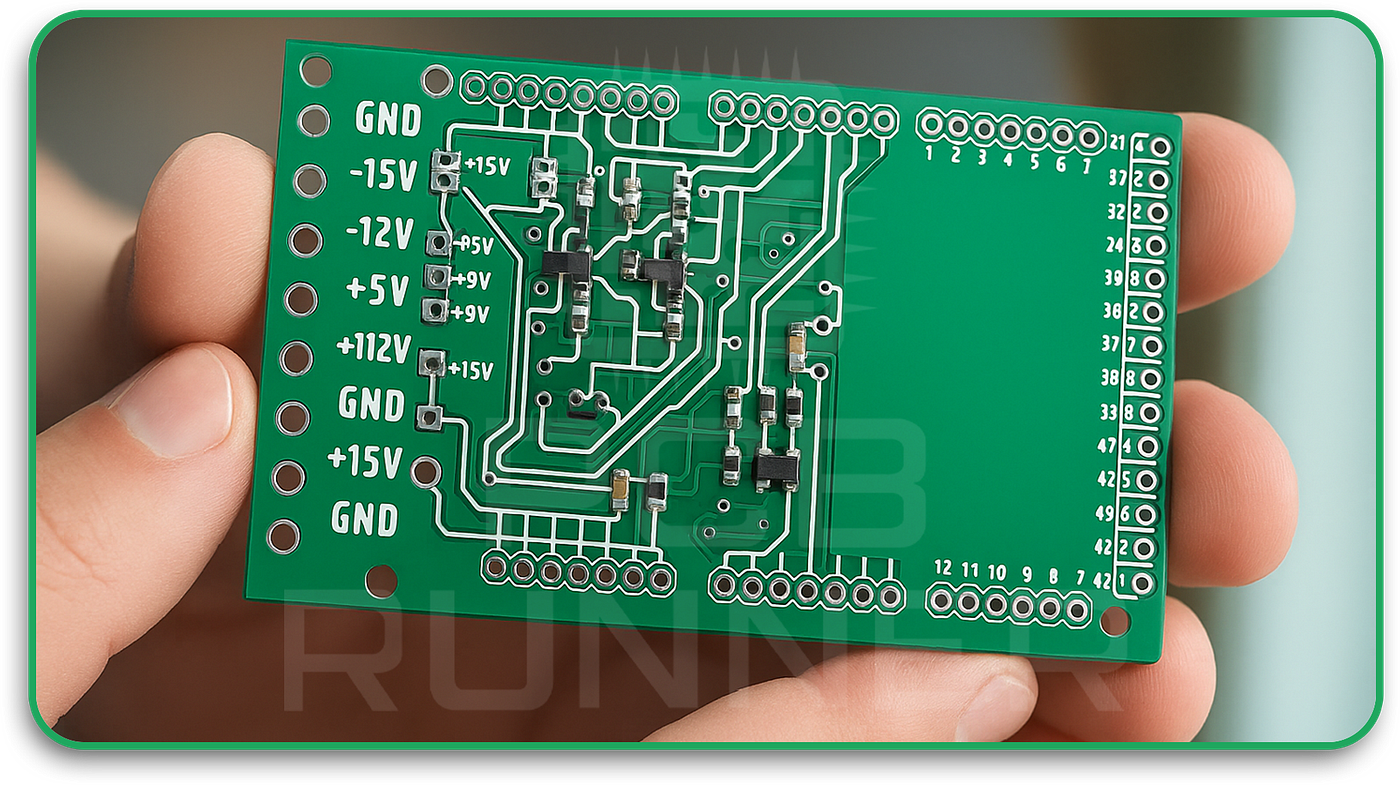
Rigid vs Flexible PCB: Which Should You Use?
Printed Circuit Boards (PCBs) are the backbone of modern electronics, connecting and supporting electronic components across countless…
Rigid vs Flexible PCB: Which Should You Use?
Printed Circuit Boards (PCBs) are the backbone of modern electronics, connecting and supporting electronic components across countless devices. From smartphones and medical devices to automotive systems and industrial equipment, PCBs ensure reliable electrical performance. However, not all PCBs are the same. Two widely used types are **Rigid PCB and Flexible PCB**, each offering distinct advantages depending on the application.

Rigid vs Flexible PCB
Understanding the differences between rigid and flexible boards can help engineers, designers, and businesses choose the best solution for their electronic products.
What is a Rigid PCB?
A Rigid PCB is the traditional and most commonly used type of printed circuit board. It is built using solid substrate materials that do not bend or flex once manufactured. Materials such as FR4 fiberglass laminate provide mechanical strength and electrical insulation, making rigid boards suitable for a wide range of electronic applications.
Rigid boards are commonly used in:
- Consumer electronics
- Industrial equipment
- LED lighting systems
- Computer hardware
- Telecommunications devices
The rigid structure ensures stability and durability while supporting complex **PCB Layout Design** and high component density.
Rigid boards can also incorporate advanced manufacturing Technologies, such as High Density Interconnect PCB designs, which use Laser Drill Micro Vias to create compact circuits with improved signal integrity. This makes them suitable for high-performance electronics requiring precise Impedance control and efficient signal routing.
What is a Flexible PCB?
A Flexible PCB, often called a Flex PCB, is designed to bend, twist, or fold without damaging the circuit. Instead of rigid fiberglass substrates, flexible boards use polyimide or other flexible Material that allows the circuit to conform to various shapes.
Flexible circuits are commonly used in:
- Wearable electronics
- Medical devices
- Automotive electronics
- Aerospace systems
- Compact consumer electronics
One of the biggest advantages of flexible circuits is their ability to save space and reduce weight. Flexible boards can replace connectors and wiring harnesses, simplifying system design and improving reliability.
Advanced Flex Capabilities also allow manufacturers to create Flex and Rigid Flex PCB solutions that combine rigid sections with flexible layers. These hybrid boards are widely used in high-end electronics where both durability and flexibility are required.
Key Differences Between Rigid and Flexible PCBs
Choosing between rigid and flexible boards depends on multiple design and manufacturing factors.
1. Structure and Material
Rigid boards are built with stiff substrates like fiberglass, while flexible boards use bendable polyimide Material. Flexible circuits can withstand repeated bending without breaking, whereas rigid boards maintain their shape permanently.
2. Space and Weight
Flexible circuits are significantly lighter and thinner than rigid boards. This makes them ideal for portable and compact devices where space optimization is critical.
3. Durability
Rigid boards offer excellent structural stability and are easier to mount into enclosures. Flexible boards, on the other hand, can absorb vibrations and mechanical stress, which improves reliability in dynamic environments such as automotive or aerospace systems.
4. Manufacturing Complexity
Rigid boards are easier and less expensive to manufacture. Flexible circuits often require specialized production Technologies, including precision Laser Drill Micro Vias and advanced lamination processes.
5. Design Complexity
Flexible circuits allow designers to create three-dimensional circuit layouts that cannot be achieved with rigid boards. However, the PCB Layout Design process for flexible circuits is more complex and requires careful planning for bend radius, stress points, and routing.
Applications of Rigid PCB
Rigid boards remain the most widely used PCB type because of their versatility and cost efficiency.
Common applications include:
LED Boards: Rigid PCBs are frequently used in lighting applications where efficient heat dissipation and strong Copper Thickness And Trace Width are required.
Consumer Electronics: Devices such as televisions, laptops, and gaming consoles rely heavily on rigid boards.
Industrial Electronics: Rigid circuits support reliable **PCB Assembly** in control systems and automation equipment.
Rigid boards can also integrate advanced features such as Castellation PCB edges, which allow modules to be easily soldered onto another board.
Applications of Flexible PCB
Flexible circuits are ideal when space constraints or mechanical movement are involved.
Common applications include:
Wearable Technology: Smartwatches and health monitoring devices benefit from the lightweight design of flexible circuits.
Medical Devices: Flexible circuits allow compact device designs that fit into small medical instruments.
Automotive Systems: Flexible boards are used in sensors, camera modules, and advanced driver assistance systems.
Many modern electronics combine rigid and flexible boards into Flex and Rigid Flex PCB designs. These boards provide both stability and flexibility in a single solution.
Manufacturing Considerations
When choosing between rigid and flexible PCBs, several manufacturing factors must be considered.
Copper Thickness and Trace Width
Proper Copper Thickness And Trace Width are essential for controlling current flow and heat dissipation. Thicker copper layers are often used in power electronics and LED Boards to handle higher electrical loads.
Impedance Control
High-speed circuits require precise Impedance control to maintain signal integrity. This is particularly important in High Density Interconnect PCB designs used in telecommunications and computing devices.
Surface Finishes
Different Surface Finishes are applied to protect copper traces and ensure reliable soldering during PCB Assembly. Common finishes include ENIG, HASL, and OSP.
Testing Parameters
Before shipment, boards undergo multiple Testing Parameters to ensure reliability. These tests may include electrical testing, impedance verification, and quality inspections.
RoHS Compliance
Modern electronics manufacturing must follow environmental regulations such as RoHS Compliance, which restricts hazardous substances in electronic products.
Advanced PCB Technologies
Modern electronics often require advanced PCB manufacturing technologies to achieve high performance and reliability.
Some important innovations include:
Copper Coin Technology This technique improves thermal management by embedding copper coins into the PCB structure. It is particularly useful for high-power electronics and LED applications.
Laser Drill Micro Vias Microvias created using laser drilling enable compact High Density Interconnect PCB designs with improved signal routing and higher component density.
Turnkey Manufacturing
Many companies now prefer Full Turnkey PCB services where a single manufacturer manages the entire process, including PCB Layout Design, fabrication, PCB Assembly, component sourcing, and testing. This approach reduces supply chain complexity and speeds up production.
Which PCB Should You Choose?
The choice between rigid and flexible circuits depends on the specific requirements of your product.
Choose Rigid PCB when:
- Cost efficiency is important
- The design does not require bending
- High structural stability is needed
- Standard electronics manufacturing is sufficient
Choose Flexible PCB when:
- Space and weight must be minimized
- The circuit must bend or fold
- The device operates in a dynamic environment
- Compact and lightweight electronics are required
If your design requires both durability and flexibility, Flex and Rigid Flex PCB solutions may provide the best balance.
Final Thoughts
Both rigid and flexible PCBs play an essential role in modern electronics manufacturing. Rigid boards remain the most widely used because of their affordability and structural strength, while flexible circuits enable innovative designs that would not be possible with traditional boards.
By understanding factors such as Material selection, Impedance control, Surface Finishes, Testing Parameters, and advanced technologies like Laser Drill Micro Vias and Copper Coin Technology, engineers and businesses can make informed decisions about their PCB design and production.
Ultimately, the right choice depends on your product’s mechanical requirements, performance expectations, and manufacturing budget. Carefully evaluating these factors will ensure your PCB design delivers both reliability and efficiency in real-world applications.
FAQs
1. What is the main difference between a rigid PCB and a flexible PCB? A Rigid PCB is made from solid substrate materials that cannot bend, while a Flexible PCB uses bendable materials such as polyimide. Flexible boards can fold or twist, making them ideal for compact and lightweight electronic devices.
2. When should you choose a flexible PCB instead of a rigid PCB? Flexible PCBs are ideal when a device requires lightweight design, space optimization, or circuits that must bend during operation. They are commonly used in wearable electronics, medical devices, and compact consumer electronics.
3. What is a rigid-flex PCB and where is it used? A Flex and Rigid Flex PCB combines rigid boards with flexible layers in one circuit. This design improves durability and saves space, making it popular in aerospace, automotive systems, and high-performance electronics.
4. How does impedance control affect PCB performance? Proper impedance control ensures stable signal transmission in high-speed circuits. It is especially important in High Density Interconnect PCB designs where precise signal routing and performance reliability are required.
5. What factors should be considered before choosing a PCB type? Key factors include material selection, copper thickness and trace width, surface finishes, testing parameters, thermal requirements, and PCB assembly processes. These elements determine the performance, durability, and reliability of the final electronic product.
메타데이터
- post_id
- cf87965e8fc7
- slug
- rigid-vs-flexible-pcb-which-should-you-use-cf87965e8fc7
- url
- https://medium.com/@pcbrunner/rigid-vs-flexible-pcb-which-should-you-use-cf87965e8fc7
- canonical_url
- https://medium.com/@pcbrunner/rigid-vs-flexible-pcb-which-should-you-use-cf87965e8fc7
- author_url
- https://medium.com/@pcbrunner
- status
- ok
- fetched_at
- 2026-08-11 17:35:36