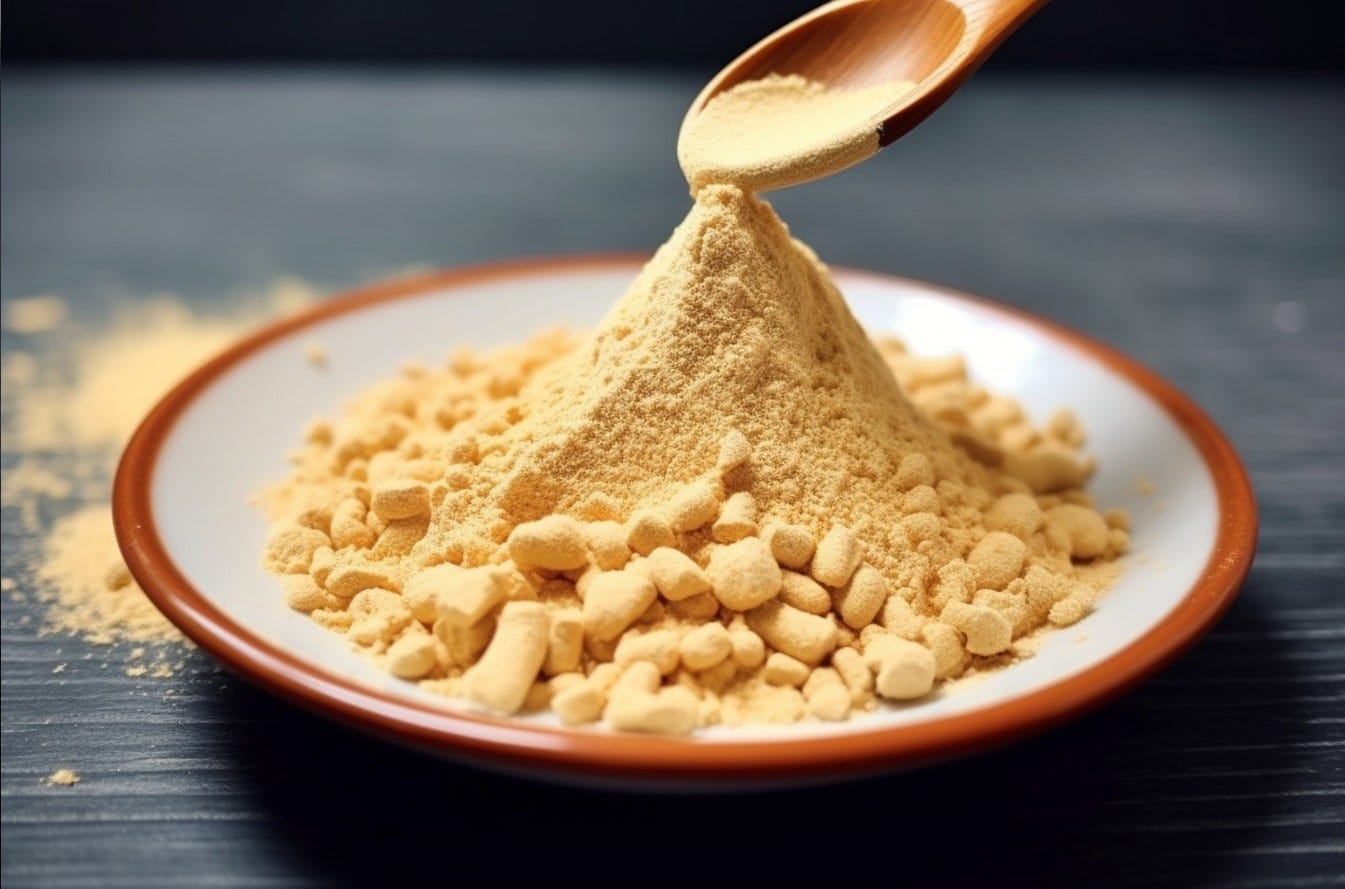
Can quercetin cause hypothyroidism?
The natural supplement industry has witnessed remarkable growth in recent years, with Pure Quercetin Powder emerging as one of the most…
Can quercetin cause hypothyroidism?
The natural supplement industry has witnessed remarkable growth in recent years, with **Pure Quercetin Powder **emerging as one of the most sought-after flavonoid supplements. As a supplier of premium raw materials to the nutraceutical industry, we at Joywin Natural understand the importance of addressing health concerns transparently and scientifically. One question that frequently arises among manufacturers, formulators, and health-conscious consumers is: “Can quercetin cause hypothyroidism?” This concern stems from broader questions about how dietary supplements might influence delicate endocrine functions, particularly thyroid health which affects millions worldwide.This comprehensive review examines the scientific evidence surrounding quercetin and thyroid function, separating factual findings from theoretical concerns to provide industry professionals and informed consumers with evidence-based insights for decision-making.
Understanding Pure Quercetin Powder: Sources, Properties, and Biological Activities
1. What Is Quercetin?
Quercetin is a naturally occurring flavonoid compound belonging to the flavonol subclass, which is widely distributed in the plant kingdom. Chemically known as 3,3',4',5,7-pentahydroxyflavone, quercetin forms the backbone for many other flavonoids and is recognized for its potent antioxidant properties. In plants, quercetin serves as a pigment responsible for the vibrant colors in many fruits, vegetables, and flowers, while also providing protective functions against environmental stressors.
2.Dietary Sources and Supplement Forms
Humans primarily encounter quercetin through dietary sources, with significant quantities found in:
-
Fruits: Apples, berries, grapes, citrus fruits
-
Vegetables: Onions, shallots, broccoli, kale, tomatoes
-
Beverages: Tea, red wine
-
Grains and seeds: Buckwheat, capers
As a complementary ingredient in the supplement industry, quercetin is typically extracted from natural sources such as Sophora japonica (Japanese pagoda tree) or produced through fermentation processes. The resulting quercetin powder is then incorporated into various formulations including capsules, tablets, and powder blends, often marketed for its antioxidant and anti-inflammatory properties.
3. Biological Activities and Mechanisms
Quercetin exhibits multiple biological activities that contribute to its potential health benefits:
-
Antioxidant activity: Quercetin directly scavenges free radicals and enhances endogenous antioxidant defenses through the Nrf2 pathway .
-
Anti-inflammatory effects: It modulates inflammatory pathways by inhibiting enzymes like cyclooxygenase and lipoxygenase, reducing prostaglandin and leukotriene synthesis .
-
Antihistamine properties: Quercetin may stabilize mast cells and reduce histamine release, potentially benefiting allergic conditions .
-
Metal chelation: The compound binds to transition metals, preventing them from catalyzing oxidative damage.
These diverse mechanisms underlie quercetin’s potential applications in supporting cardiovascular health, immune function, and exercise performance, though its effects on specific organ systems like the thyroid require careful examination.
Thyroid Function 101: Understanding Hypothyroidism
1. The Thyroid Gland and Hormone Production
The thyroid gland, a butterfly-shaped organ located in the neck, produces hormones essential for regulating metabolism throughout the body. Through a tightly controlled feedback loop involving the hypothalamus and pituitary gland, the thyroid secretes two primary hormones: thyroxine (T4) and triiodothyronine (T3). These hormones influence nearly every cell in the body, regulating vital functions including:
-
Metabolic rate and energy production
-
Body temperature regulation
-
Heart rate and cardiac function
-
Brain development and cognitive function
-
Muscle strength and control
2. Causes and Symptoms of Hypothyroidism
Hypothyroidism develops when the thyroid gland fails to produce adequate levels of thyroid hormones. This deficiency can stem from multiple causes:
-
Autoimmune disease (Hashimoto’s thyroiditis)
-
Iodine deficiency or excess
-
Medical treatments (radiation therapy, thyroid surgery)
-
Certain medications
-
Congenital conditions
The symptoms of hypothyroidism often develop gradually and may include fatigue, weight gain, cold intolerance, dry skin, hair loss, depression, and cognitive changes. Diagnosis typically involves blood tests measuring TSH (thyroid-stimulating hormone), T4, and T3 levels, with elevated TSH and low T4 characterizing primary hypothyroidism.
3. Current Treatment Approaches
Conventional treatment for hypothyroidism primarily involves thyroid hormone replacement with levothyroxine (synthetic T4), sometimes in combination with liothyronine (synthetic T3). According to experts from Mayo Clinic, normally, diet cannot improve hypothyroidism, highlighting that evidence does not support specific dietary approaches for treating this condition . Patients are advised to take thyroid medication on an empty stomach and avoid concurrent consumption of substances that may interfere with absorption, including iron supplements, calcium supplements, and walnuts .
Examining the Evidence: Quercetin’s Effects on Thyroid Function
1 .Theoretical Concerns: Why the Question Arises
The theoretical concern that quercetin might negatively affect thyroid function stems from several lines of reasoning. Some early research suggested that certain flavonoids might inhibit thyroid peroxidase (TPO), an enzyme essential for thyroid hormone synthesis. Additionally, the structural similarity between some flavonoids and thyroid hormones has raised questions about potential endocrine disruption. However, these theoretical concerns must be evaluated against direct experimental evidence.
2. Animal Studies: Insights from Experimental Models
Recent animal research has actually demonstrated protective effects of quercetin on thyroid function rather than detrimental ones. A 2025 study published in Electromagnetic Biology and Medicine investigated the impact of 3.5 GHz radiofrequency radiation (relevant to 5G technology) on rat thyroid function and found that exposure led to thyroid dysfunction and oxidative stress . The research revealed that radiation-exposed rats showed (significant decreases) in T3 and T4 hormones along with elevated TSH levels .
Importantly, quercetin administration (showed partial improvement trends) against these radiation-induced thyroid abnormalities . The study documented that quercetin intervention helped counteract the oxidative damage in thyroid tissue, as evidenced by reduced markers of lipid peroxidation and improved antioxidant status. These findings suggest that quercetin may actually protect against environmental insults to thyroid function rather than contributing to dysfunction.
3. Human Studies and Clinical Evidence
Human research specifically examining quercetin’s effects on thyroid function remains limited. However, a comprehensive 2018 review published in the Annals of the New York Academy of Sciences analyzed the effects of various phytochemicals on thyroid function . The review noted that “Some flavonoids have been reported to affect the expression and the activity of several thyroid-related enzymes and proteins,” which has raised theoretical concerns about potential thyroid-disruptive properties .
However, the same review highlighted that quercetin belongs to a group of plant compounds demonstrating “beneficial effects” and “possible role as adjuvants for the treatment of thyroid cancers” . This suggests that rather than causing harm, quercetin may possess protective properties relevant to thyroid health. The review specifically mentioned myricetin, quercetin, apigenin, rutin, genistein, and curcumin as compounds with potential adjuvant therapeutic value .
Table: Research Findings on Pure Quercetin Powder and Thyroid Function
Study Type
Key Findings
Implications
Animal Study (2025)
Quercetin showed protective effects against radiation-induced thyroid dysfunction in rats
Suggests potential protective role against environmental insults
In Vitro Research
Some flavonoids affect thyroid-related enzymes and proteins
Theoretical basis for concerns, though quercetin grouped with beneficial compounds
Clinical Review (2018)
Quercetin listed among compounds with potential adjuvant role in thyroid cancer treatment
Indicates possible therapeutic applications rather than harmful effects
Potential Protective Mechanisms of Pure Quercetin Powder for Thyroid Health
1 .Antioxidant Protection
The thyroid gland is particularly vulnerable to oxidative stress due to its high metabolic activity and generation of hydrogen peroxide during thyroid hormone synthesis. Quercetin’s potent antioxidant properties may help protect thyroid follicular cells from oxidative damage. The 2025 animal study on radiation-induced thyroid damage demonstrated that quercetin helped normalize oxidative stress markers in thyroid tissue, including reduced malondialdehyde (MDA) and increased glutathione (GSH) levels . By reducing oxidative damage, quercetin may support optimal thyroid function rather than impair it.
2. Anti-inflammatory Effects
Chronic inflammation serves as a fundamental driver of numerous thyroid disorders, with autoimmune thyroid conditions-such as Hashimoto’s thyroiditis-being particularly closely linked to it. Quercetin is capable of exerting anti-inflammatory effects by regulating the synthesis of prostaglandins or leukotrienes; theoretically, this property may offer benefits for inflammatory thyroid conditions. Although direct evidence supporting its role in thyroid-specific inflammation remains limited, this broad-spectrum anti-inflammatory activity of quercetin still holds the potential to modulate the inflammatory processes involved in autoimmune thyroid disease.
3. Impact on Iodine Metabolism and Utilization
Adequate iodine availability is essential for normal thyroid function, and some plant compounds are known to interfere with iodine uptake or utilization. Currently, there is no compelling evidence that quercetin significantly disrupts iodine metabolism at physiological concentrations. The general consensus from major medical institutions like Mayo Clinic is that a balanced diet helps maintain thyroid health and that extreme dietary practices components typically pose problems for thyroid function .
Practical Guidance: Quercetin Supplementation and Thyroid Health
1. Recommended Dosage and Formulations
For general antioxidant support, typical quercetin supplementation ranges from 500–1000 mg per day, often divided into two doses. Quercetin powder formulations should specify purity levels, with most commercial supplements containing 95–98% pure quercetin. When formulating products for thyroid health considerations, manufacturers might consider:
-
Combination formulas with other supportive antioxidants
-
Enhanced bioavailability forms (quercetin phytosome, conjugated with phospholipids)
-
Timed-release formulations for sustained activity
Special Considerations for Those with Thyroid Conditions
Individuals with pre-existing thyroid conditions should approach any supplementation regimen cautiously:
-
Consult healthcare providers before initiating quercetin supplementation, especially when taking thyroid medications
-
Monitor thyroid function through regular testing when starting new supplements
-
Be aware of potential interactions with thyroid medications-though no specific interactions between quercetin and thyroid drugs are well-documented, maintaining several hours between supplement and medication administration is generally prudent.
Safety Profile and Potential Interactions
Pure Quercetin Powder generally demonstrates a favorable safety profile at appropriate dosages. The cosmetic industry’s safety assessment notes that quercetin is considered safe at specified concentrations, with established usage levels in various product types . However, some potential considerations include:
-
Possible interactions with certain antibiotics, as quercetin (has various compatibility contraindications with multiple antibiotics)
-
Theoretical inhibition of certain enzyme systems, though clinical significance remains unclear
-
Limited long-term safety data beyond several months of continuous use
Table: Quercetin Safety Considerations Based on Current Evidence
Aspect
Safety Profile
Recommendations
General Toxicity
Low acute and chronic toxicity
Follow recommended dosage guidelines
Medication Interactions
Potential interactions with some antibiotics
Consult healthcare providers when taking medications
Thyroid Specific Effects
No evidence of causing hypothyroidism; potential protective effects
Generally appropriate for those with thyroid concerns
Special Populations
Limited safety data in pregnancy and lactation
Exercise caution or avoid in these populations
Conclusion
Based on current scientific evidence, Pure Quercetin Powder does not appear to cause hypothyroidism and may actually offer protective benefits for thyroid health under certain conditions. The theoretical concerns about flavonoid-induced thyroid disruption have not materialized in the specific case of quercetin, with recent research instead demonstrating its potential to counteract environmental insults to thyroid function. The 2025 animal study showing quercetin’s protective effects against radiation-induced thyroid dysfunction, coupled with the 2018 review classifying quercetin among compounds with potential adjuvant therapeutic value for thyroid cancer, suggests a generally favorable profile for thyroid health .
For supplement manufacturers and formulators, these findings provide reassurance about the thyroid safety profile of quercetin powder as a raw material. However, responsible marketing should avoid making direct health claims about quercetin treating specific thyroid conditions, as human clinical evidence remains limited. Instead, emphasis can be placed on its general antioxidant and anti-inflammatory properties, with appropriate citations to the growing body of research suggesting potential benefits rather than harm to endocrine health.
JOYWIN founded in 2013 is an innovation-driven biotechnology company. We provide the manufacture of plant extracts, plant proteases, and customized products. If you want to know more about Pure Quercetin Powder or are interested in purchasing it, you can send an email to contact@joywinworld.com. We will reply to you as soon as possible after we see the message.
메타데이터
- post_id
- cf9987f4d8eb
- slug
- can-quercetin-cause-hypothyroidism-cf9987f4d8eb
- url
- https://medium.com/@joywinmarket/can-quercetin-cause-hypothyroidism-cf9987f4d8eb
- canonical_url
- https://medium.com/@joywinmarket/can-quercetin-cause-hypothyroidism-cf9987f4d8eb
- author_url
- https://medium.com/@joywinmarket
- status
- ok
- fetched_at
- 2026-07-26 06:08:31