Buckwheat
Buckwheat is one of those multipurpose plants that we value in permaculture design.
Plant notes for permaculture design…
Buckwheat
Buckwheat is one of those multipurpose plants that we value in permaculture design.

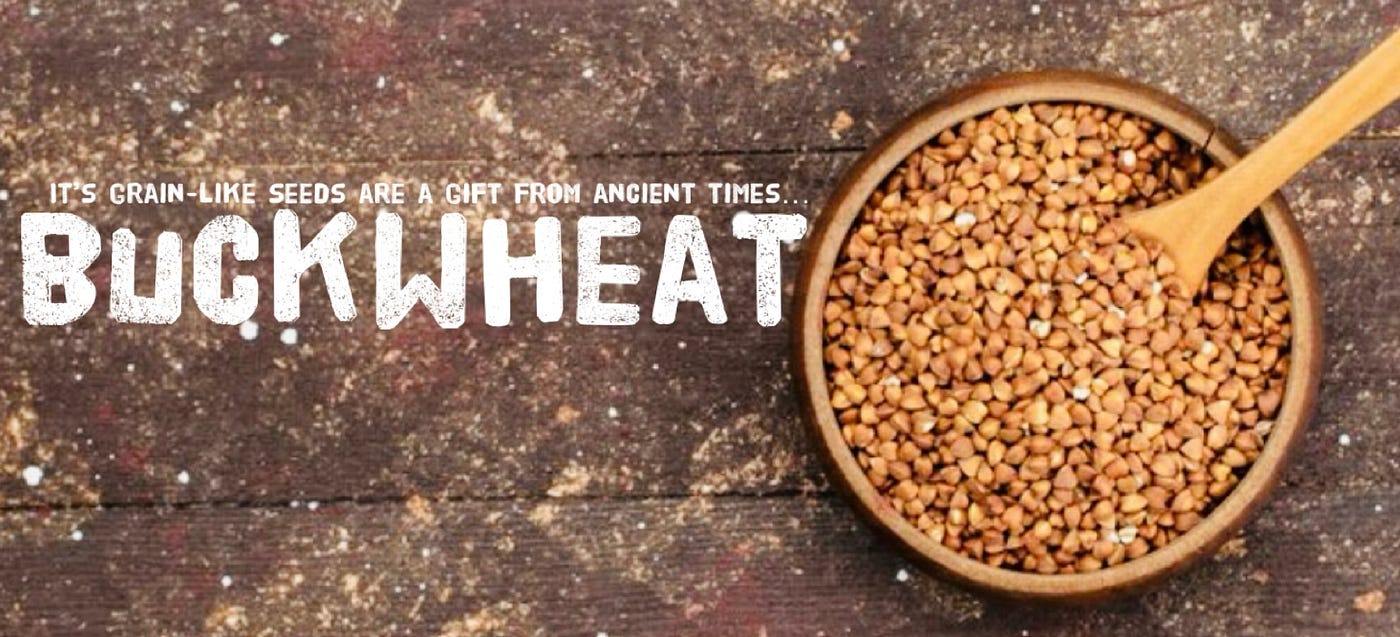
IS IT a seed? Is it a grain? Is it a cereal? It’s buckwheat, a gift from ancient China that serves multiple roles in the permaculture production garden.
We planted only a small patch toward the end of summer to see how it goes. It went well. Will we replant next warm season? Sure will. We’re thinking of using buckwheat as a green manure, perhaps in combination with a legume to improve soil fertility.
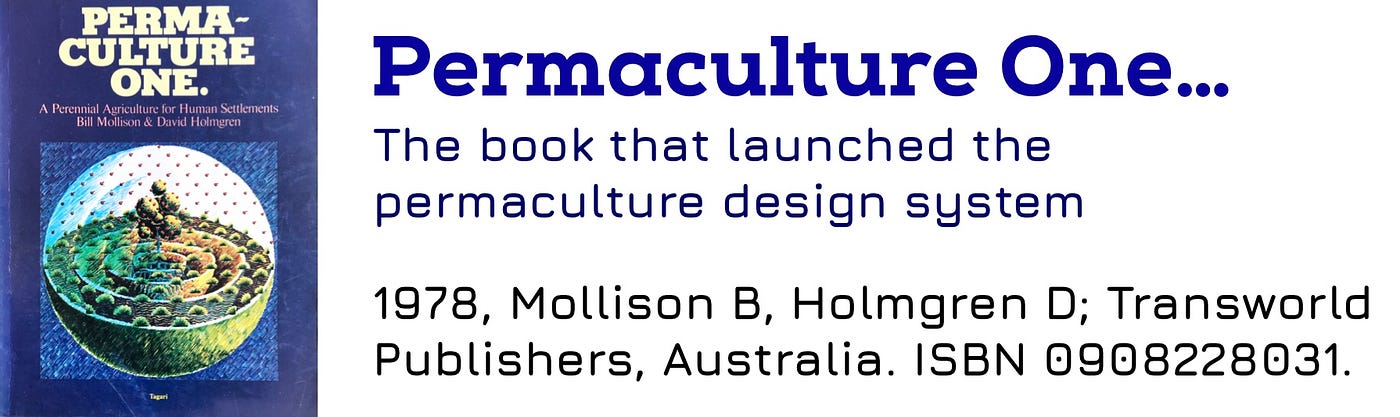
We are fortunate in having a home with garden space to experiment with plants. Sometimes, the experimentation is unsuccessful. I have in mind how this seasons tomatoes were late to grow and fruit, perhaps due to the dry summer weather we had, and then how a plant disease afflicted them. Other experiments are successful, like that with buckwheat. All of this reminds me of something Bill Mollison said about how we look as things in life: “We are surrounded by insurmountable opportunities”, he told us. Like trying buckwheat, I add. Bill’s field research work gave birth to the idea of permaculture. He and David Holmgren went on to articulate the design system in Permaculture One in 1978. I like to apply Bill’s quote about recognising opportunity to our home-grown biological experiments in the garden, too.
We have been here on the eastern beaches in Tasmania for a few years now. What was a capeweed-infested backyard when we arrived, we converted into a dual purpose terraced fruit and vegetable garden on the slope that also slows the downhill flow of rainwater runoff and the erosion it brought. The garden has also seen the return of small birds like wrens that were absent when we came here. Now the garden feeds us and serves as living lab where my partner, mostly, experiments with growing plants.
Let me quote Bill again: “Sitting at our back doorsteps, all we need to live a good life lies about us. Sun, wind, people, buildings, stones, sea, birds and plants surround us. Cooperation with all these things brings harmony, opposition to them brings disaster and chaos.” I would like to better appreciate what he said. After all, Bill asserted that permaculture designs “productive ecosystems which have the diversity, stability, and resilience of natural ecosystems. It is the harmonious integration of landscape and people providing their food, energy, shelter and other material and non-material needs in a sustainable way.”

Common name: buckwheat; black wheat Family: polygonaceae Genus: Fagopyrum Species: Fagopyrum esculentum (common buckwheat).
Centre of diversity
Buckwheat’s origin story, its home, lies in southwestern China, particularly Yunnan and the broader Manchurian region. Here, its cultivation dates back to the 6th millennium BCE (Before the Common Era).
From its homeland it spread first to Central Asia and Tibet and then to the Middle East and Europe, which it reached by the 15th century.

A harlequin bug and the tetrahedral seed capsules of buckwheat.
Growth form
Buckwheat is not related to wheat. It is a pseudocereal, not a true cereal.
- herbaceous annual to 75–125 centimetres
- leaves are heart‑shaped (cordate) or arrowhead‑shaped (sagittate); broad, smooth; attached alternately along the stem
- small white flowers in clusters
- buckwheat produces a single tetrahedral seed (triangular-sided) inside a hard outer hull about 5–7mm long with three prominent sharp angles
- a branching root system with a taproot that reaches deeply into moist soil
- grows rapidly
- grows well in well drained, low-fertility or acidic soils.

Buckwheat’s heart-shaped leves and branching growth form.
Reproduction
- by seed.
Cultivation
- buckwheat is not frost‑tolerant
- plant seed in late spring through to late summer in southeast Australia and Tasmania, once the soil has fully warmed and frosts have ended
- late October to March is the practical range for most of SE Australia, including Tasmania’s warmer districts; October and November planting in Tasmania may be vulnerable to cold nights; March plantings might produce limited flowering and may be more relevant as a green manure crop
- grows best in slightly acidic to neutral soils with a pH of 6.0–7.0; it tolerates more acidic soils to pH 4–6
- buckwheat needs 30–45 days to flower
- best germination is when soil temperatures sit above 10–12°C
- planting timing is determined by warmth and day length
- flowers are insect‑pollinated, especially by bees that also produce buckwheat honey
- seed grows quickly, making it suitable for short-season climates
- harvest seed when most, around 70–75%, of the seeds have turned brown and hardened; the timing reflects buckwheat’s indeterminate habit: it keeps flowering and setting new seed until frost stops it; wait for the moment when the majority of seed is mature rather than waiting for every seed to ripen
- buckwheat seed shatters easily once fully ripe; if you notice seed dropping when you touch the plants, harvest immediately to minimise loss.
Seed processing
- cut from plant when the majority of the seed is mature, when it is brown and hard
- hang to dry, perhaps around five to seven days if the weather is warm and stable
- thresh; the seeds detach easily.

Buckwheat in flower.
Ecological factors
- buckwheat mobilises phosphorus in the soil
- adds rapidly-growing biomass
- grows best in slightly acidic to neutral soils
- pair buckwheat with legumes to create a complementary guild for improving soil fertility; legumes add nitrogen (a major plant nutrient), buckwheat mobilises phosphorus and feeds insects.
Uses
Useable part
- seed/groats.
Food crop:
- high starch content enables buckwheat to be cooked and consumed like a cereal
- hulled kernels used like rice or porridge
- seeds (groats) eaten whole; roasted or ground into flour; widely used in Eastern Europe (eg. kasha)
- honey production —flowers are a nectar source for dark, mineral-rich buckwheat honey
- flour used for noodles (soba), pancakes, breads, gluten‑free baking
- sprouts and young shoots sometimes eaten raw or lightly cooked.

The tetrahedral seed pod of buckwheat amid the flowers. Is that ant a pollinator?
Animal feed:
- leaves and stems are sometimes used as fodder, though with caution due to photosensitivity risk
Cover crop:
- used as a cover crop because of its ability to suppress weeds and improve soil structure (use in a cover crop/legume planting combination)
- supports pollinators.
Application in permaculture design
- for permaculture zones 1–3
- food
- quick cover crop for soil improvement; plant in a buckwheat/legume guild as a green manure
- creating garden habitat as an element in the insect food web; flowers feed pollinators
- use as a soil cover crop for soil structure and fertility improvement
- use to remediate compacted urban soils that are low in organic matter or limited in phosphorus content.
Planting in Tasmania
Tasmania’s Köppen-Geiger climate classification: cool temperate maritime with some Mediterranean influences and four distinct seasons.
- performs well in Tasmania’s cool temperate climate, especially with warm days and cool nights
- ideal for spring–summer sowing in Tasmania; can also be used as a late‑summer green manure before autumn rains
- susceptibility to frost limits buckwheat to the warmer months.
Folklore and legend
Ethnobotanical traditions:
- in parts of Europe, buckwheat was considered a protective grain associated with warding off hunger and misfortune because it thrives in poor soils
- in Slavic traditions, kasha made from buckwheat is tied to ritual meals, hospitality and seasonal festivals
- in Himalayan regions buckwheat is linked to mountain deities and used in ceremonial foods.
Precautions
Allergic reaction: buckwheat seed is a significant food allergen for some people.
Photosensitivity: compounds in the plant can cause skin irritation and light sensitivity in animals and occasionally humans, especially with heavy consumption, including buckwheat honey; fagopyrism in humans may include skin inflammation in sunlight-exposed areas, cold sensitivity, tingling or numbness in the hands
Only dehusked grain is considered safe for regular consumption.
More

Plant notes…
[embed]Mountain snowberry An inhabitant of the subalpine zone of Tasmania’s mountains…medium.com
Permaculture in the world…



메타데이터
- post_id
- cf9d8eee4745
- slug
- buckwheat-cf9d8eee4745
- url
- https://medium.com/permaculture-3-0/buckwheat-cf9d8eee4745
- canonical_url
- https://medium.com/permaculture-3-0/buckwheat-cf9d8eee4745
- author_url
- https://medium.com/@russgrayson-au
- status
- ok
- fetched_at
- 2026-06-13 12:55:53