Understanding Reactive Dogs: The 7 Hardest Lessons I Learned After Losing My First Dog
I didn’t truly understand reactive dogs until I lost the one I loved the most.
Understanding Reactive Dogs: The 7 Hardest Lessons I Learned After Losing My First Dog
I didn’t truly understand reactive dogs until I lost the one I loved the most.

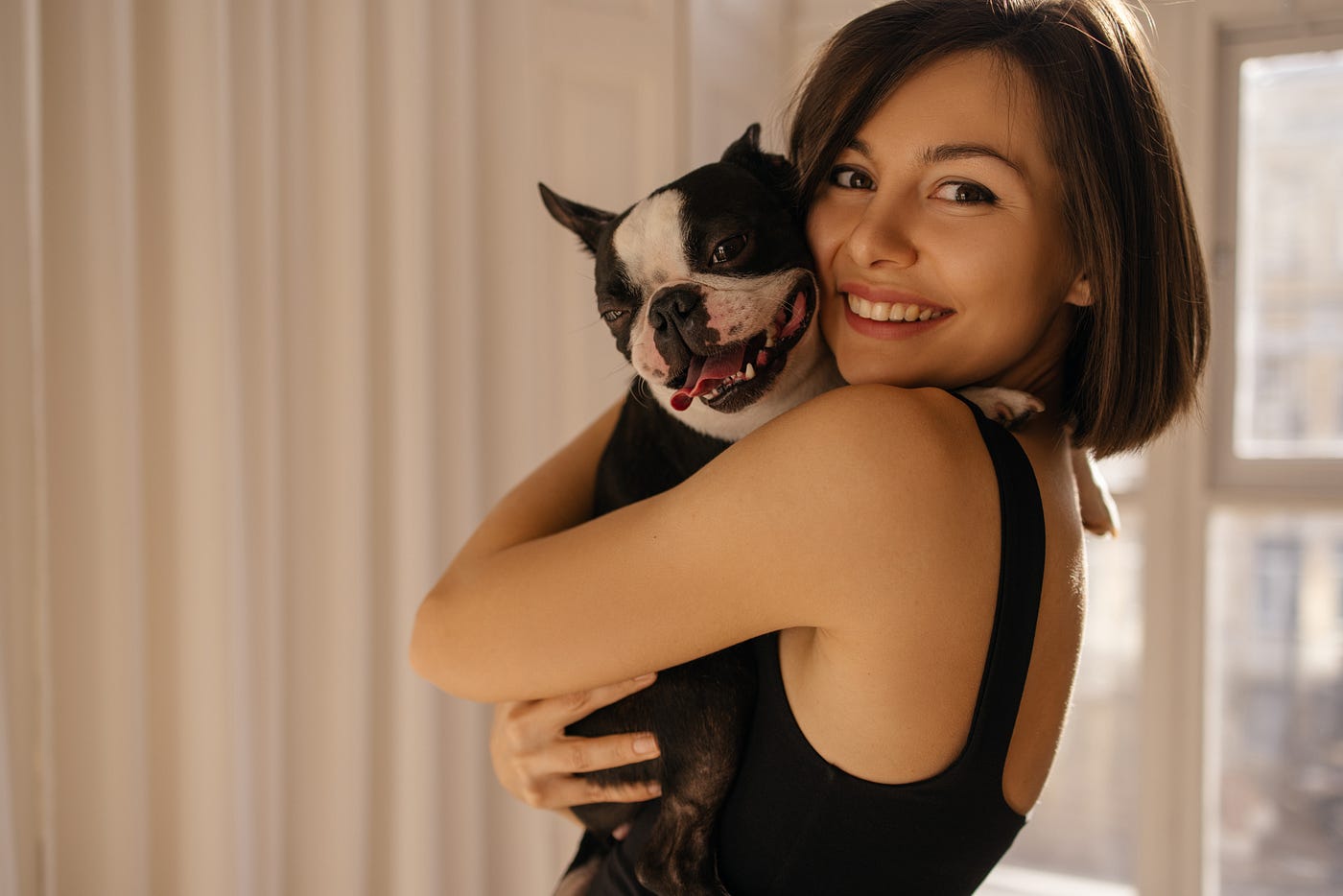
My first reactive dog, Cherry, came into my life with a wagging tail and a nervous heart. She wasn’t aggressive, nor was she“bad.” But she was a reactive dog, something I didn’t even know existed until I found myself tangled in a leash, covered in sweat and tears, trying to hold her back as she lunged at the sound of another dog barking across the street. If you’ve ever had a human reactive dog or dealt with leash reactivity, you already know, it’s not easy, and it’s not your fault.
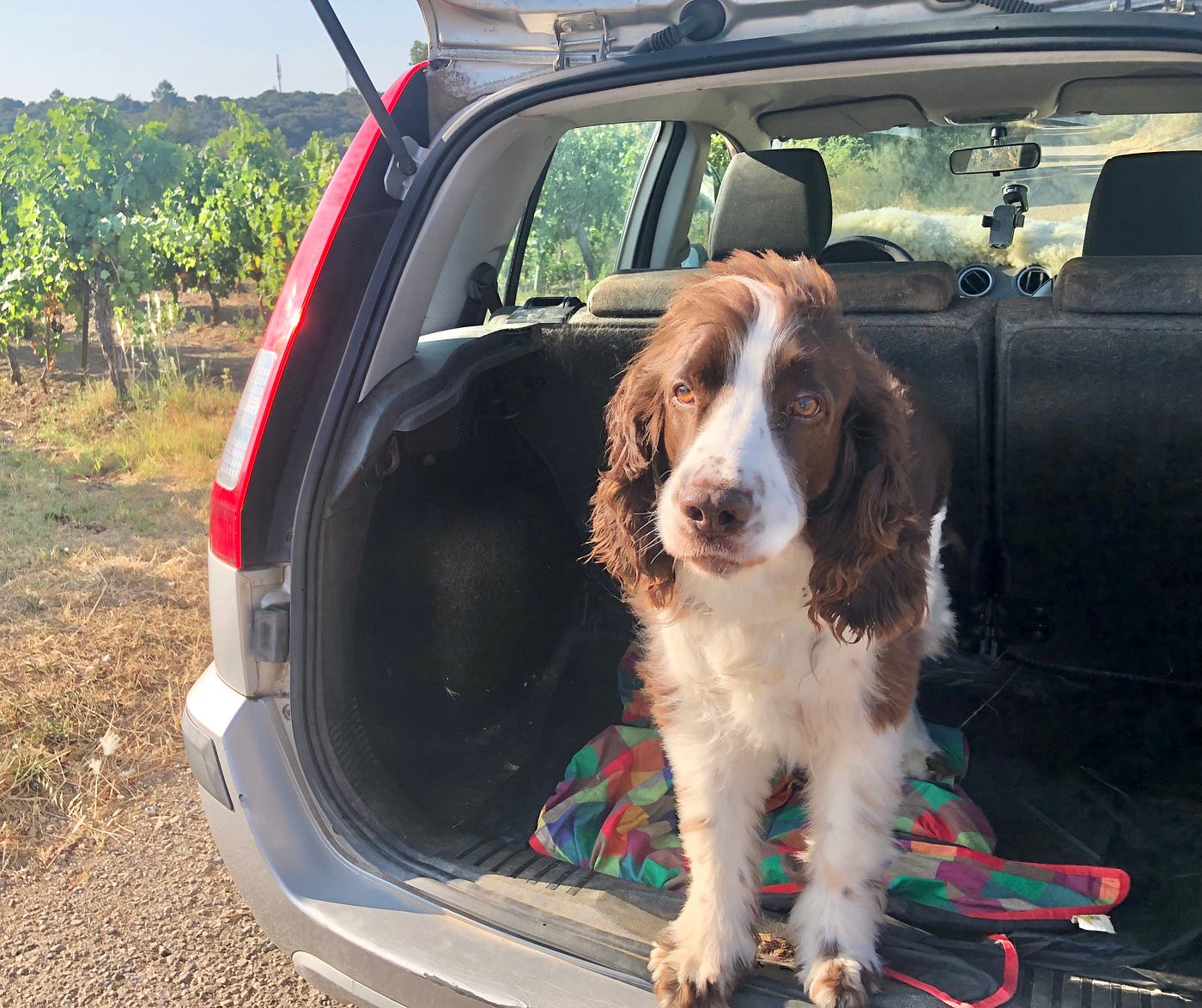
Almost 1.5 years after her passing, I brought a new pup, same as an American Labrador, full of life, a spitting image of my Cherry, both by looks and by nature. Yes! you guessed it right, she is also a reactive dog. The early days were marked by embarrassment and confusion. Neighbours whispered, and family members asked why I couldn’t just “control her.” I started to question myself constantly: Am I failing her? Am I making things worse?
But over time, I learned, painfully, slowly, and stubbornly, how to meet her where she was. I learned to stop trying to “fix” her and instead to understand her.
One of the first things I realised was that reactivity isn’t aggression. Ollie (my new pup) wasn’t trying to dominate the world. She was scared, deeply scared, and that fear made her react. Understanding that made everything shift for me. I moved away from anxious dealing and leaned heavily into positive reinforcement. Every calm moment, every redirect, every choice not to bark or lunge, those moments became celebrations. They were tiny victories in a very long war.
And treats? oh, the high‑value treats. I carried chicken, cheese, and even a homemade chicken treat that I baked while almost burning my house down!. I learned quickly that the better the treat, the better her focus. People thought I was spoiling her, while I was training her brain to feel safe. That’s the thing about working with a reactive dog; you’re constantly negotiating with fear.
We started practising in low-stress environments, then gradually introduced triggers from a distance. When she could handle a jogger 100 feet away, we’d move to 90 feet, then 80. I had to learn to read her cues like a book, tight leash, pinned ears, and the shift in weight before a lunge. The earlier I could intervene, the better our chances of diffusing the situation.
There’s also something I never thought would work: running with a reactive dog. I used to avoid walks altogether, but over time, I learned how controlled jogging in quiet areas gave us a rhythmic outlet to release her energy. We found trails with few distractions, and we chose the early morning walks with almost no one around. That consistent movement calmed her brain and gave her less time to spiral into anxiety. Exercise, it turns out, wasn’t just about physical health; it was about managing reactivity during exercise with intention and strategy.
But the biggest shift happened inside me.
I had to stop worrying about other people’s judgments and start building confidence in my reactive dog. If I hesitated, she hesitated and if I tensed up, so did she. I had to believe in her progress even when the setbacks outnumbered the wins, and there were many setbacks, times when she’d regress after weeks of progress. But even in those moments, I began to notice how she trusted me to get her out of those panicked states.
I wish I could say I saved her. I didn’t.
Cherry passed away before I could even understand what dog reactivity or leash reactivity is, or help her process her fear. But Ollie taught me patience, forgiveness, and the deep emotional complexity of dogs who don’t fit society’s mould. My biggest regret in my life? I could not help Cherry, but I have been working hard with Ollie to make a difference in her life.
So, if you’re reading this right now, wiping away tears after yet another difficult walk, wondering if it’s worth it, it is. Every time you slow down, reward a calm breath, choose distance over confrontation, you are doing the work. You are teaching trust, and you are understanding reactive dogs in a way few ever bother to try.
And if you’re looking for the full story, how I handled specific triggers, what tools helped, and what I’d never do again? I’ve laid it all out in this article on my blog. You’ll find the honest journey, the missteps, and what it felt like to love a dog like Cherry and Ollie, and maybe it’ll help you feel a little less alone.
Because at the end of the day, this isn’t just about dogs, it’s about resilience, theirs and yours.
메타데이터
- post_id
- cfb2b1b3a347
- slug
- understanding-reactive-dogs-the-7-hardest-lessons-i-learned-after-losing-my-first-dog-cfb2b1b3a347
- url
- https://medium.com/@rituparnasinhachowdhury/understanding-reactive-dogs-the-7-hardest-lessons-i-learned-after-losing-my-first-dog-cfb2b1b3a347
- canonical_url
- https://medium.com/@rituparnasinhachowdhury/understanding-reactive-dogs-the-7-hardest-lessons-i-learned-after-losing-my-first-dog-cfb2b1b3a347
- author_url
- https://medium.com/@rituparnasinhachowdhury
- status
- ok
- fetched_at
- 2026-06-29 22:44:20